
A high-quality personalised wet bag is an indispensable companion for children navigating swim lessons, school excursions, and outdoor play in Singapore’s tropical climate. With many local preschools and primary schools incorporating swimming or outdoor water play into their regular curriculum, parents frequently face the challenge of managing damp swimwear, sweaty physical education (PE) uniforms, and wet towels. A dedicated wet bag prevents moisture, chlorine, and damp odours from transferring to dry school books, homework, and clean clothes inside a child’s backpack. Furthermore, adding your child’s name to the bag ensures quick identification in busy changing rooms, reducing the likelihood of accidental mix-ups or lost items.
Selecting the right bag requires balancing practical waterproofing with durable customisation that can withstand daily wear and frequent washing. Because Singapore’s high humidity creates an ideal environment for mould and mildew, understanding the materials, construction, and care of these bags is essential for maintaining hygiene. By focusing on key features such as fabric technology, customisation methods, and child-friendly hardware, you can find a reliable solution that keeps school gear dry and organised throughout the academic year.
Key Features to Look for in a Personalised Wet Bag
Size and Capacity
When choosing a wet bag, matching its dimensions to your child’s age and daily activities is crucial for usability. Compact wet bags, typically measuring around 20 by 25 centimetres, are ideal for infants and toddlers attending playgroups or infant care. These smaller bags easily accommodate a single damp swim diaper, a small change of clothes, or dirty bibs without adding unnecessary bulk to a diaper bag. For older children participating in school swim lessons, a medium bag of approximately 30 by 30 centimetres is generally sufficient to hold a standard swimsuit, goggles, a swim cap, and a small travel towel.
Products mentioned in this guide
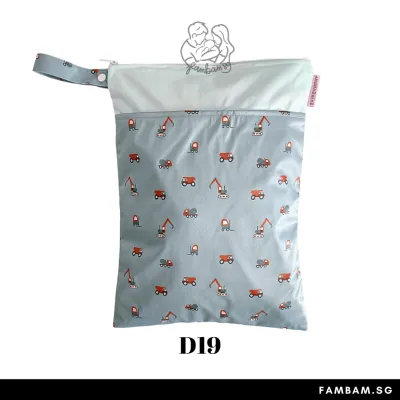
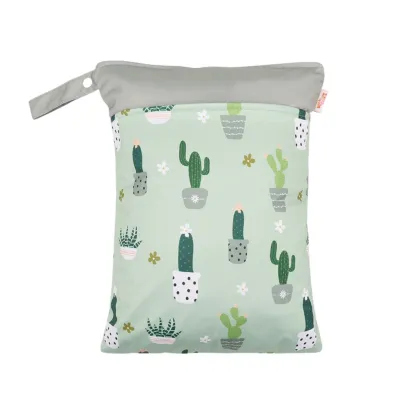
![[SG Seller] Custom Name Wet Bag | Waterproof Baby Diaper Bag | Kids Organiser Bag | Childcare Bag](https://img.lazcdn.com/g/p/683c3fe06ddbf1062d0e5e6565e93504.jpg_400x400q80.jpg_.webp)
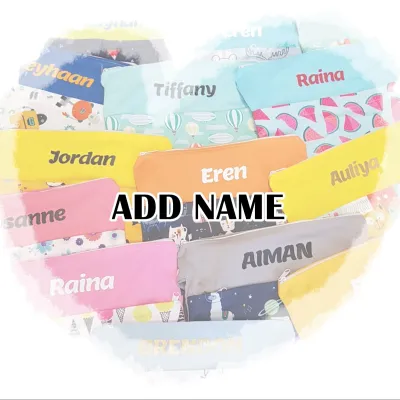
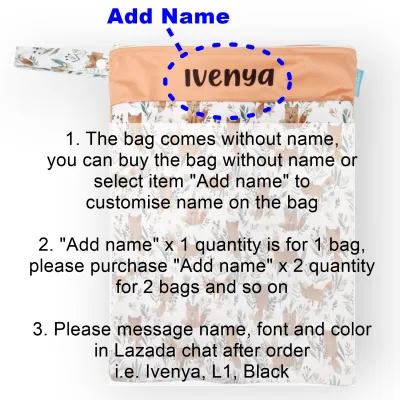
![[SG Instock] Personalized Wet Bags customised with Kids name for Preschool Gym Swimming Children Baby Diaper Bag](https://img.lazcdn.com/g/p/219388bd3b8e9c62a5fd7dc8df5a369a.jpg_400x400q80.jpg_.webp)
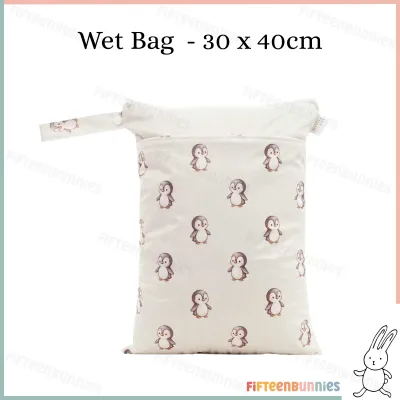
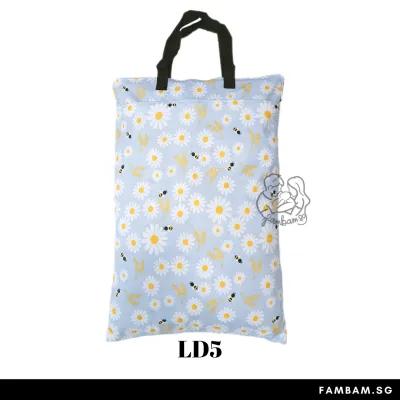
Prices are valid at publication and may change. Please refer to the product page for the latest price.
If your child needs to pack a full-sized cotton bath towel, a complete change of school uniform, and dry underwear, you should opt for a large wet bag measuring 30 by 40 centimetres or bigger. It is important to guide your choice based on what your child can comfortably carry independently; an oversized, heavy bag can strain a younger child’s back or make their school backpack difficult to zip. Many parents find that double-pocket wet bags—which feature separate dry and wet zippered compartments—offer the greatest utility for school outings, allowing clean clothes to go in one side and damp items in the other.
Material and Waterproofing
Understanding the difference between water-resistant and fully waterproof materials is vital to preventing leaks that can ruin school books or electronics. Most high-quality wet bags feature an inner lining made of Polyurethane Laminate (PUL) or Thermoplastic Polyurethane (TPU). PUL is a polyester fabric that has been chemically bonded to a thin waterproof membrane, making it highly durable and capable of withstanding repeated washing. TPU utilizes a thermal bonding process that is generally more eco-friendly but can be slightly more sensitive to high temperatures during cleaning.
While the lining fabric itself is waterproof, the overall bag’s ability to contain wetness depends heavily on its construction. Standard stitched seams create tiny needle punctures where moisture can slowly seep through under pressure. For maximum leak prevention, look for bags that specify heat-sealed or taped seams, which cover these needle holes. Additionally, the exterior fabric—often made of water-resistant polyester, nylon, or treated canvas—acts as a secondary barrier against external splashes, ensuring the bag remains dry to the touch on the outside.
Personalisation Methods
The method used to apply your child’s name directly affects the bag’s long-term durability and safety. Embroidery offers a classic, premium look that easily survives endless wash cycles without fading or peeling. However, because embroidery needles puncture the fabric, you must verify that the stitching only passes through the outer decorative layer and does not pierce the inner waterproof lining, or that a protective waterproof backing has been applied over the interior stitches.
Heat-transfer vinyl (HTV) decals are popular because they allow for vibrant colours, custom icons, and fun, highly visible fonts that children love. While high-quality vinyl is durable, cheaper variations can crack, peel, or warp when exposed to Singapore’s intense heat or frequent warm-water washes. Another highly durable option is sublimation or direct-to-fabric printing, where the ink is permanently fused into the polyester fibres of the bag. This technique creates a smooth, texture-free finish that cannot peel or crack, making it exceptionally long-lasting and safe for frequent machine washing.
Portability and Hardware
Child-friendly hardware makes a significant difference in how easily a young child can manage their gear at school or swim class. Look for chunky, smooth-gliding nylon or plastic zippers that small hands can easily pull without snagging. Metal zippers should be avoided or checked for rust-resistant coatings, as exposure to chlorinated pool water and salty sea air can cause rapid corrosion.
Bags equipped with snap-button handles or sturdy carabiners are highly practical for school-aged children. These features allow the wet bag to be securely clipped to the exterior of a school backpack, saving valuable internal space and keeping damp items completely isolated from schoolwork. Double handles or adjustable shoulder straps are also beneficial for older kids who may need to carry their swim gear separately on days dedicated to physical education.
Recommended Personalised Wet Bag Options for Kids
When exploring personalised wet bag options in Singapore, parents can choose from premium lifestyle brands, durable everyday school gear suppliers, or independent boutique makers. Because customisation requires extra processing, always verify current availability, customisation lead times, and shipping conditions to Singapore before purchasing. Personalised items typically require an additional three to ten working days of processing time before they are dispatched.

Premium Customisable Options for Long-Term Use
Premium lifestyle and home brands offer high-end customisation services that make these wet bags excellent options for long-term school use or practical gifts. These brands typically construct their bags from heavy-duty, high-denier polyester or water-resistant canvas outers paired with robust, food-safe waterproof inner linings. The personalisation is often done via professional, high-density embroidery or premium monogramming, ensuring the child’s name remains intact and legible throughout multiple school terms.
These premium options generally offer spacious, multi-compartment designs, allowing children to keep dry clothes, undergarments, and wet swimwear perfectly separated. The main benefits of investing in a premium bag are its superior structural durability, high-quality zippers, and sophisticated aesthetic designs that grow with your child from preschool to primary school. However, parents should consider the trade-offs, which include higher price points—typically ranging from S$30 to S$60 or more—and longer processing times. Additionally, if the brand is based overseas, you may need to account for international shipping fees and potential delivery delays.
Durable and School-Friendly Everyday Picks
For daily school wear-and-tear, accessible school gear and stationery brands provide highly practical and robust choices. These brands are specifically designed to handle the rough treatment common among school-aged children, such as being stuffed into crowded lockers, dragged across playground benches, or dropped on wet changing room floors. Personalisation is usually offered through in-store or online heat-press monogramming, custom name tags, or interchangeable velcro name patches.
These everyday picks feature vibrant, high-visibility patterns, neon accents, and playful characters that make the bag instantly recognizable in a sea of identical school gear. The interiors are lined with smooth, easy-to-wipe polyester or nylon that dries quickly after a simple wipe-down. While highly functional and reasonably priced (usually between S$15 and S$30), these options may have limitations in customisation depth. Parents are typically restricted to a pre-selected set of fonts, character limits, and specific placement zones compared to the fully bespoke designs offered by boutique makers.
Boutique and Handmade Designs from Independent Makers
Parents seeking unique, one-of-a-kind designs can turn to independent creators often found on specialised online marketplaces, local craft platforms, or social media boutiques. Supporting independent makers allows you to choose from an extensive array of unique fabric prints, custom font styles, and highly specific sizing options that are not available from mass-market retailers. Many makers are happy to accommodate custom requests, such as adding extra pockets, adjusting strap lengths, or matching the print to your child’s existing school accessories.
When buying from independent sellers, it is essential to vet the maker carefully to ensure product safety and quality. Check customer reviews specifically for feedback on stitching durability, zipper reliability, and the long-term performance of the waterproof lining. Verify that the materials used, especially the inner lining, are free from harmful chemicals and safe for children’s sensitive skin—look for certifications like OEKO-TEX if available. The trade-offs of boutique options include variable shipping times, a lack of standardised product warranties, and the necessity of direct communication with the seller to confirm spelling and design specifications before production begins.
How to Clean and Maintain Your Child's Wet Bag
Daily Routine
To prolong the lifespan of your child’s wet bag and prevent unpleasant odours, establishing a consistent daily maintenance routine is essential. You must empty the bag immediately after your child returns home from school or swim lessons. Leaving damp towels, chlorinated swimwear, or sweaty PE clothes sealed inside a wet bag overnight in Singapore’s warm, humid climate creates an ideal breeding ground for bacteria, mildew, and persistent musty smells.
Once emptied, rinse the interior lining with cold, clean water to remove residual chlorine, salt, or sweat, which can slowly degrade the waterproof laminate over time. Turn the bag completely inside out and hang it to air-dry in a well-ventilated indoor area or a shaded outdoor space, such as a balcony. Always avoid exposing the bag to direct, harsh afternoon sunlight for extended periods; intense ultraviolet (UV) rays can fade custom-printed names, crack vinyl decals, and break down the protective waterproof backing.
Washing Guidelines
Before laundering, always check the manufacturer’s care label for specific instructions, as different materials and customisation methods require different care. If the bag is machine washable, turn it inside out, place it in a mesh laundry bag to protect the personalised lettering, and select a gentle cycle using cold water. Use a mild, fragrance-free detergent to clean the fabric thoroughly.
Do not use fabric softeners, bleach, or strong stain removers. Fabric softeners leave a chemical residue that coats the waterproof membrane, reducing its effectiveness over time, while bleach can dissolve the laminate layer and ruin the custom colours. After washing, line dry the bag completely. Never put a wet bag in a high-heat tumble dryer, as the intense heat can warp, melt, or peel both the waterproof PUL/TPU lining and any heat-applied vinyl personalisation.
Odour and Mould Prevention
If the wet bag begins to develop a stubborn, musty odour, you can safely clean it using a mild, natural solution. Mix one part white vinegar with four parts water, dampen a soft cloth with the mixture, and gently wipe down the entire interior lining. Rinse the lining thoroughly with cold water afterwards and allow the bag to air-dry completely in a well-ventilated space. Alternatively, you can sprinkle a tablespoon of baking soda inside the dry bag, let it sit overnight to absorb residual odours, and shake it out thoroughly before the next use.
Regularly inspect the interior lining for signs of wear, such as peeling, cracking, or flaking of the waterproof laminate. If the waterproof barrier is damaged, the bag will no longer prevent leaks and should be replaced. Furthermore, if black mould spots develop along the seams or corners and cannot be completely removed with a gentle vinegar wash, you should discard the bag immediately to protect your child from exposure to mould spores.
Frequently Asked Questions (FAQ)
Are personalised wet bags completely waterproof or just water-resistant?
While the inner lining fabric of a high-quality wet bag (such as PUL or TPU) is entirely waterproof, the overall bag is rarely 100% waterproof unless it features specialized heat-sealed seams and a waterproof zipper. Standard zippers and stitched seams contain tiny needle punctures that can allow moisture to seep through if the bag is overfilled, subjected to external pressure, or if soaking wet items are left inside. To prevent leaks, parents should thoroughly wring out excess water from swimwear and towels before placing them in the bag, and check product specifications for sealed seams if absolute leak protection is required.
How can I prevent mould and odours in my child's wet bag?
Preventing mould and odours in Singapore’s humid climate requires ensuring that damp items are never left inside the bag overnight. Always empty the bag immediately after use, rinse out any chlorine or sweat, and ensure the bag is 100% dry—especially along the inner corners and stitched seams—before storing it folded in a closed drawer, school locker, or plastic bin. If your child uses the bag for multi-purpose school outings, consider packing a small, breathable mesh bag inside the wet bag to separate damp items from dry ones, which helps minimize overall moisture buildup.
Community discussion
Share your experience or ask a question. Comments are reviewed before publication.