
Choosing the right baby food is one of the most significant decisions you will make during your child’s first year. As your baby transitions from an all-milk diet to solid foods, finding options that match their developing digestive system and motor skills is essential. The Organix brand has become a staple for parents seeking clean-label, organic options. However, navigating their extensive range of pouches, jars, rusks, and snacks requires understanding how these products align with each distinct weaning stage. Selecting the right product depends entirely on your baby’s current physical milestones, swallowing capabilities, and texture readiness.
Understanding Weaning Stages and Texture Readiness
Weaning is a progressive journey divided into three primary phases, each designed to match a baby’s physiological development. Stage 1, typically starting around six months, focuses on first tastes and ultra-smooth purees. Stage 2, spanning from seven to nine months, shifts toward exploration, introducing thicker textures, soft lumps, and dissolvable finger foods. Stage 3, from ten to twelve months and beyond, prepares your child for family meals with chunky textures and firmer finger foods that encourage self-feeding.
Before introducing any solid food, you must observe your baby for clear physical signs of developmental readiness. Your baby should be able to sit upright with minimal support and maintain steady head control to swallow safely. Another critical milestone is the loss of the tongue-thrust reflex, which naturally pushes solid objects out of the mouth. If your baby still automatically pushes spoons or food out with their tongue, their oral motor skills are not yet mature enough for solids.
Products mentioned in this guide
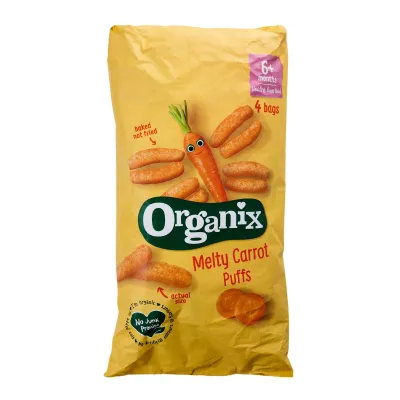
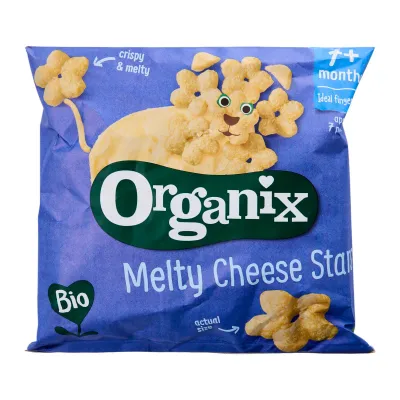
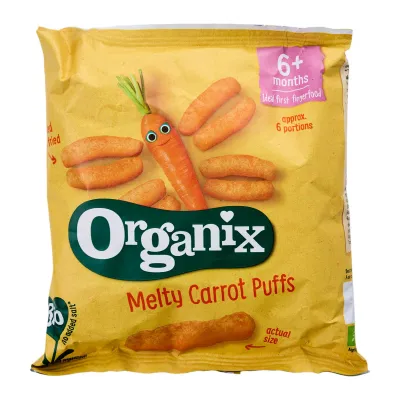
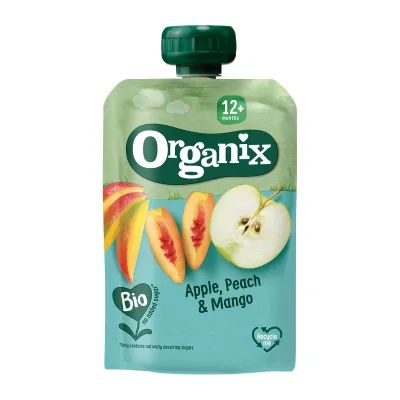
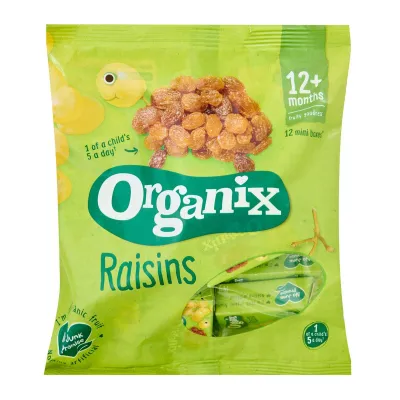
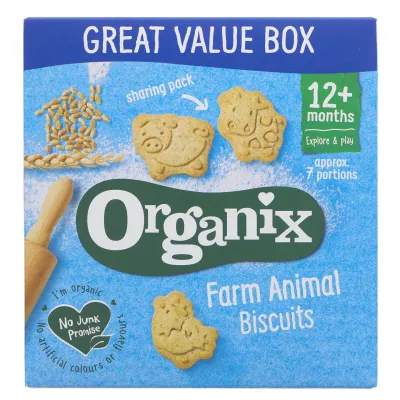
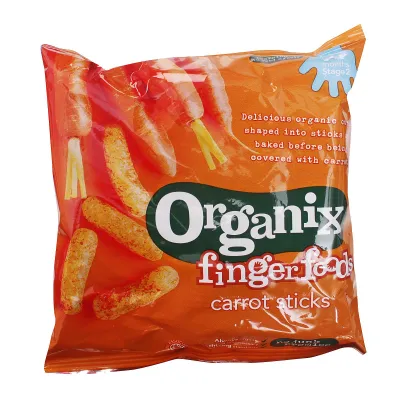
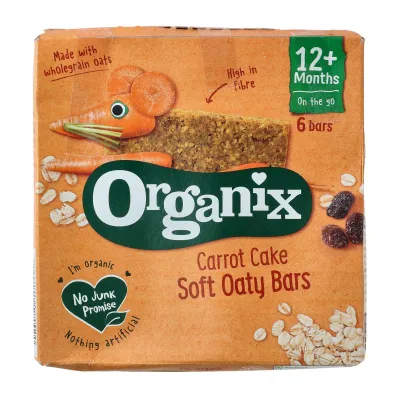
Prices are valid at publication and may change. Please refer to the product page for the latest price.
While age ranges are helpful benchmarks, they are merely guidelines. Every baby develops at their own pace, and texture readiness must dictate when you progress to more complex foods. Forcing a baby onto thicker textures before they can manage them increases the risk of choking and can create negative associations with eating.
Always consult your pediatrician, family doctor, or a child health nurse before introducing solid foods. This is especially critical if your baby was born prematurely, has developmental delays, or if there is a family history of food allergies, eczema, or asthma. A professional can provide a personalized timeline tailored to your child’s unique health profile.
Stage 1 (Around 6 Months): First Tastes and Smooth Purees
The primary goal of Stage 1 weaning is not to replace breast milk or formula, but to introduce the concept of eating from a spoon and to expose your baby’s palate to single, simple flavors. At this early stage, your baby’s digestive system is highly sensitive, and their swallowing mechanism is still adapting to non-liquid textures. Overwhelming them with complex blends or highly seasoned foods can lead to food rejection or digestive discomfort.

For beginners, the Organix range offers specialized products designed to make this transition gentle and safe. Look for the Organix First Tastes range, which includes single-grain cereal powders like organic baby rice or simple oat porridge, as well as single-ingredient fruit and vegetable purees. These basic, smooth pouches focus on single flavors—such as apple, pear, or sweet potato—allowing your baby to identify and accept individual tastes before experiencing mixed profiles.
Texture is paramount during these first few weeks of solid feeding. The food must be completely smooth, runny, and entirely free of lumps. A velvety consistency mimics the liquid diet your baby is accustomed to, reducing the likelihood of gagging or coughing. You can easily adjust the consistency of Organix cereal powders by mixing them with your baby’s usual breast milk or infant formula to achieve a familiar taste and a highly fluid texture.
When starting solids, introduce only one new ingredient at a time. Feed this single ingredient for three to five days before introducing another. This deliberate pace allows you to monitor your baby closely for any signs of an allergic reaction, such as hives, swelling, vomiting, or diarrhea. If you notice any unusual symptoms, stop feeding that food immediately and seek medical attention.
Active, undistracted adult supervision is mandatory during every single feeding session. Even when feeding ultra-smooth purees, keep your baby seated upright and watch them continuously. Avoid the temptation to force your baby to finish a pouch or jar. Let your baby guide the pace; signs that they have had enough include turning their head away, closing their mouth, or spitting the food out. Respecting these cues fosters healthy self-regulation from the very beginning.
Stage 2 (7 to 9 Months): Exploring Textures and Teething
As babies reach seven to nine months, they undergo a rapid developmental shift. They begin to develop stronger jaw muscles and learn to move food around their mouth with their tongue. Even if your baby does not have teeth yet, their gums are remarkably strong and fully capable of mashing soft textures. This stage is about moving away from completely smooth purees toward thicker, mashed, or slightly lumpy consistencies that actively encourage chewing motions.
Organix supports this transitional phase with products specifically formulated with more complex textures and flavor combinations. The Organix Stage 2 range includes mixed-ingredient pouches featuring thicker vegetable, fruit, and grain blends, as well as protein-rich options. Additionally, this is the stage where you can introduce Organix baby rusks and teething biscuits, which are designed to support self-feeding and provide comfort during teething.
Introducing Organix rusks or soft teething biscuits serves multiple developmental purposes. Holding a rusk and bringing it to their mouth helps your baby refine their hand-eye coordination and grasp. The firm texture of a rusk also offers soothing counter-pressure for sore, swollen teething gums. As the baby gnaws on the rusk, it slowly mixes with saliva and softens, allowing them to practice managing solid pieces in a controlled manner.
However, introducing finger foods requires strict safety boundaries to prevent choking. Safe finger foods are those that are soft enough to squash easily or designed to dissolve rapidly in the mouth with minimal moisture. Avoid hard, round, or sticky items such as whole grapes, raw carrot chunks, nuts, or thick nut butters, as these can easily block a baby’s small airway.
Never leave your baby unattended while they are eating or holding a rusk. Continuous, direct adult supervision is mandatory. Ensure your baby is seated completely upright in a highchair, and never allow them to crawl, walk, or lie down while chewing on a biscuit or rusk, as movement significantly increases the risk of accidental inhalation or choking.
Stage 3 (10 to 12 Months and Beyond): Chunky Meals and Finger Foods
By ten to twelve months, your baby is likely becoming a much more active participant at the dinner table. The focus of Stage 3 weaning is to foster independence, master the pincer grasp (picking up small objects between the thumb and forefinger), and transition toward eating family-style meals. Your baby’s chewing abilities are much more advanced, and they can handle distinct chunks of food within a sauce or meal.
To support this advanced stage, Organix offers chunky meals in convenient pots or jars, alongside a wide array of finger-food snacks like organic puffs, rice cakes, and soft oaty bars. These products feature complex flavor profiles and distinct, soft pieces of vegetables, grains, and proteins. They are designed to bridge the gap between baby food and the meals the rest of the household eats.
These structured products can complement Baby-Led Weaning (BLW) principles or be integrated into traditional spoon-feeding routines. For example, you can spoon-feed a chunky Organix meal while offering Organix rice cakes or puffcorn on the highchair tray for your baby to pick up and feed themselves. This dual approach keeps meals engaging and helps build the fine motor skills required for independent eating.
Before serving any commercial chunky meal or snack, you must verify its safety by performing a simple texture check. Take a piece of the chunky food or snack and press it firmly between your thumb and forefinger. It should squash easily with minimal pressure. If a piece feels hard, rubbery, or resistant to squashing, do not serve it to your baby, as their chewing skills may not be advanced enough to break it down safely.
At this stage, continue to protect your baby’s developing kidneys and digestive system by avoiding foods with added salt or sugar. Always read the ingredient list on any snack to ensure it aligns with clean eating standards. Additionally, maintain safe eating habits by ensuring your baby is always securely strapped and seated upright in their highchair during all meals and snack times.
Safety, Storage, and Reading Baby Food Labels
Commercial baby foods offer outstanding convenience, but maintaining their safety requires careful label reading and strict storage practices. When purchasing Organix or any other commercial baby food, start by inspecting the packaging. Look for the age-grading indicators (such as “6 months+” or “10 months+”) to ensure the texture is appropriate for your baby’s stage. Carefully read the ingredient list; high-quality baby foods should contain recognizable, whole-food ingredients without added sugars, artificial preservatives, or excessive sodium.
Proper storage is critical to prevent the growth of harmful bacteria, especially in warm and humid tropical climates like Singapore. Unopened pouches, jars, and snack boxes must be stored in a cool, dry pantry away from direct sunlight. Once a pouch or jar is opened, any unused portion must be refrigerated immediately. Check the manufacturer’s label for specific storage limits; most opened baby food must be consumed within 24 to 48 hours or discarded.
To prevent contamination, always practice the “spoon-feeding rule.” Never feed your baby directly from the pouch or jar if you intend to save the remainder for a future meal. Your baby’s saliva contains bacteria and enzymes that transfer from the spoon back into the container. These bacteria will rapidly multiply during storage, spoiling the food and posing a food poisoning risk. Instead, squeeze or spoon the desired portion into a clean bowl and refrigerate the tightly sealed original container immediately.
Finally, perform a physical inspection of the packaging before every single use. For jars, ensure the safety button on the lid is down and makes a distinct “pop” sound when opened, confirming the vacuum seal was intact. For pouches, inspect the plastic and seams for any signs of swelling, leaking, punctures, or damage. If a pouch is swollen or damaged, discard it immediately, as this indicates bacterial contamination or spoilage.
Frequently Asked Questions (FAQ)
Can I mix Organix pouches with homemade baby food?
Yes, mixing Organix pouches with homemade baby food is entirely safe and can be a highly practical strategy for busy parents. Combining a commercial puree with homemade mashed vegetables or grains is an excellent way to introduce new flavor profiles, adjust the consistency of a meal, or stretch your homemade batches. When mixing, always ensure that the final texture matches your baby’s current weaning stage and chewing capabilities. If you heat the mixture, stir it thoroughly to eliminate any localized hot spots, and test the temperature on the inside of your wrist before offering it to your baby.
Are Organix rusks safe for babies who do not have teeth yet?
Organix rusks and teething biscuits are safe for babies without teeth, provided they have reached the appropriate developmental milestones. These biscuits are specifically engineered to soften and dissolve rapidly when they come into contact with saliva and the pressure of a baby’s gums. However, they must only be given to babies who are at least seven months old, can sit up completely unassisted, and show active chewing motions. Continuous, direct adult supervision is mandatory whenever your baby is eating a rusk to ensure they do not break off a dry, unsoftened chunk that could present a choking hazard.
How do I know if my baby is ready to move to the next weaning stage?
Determining when to progress to the next weaning stage depends on observing your baby’s behavioral and physical cues rather than strictly following the calendar. Signs of readiness include your baby easily swallowing smooth purees without coughing or gagging, showing a keen interest in the food on your plate, reaching out to grab the spoon, and making active chewing or gnashing motions with their jaws when food is presented. If your baby comfortably manages their current texture and seems unsatisfied or hungry shortly after a meal, it may be time to gradually introduce the next texture level. Always progress at your baby’s individual pace, and consult your pediatrician if you are unsure.
Community discussion
Share your experience or ask a question. Comments are reviewed before publication.