
When introducing solids to your baby in Singapore, finding the right balance between nutrition, safety, and convenience is a top priority. Organic snacks offer a practical way to supplement your child’s diet while minimizing their exposure to synthetic pesticides, chemical fertilizers, and genetically modified organisms. However, because commercial baby snacks are processed for shelf stability, simply looking for an “organic” label is not enough. The ideal snack must align perfectly with your child’s physical development, oral motor skills, and nutritional needs at each specific age stage.
Selecting the right snacks requires understanding how your baby’s eating capabilities change from six months to toddlerhood. In the early stages, snacks serve primarily as tools for sensory exploration and motor skill practice rather than major sources of calories. As your child grows, these bites transition into essential energy bridges between their main meals. By matching the texture, size, and nutrient profile of organic snacks to your baby’s developmental milestones, you can support their growth safely and confidently.
How to Choose Safe and Nutritious Organic Snacks
Understanding what “organic” truly means is the first step to making informed choices at the grocery store. In the context of baby food, organic products are made from crops grown without synthetic chemical pesticides, herbicides, or petroleum-based fertilizers, and animals raised without routine antibiotics or growth hormones. They are also free from genetically modified organisms (GMOs). Choosing organic snacks helps limit your baby’s cumulative exposure to these synthetic residues during a period of rapid brain and organ development.
Products mentioned in this guide
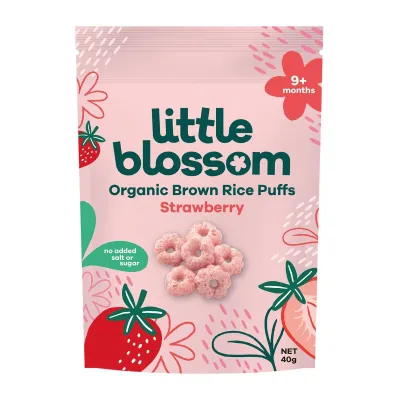
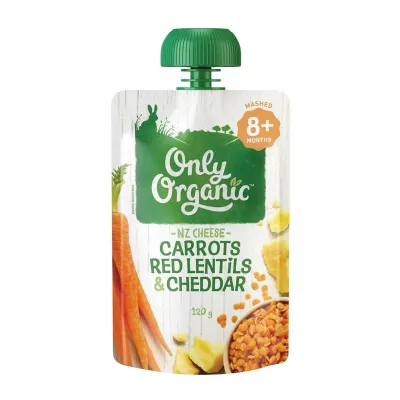
Prices are valid at publication and may change. Please refer to the product page for the latest price.
Because Singapore imports the vast majority of its packaged baby foods, you will rarely find a single local organic standard on the shelves. Instead, parents must learn to recognize and verify reputable international organic certification logos on product packaging. Look for trusted seals such as the USDA Organic logo (United States), the European Union’s Euro-leaf organic logo, Australian Certified Organic (ACO), the National Association for Sustainable Agriculture Australia (NASAA), or the Japanese Agricultural Standards (JAS) logo. These certifications guarantee that the product has met rigorous third-party standards from its country of origin.
Reading the ingredient list is far more important than relying on front-of-pack marketing claims. Prioritize products with short, transparent ingredient lists featuring recognizable, whole-food items. The first few ingredients listed should be nutrient-dense foods, such as organic whole grains, fruits, or vegetables. Avoid snacks that contain added sugars, which may appear under names like organic cane sugar, brown rice syrup, evaporated cane juice, or concentrated fruit juices used strictly for sweetening. Similarly, check the nutrition panel to ensure there is no added sodium or artificial preservatives, colors, or flavors.
Before purchasing any organic baby snack from local baby specialty shops, supermarkets, or online marketplaces, inspect the packaging thoroughly. Ensure that safety seals are completely intact, pouches are not bloated or leaking, and tins or boxes of puffs are airtight. Always verify the expiration date on the packaging. Additionally, because Singapore’s tropical climate is highly humid, open snack packages can absorb moisture rapidly, making them soggy and prone to mold. Always store opened snacks in airtight containers, keep them in a cool, dry place, and consume them within the manufacturer’s recommended timeframe.
Best Organic Snack Types for 6+ Months (First Tastes)
At six months of age, most babies are just beginning their solid food journey. At this stage, their oral motor skills are limited to swallowing smooth foods and pushing food from the front of the mouth to the back. They do not yet have the ability to chew or grind food, meaning that any snack introduced must require zero chewing and must dissolve or liquefy almost instantly when mixed with saliva to prevent choking.

Organic single-ingredient fruit or vegetable pouches are excellent options for this introductory phase. These purees offer a smooth, consistent texture that is easy for beginners to swallow. When choosing pouches, verify the manufacturer’s label to ensure they are certified organic and contain no added sugars, water, starches, or juice concentrates. Popular single-ingredient options include organic pumpkin, sweet potato, pear, apple, or prune purees. These simple profiles allow your baby to experience the true, unadulterated taste of individual whole foods.
Organic rice rusks or teething wafers are another suitable option for babies aged six months and older. These light, airy wafers are designed to dissolve rapidly upon contact with a baby’s gums and saliva, making them highly manageable for infants who are still developing their swallowing reflexes. When selecting teething wafers, always check the nutritional panel to ensure they have very low or zero sodium and do not contain added cane sugar or artificial flavorings. Ensure the packaging explicitly states that the product is suitable for the six-month-plus stage.
When introducing these first snacks, always follow the “three-day rule” by offering only one new ingredient at a time. Wait three to five days before introducing another new food to monitor your baby closely for any signs of food allergies or intolerances, such as skin rashes, hives, vomiting, or diarrhea. Always feed your baby while they are seated completely upright in a secured high chair, and never leave them unattended while eating. If you observe any adverse reactions, stop feeding the snack immediately and consult a pediatrician or visit a medical clinic.
Best Organic Snack Types for 8+ Months (Finger Foods)
Around eight months of age, babies typically experience significant developmental shifts. Many begin to sit independently, crawl, and develop the “pincer grasp”—the ability to pick up small objects using their thumb and index finger. This is also a highly active teething phase. At this stage, babies eagerly try to feed themselves, which helps develop their fine motor skills and hand-eye coordination.
Organic puffs and freeze-dried melts are highly popular finger foods for this stage. These small, bite-sized snacks are shaped specifically to help babies practice their pincer grasp. Puffs made from organic whole grains (such as oats, quinoa, or brown rice) and freeze-dried organic yogurt or fruit melts should have a highly porous, melt-in-the-mouth texture. It is vital to check the ingredient list for hidden sugars, as freeze-dried yogurt melts can sometimes contain surprisingly high amounts of added cane sugar or sweet syrups to enhance their flavor.
Organic soft-baked biscuits or teething sticks are also suitable for babies eight months and older who are actively teething. These biscuits should have a unique, firm texture that allows the baby to gnaw on them to soothe sore gums, yet they must soften quickly with saliva. They must not snap, splinter, or break into hard, sharp, or large chunks that could easily lodge in the baby’s throat. Always verify that the product is certified organic and specifically formulated for infants eight months or older.
Even as your baby becomes more adept at self-feeding, safety boundaries must remain strict. Adult supervision is mandatory during every snack time. Ensure your baby is sitting completely upright in their high chair and never allow them to eat while crawling, walking, playing, or lying down. If a biscuit or wafer breaks into a large, unmanageable piece in your baby’s mouth, calmly help them remove it. Always keep clean water nearby to help them wash down their food safely.
Best Organic Snack Types for 12+ Months (Toddler Bites)
By twelve months, toddlers have typically transitioned to a diet that closely resembles the family’s meals. They usually have several teeth, improved chewing and grinding abilities, and significantly higher daily energy expenditure due to walking and active play. Toddlers are also beginning to assert their independence and form distinct taste preferences, meaning they require snacks with more complex flavors and varied textures.
Organic fruit leathers, fruit strips, or gently dried fruit pieces are convenient, portable options for active toddlers. These snacks provide a chewy texture that helps toddlers practice their advanced chewing skills. However, parents must exercise caution when selecting these products. Verify that the fruit leathers or strips are made from 100% organic fruit puree with absolutely no added sugar syrups, corn syrup, artificial colorings, or sulfur dioxide (a preservative often used in conventional dried fruits). Because these snacks are sticky, encourage your toddler to drink water afterward to help rinse their teeth.
Organic toddler cereal bars, mini muffins, or oat-based cookies are excellent for providing sustained energy during outdoor play at Singapore’s parks or indoor playgrounds. These snacks should be made with organic whole grains, such as rolled oats or whole wheat flour, and sweetened naturally with real fruit pieces or purees. Always inspect the physical size and texture of these baked goods. Ensure they are soft enough to chew easily and do not contain whole nuts, whole seeds, or large, tough chunks of dried fruit, which continue to present a severe choking hazard for young toddlers.
While toddlers require frequent energy boosts, organic snacks should never replace balanced main meals. Position snacks as small, nutrient-dense bridges designed to satisfy hunger between meals and milk feeds, rather than as a reward or distraction. To protect your toddler’s appetite for their main meals, establish a consistent feeding schedule and avoid offering snacks within one and a half to two hours of lunch or dinner.
Red Flags: What to Avoid in Commercial Baby Snacks
Navigating the baby food aisle requires a critical eye, as many commercial snacks feature packaging designed to appeal to health-conscious parents while hiding less-than-ideal ingredients. One of the most common red flags is the presence of hidden sugars and high sodium. Manufacturers often use terms like “organic brown rice syrup,” “organic agave nectar,” “organic cane syrup,” or “grape juice concentrate” to make added sugars sound natural. Savory snacks, such as veggie straws or crackers, can also contain high levels of added sodium or savory seasonings that are inappropriate for a baby’s developing kidneys, which require less than 0.4 grams of sodium per day under twelve months of age.
Choking hazards are a critical safety concern that parents must actively manage, regardless of whether a product is organic. Never give your baby or toddler snacks that do not align with their chewing capabilities. Completely avoid high-risk items such as whole nuts, whole seeds, popcorn, hard candies, whole grapes, cherry tomatoes (unless cut into quarters), or large, hard chunks of raw vegetables like carrots and apples. Always read the age recommendations on commercial snack packaging, but remember to prioritize your child’s actual developmental readiness over the age printed on the box.
Misleading labels are another common pitfall in the commercial baby food market. It is crucial to understand that terms like “natural,” “all-natural,” or “made with real fruit” are marketing descriptions and do not carry the legal weight or strict regulations of a certified organic label. Additionally, a label claiming “no added sugar” does not automatically mean the product is low in sugar. Freeze-dried fruits, fruit concentrates, and purees inherently contain high concentrations of natural fruit sugars, which can still contribute to tooth decay and train your child’s palate to prefer excessively sweet flavors. Always verify the total sugar content on the nutrition information panel.
Frequently Asked Questions (FAQ)
Are organic snacks strictly necessary for babies?
While organic snacks are highly beneficial because they reduce your baby’s exposure to synthetic chemical residues, they are not strictly mandatory for a healthy, balanced diet. Providing safe textures, avoiding added sugars and sodium, and offering a wide variety of nutrient-dense whole foods are far more critical to your baby’s long-term health than the organic label alone. If certified organic snacks are outside your family’s budget, purchasing conventional whole fruits and vegetables—then washing, peeling, and preparing them safely at home—is an excellent, nutritious alternative.
How many snacks should a baby have per day?
For infants aged six to eight months, breastmilk or formula and their main solid meals should remain the primary focus; snacks are generally unnecessary at this stage unless used occasionally for teething relief or sensory practice. Between eight and eleven months, you may introduce one small, age-appropriate snack per day if your baby shows signs of hunger between their regular milk feeds and solid meals. Once your child reaches twelve months and transitions into toddlerhood, their feeding rhythm can naturally include three main meals and one to two small, nutrient-dense snacks per day to support their active growth and energy needs.
Community discussion
Share your experience or ask a question. Comments are reviewed before publication.