
Quick Answer: Finding the Right Fit for Your Nursing Chair
Selecting the ideal nursing pillow for long feeding sessions is not about finding a single, universally acclaimed brand. Instead, the right choice depends on how a pillow interacts with your specific nursing chair, your body shape, and your baby’s developmental stage. A pillow that feels luxurious on a spacious sofa may become cramped or distorted when wedged between the fixed armrests of a compact nursery glider.
To achieve lasting comfort during extended feeds, prioritize firm core support and a secure, adjustable wraparound design over brand prestige. A high-quality pillow must elevate your baby to breast or bottle height without sagging, allowing your shoulders and neck to remain fully relaxed. Before purchasing, always check manufacturer specifications for exact dimensions, strap adjustability, and cover materials to ensure a proper fit.
Why Nursing Chair Compatibility Matters for Long Feeds
During the first few months, feeding sessions can easily last up to 40 minutes and occur multiple times a day. Sitting in a dedicated nursing chair provides essential back support, but the physical relationship between the chair’s armrests, the seat depth, and your nursing pillow is critical. If these elements do not align, what should be a comfortable experience can quickly lead to chronic physical strain.
Products mentioned in this guide
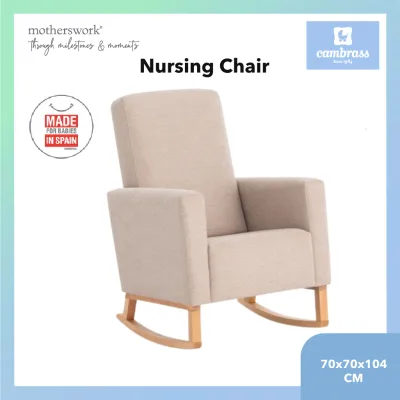
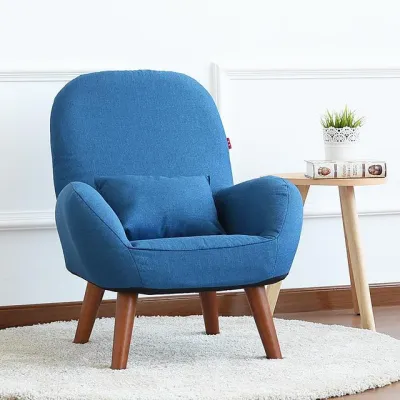
![[CozyNest ]High-quality nursing chair single-seater recliner sofa maternity recliner lazy chair for bedroom bedside balcony leisure sofa](https://img.lazcdn.com/g/p/33db817bfaca9ceb18417369a7b3441c.jpg_400x400q80.jpg_.webp)
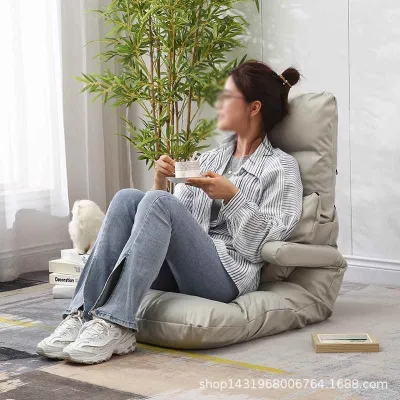
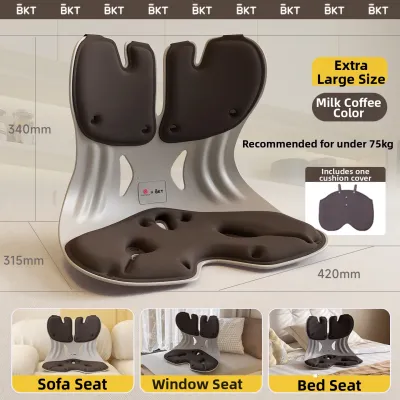
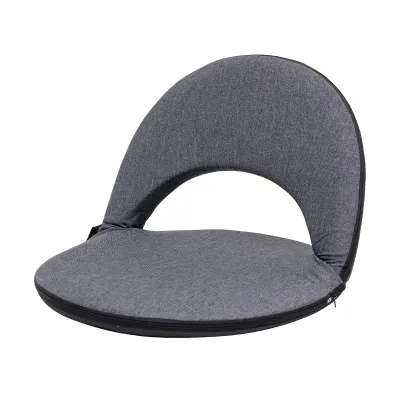
Prices are valid at publication and may change. Please refer to the product page for the latest price.

The fixed armrests of a standard nursing chair present a unique structural challenge. When a nursing pillow is too wide, the armrests compress the sides of the pillow. This compression either forces the middle of the pillow to bow upward—creating an unstable, sloped surface—or jams the pillow against your abdomen. Conversely, if the pillow is too narrow, frustrating gaps can form, causing the baby to slide outward and forcing you to hold them up with raw arm strength.
Without proper alignment, caregivers often fall victim to the ‘nursing slouch.’ This occurs when a pillow is too low or loses its loft under the baby’s weight, prompting you to hunch your shoulders and lean forward to facilitate a proper latch. Over time, this repetitive forward-leaning posture strains the neck and upper back muscles.
In compact living environments, such as apartments in Singapore where space-saving gliders are common, finding a streamlined pillow that fits neatly within the seat boundaries is especially important. A well-matched pillow rests flat on your lap, fills the space between your body and the armrests, and brings your baby directly to the correct height. This setup allows your elbows to rest naturally on the chair’s armrests, eliminating the need to support the baby’s weight with your arms.
Key Features to Compare Across Nursing Pillow Brands
When evaluating different nursing pillow brands, focus on the underlying engineering and material specifications rather than aesthetic designs.
Firmness and Core Material
The interior filling of a nursing pillow determines how well it maintains its height over months of daily use.
- High-Density Polyurethane Foam: This material offers a flat, firm, and highly stable platform. It does not sag or compress under your baby's weight, ensuring they remain at the correct height throughout the feed. This consistent elevation is particularly beneficial for newborns who need precise positioning to maintain an open airway.
- Polyester Fiberfill: Pillows stuffed with fiberfill offer a softer, more traditional cushion feel. While they are highly moldable, they tend to compress and develop hollow spots over time. If you choose a fiberfill brand, ensure it is densely packed to prevent the baby from sinking too deeply during long sessions.
- Expanded Polystyrene (EPS) Microbeads: These tiny beads shift dynamically to conform to your baby's body shape. While they provide customized contouring, they can sometimes shift too much, reducing the overall height of the support.
Adjustability and Straps
A secure fit is essential for preventing the pillow from drifting away from your body when you lean back into your nursing chair.
- Adjustable Waist Straps: Look for brands that feature integrated straps with buckles or clasps. These allow you to cinch the pillow tightly around your waist, ensuring it moves with you and remains flush against your torso.
- Silent-Release Clasps: If the strap uses a buckle, check if it can be released quietly. Loud hook-and-loop fasteners (Velcro) or snapping plastic buckles can easily wake a baby who has drifted off to sleep at the end of a long feed.
Cover Fabric and Breathability
Because feeding involves close, prolonged skin-to-skin contact, the cover material plays a massive role in temperature regulation.
- Natural Cotton and Bamboo Rayon: These fabrics are highly breathable, soft, and excellent at wicking away moisture. In warm, humid climates like Singapore, bamboo-derived fabrics are particularly valued for their natural cooling properties.
- Removable, Machine-Washable Designs: Spills, spit-up, and diaper leaks are inevitable. Ensure the brand you select features a durable, zippered cover that can be easily removed and washed without shrinking.
Evaluating Popular Nursing Pillow Shapes for Chair Use
Nursing pillow brands generally design their products around a few core shapes. Each shape interacts differently with the confined space of a nursing chair.
C-Shaped / Wraparound Pillows
The classic C-shaped pillow is designed to slide around your waist from the front. It is highly popular due to its simplicity and ease of use.
- Performance in a Chair: Because they are relatively compact, C-shaped pillows fit exceptionally well in most standard nursing chairs and gliders. They rest neatly on your lap without spilling over the sides of the seat.
- Limitations: Without an adjustable back strap, a C-shaped pillow can slowly slide forward as you lean back into a deep chair seat. This creates a gap between your stomach and the pillow, causing the baby to roll inward. Look for C-shaped brands that include a waist belt to secure the ends behind your back.
U-Shaped / Full-Body Pillows
These larger pillows wrap around your side and extend behind your back, providing comprehensive support.
- Performance in a Chair: U-shaped pillows excel at providing integrated lumbar support. By filling the gap between your lower back and the chair's backrest, they help maintain a healthy spinal alignment and reduce lower back fatigue during long feeds.
- Limitations: Their extensive footprint can make them incredibly bulky. In narrower nursing chairs, a U-shaped pillow can crowd the seating area, forcing your arms into awkward, elevated positions.
Wedge or Adjustable Pillows
These modular designs feature stackable layers, adjustable foam inserts, or angled wedges that can be rearranged.
- Performance in a Chair: Modular pillows offer unmatched height customization. If your nursing chair has unusually low armrests, you can stack the layers to elevate your baby to the exact height of your breast.
- Limitations: Managing multiple loose fabric layers or foam inserts can be cumbersome, especially when you are trying to settle a fussy baby with one hand.
Decision Framework: Which Pillow Type Suits Your Feeding Style?
To make a confident purchase, use this practical framework to match a nursing pillow type to your specific physical setup and feeding habits.
- Choose a firm, C-shaped wraparound pillow with an adjustable strap if: Your nursing chair has standard or low armrests, you have a compact nursery space, and your primary goal is to prevent the pillow from sliding forward in a deep seat. This combination offers the most streamlined, secure, and space-efficient setup.
- Choose a U-shaped or thicker pillow with integrated lumbar support if: Your nursing chair has a very deep seat that leaves your lower back unsupported, and you frequently experience lower back pain during long feeding sessions. The extra rear cushioning will help you sit upright without needing additional throw pillows.
- Choose an adjustable or modular layered pillow if: You and your partner both plan to use the same nursing chair but have significantly different torso lengths, or if you plan to transition the pillow between a low nursery glider and a high living room sofa.
- Verify before you buy: Before finalizing your order on any online marketplace or brand website, measure the interior width between your nursing chair's armrests. Compare this measurement directly with the outer width of the pillow. Additionally, verify the retailer's return and exchange policy so you can safely test the physical fit and firmness in your own chair at home.
Frequently Asked Questions (FAQ)
Can I use a regular bed pillow instead of a branded nursing pillow in my nursing chair?
While using a standard bed pillow or a household throw cushion is tempting, it rarely provides the ergonomic support needed for long feeding sessions. Standard bed pillows are designed to be soft and compressible; they quickly flatten under a baby’s weight, forcing you to hunch forward to maintain the feed.
Furthermore, regular pillows lack a structured shape and tend to slide around on the slick fabric of a nursing chair. This constant shifting requires you to use your arms and shoulders to keep both the pillow and the baby in place, leading to muscle fatigue and tension. A dedicated nursing pillow is engineered to distribute the baby’s weight evenly and remain securely positioned against your body.
How do I clean a nursing pillow after long feeding sessions?
Maintaining proper hygiene is essential, as nursing pillows are frequently exposed to milk spills, spit-up, and sweat. Always consult the manufacturer’s care label attached to your specific pillow before cleaning, as instructions vary significantly by material.
For most brands, the outer fabric cover can be zipped off and machine-washed on a gentle cycle using a mild, baby-safe detergent. To preserve the fabric’s softness and prevent shrinkage, air-drying is highly recommended. For the inner core, high-density foam should never be submerged in water or placed in a washing machine, as trapped moisture can lead to internal mold growth—a common issue in humid climates. Instead, spot-clean the inner core with a damp cloth and mild soap, then allow it to dry completely in a well-ventilated area away from direct sunlight.
Community discussion
Share your experience or ask a question. Comments are reviewed before publication.