
Trimming an infant’s tiny, paper-thin nails can be one of the most nerve-wracking tasks for any new parent. Because their fingers are so small and their movements are highly unpredictable, choosing the correct nail clipper for baby is essential to prevent accidental nicks and cuts. The ideal tool is not a one-size-fits-all solution; instead, it must adapt to your child’s physical development, nail texture, and changing motor skills as they grow from a delicate newborn into an active, independent toddler.
Using the wrong tool can lead to painful accidents, skin infections, or a lasting fear of nail trimming for your child. By understanding how baby nails change over time and selecting tools designed specifically for each developmental milestone, you can transform a stressful chore into a safe, routine bonding experience. This comprehensive guide breaks down the best nail care tools for every stage of your child’s early years, highlighting the key safety features to verify before making a purchase.
Why Your Baby’s Age Dictates the Right Nail Clipper
Your child’s nails undergo a dramatic physical evolution during the first three years of life. At birth, a newborn’s nails are incredibly soft, flexible, and thin, often resembling paper. They grow at an astonishing rate, sometimes requiring trimming multiple times a week to prevent the baby from scratching their own face. Because these nails are so pliable and closely attached to the surrounding skin, traditional clipping tools can easily catch the delicate nail bed, causing pain and bleeding.
Products mentioned in this guide
![[SG SELLER] Electric Baby Nail Trimmer with LED Light 6 in 1 Baby Nail File Kit No Claws Hurt for Newborn Toddler](https://img.lazcdn.com/g/p/02552c6b2758eefb2cb6fa7e9c4e898d.jpg_400x400q80.jpg_.webp)
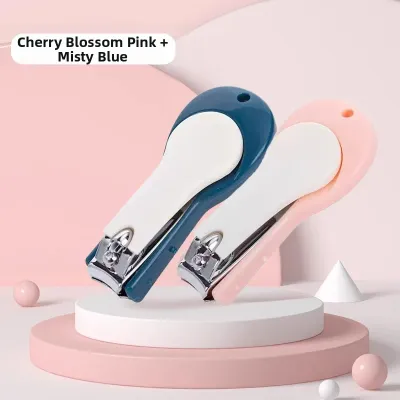
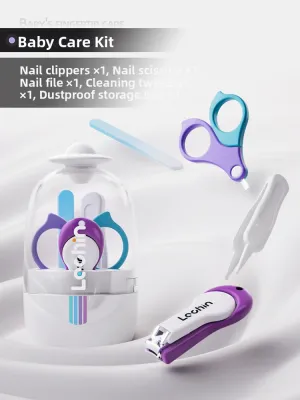
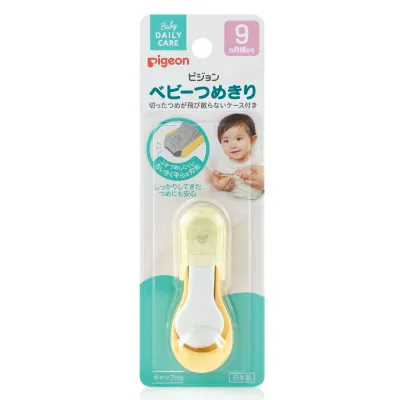
Prices are valid at publication and may change. Please refer to the product page for the latest price.
As your baby reaches the infant stage between three and twelve months, their nails gradually begin to harden. The nail plate becomes more distinct from the underlying skin, but the fingers remain exceptionally small. During this period, babies also develop increased motor skills, meaning they are constantly squirming, rolling, and pulling their hands away. This physical activity introduces a high level of unpredictability to the trimming process, requiring tools that offer superior visibility and control.
By the time your child transitions into toddlerhood, from one to three years of age, their nails have hardened significantly. The nails are now thick enough to resist soft files and thin scissors, requiring a tool with sufficient cutting leverage to slice through the nail cleanly without tearing it. Toddlers also possess strong wills and physical strength, often actively resisting nail care, which demands highly efficient tools that get the job done quickly and safely.
Using adult nail clippers on infants or young children is highly discouraged by pediatricians and safety experts. Adult clippers feature wide, relatively flat blades designed for large, thick nails. When applied to a baby’s tiny, curved fingers, these straight blades cannot conform to the natural arc of the child’s nail bed. This design mismatch significantly increases the risk of slicing into the sensitive skin of the finger pad or causing painful ingrown nails.
Ultimately, the best nail care tool is not a single product that lasts from birth to preschool. Instead, it is a shifting set of tools that match your child’s current physical traits and your own comfort level as a caregiver. Transitioning to new tools as your baby’s nails thicken and their behavior changes ensures that you always maintain the highest standard of safety and efficiency.
Best Nail Care Tools for Newborns (0–3 Months)
During the first few weeks of life, a newborn’s nails are so soft and thin that they often peel naturally. However, they can still be sharp enough to cause deep scratches on the baby’s sensitive facial skin. For this delicate stage, the primary nail care tools recommended by experts are rounded baby nail scissors and low-speed electric nail files.

Rounded Baby Nail Scissors
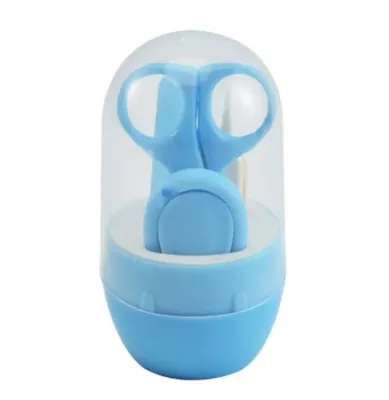
Baby nail scissors differ significantly from standard household scissors. They feature short, thin blades with completely rounded, blunt tips to prevent accidental punctures if the baby suddenly twitches.
- The Pros: Scissors offer exceptional precision, allowing you to see exactly where the blade meets the nail. They cut cleanly without putting pressure on the nail bed, which is ideal for paper-thin newborn nails that might bend under the force of a clipper.
- The Cons: Using scissors requires a steady hand and a relatively calm baby. If your infant is highly active or prone to sudden startle reflexes, maneuvering scissors can still feel intimidating for some caregivers.
Low-Speed Electric Nail Files
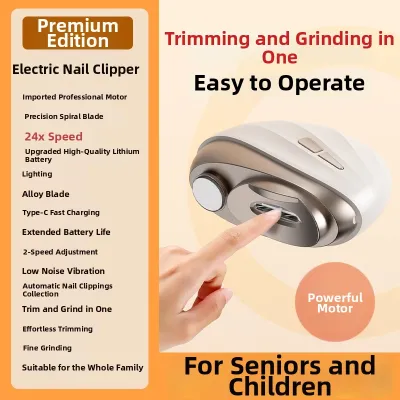
Electric nail files, often called electric nail trimmers, use rotating, cushioned filing pads to gently wear down the nail edge rather than cutting it.
- The Pros: These devices are incredibly forgiving. If the rotating pad accidentally touches the baby's skin, it stops or simply slips off without causing pain or breaking the skin. This makes them an excellent confidence-builder for nervous parents.
- The Cons: Filing takes significantly longer than cutting. Additionally, electric trimmers require batteries or regular charging, and the motor's subtle vibration or humming sound can occasionally startle sensitive newborns.
Before purchasing or using any newborn nail care tool, always verify the manufacturer’s minimum age and weight recommendations on the product packaging. Some electric files come with color-coded pads designed specifically for different age brackets, starting from zero months. Ensuring you are using the correct pad grit prevents accidental abrasion of the soft skin surrounding the nail plate.
Selecting a Nail Clipper for Baby: Options for Active Infants (3–12 Months)
As your baby crosses the three-month mark, their nails begin to lose their paper-like quality and harden into a more defined nail plate. At the same time, your baby is discovering their hands, reaching for objects, and becoming far more active. This stage requires a transition to tools that offer enhanced safety controls and physical stability.
For this active phase, specialized baby nail clippers equipped with safety guards or built-in magnifying glasses are highly effective. These features are designed to mitigate the risks associated with a squirming, highly mobile infant.
Clippers with Safety Guards
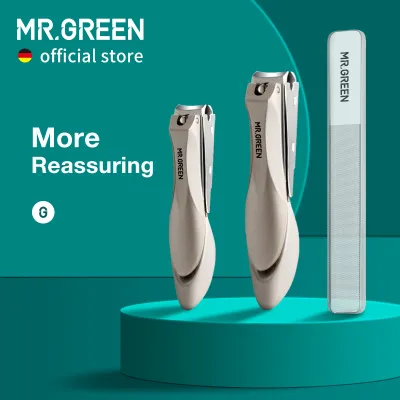
These clippers feature a physical barrier or “bridge” behind the cutting edge. This guard limits the amount of nail that can enter the clipper’s jaw, preventing you from cutting too close to the quick or clipping the skin of the finger pad.
Clippers with Magnifying Glasses
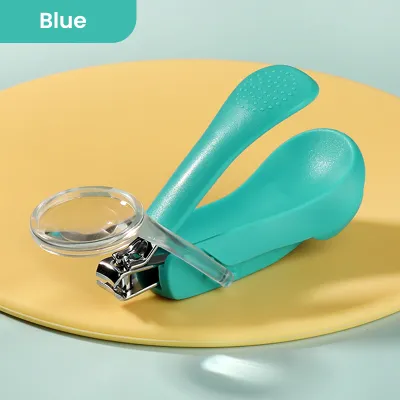
Many infant-specific clippers feature an integrated magnifying lens that folds out over the cutting area. This lens enlarges the view of the tiny nail, helping you clearly distinguish between the nail edge and the underlying skin, even in low-light conditions.
Ergonomic and Non-Slip Grips
The physical challenge of trimming an infant’s nails is often exacerbated by the small size of the tool. Infant clippers should feature large, ergonomic handles wrapped in non-slip silicone or textured plastic. This design allows the caregiver to maintain a secure, steady grip with their entire hand, reducing the likelihood of the tool slipping if the baby makes a sudden, unexpected movement.
Knowing when to transition from newborn scissors to infant clippers depends on two main factors: nail hardness and your personal confidence. If you notice that the baby nail scissors are beginning to bend or tear the nail rather than cutting through it cleanly, it is a clear sign that the nail has hardened sufficiently for a clipper. If you feel comfortable holding the baby’s finger firmly while operating a clipper, you can safely make the switch.
Best Nail Clippers for Toddlers (1–3 Years)
By the time your child reaches one year of age, their nails are substantially thicker and tougher. Toddlers are also highly independent, often expressing strong resistance to sitting still for grooming routines. Trimming toddler nails requires robust tools that can slice through tough nails quickly, combined with smart behavioral strategies.
To handle the thickness of toddler nails, you should transition to standard baby nail clippers with wider jaws and sturdy metal hinges. These clippers provide the necessary physical leverage to make clean, swift cuts without splitting or crushing the nail. Look for models with a slightly curved cutting edge that matches the natural shape of a toddler’s growing nail bed.
If your toddler experiences high anxiety during nail trimming, high-speed electric nail files can be a valuable alternative. Ensure the device has adjustable speed settings; a higher speed is necessary to file down thicker toddler nails efficiently. Many toddler-specific electric files are designed with quiet motors to minimize noise anxiety, and some feature playful shapes or bright colors to help distract the child.
Dealing with toddler resistance requires patience and strategic planning. Consider these practical approaches to make the process smoother:
- The Sleep Method: Trim your toddler's nails during deep sleep, such as naptime or early evening. This eliminates squirming entirely and allows you to work carefully and quietly.
- Distraction and Entertainment: Use a favorite song, a captivating story, or a brief period of safe screen time to keep your toddler's attention focused away from their hands.
- The Copycat Game: Let your toddler watch you trim your own nails first, or pretend to trim a stuffed animal's claws to normalize the activity and reduce fear.
Watch for physical signs that indicate your child is ready to transition from baby clippers to junior-sized or standard children’s nail clippers. If the jaw opening of the baby clipper is too narrow to easily fit the thickness of your toddler’s nail, or if the clipper blade is physically too short to span the width of the toddler’s fingernail in a single cut, it is time to upgrade to a slightly larger junior model.
Crucial Safety Features to Verify Before Purchase
When shopping for a nail clipper for baby, it is easy to get overwhelmed by the sheer variety of products available. To ensure you choose a tool that is genuinely safe and effective, always verify the presence of key physical design elements and quality materials rather than relying on marketing claims.
Essential Design Features
- Rounded Edges: Every part of the tool, including the plastic housing and the tips of the blades, must be completely rounded to prevent accidental scratches.
- Safety Guards and Apertures: Look for clippers with restricted openings that physically prevent a baby's finger from being inserted too deeply into the cutting zone.
- Integrated LED Lights: A small, built-in light that illuminates the nail area is incredibly helpful for trimming nails during sleep or in dimly lit rooms.
Material Considerations
- High-Quality Stainless Steel: The cutting blades must be made of rust-resistant, medical-grade stainless steel. Dull blades made of cheap metals will tear or crush the nail, leaving jagged edges that can catch on clothing and scratch the baby's skin.
- BPA-Free Plastics: Ensure that all plastic handles, housings, and accessories are free from Bisphenol A (BPA) and other toxic chemicals, as babies frequently put their hands and nearby objects directly into their mouths.
Safety Certifications and Compliance
Always look for verified safety standard labels and compliance marks on the product packaging or the official brand website. In Singapore, reputable baby products often carry recognized international safety certifications (such as the CE mark in Europe) indicating they have undergone rigorous testing for material safety and structural integrity.
Avoid purchasing unbranded, cheap nail care sets from unverified online marketplaces. These products often bypass quality control standards, resulting in blades that are misaligned, dull, or made with materials that do not meet consumer safety regulations. Investing in a reputable, certified brand ensures that the tool is physically safe for your child’s delicate skin.
Safe Trimming Techniques and First Aid for Minor Nicks
Even with the safest tools, executing the proper technique is vital to ensure a successful and injury-free trim. Implementing a systematic approach and knowing how to handle minor accidents will keep both you and your baby calm.
The Best Times to Trim
Timing is everything when it comes to baby nail care. The absolute best time to trim is immediately after a bath, as the warm water softens the nails, making them much easier to cut cleanly. Alternatively, trimming while your baby is in a deep sleep ensures they remain completely still, minimizing the risk of sudden movements.
Proper Holding Technique
To secure your baby’s hand, sit in a well-lit area and hold their hand firmly but gently. Isolate one finger at a time. Use your thumb to gently push the skin pad of the finger downward and away from the nail edge. This “pinch and pull” technique creates a clear space between the nail and the skin, ensuring the clipper blade only contacts the nail plate.
First Aid for Minor Nicks
If an accident occurs and you nick the skin, try not to panic. Babies pick up on parental anxiety, and a calm response will help soothe them quickly. Follow these low-risk first-aid steps:
- Apply Pressure: Immediately wrap a clean, damp cloth or sterile gauze around the finger and apply gentle, steady pressure. Most minor nicks will stop bleeding within a few minutes.
- Clean the Area: Once the bleeding stops, gently wash the area with mild soap and warm water. In Singapore's humid climate, keeping minor cuts clean and dry is particularly important to prevent localized bacterial growth.
- Keep it Bare: Do not apply liquid bandages, harsh chemical antiseptics, or adult adhesive plasters to a baby's finger. Because babies constantly put their hands in their mouths, adhesive bandages pose a severe choking hazard, and liquid chemical coatings can be ingested.
Monitor the finger closely over the next few days. If the bleeding does not stop after several minutes of direct pressure, if the cut appears deep, or if you notice signs of infection—such as localized redness, swelling, warmth, or pus—consult a pediatrician or seek professional medical advice immediately.
Frequently Asked Questions (FAQ)
Can I use regular adult nail clippers on my toddler?
No, you should avoid using regular adult nail clippers on your toddler. Adult clippers have wide, relatively straight blades that do not conform to the small, highly curved nail beds of young children. Using them greatly increases the risk of cutting the delicate skin surrounding the nail or causing painful ingrown nails. Always use clippers designed specifically for children, which feature smaller, curved blades and safety features tailored to their anatomy.
How often should I trim my baby's nails?
Fingernails grow much faster than toenails and typically require trimming once or twice a week during infancy to prevent accidental scratching. Toenails grow at a slower rate and generally only need to be trimmed once or twice a month. Rather than strictly following a calendar, physically observe the length and sharpness of your baby’s nails to determine when a trim is necessary.
Is an electric nail file safe for a newborn?
Yes, electric nail files are highly safe for newborns if they are designed specifically for infants and feature ultra-soft, low-grit filing pads. These devices are engineered to stop rotating if they make contact with skin, preventing cuts. Always check the manufacturer’s age guidelines to ensure you are using the correct pad grit, and test the device on your own skin first to familiarize yourself with the level of friction and vibration.
Community discussion
Share your experience or ask a question. Comments are reviewed before publication.