
As your body changes to accommodate your growing baby, the physical demands of pregnancy can lead to unfamiliar aches and structural strain. Finding relief often comes down to choosing the right maternity support belt—a targeted garment designed to lift the abdomen, stabilize the pelvis, and redistribute weight. However, because your body undergoes distinct anatomical shifts in each trimester, a single style of support belt rarely suffices for the entire nine-month journey.
Matching the correct belt type to your specific stage of pregnancy and your unique pain points is the key to maintaining mobility and comfort. In the early weeks, you might only require light, flexible support to manage bloating and mild postural changes. As your bump grows more prominent in the second and third trimesters, your needs will shift toward structured cradle bands or highly specialized pelvic stabilizers. Understanding these differences allows you to make an informed, safe choice that supports both your comfort and your baby’s development.
When to Use a Maternity Support Belt and Safety Guidelines
A maternity support belt works primarily by redistributing the weight of your growing uterus across your lower back, hips, and abdomen. By providing an upward lift to the bump, these garments reduce the downward gravitational pull that strains your lower lumbar spine and stretches abdominal muscles. Additionally, they help stabilize the pelvic girdle, which becomes increasingly mobile due to the pregnancy hormone relaxin softening your ligaments.
Products mentioned in this guide
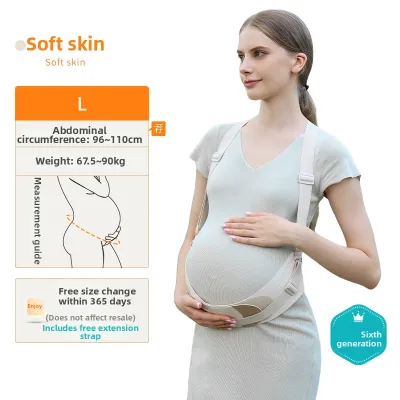
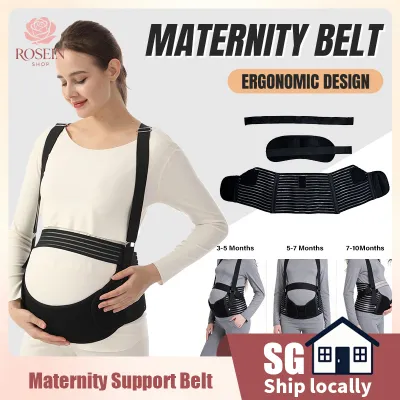
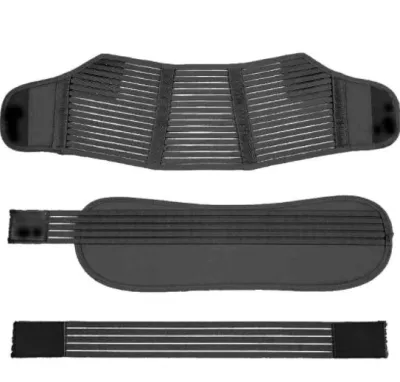
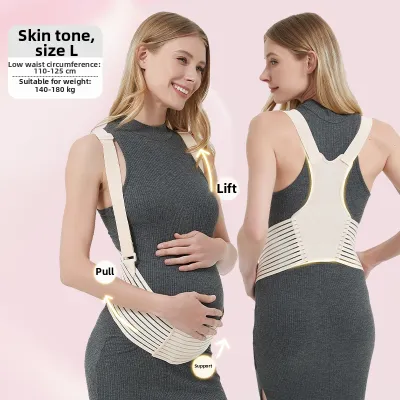
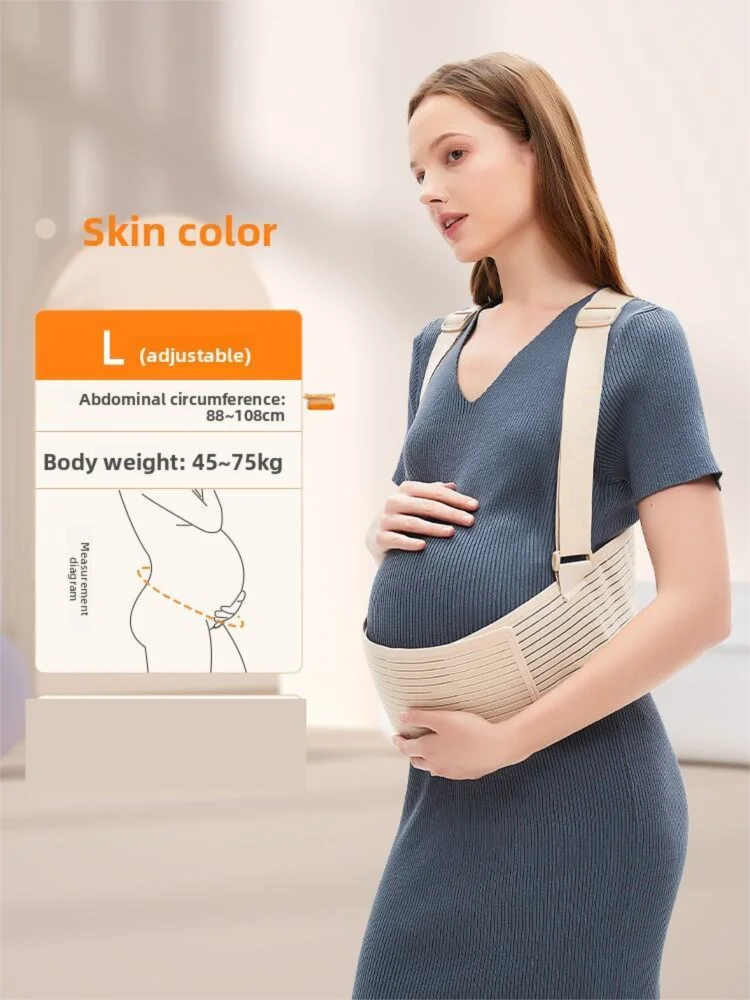
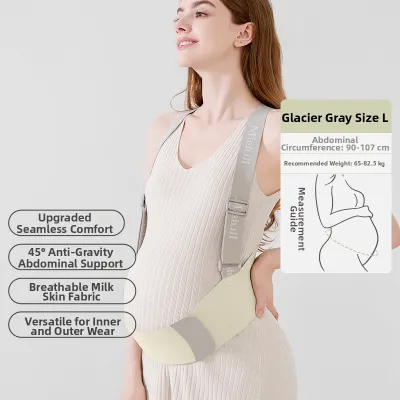
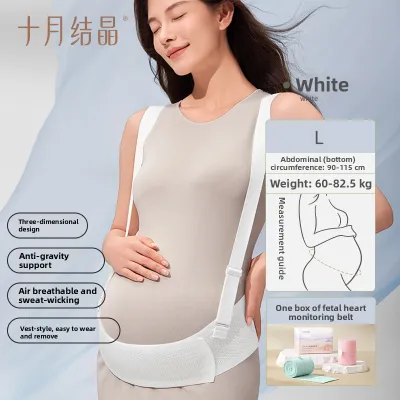
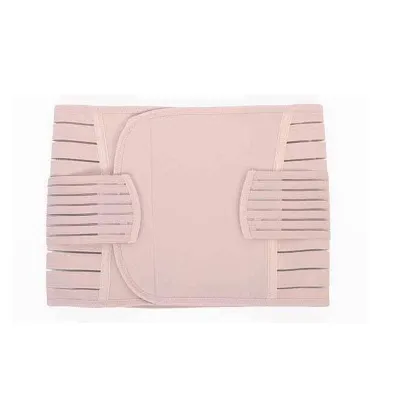
Prices are valid at publication and may change. Please refer to the product page for the latest price.
While these support garments are highly effective at managing everyday pregnancy discomforts, they are not a cure for underlying medical conditions. They should be viewed as temporary, supplementary tools to assist your mobility rather than a standalone solution for severe pain. Utilizing a belt can help you remain active and comfortable, but it must be paired with mindful movement and proper posture.
Before purchasing or wearing any compression or support garment, it is critical to consult your OB/GYN, midwife, or a qualified women’s health physiotherapist. This is especially vital if you have a high-risk pregnancy, experience vaginal bleeding, suffer from preeclampsia, or feel regular uterine contractions. A healthcare professional can confirm whether a support belt is safe for your specific obstetric profile and guide you on the correct placement.
When used correctly, maternity support belts are considered low-risk, non-invasive, and reversible aids. However, improper use poses distinct risks to both you and your baby. Wearing a belt too tightly or positioning it incorrectly can restrict blood circulation, compress major blood vessels, or potentially affect fetal positioning. Always prioritize comfort and safety over maximum compression, and stop using the belt immediately if you experience dizziness, shortness of breath, or increased pelvic pain.
Best Belt Types for Each Trimester
Your pregnancy journey is marked by rapid physical transformations, meaning the support your body requires at twelve weeks will look vastly different from what it needs at thirty-six weeks. To maximize comfort and avoid unnecessary restriction, it is helpful to view support garments as a modular system that evolves alongside your baby bump.

First Trimester: Light Compression and Posture Support
During the first trimester, your baby bump is still nestled deep within the pelvis, meaning heavy-duty lifting support is entirely unnecessary. However, many expectant mothers experience early abdominal bloating, mild breast tenderness, and subtle shifts in their center of gravity as pelvic ligaments begin to relax. These early changes can lead to premature fatigue and a tendency to slouch, particularly during long hours of sitting or standing.
To address these early discomforts, look for light compression shorts, high-waisted maternity briefs, or highly flexible posture-correcting bands. These garments do not feature heavy structural panels; instead, they provide a gentle, reassuring hug around your core and hips. This mild compression can help soothe bloating while serving as a tactile reminder to maintain a neutral spine and avoid hyperextending your lower back.
When selecting a first-trimester garment, always check the manufacturer’s label to ensure it does not apply direct, restrictive pressure to your lower abdomen. The goal during these early weeks is gentle alignment and comfort, not body shaping or rigid restriction. Ensure the fabric is highly elastic and breathable so it can accommodate the natural fluctuations of early pregnancy without causing discomfort.
Second Trimester: Transitioning to Belly Bands and Cradle Belts
As you enter the second trimester, your uterus rises out of the pelvis, and your baby bump becomes visibly prominent. This sudden forward shift in your center of gravity pulls your pelvis forward, increasing the arch in your lower back and straining your abdominal wall. This is also the stage where you may want to extend the life of your pre-pregnancy wardrobe while transitioning into dedicated maternity wear.
Seamless, stretchy tube-style belly bands are excellent for this transitional phase. Made from highly elastic, continuous knit fabrics, these bands slip over your abdomen to provide light lifting support while keeping unbuttoned pre-pregnancy pants securely and discreetly in place. They offer a smooth silhouette under clothing and are ideal for low-intensity daily activities where you simply want a bit of extra abdominal warmth and light support.
For more active days or when the weight of the bump begins to cause noticeable lower back strain, transition to an adjustable cradle belt. These designs feature a curved band that sits snugly underneath your belly, fastening at the sides or back to lift the bump upward and backward. The adjustable nature of these belts is crucial, as it allows you to loosen or tighten the support to accommodate weekly growth spurts and changing daily comfort levels. Look for high-quality Velcro or hook-and-loop closures that remain secure during movement.
Third Trimester: Heavy-Duty Support and Pelvic Stabilizers
By the third trimester, your baby is gaining weight rapidly, and your body is producing peak levels of relaxin to prepare your pelvis for birth. The sheer physical weight of the bump, combined with highly mobile pelvic joints, can make walking, standing, and even rolling over in bed deeply uncomfortable. At this stage, lightweight bands are often insufficient to manage the intense downward pressure and pelvic instability.
To cope with these late-pregnancy challenges, structured, multi-panel support belts are highly recommended. These heavy-duty systems typically feature a wide, reinforced back panel, a thick under-belly sling, and an optional upper strap that runs over the top of the bump to keep the entire system securely anchored. By distributing the baby’s weight across a larger surface area on your back and hips, these multi-strap systems significantly reduce localized pressure on your spine and pubic bone.
If your primary struggle is pelvic joint pain rather than muscular back fatigue, you may need a specialized pelvic stabilizer or trochanter belt instead. Unlike belly-lifting garments, these narrow, high-tension bands wrap low around your hips, sitting directly over the greater trochanters of your femur bones to squeeze the pelvic ring together. Because your body continues to change rapidly in the final weeks, remember to re-evaluate the fit of your support garments frequently, especially as your ribcage expands and the baby drops lower into the pelvis.
Matching the Belt to Your Specific Discomfort
Not all pregnancy pain is created equal, and a belt that relieves lower back fatigue may do very little for sharp pelvic joint pain. To choose the most effective garment, you must first identify the precise anatomical origin of your discomfort and select a design engineered to address that specific area.
For Lower Back Pain and Posture Fatigue
Lower back pain is the most common musculoskeletal complaint during pregnancy, typically caused by the forward pull of the uterus forcing your lumbar spine into an exaggerated arch. This postural shift overworks the deep muscles of your back, leading to constant aching, muscle spasms, and fatigue by the end of the day. To combat this, you need a garment that actively counteracts this forward pull and encourages a more neutral pelvic tilt.
Look for maternity support belts that feature a wide, padded lumbar panel at the rear, combined with adjustable tension straps that pull forward to lift the lower abdomen. This design acts as an external set of abdominal muscles, gently lifting the bump up and back toward your spine, which immediately relieves the strain on your lower back. The wide rear panel also provides a physical barrier that prevents you from slouching or over-arching your lower spine.
To get the most benefit from a lumbar support belt, proper positioning is absolutely essential. The front band must sit snugly underneath the curve of your belly, resting low on your pubic bone, while the rear panel sits flat across your lower back and sacrum. It should never ride up over the peak of your bump, as this will apply downward pressure rather than upward lift. If your back pain radiates sharply down your buttocks or leg—a common sign of sciatica—a support belt can offer helpful secondary relief, but you should seek professional physiotherapy as your primary course of action.
For Pelvic Pressure and Symphysis Pubis Dysfunction (SPD)
Symphysis Pubis Dysfunction (SPD) and Pelvic Girdle Pain (PGP) are characterized by sharp, shooting pains in the pubic joint, groin, or hips, often triggered by asymmetrical movements like walking, climbing stairs, or standing on one leg. This discomfort occurs when the ligaments holding your pelvic joints together become too relaxed, allowing the joints to move unevenly. Standard maternity belts that lift the belly do not address this joint instability and can sometimes worsen the pain by pushing the baby’s weight directly down onto an unstable pelvis.
If you suspect or have been diagnosed with SPD or PGP, you require a low-sitting pelvic support belt or firm, targeted compression shorts. These specialized garments are designed to wrap tightly around the widest part of your hips, applying inward lateral pressure directly to the pelvic ring and greater trochanters. This compression mimics the stabilizing role of your relaxed ligaments, keeping the pelvic joints firmly aligned and reducing the painful shearing forces that occur when you walk or move.
Because pelvic joint instability can be complex and highly sensitive, SPD and PGP require a formal diagnosis from a healthcare provider. You should only use pelvic stabilizers or trochanter belts under the direct guidance of a women’s health physiotherapist. A professional can ensure the belt is fitted at the exact anatomical height required to stabilize your joints without compressing your uterus or restricting blood flow to your lower limbs.
For Round Ligament Pain and General Heaviness
Round ligament pain typically presents as sudden, sharp, or jabbing pains on one or both sides of your lower abdomen or groin. These ligaments connect the front of your uterus to your groin, stretching like rubber bands as your uterus expands. Sudden movements—such as standing up quickly, coughing, sneezing, or rolling over—can cause these stretched ligaments to contract sharply, resulting in intense, temporary spasms.
To manage round ligament pain and the general sensation of abdominal heaviness, an adjustable cradle-style belt with dual side-pull straps is highly effective. These straps allow you to customize the exact amount of upward and lateral lift applied to the sides of your bump. By taking the physical weight of the uterus off the stretching ligaments, the belt minimizes the sudden pulling forces that trigger these painful spasms during daily activities.
While these belts are excellent for active hours, it is vital to remove them when you are resting, sitting for extended periods, or sleeping. Your ligaments and abdominal muscles require regular intervals of rest without artificial compression to maintain their natural elasticity and strength. Relying on a belt during periods of inactivity can prevent your body from adapting naturally to the physical changes of pregnancy.
Essential Features to Check Before Buying
With numerous maternity support belts available on the market, selecting the right one requires careful evaluation of specific design details. Prioritizing these five essential features will ensure your chosen belt remains comfortable, supportive, and safe throughout its use.
Breathability and Climate Suitability Singapore’s year-round hot and humid tropical climate makes fabric selection one of the most critical factors when shopping for a maternity belt. Because you will likely wear the belt during active outdoor hours or while commuting, thick, non-breathable materials like standard neoprene can quickly trap body heat and sweat. This localized moisture can lead to uncomfortable heat rashes, skin chafing, and severe irritation on your stretching, sensitive abdominal skin. Instead, prioritize garments made from lightweight, moisture-wicking mesh, perforated elastic, or breathable cotton-blend fabrics that facilitate maximum airflow.
Adjustability and Growth Room Your abdomen will change shape and size rapidly, particularly during the second and third trimesters. A support belt with limited adjustability will quickly become obsolete or, worse, apply unsafe compression as your baby grows. Look for multi-point adjustment systems that utilize high-quality, medical-grade Velcro or hook-and-loop fasteners. Systems that feature independent side panels in addition to a primary under-belly strap allow you to fine-tune the tension and expand the garment safely to match your weekly growth.
Skin Sensitivity and Seams Pregnancy hormones can make your skin significantly more sensitive, prone to itching, and easily irritated by friction. When a support belt is worn tightly against your body, rough seams, exposed elastic edges, or stiff fastening panels can cause painful chafing and red welts. Opt for belts designed with seamless construction, flat-lock stitching, or those lined with ultra-soft brushed cotton. If you have highly sensitive skin, you may also want to choose a belt that is comfortable enough to be worn over a thin maternity camisole rather than directly against your skin.
Ease of Use A highly supportive belt is of little use if it is too complicated to put on or makes frequent bathroom visits an exhausting chore. During the later stages of pregnancy, your mobility and forward visibility will be limited, making complex multi-strap systems difficult to align without assistance. Evaluate how easily the belt can be secured, adjusted, and removed independently. Look for designs that allow you to adjust the tension while standing up, and consider how the belt’s bulk will affect your ability to quickly navigate clothing during bathroom breaks.
Care Instructions Because maternity belts sit close to the body and are worn during active periods, they will inevitably absorb sweat, body oils, and dead skin cells, requiring frequent washing. Before purchasing, carefully review the manufacturer’s care label to determine the cleaning requirements. While some belts are fully machine washable, many high-support structured belts require gentle hand-washing and air-drying to prevent the elastic fibers and Velcro panels from degrading. If a belt requires hand-washing, consider whether you have the time to maintain it, or purchase a second, simpler band to use while the primary belt is drying.
Quick Comparison: Belt Types at a Glance
To help you quickly identify the most suitable option for your current stage of pregnancy and comfort needs, the table below outlines the primary characteristics, ideal uses, and limitations of the four main maternity support garment categories.
| Belt Type | Best For (Trimester/Discomfort) | Primary Support Area | Key Limitation |
|---|---|---|---|
| Seamless Belly Band | First to early Second Trimester; mild bloating and extending wardrobe | Lower abdomen and hips (light coverage) | Offers minimal structural lifting; not suitable for severe back or pelvic pain |
| Adjustable Cradle Belt | Second to Third Trimester; moderate back strain and round ligament pain | Under-belly (upward lift) and lower back | Can feel bulky under tight-fitting clothing; requires careful alignment |
| Lumbar Support Belt | Late Second to Third Trimester; severe lower back pain and posture fatigue | Lumbar spine and lower abdomen | May restrict deep sitting if fastened too tightly; not designed for pelvic joint instability |
| Pelvic Stabilizer / Trochanter Belt | Third Trimester; Symphysis Pubis Dysfunction (SPD) and Pelvic Girdle Pain (PGP) | Pelvic ring and greater trochanters (hip joints) | Does not lift the baby bump; requires precise anatomical placement and professional guidance |
When selecting a belt from the categories above, always prioritize the specific location of your pain over the general trimester guidelines, and ensure you verify the sizing charts provided by the manufacturer to guarantee a safe, effective fit.
Frequently Asked Questions (FAQ)
Can I wear a maternity support belt all day?
No, you should not wear a maternity support belt continuously throughout the day or while you are sleeping. These garments are designed to assist your body during periods of physical activity, such as walking, standing, working, or performing household chores. When you are sitting down, resting, or sleeping, the gravitational forces on your uterus are naturally reduced, making the external lift of a belt unnecessary. Wearing a support garment for prolonged, uninterrupted periods can restrict your blood circulation, compress major blood vessels, and lead to skin irritation. A safe, general guideline is to wear the belt for no more than two to three hours at a time during active periods, always deferring to the specific usage instructions provided by your OB/GYN or physiotherapist.
Will wearing a support belt weaken my core muscles?
When used correctly as a temporary, supplementary aid rather than a permanent crutch, a maternity support belt will not cause your core or pelvic floor muscles to weaken. The risk of muscle atrophy only arises if you wear a high-compression belt continuously for many hours every day, allowing the garment to completely take over the stabilizing work of your muscles. To prevent this, limit your belt usage to active hours and actively engage in safe, pregnancy-approved prenatal exercises. Gentle core activation, pelvic tilts, and pelvic floor exercises (such as Kegels) approved by your doctor or physiotherapist are essential for maintaining natural muscle tone and supporting your body throughout pregnancy and postpartum recovery.
How tight should a maternity belly band be?
A maternity support belt should always be adjusted to feel snug but comfortable, mimicking a gentle, supportive hug that lifts your baby bump rather than a restrictive corset that compresses it. A practical way to check the tension is to slide two or three fingers flat underneath the band; if you cannot do this easily, the belt is too tight. The garment should never restrict your normal breathing, cause painful indentations or red marks on your skin, limit your mobility, or cause a pins-and-needles sensation in your legs. If you feel any shortness of breath, dizziness, or an increase in pelvic pressure while wearing the belt, loosen it immediately or remove it entirely.
Community discussion
Share your experience or ask a question. Comments are reviewed before publication.