
Choosing a maternity support belt in Singapore requires balancing physical relief with the realities of a tropical climate. As your body transitions through each trimester, your musculoskeletal needs change dramatically, moving from localized pelvic stability to heavy-duty abdominal lift. Selecting the right support band depends heavily on your current stage of pregnancy, your daily activity level, and how well the materials handle Singapore’s year-round heat and humidity.
During pregnancy, the body releases relaxin, a hormone that softens ligaments to prepare the pelvis for birth. While essential, this hormonal shift can lead to joint instability, lower back strain, and pelvic girdle pain. A well-designed maternity support belt provides external stabilization, redistributing weight and reducing the workload on your core and back muscles. However, because no single design fits every stage of pregnancy, understanding how to match belt styles to your trimester is key to staying active and comfortable.
What to Look for in a Maternity Belt for Singapore's Humid Climate
When shopping for a maternity support belt in Singapore, fabric selection is your first line of defense against discomfort. The country’s average relative humidity often exceeds 80%, meaning heavy, non-breathable fabrics will trap sweat against your skin. This trapped moisture can quickly lead to heat rash (miliaria), contact dermatitis, or chafing along the waistline. Look for brands that utilize medical-grade mesh, bamboo-derived viscose, or perforated neoprene. These materials facilitate airflow and pull moisture away from the skin, keeping you cool during outdoor walks or commutes.
Products mentioned in this guide
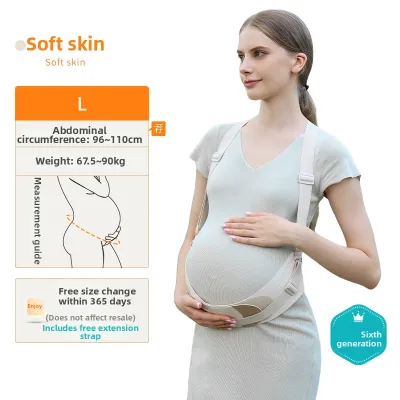
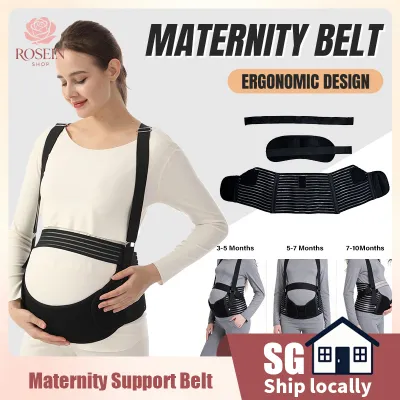
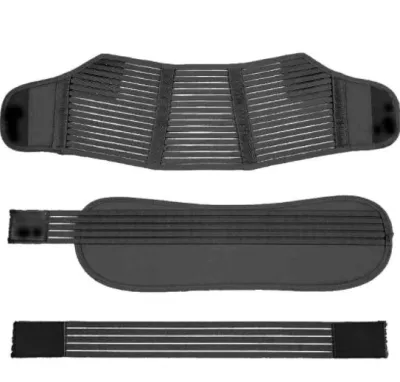
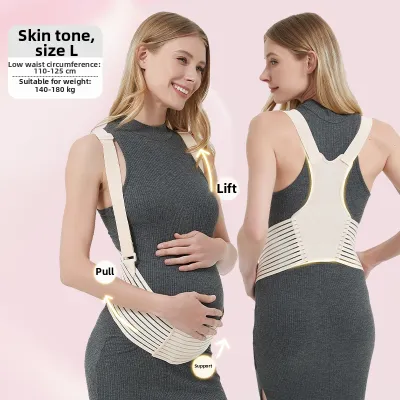
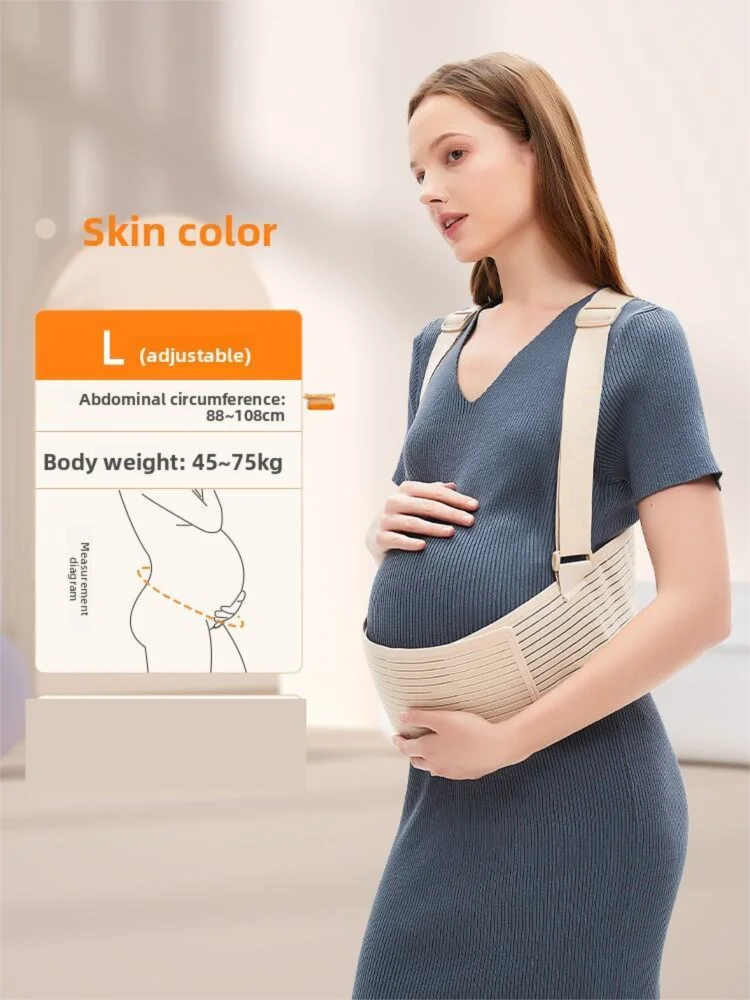
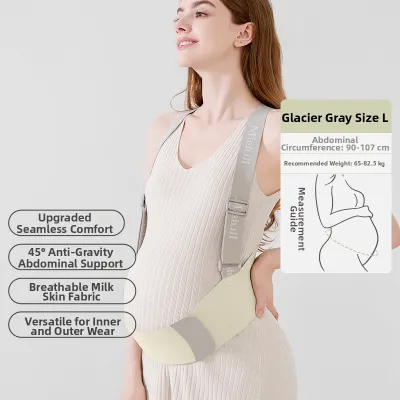
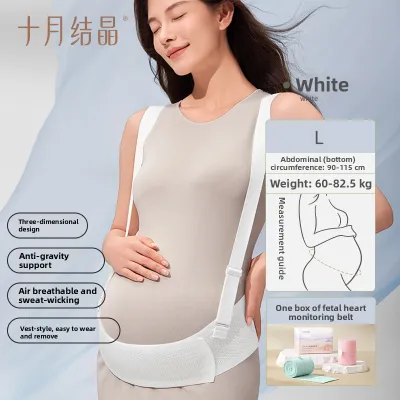
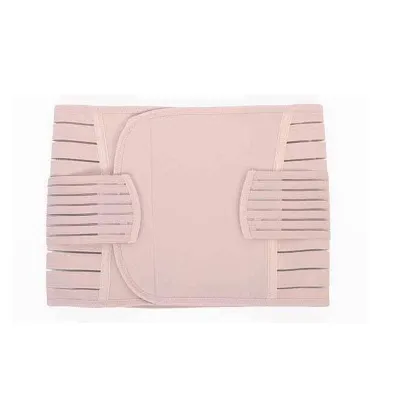
Prices are valid at publication and may change. Please refer to the product page for the latest price.
Adjustability is another critical factor to prioritize. Your abdomen changes shape and volume not just week by week, but also throughout a single day due to digestion and minor swelling. A high-quality belt should feature highly adjustable closures, such as dual-tension Velcro straps. These allow you to fine-tune the level of compression and support as you transition from standing to sitting, ensuring the belt never restricts blood flow or presses too firmly against your upper abdomen.
Finally, safety must always come first. Before purchasing or wearing any maternity support garment, you must consult your obstetrician, midwife, or a specialized women’s health physiotherapist. This is especially critical if you have a high-risk pregnancy, a history of preterm labor, hypertension, or skin sensitivities. A healthcare professional can confirm whether a support belt is safe for your specific condition and guide you on the exact placement to avoid placing pressure on the uterus.
First Trimester: Best Brand Profiles for Pelvic Stability and Mild Compression
During the first trimester, your pregnancy bump is barely visible, as the uterus remains nestled deep within the pelvic cavity. Consequently, traditional, full-coverage belly bands that wrap high around the abdomen are unnecessary and can feel restrictive or uncomfortably warm. Instead, early pregnancy discomfort is typically driven by the initial surge of relaxin, which can cause early pelvic instability, hip soreness, and localized round ligament pain.

For this early stage, look for brands that specialize in pelvic stability belts or mild compression maternity wear. Orthopedic-focused brands, such as those utilizing the low-profile design style of Serola, are highly effective. Rather than lifting the abdomen, these belts are designed to wrap tightly around the hips and pelvis, reinforcing the sacroiliac (SI) joints. This targeted compression helps stabilize the pelvic ring without placing any pressure on your developing abdomen.
When evaluating first-trimester options, seek out designs that sit strictly below the hip bones and feature non-compressive abdominal panels. The material should be exceptionally thin and discreet, allowing you to wear the garment under tailored workwear or lightweight linen trousers without visible lines. This low-profile construction ensures you can go about your day in an air-conditioned office or commute on the MRT without feeling bulky or overheated.
Second Trimester: Top Brand Designs for Growing Bumps and Back Relief
As you enter the second trimester, your uterus rises out of the pelvis, and your baby bump begins to grow rapidly. This sudden shift in your center of gravity pulls your pelvis forward, often leading to lordosis (an exaggerated inward curve of the lower back). To compensate, your lower back muscles work overtime, which frequently manifests as a dull, persistent ache by the end of the day.
To address these changes, transition to brands known for dual-layer, adjustable cradle designs, similar to the structures offered by Momcozy or NeoTech Care. These belts feature a curved lower band that sits snugly beneath your bump, acting as an artificial sling to lift the weight of the abdomen. A wider back panel then anchors the belt against your lumbar spine, distributing the forward weight more evenly across your hips and lower back.
For daily life in Singapore, prioritize designs with seamless edges and highly ventilated mesh side panels. These features are essential for maintaining comfort during long commutes or when walking between air-conditioned malls and humid outdoor spaces. The seamless construction prevents the edges from digging into your skin when you sit, while the mesh panels allow heat to escape, reducing the risk of localized sweating and irritation.
Adjustability remains paramount during this transitional phase. Opt for brands that allow for independent micro-adjustments of both the support band and the tension straps. This ensures you can loosen the belt slightly after lunch to accommodate bloating, or tighten it when preparing for an evening walk, without having to remove the entire garment.
Third Trimester: Best Brand Profiles for Maximum Support and Pain Relief
The third trimester brings the greatest physical challenges, as the sheer weight of the baby bump puts immense pressure on your pelvic floor, lower back, and pelvic joints. Many women experience severe lower back pain, pelvic girdle pain (PGP), or symphysis pubis dysfunction (SPD)—a condition where the pubic joint becomes overly mobile and painful. At this stage, lightweight bands are often insufficient.
For maximum support, look for heavy-duty, highly structured brand profiles, such as those designed by Belly Bandit or specialized medical-grade orthopedic manufacturers. These systems typically utilize a multi-strap configuration: a wide back panel, a heavy-duty lower abdominal cradle, and an upper stabilization strap that runs across the top of the bump. This comprehensive design encapsulates the abdomen, transferring the load away from your spine and pubic bone to your hips and upper back.
Because your mobility decreases significantly in the final weeks of pregnancy, ease of use is a critical design feature. Avoid belts that require complex wrapping or rear-facing adjustments. Instead, choose brands that feature front-fastening mechanisms or easy-pull side loops. This allows you to put on, adjust, and remove the belt independently, even when bending down or reaching around your back becomes difficult.
Before purchasing a heavy-duty belt, always verify the manufacturer’s current sizing charts directly on their official website or through authorized local maternity retailers in Singapore. Because your body shape changes rapidly in the third trimester, taking accurate measurements around your lower hips (rather than relying on your pre-pregnancy clothing size) is essential to ensure a proper fit and adequate support.
Quick Comparison of Maternity Belt Designs by Trimester
To help you identify the most suitable design for your current stage of pregnancy, the table below outlines the primary structural differences and functional benefits of each belt type.
| Design Type | Best Trimester | Primary Benefit | Key Material Feature for Humid Climates |
|---|---|---|---|
| Pelvic Stability Belt | First Trimester | Stabilizes sacroiliac (SI) joints; relieves early hip and pelvic pain | Ultra-thin, non-slip, low-profile elastic worn below the hips |
| Dual-Layer Cradle | Second Trimester | Lifts the growing abdomen; relieves mild to moderate lower back strain | Lightweight, open-weave mesh panels with seamless edges |
| Heavy-Duty Multi-Strap | Third Trimester | Distributes maximum abdominal weight; manages severe SPD and PGP | Perforated, breathable structural fabrics with front-fastening straps |
Safe Usage and Care Tips for Humid Weather
Using a maternity support belt safely requires proper positioning, strict limits on wear time, and a dedicated cleaning routine to maintain hygiene in Singapore’s tropical climate.
Positioning
To position the belt correctly, place the main support panel low on your hips, running snugly underneath your belly. It should rest on your pelvic bones rather than your soft abdominal tissue. The belt should never compress the top or center of your uterus; its purpose is to lift from below, not squeeze from the front.
Wear Time
Avoid wearing a maternity support belt continuously throughout the day. Limit your wear time to two to three hours at a time, using it primarily during periods of physical activity, standing, or walking. Taking regular breaks prevents your core and back muscles from becoming dependent on the external support, which could weaken them over time. Always remove the belt when you are sitting for extended periods, driving, or sleeping, as the band can shift and restrict blood flow in these positions.
Cleaning and Maintenance
Because you will inevitably sweat while wearing the belt in Singapore, regular washing is essential to prevent the buildup of bacteria, mold, and mildew. Close all Velcro attachments before washing to prevent them from snagging the fabric. Hand-wash the belt in cool water using a mild, hypoallergenic detergent. Avoid using bleach or fabric softeners, as these can degrade the elastic fibers. Air-dry the belt flat in a shaded, well-ventilated indoor area or a sheltered balcony; never put it in a clothes dryer or hang it in direct, intense sunlight, as extreme heat will ruin the elasticity and weaken the Velcro grip.
When to Stop
Immediately remove the maternity support belt and consult your healthcare provider if you experience any of the following warning signs:
- Increased uterine contractions or cramping
- Sharp pain, numbness, or a tingling sensation in your legs, hips, or pelvic area
- Shortness of breath or difficulty breathing deeply
- Dizziness, nausea, or changes in your baby's movement patterns
- Persistent skin redness, itching, or rashes beneath the belt area
Frequently Asked Questions (FAQ)
Can I wear a maternity support belt while sleeping?
No, you should not wear a maternity support belt while sleeping unless specifically instructed to do so by a qualified healthcare professional or women’s health physiotherapist. When you lie down, the gravitational pull on your abdomen changes, reducing the need for vertical support. Wearing a tight band while sleeping can restrict your circulation, compress major blood vessels, limit your baby’s movement, and cause skin irritation from trapped sweat over several hours of inactivity.
Will wearing a support belt weaken my core muscles?
Wearing a maternity belt will not cause muscle atrophy if you use it correctly as a temporary, active-use tool rather than a constant crutch. To maintain your core strength, limit belt usage to a few hours a day during physical exertion. Additionally, combine the use of the belt with safe, low-impact prenatal exercises—such as pelvic tilts, gentle pelvic floor activation, and deep transverse abdominis breathing—as recommended by your doctor or physiotherapist.
How tight should my maternity belt be?
Your maternity belt should feel like a firm, supportive hug rather than a restrictive bind. You should be able to slide two fingers comfortably between the belt and your skin. If you experience shortness of breath, digestive discomfort, acid reflux, or notice deep red indentations on your skin after removing the belt, it is adjusted too tightly. The goal is to gently lift and redistribute the weight of your bump, not to compress your abdomen.
Community discussion
Share your experience or ask a question. Comments are reviewed before publication.