
Newborn skin is incredibly delicate, requiring the gentlest touch and the safest materials during daily care routines. When selecting baby cotton balls, the primary material should always be 100% pure, organic, and unbleached cotton that has been processed without chlorine, optical brighteners, or synthetic binders. In Singapore’s warm and highly humid climate, infants are particularly prone to skin conditions such as heat rash, diaper dermatitis, and eczema. Using standard cosmetic cotton balls that contain synthetic fibers or chemical residues can easily compromise the fragile skin barrier, leading to irritation, redness, and discomfort. By focusing on high-quality, natural fibers and verified manufacturing standards, parents can ensure that every wipe, clean, and grooming session remains completely safe and soothing for their little ones.
Why Newborn Skin Requires Specific Cotton Materials
To understand why specialized baby cotton balls are necessary, it is essential to look at the unique physiology of a newborn’s skin. At birth, an infant’s skin barrier is still developing. The stratum corneum—the outermost layer of the skin—is significantly thinner than that of an adult, and the individual skin cells are less tightly packed. This structural difference results in much higher transepidermal water loss and increased permeability. Consequently, whatever touches a newborn’s skin is absorbed much more readily, and the skin is far more susceptible to external irritants, friction, and environmental allergens.
Standard adult cosmetic cotton balls are often designed with aesthetics and cost-efficiency in mind rather than strict dermatological safety. They frequently incorporate short-staple cotton fibers blended with synthetic materials such as polyester or rayon to hold their shape. When these rougher, synthetic fibers are dragged across a baby’s highly sensitive skin, they can cause micro-abrasions. These tiny, invisible tears disrupt the delicate skin barrier, making it easier for bacteria or fungi to colonize the area. Furthermore, the chemical processing used to make adult cotton balls look bright white can leave behind trace residues that trigger contact dermatitis in reactive skin.
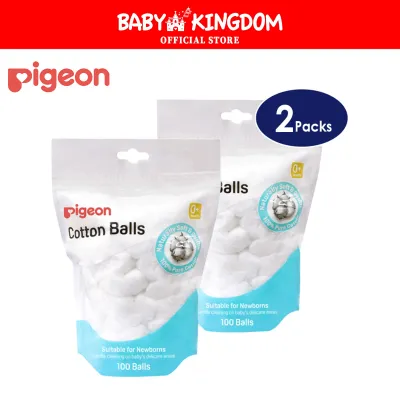
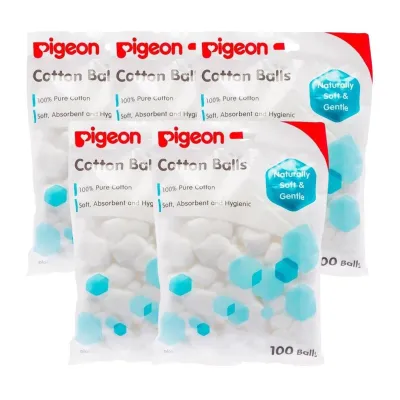
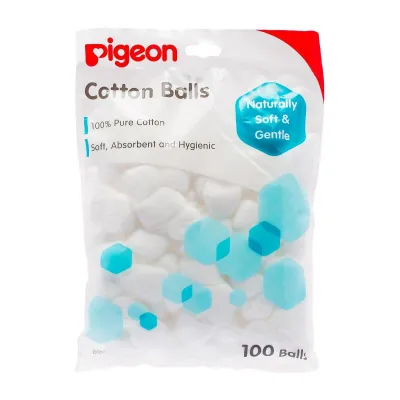
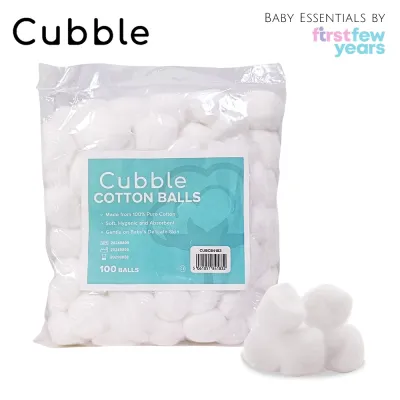
Products mentioned in this guide
![[Ready Stock] Baebear Cotton Balls (100pcs/Bag) | Pigeon | Cubble | Disposable degreasing and cleaning baby cotton ball](https://img.lazcdn.com/g/p/f4bb2a72a4ca1032f0fa83e727ae3209.jpg_400x400q80.jpg_.webp)
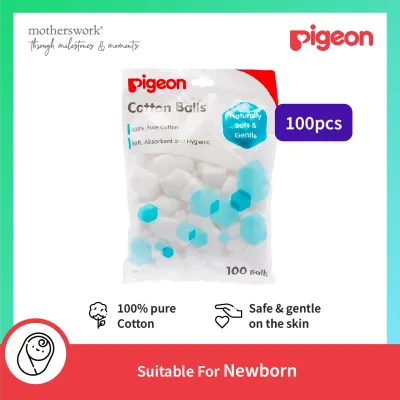
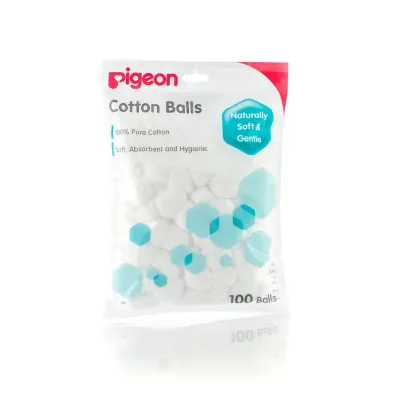
![[Bundle Of 8] Pigeon Cotton Ball 100pcs](https://img.lazcdn.com/g/p/0d5ff7641b3385425c743bc38cd54968.png_400x400q80.png_.webp)
Prices are valid at publication and may change. Please refer to the product page for the latest price.
Integrating safe, high-quality cotton materials into your baby grooming kit is a fundamental step in proactive skin health. Whether you are wiping away dried milk from around your baby’s mouth, cleaning the delicate eye area, or managing diaper changes, the physical contact must be as low-friction as possible. Using a material specifically engineered to be soft, highly absorbent, and chemically inert minimizes the risk of mechanical irritation. This careful selection helps maintain the integrity of the infant skin barrier during those crucial first months of life when their natural defenses are still maturing.
Key Material Properties to Look for in Baby Cotton Balls
When navigating the baby care aisle, the sheer volume of products can be overwhelming. Understanding the physical and chemical properties of safe cotton fibers allows you to cut through marketing claims and select products that genuinely protect your newborn’s skin. The ideal baby cotton ball must offer a balance of high absorbency, structural integrity when wet, and absolute purity.

100% Pure Cotton vs. Organic Cotton
The label “100% pure cotton” indicates that the product contains only natural cotton fibers and is entirely free from synthetic blends like polyester, nylon, or acrylic. Synthetic fibers are highly problematic for newborn care because they do not absorb moisture in the same way natural cotton does; instead, they tend to trap moisture against the skin. In Singapore’s humid climate, trapped moisture combined with friction creates the perfect environment for yeast infections and heat rashes. Pure cotton, by contrast, is naturally breathable, highly absorbent, and exceptionally soft, significantly reducing friction during use.
Organic cotton takes this safety standard a step further. It is cultivated from non-genetically modified plants grown without the use of synthetic pesticides, herbicides, or chemical fertilizers. For newborns with highly reactive skin or a family history of atopic eczema, organic cotton offers an extra layer of reassurance by minimizing the risk of agricultural chemical residues remaining in the finished product. However, parents should note that “organic” refers to how the cotton was grown, not necessarily how it was processed. Therefore, even organic cotton must be verified to ensure it did not undergo harsh chemical treatments during manufacturing.
Unbleached and Chlorine-Free Processing
The natural color of harvested cotton is not a stark, pristine white; it is typically an off-white, cream, or light beige hue. To achieve the bright white color associated with conventional cosmetic cotton, manufacturers often subject the fibers to chemical bleaching. Traditional bleaching processes utilize chlorine, which can produce toxic byproducts such as dioxins. These chemicals can remain lodged in the cotton fibers in trace amounts, potentially causing skin sensitization or systemic irritation when used repeatedly on a newborn’s highly permeable skin.
To safeguard your baby’s skin, look for cotton balls that are explicitly labeled as unbleached or processed using chlorine-free methods. Naturally unbleached cotton is easily recognizable by its cream color and the occasional presence of tiny, harmless dark flecks. These flecks are minute fragments of the cotton plant’s seed or husk that remain because the fibers have not been subjected to aggressive chemical stripping. Choosing unbleached cotton ensures that your baby is not exposed to optical brighteners—chemicals added to fabrics to make them appear whiter and brighter under light, which are notorious for triggering contact allergies. If you prefer white cotton, verify that the packaging states “Totally Chlorine-Free” (TCF) or that the manufacturer used hydrogen peroxide, a much safer and cleaner bleaching agent, rather than elemental chlorine.
Certifications and Labels to Verify on Packaging
Because terms like “natural,” “hypoallergenic,” and “baby-safe” are frequently used as self-declared marketing catchphrases without standardized legal definitions, parents must learn to look for independent, third-party certifications. These labels provide objective verification that the product has undergone rigorous testing and meets strict safety and environmental standards.
One of the most reliable certifications to look for is the Global Organic Textile Standard (GOTS). A GOTS certification guarantees that the cotton is organic and that every stage of the supply chain—from harvesting and processing to packaging and labeling—meets strict environmental and toxicological criteria. Another crucial certification is the OEKO-TEX Standard 100, specifically Class 1. This classification is the most stringent level of testing offered by the International OEKO-TEX Association, specifically designed for textile products intended for babies and toddlers up to three years old. It verifies that the cotton balls are free from harmful levels of over 100 regulated and non-regulated substances, including heavy metals, formaldehyde, and allergenic colorants.
In addition to textile certifications, carefully examine the packaging for ingredient and additive declarations. Safe baby cotton balls should be explicitly labeled as fragrance-free, dye-free, and alcohol-free. Fragrances are among the leading causes of cosmetic-related contact dermatitis in infants, and dyes can introduce unnecessary chemical risks.
Furthermore, it is important to distinguish between cosmetic-grade and sterile-grade cotton balls. Standard cosmetic-grade cotton balls, even if organic and unbleached, are clean but not sterile. They are perfectly suitable for daily hygiene tasks such as wiping away drool, cleaning the outer ear, or washing the diaper area. However, if you are performing umbilical cord care for a newborn whose stump has not yet detached, or if you are cleaning minor scrapes or broken skin, you must verify that the packaging is labeled as “sterile.” Sterile cotton balls are typically packaged in sealed, individual blister packs or small sterile sleeves to ensure they are completely free of microorganisms, preventing the introduction of bacteria into open wounds or highly vulnerable anatomical sites.
Materials, Additives, and Red Flags to Avoid
To protect your newborn’s skin, it is equally important to know what should not be in your baby cotton balls. Identifying common manufacturing shortcuts and material red flags can prevent painful skin reactions and secondary complications.
First, avoid any products that contain synthetic fiber blends. If a label lists polyester, rayon, or viscose, the cotton balls are not pure. While these synthetics are cheaper to manufacture and help the cotton ball maintain a perfectly round, bouncy shape, they are significantly rougher on a microscopic level. The friction generated by dragging synthetic fibers across wet skin can easily strip away the natural lipids of the newborn skin barrier, leading to localized redness and irritation.
Second, be highly cautious of pre-moistened cotton balls or those infused with “soothing” additives. Some products are marketed as pre-soaked in solutions containing aloe vera, chamomile, or essential oils like lavender or tea tree oil. While these ingredients may sound natural and beneficial, they are common allergens for sensitive newborn skin. Essential oils, in particular, are highly concentrated and can cause severe contact dermatitis or systemic toxicity in infants due to their thin, highly absorptive skin. It is always safest to purchase dry, pure cotton balls and moisten them yourself using plain, clean water or a safe saline solution.
Third, look out for the risk of “linting” or fiber shedding. Low-quality cotton balls are often made from very short, loosely spun fibers that disintegrate easily during use. This shedding leaves behind fine cotton lint on the baby’s skin. If these loose fibers are left near the baby’s eyes, nose, or mouth, they can cause mechanical irritation, tearing, or accidental inhalation. Before using a new brand of cotton balls, perform a simple dry pull test: gently pull the cotton ball apart. If it easily crumbles into a cloud of loose fibers and lint, it is not suitable for delicate facial grooming and should be kept away from mucosal membranes. High-quality baby cotton balls are designed with longer fibers and are lightly spun or textured to maintain their structural integrity, ensuring they do not leave lint behind.
Safe Usage and Care Tips for Newborn Grooming
Selecting the right material is only half the battle; how you use the cotton balls during daily grooming is equally critical to maintaining your baby’s skin health. Always follow safe, low-risk techniques to prevent cross-contamination and protect delicate areas.
When cleaning your newborn’s eyes, always use a fresh, clean cotton ball for each eye. Dampen the cotton ball with sterile water, cooled boiled water, or doctor-recommended sterile saline. Gently wipe in a single, smooth stroke from the inner corner (near the nose) to the outer corner. Never rub back and forth, and never reuse the same cotton ball for the second eye or for a second wipe. This strict one-wipe, one-ball rule is essential to prevent the spread of bacteria or highly contagious eye infections, such as neonatal conjunctivitis, from one eye to the other.
For umbilical stump care, always consult your pediatrician or refer to your hospital’s discharge care instructions first, as recommendations can vary. If your healthcare provider advises cleaning the area, use a sterile cotton ball dampened with the recommended solution—typically plain sterile water or a specific antiseptic. Gently pat the area around the base of the stump, taking care not to pull or tug on the cord itself. After cleaning, ensure the area is allowed to air dry completely before fastening the diaper, as trapped moisture can delay healing and encourage bacterial growth.
While daily grooming is a routine part of infant care, parents must remain vigilant for signs of skin distress. If you observe persistent redness, localized swelling, yellow or greenish discharge, weeping skin, a foul odor emanating from the umbilical stump, or if your baby cries out in discomfort during cleaning, stop using the product immediately. These symptoms can indicate an allergic reaction, severe dermatitis, or an active localized infection. In such cases, bypass home remedies and consult a pediatrician or qualified healthcare professional promptly to obtain an accurate diagnosis and appropriate treatment.
Frequently Asked Questions (FAQ)
Can I use regular adult cotton balls for my newborn?
It is highly recommended to avoid using regular adult cosmetic cotton balls for newborns. Adult cotton balls are frequently manufactured with synthetic fiber blends, treated with optical brighteners, and bleached with harsh chlorine, all of which can irritate a baby’s highly permeable skin barrier. Additionally, adult cosmetic cotton is prone to excessive linting, leaving behind loose fibers that can irritate your baby’s eyes or be accidentally inhaled.
Are sterile cotton balls necessary for everyday baby grooming?
No, sterile cotton balls are not necessary for everyday baby grooming tasks like wiping drool, cleaning the outer ears, or washing the diaper area. For these routine hygiene needs, a standard clean, high-quality, unbleached, and low-lint 100% pure cotton ball is perfectly safe and sufficient. Sterile cotton balls should be reserved specifically for umbilical cord care during the first few weeks or for cleaning minor skin breaks and scrapes.
How should I store baby cotton balls to keep them safe?
To maintain the hygiene and integrity of baby cotton balls, store them in their original resealable packaging or transfer them to a clean, dry, airtight container. In Singapore’s humid climate, keeping the container tightly sealed is crucial to prevent the cotton from absorbing moisture from the air, which can lead to mold or bacterial growth. Always store the container in a cool, dry place away from direct sunlight, humidity, and household cleaning chemicals.
Community discussion
Share your experience or ask a question. Comments are reviewed before publication.