
Finding the right soft toy storage large enough to hold a growing collection of plush toys while keeping your nursery safe, hygienic, and organized can be a challenge. In Singapore’s tropical climate, this task requires balancing space-saving designs with moisture control to protect your child’s favorite toys from mold and dust. The ideal solution depends on your nursery’s layout, the size of your plush collection, and your child’s age.
By understanding the unique environmental factors of local homes and evaluating the structural safety of different designs, you can select a storage option that keeps your nursery tidy and your child safe.
What to Look for in Large Soft Toy Storage
Breathability and Moisture Control
Singapore’s relative humidity often exceeds 80% year-round. Enclosed, non-breathable storage containers can trap ambient moisture, turning soft toys into breeding grounds for mold, mildew, and dust mites. When evaluating storage options, prioritize breathable fabrics, mesh panels, or open-top designs that promote continuous airflow. This simple structural feature helps prevent musty odors and protects your child’s sensitive respiratory system.
Products mentioned in this guide
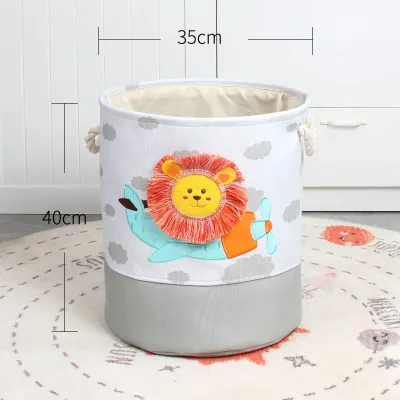
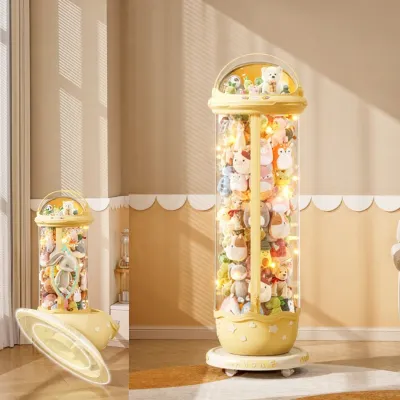
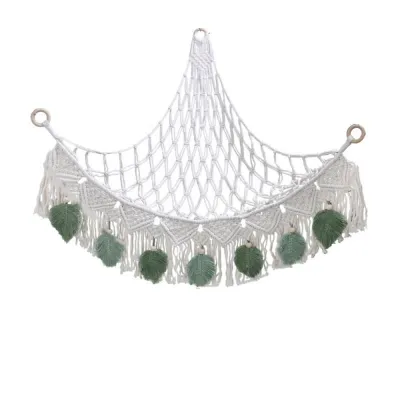
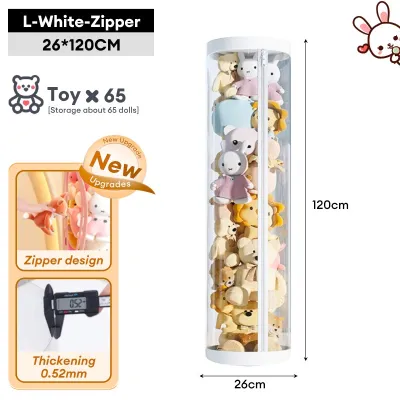
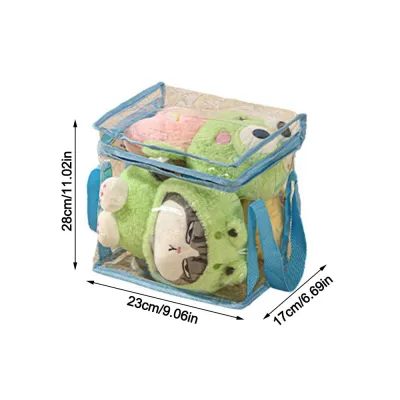
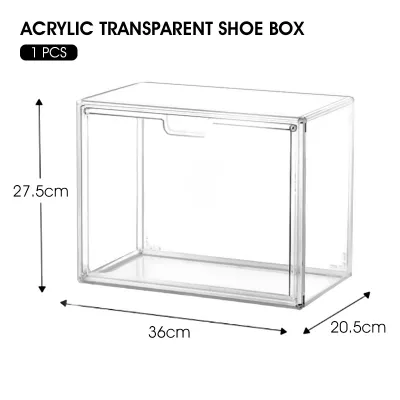
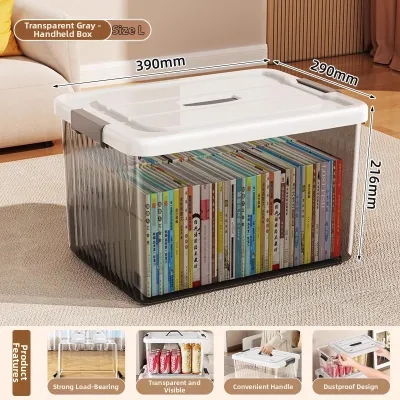
Prices are valid at publication and may change. Please refer to the product page for the latest price.
Material Safety
Since these storage units will live in your child’s nursery, material safety is paramount. Ensure any plastics used are BPA-free and phthalate-free. If choosing wooden or painted units, verify they use non-toxic, lead-free, water-based finishes. Inspect the unit for small detachable parts, such as loose plastic caps, decorative beads, or poorly secured buttons, which can present choking hazards for infants and toddlers.
Space Efficiency and Footprint
Typical Singapore apartments, including HDB flats and condominiums, often have compact bedrooms. A storage solution with a massive footprint can quickly make a nursery feel cramped and restrict play areas. Consider vertical storage solutions, multi-functional furniture, or collapsible bins that can be tucked away when not in use to maximize floor space for active play.
Child-Friendly Design Features
To encourage independent cleanup, storage should be easily accessible for toddlers. Avoid heavy lids that can drop suddenly. If a storage chest has a lid, look for anti-pinch mechanisms, slow-closing safety hinges, or lightweight fabric lids. Ensure all corners are rounded and edges are smooth to prevent bumps and scrapes during active play sessions.
Choosing the Best Soft Toy Storage Large Solutions for Nurseries
Breathable Mesh and Canvas Bins
Open-top bins made from lightweight canvas or mesh are exceptional for everyday use. The primary benefit of these materials is airflow. Mesh panels allow air to circulate freely around plush toys, significantly reducing the risk of musty odors and moisture buildup in humid climates. Because they are lightweight and soft, toddlers can safely reach in to grab their favorite toys and participate in tidying up without the risk of heavy lids or sharp edges.

While open-top bins are highly accessible, they offer minimal protection against airborne dust and household pests. Over time, toys sitting at the top of an open bin will accumulate dust, requiring more frequent washing. Additionally, these bins sit directly on the floor, meaning they occupy valuable floor space in smaller nurseries.
Before purchasing, inspect the density and strength of the mesh. High-quality, double-stitched nylon mesh is less likely to tear under the weight of multiple large plush toys. For canvas options, verify if the interior has a water-resistant lining; while linings make cleaning easier, they should not completely block breathability. Ensure the wire frames or support rings are securely padded and sewn into the fabric to prevent exposed metal from poking through.
Multi-Functional Storage Benches
A storage bench is an excellent investment for compact Singapore nurseries because it serves multiple purposes. It provides a sturdy seat for parents during storytime, acts as a decorative accent, and hides a massive volume of plush toys out of sight. Because these benches are fully enclosed, they offer superior protection against dust and pests, keeping your child’s soft toys clean and ready for play.
Storage benches are significantly heavier and bulkier than fabric bins. They are difficult to rearrange once placed and can pose a tipping hazard if a child attempts to climb onto them. They also require dedicated wall space and cannot be folded away when empty.
Safety is the top priority for any lidded furniture in a nursery. You must verify that the bench features high-quality safety hinges—such as soft-close pneumatic struts—that hold the lid open at any angle and prevent it from slamming down on little fingers. Check the manufacturer’s specified maximum weight capacity to ensure the bench can safely support an adult’s weight. Additionally, look for models with built-in ventilation slots or finger gaps that allow air to circulate even when the lid is closed.
Hanging and Wall-Mounted Organizers
If floor space is at a premium in your HDB flat, vertical storage is the ultimate solution. Hanging organizers, such as multi-tier mesh hammocks or over-the-door pocket organizers, utilize unused wall or closet space. This keeps the nursery floor entirely clear for active play. It also turns your child’s colorful plush collection into a whimsical wall display, making it easy to spot specific toys.
Vertical storage options have strict weight limits. They are ideal for small-to-medium plush toys but are not suitable for oversized, heavy stuffed animals, which can cause the mounting hardware to pull out of the wall. Toys stored high up are also out of reach for younger children, meaning parents must assist with both retrieval and cleanup.
In Singapore, nursery walls are commonly made of solid concrete or precast panels, though some partition walls are drywall. You must ensure the mounting hardware included is compatible with your specific wall type; concrete walls require masonry wall plugs and heavy-duty screws rather than simple adhesive hooks or drywall anchors. Inspect the strength of the hanging loops, metal grommets, and seams to ensure they can withstand constant downward tension without fraying.
Large Zippered Canvas Toy Boxes
Large zippered canvas boxes offer an enormous storage capacity, making them perfect for rotating toy collections or storing seasonal plush items. The zippered closure provides an airtight seal against dust, humidity, and pests, keeping stored toys pristine over long periods. Many models feature clear window panels, allowing you to identify the contents without unzipping the entire box. When not in use, these boxes fold completely flat for easy storage.
Because these boxes are designed to be sealed, they lack natural ventilation. If toys are packed away with even a trace of moisture, the enclosed environment can rapidly promote mold growth. The zippers themselves can also be frustrating or difficult for young toddlers to operate independently, often requiring adult assistance.
Look for boxes constructed from heavy-duty, high-density canvas with reinforced carry handles that won’t rip when the box is fully loaded. Ensure the internal support structure consists of sturdy steel frames or thick, rigid inserts rather than flimsy cardboard, which can warp in high humidity. Test the zippers to ensure they glide smoothly and are securely stitched to the fabric.
Comparing Storage Options for Singapore Homes
To help you determine which storage type best fits your nursery’s layout and environmental needs, refer to the comparison table below:
| Storage Type | Breathability | Space Efficiency | Dust Protection | Best Use Case |
|---|---|---|---|---|
| Mesh & Canvas Bins | Excellent | Moderate | Poor | Daily-use toys, toddler-accessible play areas |
| Storage Benches | Poor to Moderate | High (Dual-purpose) | Excellent | Multi-functional seating, hiding visual clutter |
| Hanging Organizers | Excellent | High (Vertical) | Poor | Small-to-medium plush display, tight rooms |
| Zippered Canvas Boxes | Poor | High (Stackable) | Excellent | Long-term storage, toy rotation collections |
Before purchasing any storage unit from online retailers or local physical stores, always measure your nursery’s layout carefully. Check the clearance of the nursery door, nearby wardrobe doors, and drawer paths to ensure the storage unit will not block daily movement. If you are buying a pre-assembled storage bench or wooden chest, measure your apartment’s main entryway and corridor width to ensure it can be delivered safely into the room.
Balancing aesthetic preferences with practical maintenance is crucial in a tropical climate. While a solid wooden toy chest might match a Scandinavian or minimalist nursery theme, a breathable fabric basket or a wall-mounted mesh hammock is often far easier to clean, move, and maintain in high-humidity environments.
Maintenance and Safety Tips for Nursery Storage
Routine Cleaning and Moisture Management
To combat Singapore’s high humidity, place a dehumidifier in the nursery or run an air conditioner periodically to keep indoor humidity levels around 50% to 60%. If using enclosed canvas or zippered storage, place food-safe silica gel packets or moisture-absorbing sachets inside the bins, ensuring they are kept completely out of your child’s reach. Regularly empty the storage units to air out both the container and the plush toys in a well-ventilated room or under indirect sunlight.
Structural Safety Checks
Safety must be assessed regularly. If you use tall storage units, bookshelves, or heavy storage benches, anchor them securely to the wall using L-brackets or anti-tip straps to prevent accidental tipping if a child tries to climb them. Periodically inspect fabric seams, hanging loops, and zippers for wear and tear. For wooden or plastic furniture, check that screws remain tight and safety hinges operate smoothly without sticking.
When to Stop Use
Immediately stop using any storage unit if you notice structural instability, cracked plastic, splintered wood, or broken safety hinges that no longer hold a lid open. Most importantly, if you discover persistent mold spots or a strong musty odor on fabric bins that cannot be completely removed by washing, discard the unit immediately to protect your child’s respiratory health.
Frequently Asked Questions (FAQ)
How often should I wash large soft toys stored in the nursery?
For toys that your child plays with daily, aim to wash them at least once a month to remove sweat, saliva, and accumulated dust. For toys kept primarily in long-term storage or displayed on high shelves, a quarterly wash or a thorough vacuuming with a HEPA-filter vacuum cleaner is usually sufficient. Always check the manufacturer’s care label on each plush toy before washing. Many soft toys can be placed in a laundry mesh bag and washed on a gentle, cold cycle in the washing machine, while others may require hand washing. For large plush toys that cannot fit in a standard washing machine, spot-clean them using a damp cloth and a mild baby-safe detergent, then allow them to dry completely in a well-ventilated, sunny spot to prevent deep-seated moisture.
Are plastic storage bins safe for soft toys in humid climates?
Plastic storage bins are highly durable and easy to clean, but they present a significant risk of trapping moisture in humid environments like Singapore. If soft toys are placed inside a sealed plastic bin while even slightly damp from play or washing, the trapped moisture can lead to rapid mold and mildew growth within days. To use plastic bins safely, ensure all toys are 100% dry before storing them. You can place a small, child-safe moisture absorber inside the bin or drill a few small ventilation holes along the upper sides of the plastic container to encourage airflow. Alternatively, leave the lid slightly ajar rather than snapping it shut. If you cannot guarantee a dry, ventilated environment, it is highly recommended to choose breathable fabric, mesh, or open-top canvas alternatives instead.
Community discussion
Share your experience or ask a question. Comments are reviewed before publication.