
Finding the right knee pad kids options for your active toddler in Singapore requires balancing physical protection with daily comfort. As babies transition from sitting to crawling and eventually to taking their first tentative steps, their knees undergo constant friction and impact. Selecting a protective accessory designed specifically for their developmental stage helps safeguard their delicate skin while giving them the confidence to explore their surroundings.
While these protective accessories offer a helpful layer of cushioning, parents must remember that they are supplementary tools. They do not replace the need for active adult supervision, nor can they prevent serious injuries from high falls. By understanding your child’s specific physical needs, the flooring in your home, and the local climate, you can make an informed choice that keeps your little explorer moving safely.
When and Why Your Toddler Needs Knee Pads
During the crawling phase, which typically begins between six and ten months of age, a infant’s knees bear a significant portion of their body weight. This repetitive contact with the floor can quickly lead to redness, rough patches, and localized discomfort. As they transition to pulling themselves up and cruising along furniture, frequent tumbles onto the knees are a natural part of developing balance and motor skills.
Products mentioned in this guide
![[RABBIT] Baby Infant Cartoon Breathable Mesh Crawling Knee Pads ChildrenS Sponge Knee Pads Crawling Toddler Anti-Fall And Anti-Knock Safety Protector](https://img.lazcdn.com/g/p/9806b9d032b3230b6e3ab1cb8933b2e2.jpg_400x400q80.jpg_.webp)
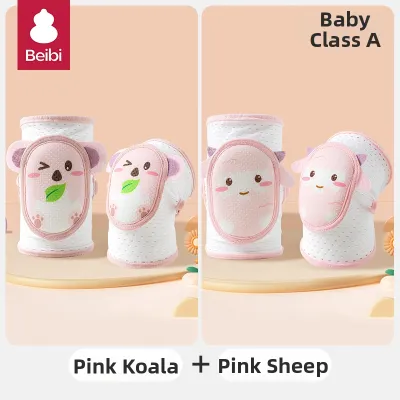
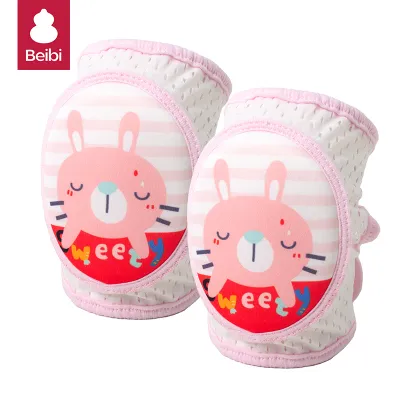
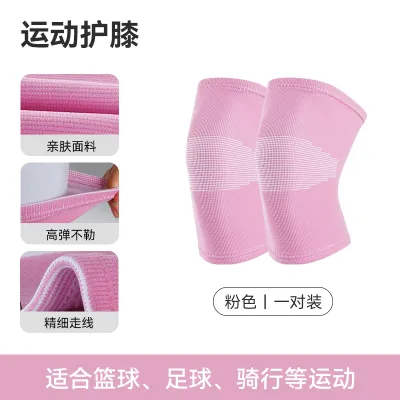
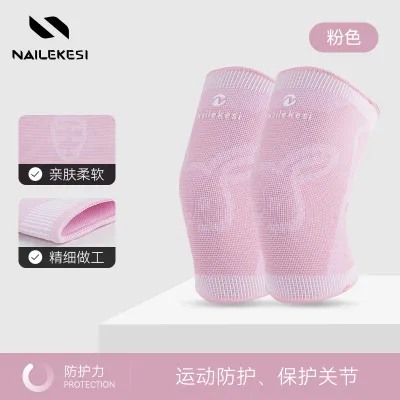
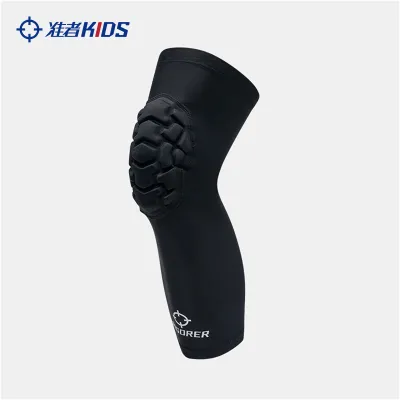
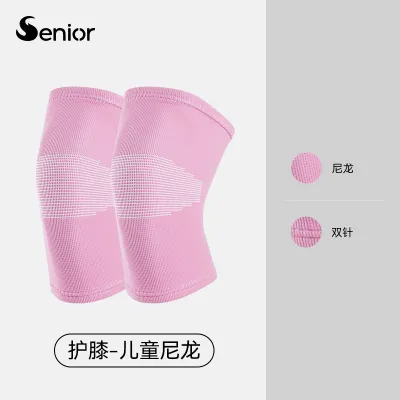
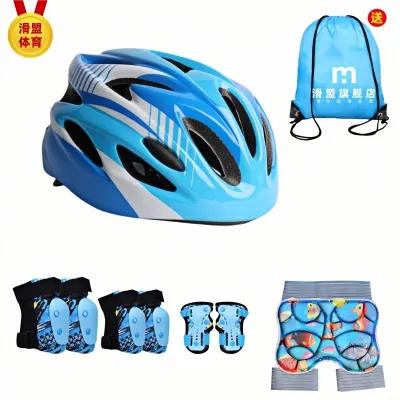
Prices are valid at publication and may change. Please refer to the product page for the latest price.
In Singapore, residential flooring choices heavily influence the physical impact on a toddler’s joints. Many local HDB flats, condominiums, and landed homes feature hard, unyielding surfaces such as ceramic, homogeneous, or marble tiles, as well as polished hardwood and laminate parquet. While these materials are excellent for keeping homes cool, they offer zero shock absorption for a tumbling child, making additional joint cushioning highly beneficial.
The primary function of toddler knee protective gear is to prevent friction burns, minor bruises, and skin irritation caused by rough textures or hard surfaces. Continuous sliding on floors can strip away the moisture barrier of a baby’s sensitive skin, leading to painful chafing. A soft, padded barrier absorbs this abrasive force, allowing your child to play longer without discomfort.
However, parents must establish clear safety boundaries when introducing these accessories. Knee pads are designed to minimize superficial skin damage and provide mild impact dampening; they are not safety guarantees. They cannot protect against joint sprains, fractures, or major impact injuries if a child falls from a height, such as from a sofa or changing table. Active caregiving and childproofing remain your primary lines of defense.
Key Features to Look for in Toddler Knee Pads
Selecting the right protective gear involves evaluating several design elements to ensure they suit your child’s anatomy and your home environment. Prioritizing the following features will help you find a product that is both functional and comfortable for daily wear.

- Breathability and Material: Singapore's hot and humid tropical climate makes heat management a top priority. Look for knee pads made from open-weave mesh, organic cotton, or highly breathable bamboo fiber blends. These fabrics allow sweat to evaporate quickly, reducing the risk of heat rash, sweat-induced eczema flare-ups, and general skin irritation.
- Cushioning and Thickness: The internal padding is responsible for shock absorption. High-density sponge padding offers a soft, plush feel that conforms easily to the knee joint, making it ideal for lighter babies. Ethylene-vinyl acetate (EVA) foam provides superior impact resistance and durability, though it can sometimes feel slightly stiffer during rapid leg movements.
- Anti-Slip Design: Smooth indoor surfaces like polished marble or glazed ceramic tiles can cause a crawling baby's legs to slip outward, disrupting their posture. Look for pads featuring external traction patterns, such as silicone dots, textured grids, or rubberized patterns, which help your child grip the floor as they push forward.
- Elasticity and Fit: The bands securing the pads must balance security with gentle pressure. Opt for wide, seamless elastic bands or soft ribbing that distributes pressure evenly across the thigh and calf. Narrow, tight elastics can constrict blood flow, leave deep red marks, and cause physical distress to your toddler.
- Label Verification: Before purchasing any protective gear, always check the manufacturer's packaging or official product documentation. Verify the recommended age range, weight limits, and material composition. Avoid relying solely on generic online product titles, and look for clear compliance labels that indicate the product has been tested for non-toxic materials.
Types of Knee Pads and Their Best Use Cases
Toddler protective gear comes in several distinct designs, each tailored to specific developmental stages and playing conditions. Understanding these categories allows you to match the right product to your child’s daily activities.
Thick Sponge or EVA Foam Pads
These options feature a pronounced, raised cushion directly over the patella, offering the maximum level of physical separation between your child’s joint and the floor.
- Best For: Early crawlers who have delicate skin, babies who tend to drop heavily onto their knees, and homes with exceptionally hard stone or tile flooring.
- Benefits: Excellent shock absorption that dampens the impact of sudden drops, providing a highly protective barrier during dedicated floor play.
- Limitations: The bulkier profile can feel restrictive for older toddlers who are trying to climb or run, and the thicker material may trap more heat during extended use.
Breathable Cotton or Mesh Pads with Light Padding
These lightweight sleeves prioritize flexibility and airflow, utilizing a thin layer of integrated padding that moves naturally with the child’s leg.
- Best For: Proficient crawlers, early walkers who still fall occasionally, and highly active children who sweat heavily.
- Benefits: Highly breathable designs that minimize sweat buildup, making them perfect for outdoor playground visits or indoor play areas without air conditioning.
- Limitations: Offers less protection against heavy, vertical impacts, focusing instead on preventing scrapes, scratches, and friction burns.
Anti-Slip Silicone Dot Pads
This design incorporates specialized traction patterns directly onto the knee area, focusing on stability and slip prevention rather than thick cushioning.
- Best For: Toddlers who are learning to stand, cruise, or walk on highly polished indoor surfaces where sliding is a constant challenge.
- Benefits: Provides crucial traction that helps keep the knees aligned under the hips, preventing the legs from splaying outward on slick floors.
- Limitations: The external silicone elements must be inspected regularly; if they begin to peel or degrade, they can present a minor choking hazard if detached.
How to Ensure a Proper and Safe Fit
An improperly fitted knee pad can cause physical discomfort or fail to protect your child during a fall. Taking precise measurements and checking the fit regularly ensures the accessory performs its job safely without interfering with your child’s circulation.
To find the correct size, do not rely on age categories alone, as toddlers of the same age can vary significantly in leg circumference. Use a flexible sewing tape measure to find the circumference of your child’s leg at two points: approximately three centimeters above the kneecap (the lower thigh) and three centimeters below the kneecap (the upper calf). Compare these measurements directly against the manufacturer’s specific sizing chart before purchasing.
Once you place the pads on your child, perform the “two-finger rule” check. Gently slide two of your fingers under both the top and bottom elastic bands. The bands should feel snug enough to stay in place when the child moves, but you should be able to slide your fingers underneath without excessive pulling or squeezing. If the elastic digs into the skin or leaves deep, persistent red marks after a few minutes of wear, the product is too small and must be replaced with a larger size.
Safety must always take precedence over convenience. Never allow your toddler to wear knee pads during sleep, nap times, or when they are left unsupervised in a crib or playpen. During sedentary periods, the bands can bunch up behind the knee joint, restricting blood flow or causing localized skin chafing. If you find that your child falls directly between two sizes on a manufacturer’s chart, always choose the larger size to prioritize comfort, joint flexibility, and healthy circulation over a tight fit.
Care, Maintenance, and When to Replace
Keeping your toddler’s knee pads clean and in good structural condition is essential for maintaining hygiene and ensuring the materials continue to perform as intended. Because these items spend hours in direct contact with floors and sweat, they require regular attention.
Always refer to the manufacturer’s care label on your specific product before cleaning. As a general rule, hand washing in cool water with a mild, baby-safe detergent is the gentlest way to preserve the elastic fibers and padding integrity. If you prefer to use a washing machine, place the pads inside a mesh laundry bag and select a delicate cycle with low-speed spinning to prevent the elastic bands from stretching out or warping.
In Singapore’s high relative humidity, drying requires careful attention to prevent the growth of mold, mildew, and bacteria within the dense padding. After washing, gently press out excess water between two dry towels—do not wring or twist the pads, as this can damage the internal foam structure. Hang them to dry completely in a well-ventilated indoor area or in indirect sunlight, ensuring the inner core is entirely dry before putting them back on your child.
Regularly inspect the protective gear for signs of wear and tear that indicate it is time for a replacement. Discontinue use and replace the product immediately if you notice any of the following issues:
- The internal sponge or EVA foam has become permanently compressed, flat, or shifted out of place, offering no real cushioning.
- The external anti-slip silicone dots or patterns are peeling, cracking, or flaking off, creating a potential ingestion hazard.
- The elastic bands have lost their recovery stretch, causing the pads to slide down to the ankles during normal movement.
- The fabric has developed persistent, unpleasant odors or visible spots of mold that do not disappear after a thorough wash.
Frequently Asked Questions (FAQ)
Can toddlers wear knee pads all day?
Continuous, all-day wear is not recommended for toddlers. Knee pads should be treated as active-play wear, put on during dedicated crawling or walking sessions on hard surfaces, and removed during rest periods, car rides, or sedentary play. Leaving them on for extended periods can trap moisture against your child’s delicate skin, leading to sweat rashes, friction irritation, or localized circulation restriction.
Do knee pads delay a toddler's walking development?
There is no scientific evidence to suggest that using properly fitted knee pads delays a child’s natural motor development or walking timeline. However, if the pads are excessively thick, stiff, or poorly sized, they can restrict the natural bending of the knee joint, making it difficult for the child to find their balance. Choosing a flexible, lightweight option that allows full joint extension ensures your child’s natural movement patterns are not altered.
Are adult or older kids' knee pads safe for toddlers?
No, you should never use knee pads designed for older children or adults on a toddler. Protective gear engineered for older demographics features different weight distributions, stiffer materials, and much stronger strap tensions that can restrict a toddler’s circulation or cause tripping. Always choose products specifically designed, sized, and safety-tested for the unique anatomy and delicate skin of toddlers.
Community discussion
Share your experience or ask a question. Comments are reviewed before publication.