
When your baby transitions from sitting to crawling, their world expands dramatically as they begin to explore every corner of your home. However, this exciting developmental milestone can be tough on their delicate skin and joints, especially in typical Singaporean households. The best kids knee pads for crawling babies are those that balance impact protection with high breathability to suit local high-humidity climates and hard flooring materials.
Introducing a kids knee pad into your baby’s daily routine can provide a comfortable barrier, allowing them to explore confidently without the discomfort of friction or hard impacts. By understanding what features to look for and how to ensure a proper fit, you can support your baby’s physical development while keeping their sensitive skin safe.
Why Knee Protection Matters on Hard Floors
Housing trends in Singapore favor flooring materials that are easy to clean and keep the indoor environment cool. HDB flats often feature polished ceramic or porcelain tiles, while private condominiums and landed properties frequently showcase marble, granite, or polished engineered timber. While these materials are excellent for managing tropical warmth, they present an unforgiving, hard surface for a baby’s developing joints.
Products mentioned in this guide
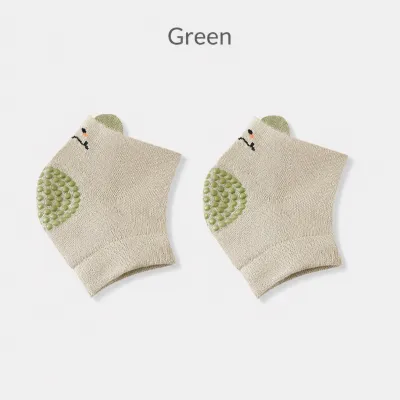
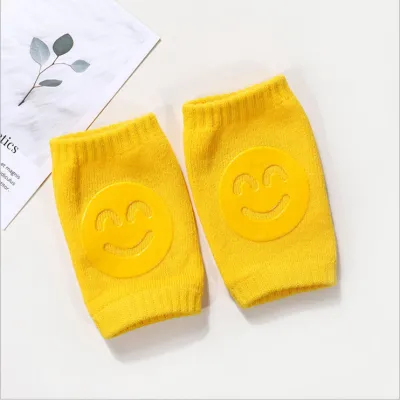
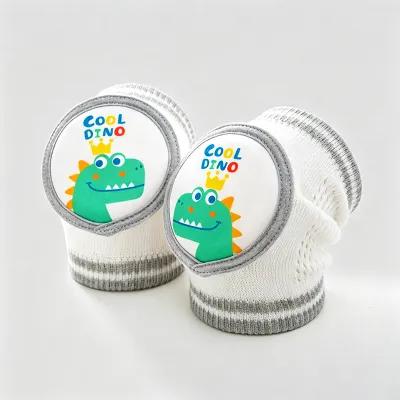

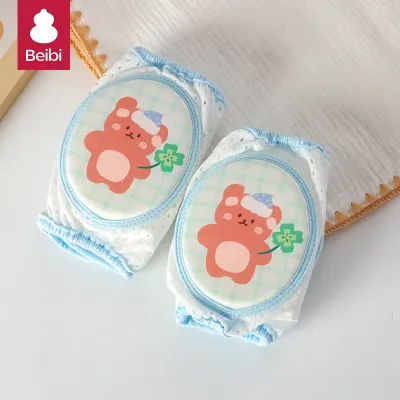
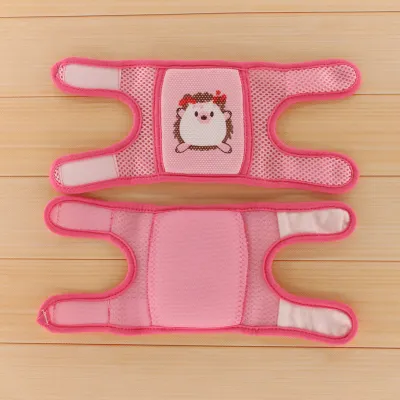
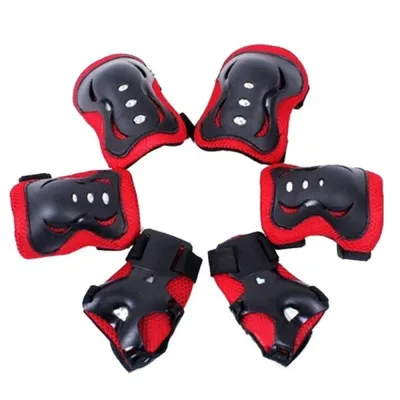
Prices are valid at publication and may change. Please refer to the product page for the latest price.
During the crawling stage, which typically begins between six and ten months of age, a baby’s knees bear a significant portion of their body weight. The repetitive impact against unyielding tiles can cause discomfort, while the sliding motion on matte or textured surfaces can lead to friction burns. While mild, temporary pinkness is a normal physiological response to increased physical activity, persistent deep redness, bruising, or skin abrasions indicate that the baby’s knees require a protective barrier.
Providing a comfortable crawling experience is not merely about preventing minor scrapes; it is about fostering a positive environment for motor skill development. When a baby experiences pain or discomfort every time they attempt to move on all fours, they may become reluctant to explore. This discomfort can lead them to revert to belly crawling or limit their movement altogether. By mitigating floor friction and cushioning impact, protective gear helps babies build the confidence needed to navigate their surroundings, supporting crucial developmental milestones like bilateral coordination, spatial awareness, and muscle strengthening.
Key Features to Evaluate Before Buying a Kids Knee Pad
To find the right kids knee pad for your baby, you must evaluate several critical features that address both the physical environment of your home and the physiological needs of your child.

- Padding and Shock Absorption: The primary function of any knee protector is to cushion the joint against impact. However, thicker is not always better. Heavy, overly dense padding can restrict a baby's natural joint movement, making it difficult for them to bend their knees or transition from crawling to a sitting position. Look for high-density, low-profile padding materials such as EVA (ethylene-vinyl acetate) foam or specialized multi-layered sponge. These materials absorb shock effectively while remaining thin enough to allow full flexion of the knee joint.
- Breathability and Moisture-Wicking: In Singapore's hot and humid climate, heat retention is a major concern. Standard synthetic fabrics can trap heat and sweat, creating a warm, damp microclimate against your baby's skin. This environment is a prime breeding ground for miliaria (commonly known as heat rash or prickly heat) and can severely exacerbate infant eczema. To prevent this, prioritize knee pads made from breathable, open-weave mesh, bamboo-derived fabrics, or perforated cotton blends. These materials facilitate continuous airflow and wick moisture away from the skin, keeping your baby cool even during active play sessions in non-air-conditioned rooms.
- Non-Slip Design: Polished marble, glazed ceramic tiles, and smooth vinyl floors can be incredibly slick. Without adequate traction, a crawling baby's legs may splay outward—often referred to as "frog-legging"—which can strain their hips and frustrate their attempts to move forward. Effective knee pads must feature high-quality non-slip elements on the kneecap area. Look for integrated silicone grips, rubberized patterns, or textured surfaces that provide reliable traction on polished floors. Ensure these grips are flexible and do not compromise the overall pliability of the pad.
- Material Safety and Skin Sensitivity: A baby's skin is significantly thinner and more sensitive than adult skin, making it highly susceptible to contact dermatitis and chafing. When shopping, check the product specifications for material safety certifications, such as the OEKO-TEX Standard 100, which verifies that the fabric is free from harmful levels of toxic chemicals and dyes. Additionally, inspect the interior construction of the knee pads. The lining should be seamless or feature flatlock stitching to prevent the fabric from rubbing against the skin and causing painful chafing during repetitive crawling motions.
Recommended Knee Pad Types for Crawling Babies
Categorizing the primary types of knee pads available on the market can help you choose the right design based on your baby’s specific crawling style, your home’s flooring, and their skin needs.
Thick Sponge-Padded Protectors
These protectors feature a prominent, contoured sponge or foam cushion positioned directly over the kneecap, wrapped in a soft, elasticized sleeve.
- Best for: Early crawlers who are still mastering their balance and tend to drop their weight heavily onto hard, uncarpeted floors like polished porcelain or marble.
- Pros: Offers the highest level of impact cushioning and shock absorption; excellent at preventing bruising and direct mechanical trauma to the joint.
- Cons: The added bulk can feel restrictive for highly active or fast-crawling babies; the thick padding layers tend to retain heat and may cause localized sweating in warm environments.
Breathable Mesh with Silicone Grips
This design utilizes a lightweight, highly elastic mesh sleeve as the base, with a flexible, low-profile padding layer covered in a pattern of non-slip silicone shapes.
- Best for: Active, fast-crawling babies navigating smooth, slippery floors in warm, naturally ventilated, or air-conditioned environments.
- Pros: Outstanding ventilation and heat dissipation; lightweight construction that does not hinder rapid movement; superior traction on polished tiles.
- Cons: Provides lighter impact protection compared to thick sponge variants; may not offer sufficient cushioning if the baby drops heavily onto their knees from a standing or sitting position.
Seamless Cotton Blend Sleeves
These are simple, pull-on knit sleeves made from soft cotton blended with spandex or elastane, featuring a slightly thickened knit pattern over the knee area rather than distinct foam inserts.
- Best for: Babies with highly sensitive skin, atopic dermatitis, or those prone to contact allergies from synthetic materials and heavy elastic bands.
- Pros: Extremely gentle on the skin with minimal risk of chemical irritation; highly breathable and flexible; prevents surface friction burns effectively.
- Cons: Offers very minimal shock absorption against hard drops; the natural cotton fibers can stretch out over time, causing the sleeves to slide down the leg if not sized correctly.
How to Ensure a Safe and Comfortable Fit
Selecting the right type of knee pad is only half the battle; ensuring a proper fit is critical to your baby’s comfort, safety, and physical development.
Measuring for the Right Size
Never rely solely on age-based sizing guidelines (such as “6 to 12 months”), as babies of the same age can have vastly different leg circumferences. Instead, use a soft, flexible measuring tape to measure your baby’s leg. Measure the circumference of the thigh approximately 5 centimeters (about 2 inches) above the center of the kneecap, and the calf approximately 5 centimeters below the kneecap. Compare these measurements directly with the manufacturer’s specific sizing chart before purchasing.
Identifying a Poor Fit
Monitor your baby closely during and after use. A knee pad that is too tight can restrict blood circulation and lymphatic flow. Look for warning signs such as deep red indentations or elastic band marks on the skin, localized swelling, coldness in the feet, or a bluish tint to the toes. Conversely, a pad that is too loose will constantly slip down to the ankles, failing to protect the knees and potentially creating a tripping hazard as the baby attempts to stand or walk.
Critical Safety Checks
Prioritize your baby’s safety by thoroughly inspecting the physical construction of the knee pads before every use. Check for small, poorly attached decorative elements, loose silicone beads, or plastic parts that could detach and pose a choking hazard if the baby puts them in their mouth. Ensure all seams are intact and free of loose threads, which can wrap around a baby’s toes or fingers, cutting off circulation (a condition known as a hair tourniquet).
Conditions for Immediate Removal
Remove the knee pads immediately if your baby exhibits signs of discomfort, persistent crying, or skin irritation. Look out for localized hives, red rashes, or persistent red marks that do not fade within 15 minutes of removing the pads. If your baby’s natural leg movement appears restricted, or if they struggle to bend their knees, discontinue use. Always consult a qualified pediatrician if skin irritation, rashes, or circulatory marks persist after removal.
Cleaning and Maintenance for Hygiene
Maintaining clean knee pads is essential to prevent bacterial growth and skin infections, especially in Singapore’s humid climate where sweat accumulates quickly.
- Check the Care Label: Always verify the manufacturer's specific washing instructions before cleaning the pads, as different materials require different care.
- Washing Guidelines: To preserve the elastic fibers and prevent the non-slip silicone grips from peeling or cracking, hand-wash the knee pads in cold water using a mild, hypoallergenic, baby-safe detergent. If you prefer to use a washing machine, place the pads inside a mesh laundry bag and select a delicate, cold-water cycle. Avoid using fabric softeners, which can coat the fibers and reduce both breathability and the traction of the silicone grips.
- Drying Instructions: Air-dry the knee pads flat in a well-ventilated, shaded indoor area or away from direct sunlight. Do not place them in a clothes dryer, as high heat can melt silicone grips, warp foam padding, and degrade elastic fibers. Avoid hanging them by the elastic bands, as the weight of the wet fabric can stretch them out permanently.
- Routine Inspection: Regularly inspect the pads for signs of wear and tear. Over time, foam padding will flatten and lose its shock-absorbing capacity, and elastic bands will lose their tension. Replace the knee pads immediately if you notice fraying seams, loss of elasticity, or peeling non-slip elements to ensure continued safety and protection.
Frequently Asked Questions (FAQ)
At what age or developmental stage should babies start wearing knee pads?
Introduce knee pads when your baby transitions from sitting or commando crawling (tummy crawling) to active hands-and-knees crawling, which typically occurs between 6 and 10 months of age. Observe your baby’s behavior on the floor; if they frequently push themselves up onto all fours or if you notice mild friction redness on their knees after play sessions, it is an appropriate time to introduce knee protection.
Can wearing knee pads delay a baby's crawling milestones?
No, properly designed and correctly fitted knee pads will not delay your baby’s crawling milestones. In fact, they can have the opposite effect. When a baby’s knees are protected from the discomfort and pain of crawling on hard, cold floors, they are often more willing to explore their environment, which encourages motor development. Ensure the pads are flexible and lightweight so they do not restrict natural joint flexion or leg movement.
Are knee pads still necessary if I use interlocking foam playmats at home?
While interlocking foam playmats provide excellent localized cushioning, they only protect your baby while they remain within that specific play area. As babies grow more curious and mobile, they inevitably venture off the mats onto the surrounding hard flooring, such as polished tiles or timber. Knee pads offer mobile protection that travels with your baby, ensuring their knees remain protected regardless of where their exploration takes them.
Community discussion
Share your experience or ask a question. Comments are reviewed before publication.