
Choosing the right kids cutlery set is a fundamental step in supporting your child’s weaning journey. Rather than simply buying a miniature version of adult utensils, selecting cutlery that aligns with your baby’s current developmental stage can make mealtime smoother, safer, and more encouraging. The transition from breast milk or formula to solid foods involves rapid physical and cognitive changes, meaning the ideal spoon or fork will evolve significantly over the first two years of life.
In Singapore, parents navigate a variety of weaning styles, from traditional spoon-feeding with purees to baby-led weaning (BLW) featuring soft finger foods. Whichever path you choose, the utensils you introduce act as developmental tools that help build oral motor skills, hand-eye coordination, and confidence. By matching the physical design of the cutlery to your child’s growing motor skills, you can minimize frustration and turn self-feeding into an enjoyable milestone.
How Your Baby's Motor Skills Dictate Cutlery Needs
During the first two years, a child’s hand and finger movements progress through distinct developmental phases. Around six months of age, infants utilize the palmar grasp, using their entire fist to clutch objects. They do not yet possess the wrist flexibility or finger control required to scoop food or hold thin handles. Consequently, early utensils must accommodate this basic, whole-hand grip and support a straight, forward motion toward the mouth.
Products mentioned in this guide
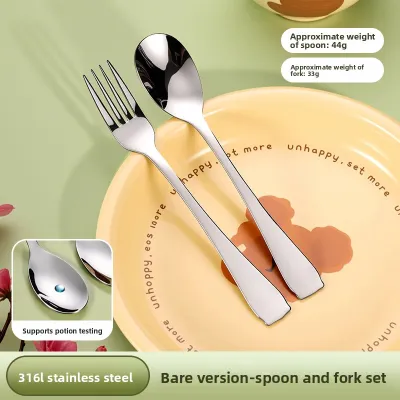
![[VIIDA] The Soufflé Kids Antibacterial Stainless Steel Fork and Spoon Set (Small) for Toddler 6 Months to 2 Years Old Children - Eco-Friendly Safe FDA Certified SGS Tested](https://img.lazcdn.com/g/p/0dd7b92fb6215a6504a247d041008a0a.jpg_400x400q80.jpg_.webp)
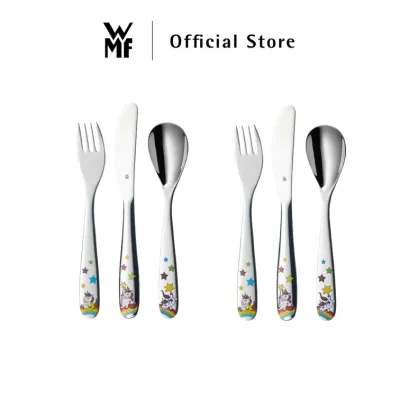
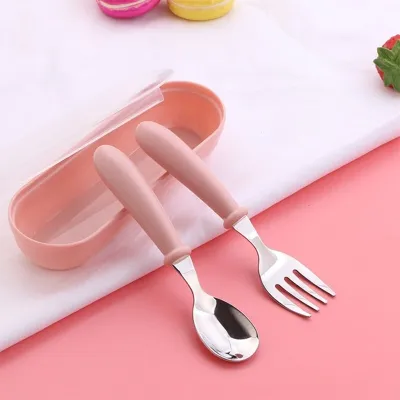
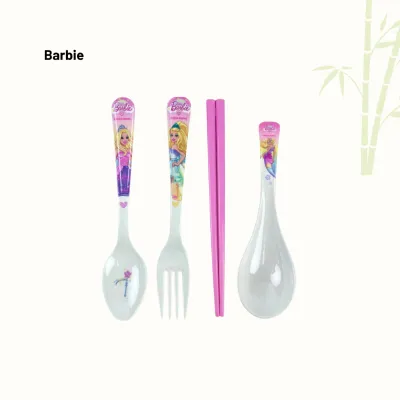
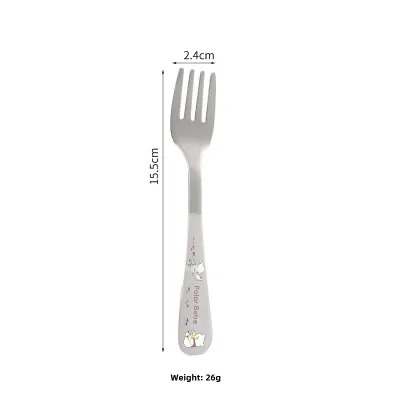
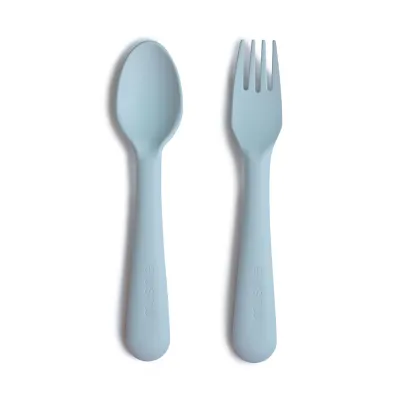
![[Kawaii Kiddy] SKATER Kids Tableware Three-pack Set](https://img.lazcdn.com/g/p/9de991260641de40155794f24c4aff60.png_400x400q80.png_.webp)
Prices are valid at publication and may change. Please refer to the product page for the latest price.
As your baby reaches nine to twelve months, they begin to develop the pincer grasp, using their thumb and index finger to pick up smaller items. This period also marks the beginning of wrist rotation, though it remains highly uncoordinated. Utensils designed for this transitional phase need to assist with this awkward scooping motion, often featuring curved handles or textured grips that prevent the tool from slipping out of greasy hands.
By toddlerhood, which begins around twelve months, hand-eye coordination improves dramatically, and the pincer grasp becomes more refined. Toddlers are capable of handling longer, slimmer utensils that mimic adult cutlery but are scaled down to fit their smaller hands. They are also learning to apply downward pressure to spear food with a fork or use a blunt knife to practice basic cutting and spreading.
Using the wrong cutlery at any of these stages can hinder your child’s progress. A utensil that is too heavy can fatigue small wrists, while a spoon bowl that is too deep can cause frustration if the baby cannot clear the food with their lips. Most importantly, introducing long, rigid metal spoons too early increases the risk of painful throat poking, gagging, or damage to delicate gums. Expect to transition through two or three different types of cutlery sets as your child’s abilities mature.
Early Weaning (Around 6 Months): Best Sets for First Tastes
At the start of the weaning journey, the primary goal is introducing your baby to new textures and flavors while keeping the experience safe and comfortable. At six months, your baby’s oral cavity is highly sensitive, and their gag reflex is still positioned relatively far forward on the tongue. The first utensils should focus entirely on protecting sensitive gums, facilitating easy swallowing, and accommodating the initial palmar grasp.

Recommended Features to Look For
- Short, chunky handles: A short, thick handle is easy for a baby to grasp with their entire fist. It also acts as a natural physical barrier, preventing the baby from pushing the spoon too far into their mouth and triggering a severe gag reflex.
- Soft, food-grade silicone: Silicone is highly flexible and gentle on teething gums. It mimics the familiar, soft texture of bottle nipples or pacifiers, which can make the transition to utensils feel less foreign to your baby.
- Shallow, narrow spoon bowls: The spoon bowl should be flat or very shallow. This design allows your baby to easily clear the puree or mashed food using only their upper lip, without needing advanced lip control.
- Large, easy-grip bases: Look for spoons with wide bases or integrated collars. These features provide a secure surface for a baby's hands and can prevent the spoon head from coming into contact with dirty table surfaces when set down.
What to Avoid at This Stage
- Long, thin handles: Avoid spoons that resemble adult teaspoons. These are incredibly difficult for a six-month-old to coordinate and pose a significant risk of throat poking if the baby shoves the spoon backward.
- Hard plastics or metal: Rigid materials can bruise emerging teeth and sensitive gums. If a baby accidentally bites down hard on a metal or cheap, brittle plastic spoon, it can cause pain that leads to food refusal.
- Deep spoon bowls: Deep bowls hold too much food at once and require a level of lip clearance that a six-month-old has not yet developed, resulting in messy, frustrating feeding sessions.
Mid Weaning (9–12 Months): Best Sets for Self-Feeding
Between nine and twelve months, babies typically show a strong desire to feed themselves. They will reach for the spoon, attempt to dip it into their bowl, and try to bring food to their mouth independently. This is a messy but crucial phase of learning. Cutlery designed for this stage should support their emerging wrist rotation and introduce them to the concept of using a fork.
Recommended Features to Look For
- Angled or curved handles: Utensils with pre-bent or curved handles are highly beneficial at this stage. They compensate for your baby's limited wrist rotation, making it much easier to guide the spoon from the bowl to the mouth without spilling the contents.
- Textured, non-slip grips: Hands are often covered in food, purees, and natural oils during self-feeding. Handles made with textured silicone, rubberized ridges, or loop designs help your baby maintain a secure hold even when wet.
- Introduction of blunt forks: Look for a first fork with wide, blunt, and rounded tines. These forks should be designed to spear soft foods like steamed pumpkin, tofu, or pasta without being sharp enough to cause injury.
What to Avoid at This Stage
- Sharp or narrow fork tines: Avoid metal forks or plastic forks with sharp, thin tines. Babies at this stage still have unpredictable hand movements and can easily poke their eyes, nose, or inner cheeks.
- Overly heavy sets: Heavy utensils can tire out a baby's wrist muscles quickly. When a child gets tired, they are more likely to drop the utensil entirely and revert to using their hands, bypassing the opportunity to practice tool coordination.
- Slippery, untextured handles: Smooth plastic or polished metal handles become incredibly slippery when wet or greasy, leading to constant drops and mealtime frustration.
Toddlerhood (12+ Months): Best Sets for Growing Independence
By the time your child reaches one year of age, they are transitioning to family meals and eating a wider variety of textures. Their fine motor skills are much more refined, allowing them to use a transitional grip that sits between a fist and a mature pencil grip. Cutlery for this stage should bridge the gap between baby gear and adult tableware, offering greater durability and functional efficiency.
Recommended Features to Look For
- Longer, slightly slimmer handles: As your toddler's hand-eye coordination improves, they can manage longer handles. These handles should still be thicker than adult cutlery but streamlined enough to support a transitional finger-tip grip.
- Durable material transitions: This is the ideal time to transition to stainless steel heads paired with silicone or plastic handles. Stainless steel tines pierce food more effectively, and steel spoon bowls scoop firmer foods like rice and minced meats much better than silicone.
- Introduction of a blunt knife: A complete toddler set often includes a rounded, completely non-serrated butter knife. This allows your child to practice the motion of spreading soft spreads or cutting soft foods under close parental supervision.
What to Avoid at This Stage
- Full-sized adult cutlery: Adult utensils remain far too long and heavy for a toddler. Using them can cause poor hand positioning, muscle strain, and a lack of control that leads to spills.
- Serrated or sharp knife edges: Never introduce a knife with sharp serrations or a pointed tip. Toddlers do not have the safety awareness or control required to handle sharp edges safely.
- Easily breakable materials or cheap decorative elements: Avoid cheap plastic sets with glued-on decorative characters. These elements can break off during chewing or washing, creating small parts that present a serious choking hazard.
Crucial Safety and Material Checks Before You Buy
When shopping for a kids cutlery set, safety and material integrity must be your top priorities. Because these items go directly into your child’s mouth and are subjected to frequent washing, you must verify the quality of the materials and construction before making a purchase.
First, perform a thorough material verification. Always check the manufacturer’s product packaging, labels, or official website to verify that the cutlery is certified free from Bisphenol A (BPA), Polyvinyl Chloride (PVC), and phthalates. Do not assume a product is safe simply because it is marketed for children or features bright colors. Look for clear compliance markings indicating the materials are food-grade and safe for contact with hot foods.
Second, conduct a physical inspection for potential choking hazards. Before every meal, inspect the utensils for any signs of wear, such as loose silicone overlays, weak joints where a metal head meets a plastic handle, or small decorative parts that could detach. If you notice any cracking, tearing, or separation of materials, discard the utensil immediately to prevent your child from accidentally swallowing or choking on a broken piece.
Third, verify the specific cleaning and sterilization limits of the cutlery. Different materials have vastly different tolerances for heat and chemical exposure. While food-grade silicone can often withstand boiling water or steam sterilization, certain plastics can warp, degrade, or release chemicals when exposed to high heat. Furthermore, UV sterilizers, which are highly popular in Singaporean households, can accelerate the degradation of low-grade plastics and silicones over time, causing them to become brittle. Always read the manufacturer’s care instructions to confirm if the set is top-rack dishwasher safe, microwave safe, or compatible with UV sterilization.
Finally, remember that active caregiver supervision is mandatory during all meals. No kids cutlery set is entirely risk-free, and young children can choke or injure themselves even with developmental utensils. If your child struggles significantly with swallowing, exhibits persistent coughing or gagging, or consistently refuses to use utensils, stop using them and consult a pediatrician, speech-language therapist, or pediatric feeding specialist for professional guidance.
Frequently Asked Questions (FAQ)
When should I introduce a fork to my baby?
You can typically introduce a blunt fork around nine to twelve months of age, once your baby displays a reliable pincer grasp and shows an interest in picking up small pieces of food. Look for signs of readiness, such as your baby trying to spear soft foods with their fingers or mimicking your use of a fork. Start with very soft, easily pierceable food items like steamed sweet potato cubes or soft pasta shapes, and ensure the fork has blunt, rounded tines to prevent accidental pokes.
Are silicone or stainless steel spoons better for weaning?
Silicone spoons are superior for early weaning (around six months) because they are soft, flexible, and gentle on sensitive, teething gums. They also help prevent injury if a baby bites down suddenly. Stainless steel spoons are much better suited for toddlers (twelve months and older) who are eating firmer family meals. Stainless steel provides the structural rigidity and thin edges needed to scoop denser foods and cut through varied textures, which soft silicone cannot easily do.
How do I clean and sterilize kids cutlery sets safely?
To clean and sterilize kids cutlery safely, you must strictly follow the manufacturer’s care instructions. Many modern silicone and stainless steel sets are top-rack dishwasher safe, but some plastic handles or composite materials can warp under high heat. Avoid using harsh abrasive sponges or steel wool, as these can create micro-scratches on plastic or silicone surfaces where bacteria can hide. If using a steam or UV sterilizer, verify that the product’s specific materials are rated for those methods to avoid premature degradation.
Community discussion
Share your experience or ask a question. Comments are reviewed before publication.