
Preparing infant formula manually can be a time-consuming process, especially during late-night feeds when precision is difficult to maintain. The baby brezza formula pro has become a popular appliance for parents seeking to automate this task, promising a perfectly mixed, warm bottle at the touch of a button. However, because the machine relies on mechanical calibration to dispense the precise ratio of powder to water, its compatibility and accuracy depend heavily on the physical characteristics of the formula brand you choose.
The most compatible formula brands for the Baby Brezza Formula Pro are standard, cow’s milk-based formulas that feature a consistent, free-flowing powder density and have officially verified settings in the manufacturer’s database. Mainstream brands with standard formulations typically offer the most reliable and accurate automated mixing. Conversely, specialized formulas—such as those designed for anti-reflux, hypoallergenic needs, or those containing unique thickeners—possess physical properties that can lead to clumping or dispensing variances, requiring careful manual verification and more frequent machine maintenance.
Quick Answer: Finding the Best Formula Match for Your Baby Brezza
When identifying the ideal formula brand for your Baby Brezza Formula Pro, the primary factor is not the brand name itself, but rather whether the specific powder has an officially calibrated setting in the Baby Brezza database. The machine operates by using a rotating measuring wheel designed to dispense a specific volume of powder. For this mechanical process to work safely and consistently, the powder must have a standard density that aligns with the machine’s pre-calibrated settings.
Products mentioned in this guide
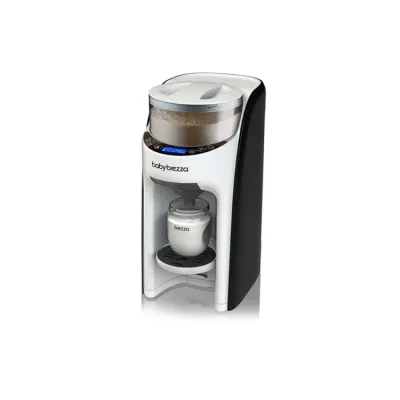
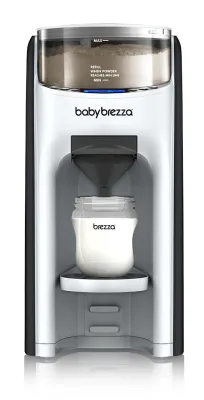
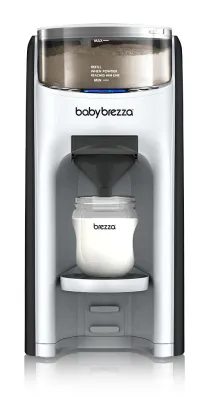
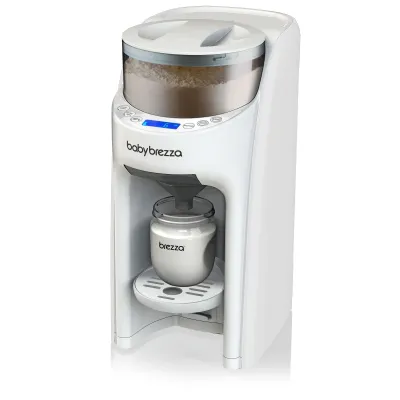
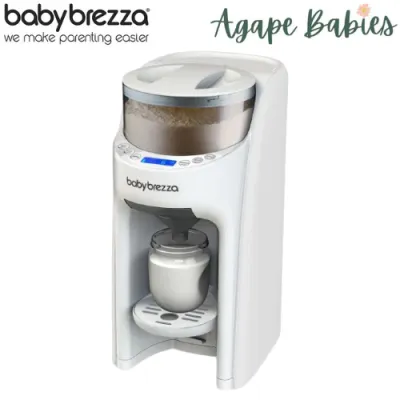
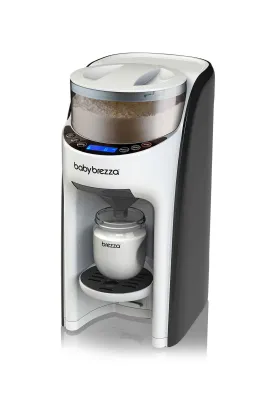
Prices are valid at publication and may change. Please refer to the product page for the latest price.
Standard cow’s milk formulas generally provide the most consistent results. These powders are typically dry, free-flowing, and less prone to absorbing ambient moisture, allowing them to pass smoothly through the dispensing wheel without clogging. Brands that fall into this category include standard infant and follow-on formulas from major manufacturers, which are widely available in Singapore retail outlets.
Specialized formulas, such as extensively hydrolyzed, amino acid-based, or anti-reflux (AR) varieties, often feature unique physical properties. They may be exceptionally fine, sticky, or contain added starches that clump easily. While many of these specialized formulas are supported by the machine, they require strict adherence to cleaning protocols and frequent manual checks to ensure the dispensing chute remains completely clear of residue.
What Makes a Formula Brand Compatible with the Baby Brezza?
To understand why some formula brands perform better in the Baby Brezza Formula Pro than others, it is helpful to examine the physical science of powder reconstitution and the mechanical design of the appliance. The machine does not weigh the powder; instead, it measures it volumetrically using a custom-selected setting wheel. Consequently, several physical attributes of the formula powder dictate its compatibility.

Powder Density and Scoop Volume
Infant formula manufacturers design their powders with specific bulk densities, which can vary based on the manufacturing process (such as spray-drying versus dry-blending). This density determines how much a single level scoop of formula weighs. Because the Baby Brezza Formula Pro dispenses powder by volume, any variation in the powder’s density will affect the final concentration of the bottle. Standard formulas have highly stable densities that match the machine’s mechanical calibration, whereas organic or specialty formulas may exhibit minor batch-to-batch density variations that can affect consistency.
Solubility at Fixed Temperatures
The Baby Brezza Formula Pro heats water to a selection of pre-set temperatures, typically designed to mimic body temperature or room temperature. A compatible formula must dissolve rapidly and completely at these warm temperatures without requiring vigorous shaking. Formulas that require exceptionally high water temperatures to dissolve properly, or those that recommend boiling water for preparation due to specific medical guidelines, may not reconstitute thoroughly in the machine, leaving undissolved clumps in the funnel.
Official Setting Availability
A formula brand is only as compatible as its official setting. Baby Brezza maintains an extensive, regularly updated online database where technicians list the tested setting numbers for thousands of formulas worldwide. Because formula recipes and packaging sizes can vary by country, a brand purchased in Singapore (which may be imported from Europe, Australia, or New Zealand) might require a different setting than the same brand name sold in the United States. You must verify that the exact regional variant of your formula tin is listed in the database.
Fat and Starch Content
The ingredients within the formula significantly influence how the powder behaves inside the machine’s dry storage container. Formulas with high concentrations of vegetable oils, added docosahexaenoic acid (DHA), or thickening starches (such as corn starch or carob bean gum) are inherently more cohesive and oily. These powders tend to cling to the plastic components of the dispensing wheel and the powder chute, creating a buildup that can restrict the flow of powder over time.
How to Match Your Formula Brand to the Correct Baby Brezza Setting
Operating the Baby Brezza Formula Pro safely requires absolute precision. Administering formula that is too diluted can lead to nutritional deficiencies, while formula that is too concentrated can strain an infant’s developing kidneys and cause dehydration. Parents must follow a rigorous verification process to match their chosen formula brand to the correct machine setting.
Consult the Official Database
Before preparing your first bottle, visit the official Baby Brezza settings website. Select your specific machine model, such as the Formula Pro Advanced, and select the region where you purchased your formula tin. Locate the exact brand, product name, and stage (e.g., Stage 1 for newborns or Stage 2 for older infants). The database will provide a specific number setting (typically ranging from 1 to 10) that you must program into the machine.
Cross-Reference the Formula Tin
Once you have identified the setting, cross-reference the machine’s expected output with the instructions printed on the formula tin. The tin will state the exact ratio of water to powder (for example, one level scoop of powder per 30ml of water). Ensure that the machine’s setting is designed to replicate this exact ratio. Do not rely on settings guides from third-party parenting forums or social media groups, as these can be outdated or based on different regional formulations.
Handling Unlisted or Regional Brands
If you are using a niche organic brand, a newly launched formulation, or a specific parallel-imported tin that is not listed in the Baby Brezza database, do not attempt to guess the setting. Instead, follow this protocol:
- Contact Support: Reach out directly to Baby Brezza customer service to request that they test the specific formula tin and provide an official setting.
- Perform a Manual Calibration Check: You can verify the machine's dispensing accuracy using a highly precise digital kitchen scale that measures in grams. To do this, place a small piece of plastic wrap inside the dry mixing funnel to catch the powder before it mixes with the water. Run a single-bottle cycle. Weigh the dispensed powder on the scale and compare it to the weight of the physical scoops recommended by the formula manufacturer for that volume of water. If the weights do not match, do not use the machine for that formula.
Safety Boundary
Never guess or approximate a setting. If your baby’s formula brand or stage is not listed, or if your manual verification tests show inconsistent weights, stop using the machine immediately. Prepare your baby’s bottles manually using the manufacturer’s scoop and instructions until you can obtain verified setting information from an official source.
Mixing Performance: Standard vs. Specialty Formulas
Different classes of infant formula behave uniquely under automated dispensing conditions. Understanding how these categories perform mechanically can help you select a formula that aligns with your lifestyle and maintenance preferences.
Standard Cow's Milk Formulas
Standard cow’s milk formulas represent the baseline for which the Baby Brezza Formula Pro was engineered. These powders feature a uniform, granular consistency that resists moisture absorption and flows smoothly through the internal dispensing wheel.
- Performance: High consistency, minimal clumping, and excellent dispensing accuracy across consecutive cycles.
- Decision Rule: Choose standard cow's milk formulas if your baby tolerates them well and you want a highly reliable, hands-off automated preparation experience with standard cleaning intervals.
Gentle or Partially Hydrolyzed Formulas
Gentle formulas feature proteins that have been partially broken down (hydrolyzed) to facilitate easier digestion. This chemical alteration changes the physical texture of the powder, often making it lighter, fluffier, or more prone to static electricity.
- Performance: The powder can cling to the sides of the dry container due to static, occasionally causing slight variations in the volume dispensed if the container is low.
- Decision Rule: Ensure you match the exact product name in the settings guide, keep the powder container at least half full to maintain consistent gravity pressure, and inspect the powder chute daily for static-induced buildup.
Anti-Reflux (AR) or Thickened Formulas
Anti-reflux formulas are specifically formulated with added starches (such as rice starch) that thicken in the stomach to help reduce spitting up. These starches make the powder highly sensitive to moisture and steam.
- Performance: When the machine dispenses hot water into the funnel, steam rises directly into the powder chute. The starch in AR formulas absorbs this moisture instantly, leading to rapid clumping, severe clogging, and dangerously diluted bottles.
- Decision Rule: Avoid using heavily thickened or AR formulas in the Baby Brezza Formula Pro unless the manufacturer explicitly supports the specific brand and you are prepared to clean the funnel and chute after every single bottle.
Plant-Based or Extensively Hydrolyzed Formulas
Hypoallergenic formulas (extensively hydrolyzed or amino acid-based) and soy-based formulas are designed for infants with severe milk protein allergies or sensitivities. These powders are often very fine, chalky, or greasy.
- Performance: These powders can leave a heavy, oily residue inside the mixing funnel and may clump easily in humid environments like Singapore.
- Decision Rule: Only use these formulas if they are officially supported in the database. Be prepared for a more rigorous daily cleaning routine to prevent residue buildup from affecting the taste and hygiene of subsequent bottles.
Machine Maintenance and Temperature Checks by Formula Type
The choice of formula brand directly impacts the daily upkeep, hygiene, and temperature safety of your Baby Brezza Formula Pro. To ensure the machine continues to operate safely, parents must implement a strict maintenance routine tailored to their chosen formula type.
Temperature Verification
Before setting up your machine, check the formula tin for any specific temperature warnings. Many premium formulas contain added probiotics or live cultures designed to support gut health. If these powders are exposed to excessively hot water, the beneficial bacteria can be destroyed. Ensure the machine’s temperature setting (Room Temp, Body Temp, or Warm) does not exceed the maximum preparation temperature recommended by the formula manufacturer.
Cleaning Frequency Based on Formula
While the Baby Brezza Formula Pro features a warning light that requires you to clean the funnel after every four bottles, certain formulas require even more frequent attention. High-fat formulas, gentle formulas, and those with added DHA oils leave a sticky film on the inside of the funnel and the underside of the powder container. If you notice a thin layer of powder sticking to these parts, do not wait for the four-bottle warning; clean the components immediately to prevent blockages.
Actionable Maintenance Routine
To ensure consistent dispensing accuracy and prevent bacterial growth, adhere to the following maintenance schedule:
- Daily Funnel Clean: Remove the mixing funnel and funnel cover. Wash them thoroughly in warm, soapy water, rinse completely, and dry them with a clean paper towel. Before reinserting the funnel, use a dry paper towel or the provided brush to wipe away any loose powder from the underside of the powder container (the powder chute).
- Weekly Deep Clean: Empty all remaining powder from the dry container into a clean, airtight storage container. Disassemble the entire powder container, including the setting wheel and locking collar. Wash all parts in warm, soapy water.
- The Golden Rule of Reassembly: Every single component must be 100% dry before you reassemble the machine and pour the powder back in. Even a single drop of moisture can cause the powder to clump instantly inside the dispensing wheel, blocking the flow and resulting in a watery, nutritionally inadequate feed.
Frequently Asked Questions (FAQ)
Can I use ready-to-feed liquid formula in the Baby Brezza Formula Pro?
No, the Baby Brezza Formula Pro is designed exclusively for use with dry powder formulas and clean water. The internal mechanics of the machine rely on a dry powder container and a separate water reservoir to mix the formula on demand. Attempting to pour ready-to-feed liquid formula, liquid concentrates, or milk alternative liquids into any part of the machine will damage the heating and pumping systems, void the manufacturer’s warranty, and create a severe hygiene risk due to bacterial growth within the internal tubing. Liquid formulas must always be prepared and warmed manually according to their specific packaging instructions.
What should I do if the Baby Brezza dispenses the wrong amount of powder?
If you suspect the machine is dispensing an incorrect concentration of formula, stop using it immediately and prepare your baby’s bottles manually. To troubleshoot the issue, first verify that the programmed setting matches the official online guide for your specific formula brand, stage, and country of origin. Next, check that the powder level in the container is above the minimum line and has not been packed down too tightly. Inspect the powder chute and mixing funnel for any dampness, clumping, or physical blockages. Finally, perform a manual weight test using a digital scale to verify the output. If the machine continues to dispense inconsistent amounts, contact Baby Brezza customer support for technical assistance.
Are organic formula brands compatible with the Baby Brezza?
Many organic formula brands are fully compatible with the Baby Brezza Formula Pro, provided their specific regional variant and stage are officially listed in the settings database. However, organic formulas often omit synthetic anti-caking agents or free-flowing additives. This omission can make the powder more sensitive to ambient humidity and more prone to clumping or sticking to the dispensing components. When using organic formulas, it is critical to perform daily inspections of the powder chute and clean the mixing funnel regularly to ensure the powder flows freely and dispenses accurately.
Community discussion
Share your experience or ask a question. Comments are reviewed before publication.