
Finding the perfect foldable playmat for outdoor excursions in Singapore requires balancing portability with robust protection against the tropical elements. Whether you are planning a family picnic at the Singapore Botanic Gardens, a beach day at Sentosa, or a quick play session at a local park in East Coast, the right mat protects your little one from rough surfaces, damp grass, and intense ground heat. While brands like Alzipmat and Parklon offer premium cushioning and exceptional durability, lighter options from brands like Skip Hop and Tiny Twinkle cater to families prioritizing compact travel. Choosing the right brand depends on your specific outdoor environments, transport methods, and how much weight you are willing to carry.
To make an informed decision, you must evaluate how different materials, folding mechanisms, and thicknesses perform under Singapore’s unique climate conditions. A playmat that performs beautifully on a flat living room floor may wear out quickly or trap heat when placed on outdoor concrete, grass, or sand. By understanding these key factors, you can select a mat that keeps your baby comfortable and safe during every outdoor adventure.
What Makes a Foldable Playmat Suitable for Singapore's Outdoors?
Using a foldable playmat outdoors in Singapore presents a unique set of environmental challenges that indoor mats rarely encounter. The combination of high humidity, sudden tropical downpours, and intense solar heat means that standard indoor playmats may degrade, warp, or become safety hazards if used outdoors without careful selection. Understanding the structural and material requirements of an outdoor-friendly mat is the first step to ensuring a safe play space.
Products mentioned in this guide
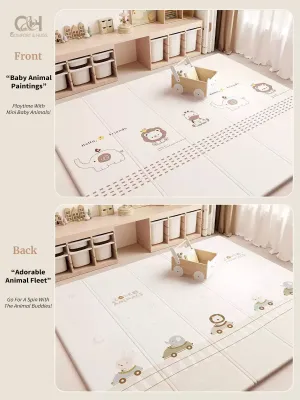
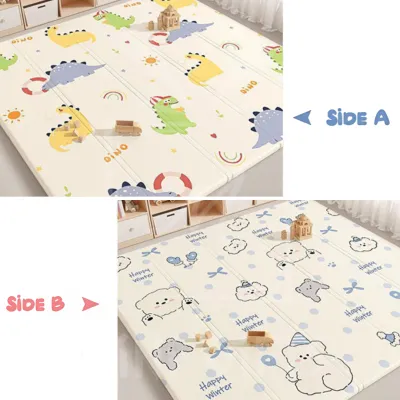
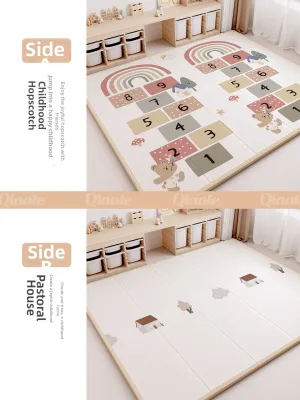
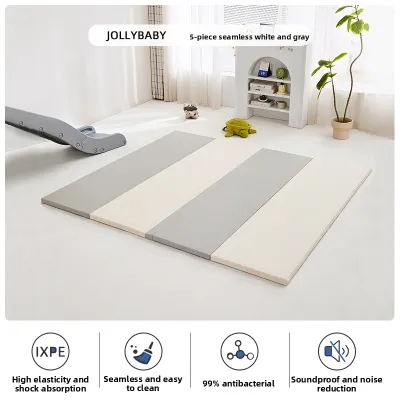
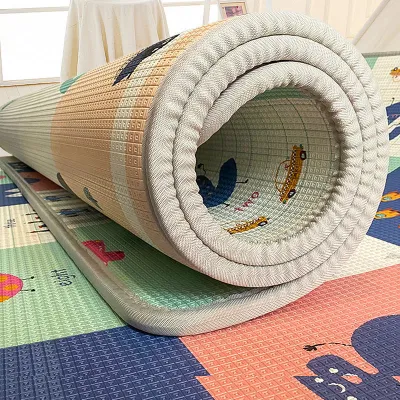
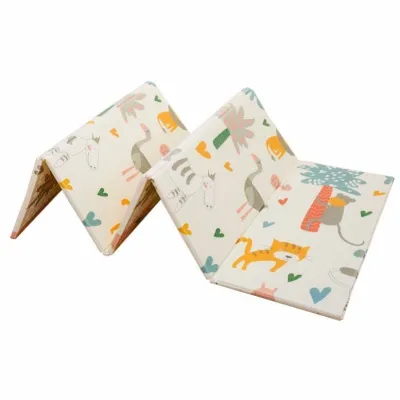
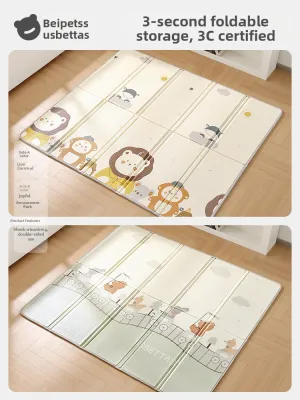
Prices are valid at publication and may change. Please refer to the product page for the latest price.
Material and Weather Resistance
The outer material of your playmat determines how well it resists moisture, dirt, and physical wear. Common materials include Polyethylene (PE), Polyurethane (PU), and Thermoplastic Polyurethane (TPU). PE is exceptionally lightweight and naturally water-resistant, making it easy to shake off sand or wipe away damp mud. However, it can crease permanently under heavy pressure. PU is often used as an outer cover for premium mats; it offers a luxurious, soft feel, but cheap PU can degrade or peel when exposed to persistent moisture and high humidity. TPU is highly elastic and durable, offering excellent resistance to scratches and tears from twigs or small pebbles.
Regardless of the material type, always check the manufacturer’s product label for explicit “waterproof” or “outdoor use” claims. Do not assume that a mat labeled “easy to clean” is fully waterproof or capable of blocking moisture from damp grass. In Singapore’s humid climate, any moisture trapped beneath a non-waterproof mat can quickly seep into the inner foam, creating an ideal breeding ground for mold and mildew.
Thermal Insulation
Singapore’s sun can heat outdoor surfaces like concrete paths, wooden decking, and sand to high temperatures in a matter of minutes. A quality outdoor playmat must act as an effective thermal barrier to protect your baby’s sensitive skin from these hot surfaces. The effectiveness of this barrier depends heavily on the density and thickness of the internal foam.
Mats with a thickness of 1.5cm to 2.0cm offer superior thermal insulation compared to thin, fabric-based picnic blankets. High-density XPE (cross-linked polyethylene) foam or multi-layered polyurethane foam prevents the ground’s heat from radiating through the mat. However, even the thickest mat can absorb ambient heat if left in direct, prolonged sunlight. Always position your playmat in a shaded area, and never leave a child on a mat that has been sitting in the sun without first checking the surface temperature with your own hand.
Portability and Folding Mechanism
Getting to your outdoor destination in Singapore often involves navigating public transport, loading car boots, or pushing strollers through crowded spaces. Therefore, how a playmat folds and travels is just as important as how it performs on the ground. The two primary folding styles are accordion folds and multi-panel folds.
Accordion-fold mats feature alternating creases that allow the mat to collapse quickly into a compact, rectangular stack. These are highly convenient for rapid deployment but can sometimes collect dirt or grass within the creases. Multi-panel folds typically consist of three or four thick, rigid segments that fold over one another. While these provide a flatter, more seamless play surface, they are bulkier and harder to carry without a dedicated vehicle. Look for models that include built-in carrying handles, integrated travel straps, or a dedicated storage bag to simplify your journey.
Durability and Wear
Outdoor surfaces are inherently abrasive. Concrete, gravel, dry grass, and sand can quickly wear down the outer protective layer of a playmat. To ensure your investment lasts, pay close attention to the seam construction and edge binding.
Mats with heat-sealed edges are generally superior for outdoor use because they lack exposed stitching that can fray, trap dirt, or absorb water. If a mat uses fabric borders, ensure the stitching is tight, reinforced, and made from synthetic, quick-drying fibers like polyester. High-quality edge binding prevents the layers of the mat from delaminating (peeling apart) after repeated folding and unfolding on rough ground.
Recommended Foldable Playmat Brands for Outdoor Adventures
While many brands produce excellent playmats, not all models within a brand’s lineup are suited for outdoor use. When evaluating the following brands, remember to verify the specific model’s material composition, weight, and thickness before making a purchase, as product specifications can vary widely between different collections.

Premium Brands for Durability and Comfort
For parents who prioritize maximum cushioning and superior protection on uneven ground, premium brands offer thick, high-density foam structures that turn rough outdoor surfaces into comfortable play zones.
- Parklon: Known for its highly durable and versatile playmats, Parklon offers specialized folding mats made from high-density PE (often referred to as their portable or folding space mats). These mats provide excellent shock absorption, making them ideal for parks with hard or bumpy ground. The outer surface is highly resistant to punctures from small twigs and stones, and the lightweight nature of their PE line makes them surprisingly easy to transport despite their thickness.
- Alzipmat: This brand is famous for its premium folder mats featuring a patented multi-layered egg-box foam structure wrapped in a high-quality PU leather cover. Alzipmat provides unparalleled cushioning, making it the safest option for babies learning to sit or crawl on hard surfaces like concrete patios. The thick panels isolate the baby completely from ground temperature variations.
Verification Checklist:
- Folded Dimensions: Check if the folded mat fits into your car boot or can be securely strapped to your stroller.
- Weight: Verify the total weight; premium thickness often translates to a heavier load (sometimes over 3kg), which may be challenging to carry on public transport.
- UV Resistance: Confirm if the manufacturer provides guidelines on sun exposure, as prolonged UV rays can degrade PU leather covers over time.
Lightweight and Travel-Friendly Brands
If your outdoor adventures involve frequent travel, public transport, or long walks, lightweight and highly compact brands are often the most practical choice.
- Skip Hop: Skip Hop offers travel-friendly folding mats designed specifically for parents on the go. These mats prioritize quick setup and compact storage, often featuring integrated folding straps and carrying handles that allow you to sling the mat over your shoulder like a bag. The materials are lightweight, water-resistant, and designed for quick wipe-downs after contact with grass or park dirt.
- Tiny Twinkle: Specializing in highly portable gear, Tiny Twinkle provides ultra-lightweight folding mats that can easily slide into a diaper bag or stroller basket. These mats utilize thinner, high-density foam or padded water-resistant fabrics that offer basic protection from damp grass and dirt without the bulk of traditional foam mats.
Verification Checklist:
- Cushioning Limits: Manage your expectations regarding impact protection; thinner travel mats (under 1cm) are designed for clean containment rather than absorbing falls on hard concrete.
- Hinge Reinforcement: Inspect the folding hinges of lightweight mats to ensure they are reinforced against tearing, as thin materials can split under repeated stress.
- Thermal Rating: Verify if the thin material is sufficient to block heat when placed on sun-exposed surfaces like metal park benches or dark sand.
Versatile and Multi-Purpose Options
For families seeking a single solution that transitions seamlessly from an indoor play space to an outdoor picnic blanket, versatile and budget-friendly brands offer the best cost-to-benefit ratio.
- Reversible PE Mats (Various Brands): Many manufacturers offer reversible folding mats featuring a colorful, educational baby pattern on one side and a neutral, stylish picnic-style pattern on the other. These mats are typically made from lightweight XPE foam, making them highly affordable and easy to clean. Because they are cost-effective, parents can use them in messy environments like muddy parks or sandy beaches without worrying about ruining an expensive indoor showpiece.
- Dual-Purpose Picnic Playmats: Some brands offer hybrid mats that combine a water-resistant canvas top layer with a thin, padded foam inner layer and a fully waterproof PEVA bottom layer. These function exceptionally well as general family picnic blankets while still providing a clean, padded surface for baby play.
Verification Checklist:
- Seam Integrity: Ensure the outer edges are fully sealed or bound with heavy-duty stitching to prevent water from seeping into the inner foam layer during damp outdoor use.
- Foam Type: Confirm whether the mat uses PE or PU. PE is highly recommended for budget-friendly outdoor use due to its superior water resistance and lightweight properties, though it is less plush than PU.
- Cleanability: Verify that both sides of the mat can be easily wiped clean with a damp cloth, as some fabric-topped hybrid mats may require machine washing, which can wear down the waterproof backing over time.
Caring for Your Foldable Playmat in a Humid Climate
Singapore’s hot and humid climate requires diligent maintenance to prevent your foldable playmat from developing mold, unpleasant odors, or material degradation. Taking a few minutes to properly clean and store your mat after each outdoor trip will significantly extend its lifespan and ensure a hygienic play environment for your baby.
Immediate Post-Outdoor Cleaning
Before folding your mat to head home, shake it vigorously to remove loose sand, dry grass, and dirt. Once home, perform a thorough wipe-down to remove organic debris, sweat, and sunscreen residue. Use a soft, damp microfiber cloth and a mild, baby-safe soap mixed with warm water.
Avoid using harsh chemical cleaners, bleach, alcohol-based sanitizers, or abrasive scrubbing brushes. These harsh agents can strip away the waterproof coating, fade the printed designs, and weaken the outer material, leading to premature cracking or peeling. If you encounter stubborn dirt or mud, let a damp cloth sit on the spot for a few minutes to soften the debris before gently wiping it away.
Drying Protocols
Moisture is the primary catalyst for mold and mildew growth, especially when a mat is folded and stored in Singapore’s high humidity. After cleaning, you must ensure the playmat is completely dry before folding it.
Air-dry the mat by draping it over a drying rack or standing it upright in a shaded, well-ventilated indoor area or a sheltered balcony. Never leave the mat to dry in direct, intense sunlight. Prolonged exposure to UV rays can warp the internal foam, melt heat-sealed edges, cause the outer cover to peel, and fade the colors. If you are in a hurry, you can dry the surface manually with a clean, dry towel before letting it air-dry.
Storage Best Practices
Store your dry playmat in a cool, dry indoor location away from direct sunlight and high humidity. Avoid storing it in tight, unventilated spaces like outdoor utility closets, damp storerooms, or the trunk of your car, where temperatures can soar and trap ambient moisture.
Do not leave the mat compressed inside its carrying bag or strapped tightly for extended periods if there is any chance of residual moisture. If you do not plan to use the mat for several weeks, store it loosely folded or flat to prevent permanent creasing along the hinges, and occasionally take it out to air in an air-conditioned room to prevent moisture buildup.
Inspecting for Damage
Perform regular visual inspections of your playmat, focusing on the folding hinges, corner seams, and edge bindings. Look for signs of wear such as peeling outer layers, deep creases that do not flatten, or small punctures that could allow water to enter the inner foam.
If you notice a persistent musty odor, dark spots indicating mold growth, or if the waterproof outer barrier is visibly compromised, discontinue outdoor use immediately. A damaged waterproof barrier allows moisture and bacteria to accumulate inside the foam, which cannot be easily cleaned and may pose health risks to your baby’s sensitive skin and respiratory system.
Frequently Asked Questions (FAQ)
Can I leave my foldable playmat outside overnight or in the rain?
No, you should never leave a foldable playmat outside overnight or in the rain. While many outdoor-friendly playmats are water-resistant, they are not designed to withstand prolonged exposure to heavy rain or overnight dew. Leaving a mat outdoors allows water to seep into the seams, hinges, and fabric borders, which will trap moisture inside the structure. This trapped water is extremely difficult to dry completely and will rapidly lead to mold, mildew, and structural rot. Additionally, nighttime humidity and temperature fluctuations can degrade the outer protective coatings. Always wipe down, dry, and bring your playmat indoors after every use.
Are foldable playmats safe for hot surfaces like sand or concrete?
Foldable playmats with a thickness of 1.5cm or more provide excellent thermal insulation, but they have physical limits and are not completely impervious to extreme heat. Under Singapore’s intense afternoon sun, dark sand and concrete can reach temperatures high enough to transfer heat through the foam over time. Always test the surface temperature of the playmat with your own hand before placing your baby on it. If the mat feels hot to your touch, it is too hot for your baby. To ensure safety, always position your playmat in a fully shaded area, such as under a park tree or a beach shelter, and avoid placing it on sun-baked surfaces during peak afternoon hours.
What is the difference between a foldable playmat and a roll-up mat for outdoors?
The primary difference lies in their structure, portability, and ease of cleaning. Foldable playmats use hinged panels that fold flat against each other, making them highly compact, easy to pack into flat spaces like car boots, and simple to stand upright for drying. Because they fold flat, the clean play side does not touch the dirty bottom side when packed.
Roll-up mats roll into a continuous cylinder. While they offer a seamless surface with no folding creases to trap dirt, rolling them up often forces the dirty bottom surface to press directly against the clean top surface. Roll-up mats can also be bulkier to carry on public transport. For structured park play and easy flat storage, choose a foldable playmat; for quick, flexible coverage in wide-open spaces where you can easily wash the entire surface, a roll-up mat may suffice.
Community discussion
Share your experience or ask a question. Comments are reviewed before publication.