
Finding a reliable baby playmat foldable design is essential for parents navigating Singapore’s active outdoor spaces, family visits, and public transit. A travel-ready playmat must protect your baby from hard surfaces while remaining light enough to carry alongside strollers and diaper bags. Whether you are heading to the Singapore Botanic Gardens for a morning picnic, visiting grandparents in an HDB flat, or catching an MRT train during off-peak hours, the right portable mat serves as a clean, cushioned sanctuary for your little one.
Navigating the options requires balancing portability with physical protection. A mat that is too bulky will end up left behind in the storeroom, while one that is too thin might not offer enough shock absorption for a baby learning to sit or crawl. By understanding the different materials, folding mechanisms, and maintenance needs suited for Singapore’s tropical climate, you can make an informed choice that fits your family’s lifestyle.
Quick Guide: Choosing a Travel-Ready Playmat
In Singapore, “travel-ready” is defined by the logistics of urban transit and outdoor spaces. A truly portable mat must easily slide into a standard stroller’s undercarriage basket, fit neatly in the boot of a ride-hail car, or be light enough to sling over your shoulder while boarding a public bus. Because Singaporean parents frequently transition between air-conditioned shopping malls and humid outdoor parks, versatility is key.
Products mentioned in this guide
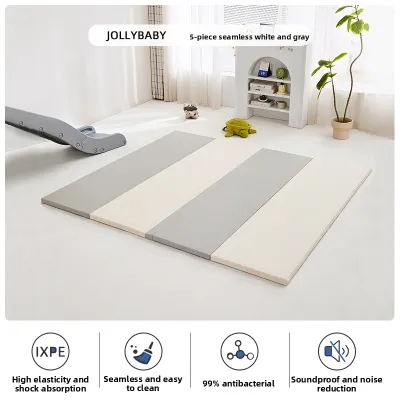
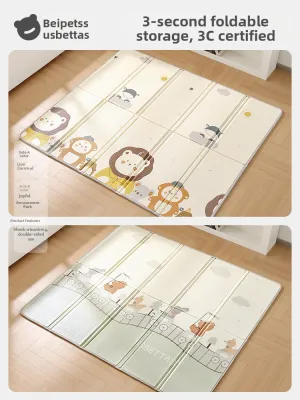
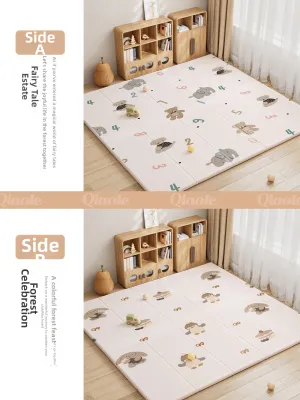
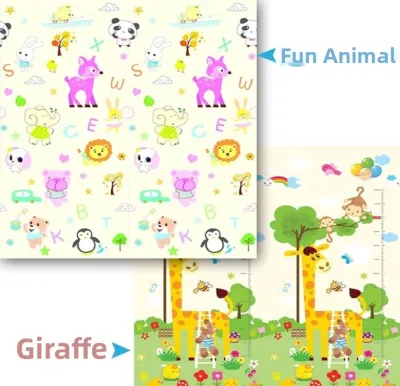
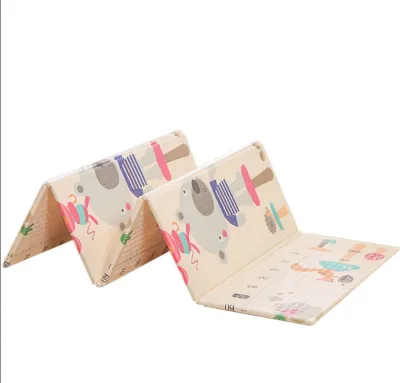
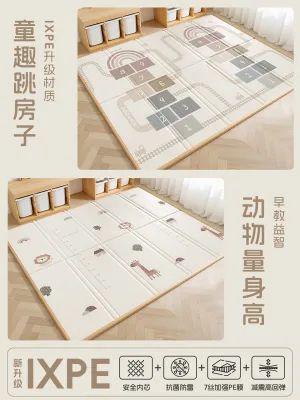
Prices are valid at publication and may change. Please refer to the product page for the latest price.
The core decision-making factor centers on a direct trade-off: balancing ultra-lightweight, compact designs with adequate cushioning thickness. Thicker mats provide better fall protection for active babies but require more storage space and add physical weight to your gear. Conversely, ultra-thin travel mats pack down to the size of a book but offer minimal protection against hard tiled floors or concrete pathways.
To find the perfect balance, you must evaluate three main areas. First, assess the physical dimensions and carrying options to ensure they match your daily transit habits. Second, verify the material safety and suitability for Singapore’s humid weather. Finally, match the mat’s thickness and structure to your baby’s current developmental stage and the specific environments where you plan to use it.
Essential Features to Check Before You Buy
Weight, Folded Size, and Carrying Options
Before purchasing any foldable playmat, you must measure its folded dimensions and compare them directly with your stroller’s storage basket or your car’s boot space. Stroller baskets vary widely in shape and capacity; a mat that looks compact in a showroom might not fit beneath your specific stroller model once diaper bags and water bottles are packed. If you rely on public transport, a mat that cannot fold flat or slide into a compact space will quickly become a major inconvenience during peak-hour commutes.

Carrying mechanisms dictate how far you can comfortably transport the mat on foot. Simple built-in handles are highly convenient for short walks from the car to a relative’s living room, but they can tire your hands quickly during longer excursions. For walking through parks or navigating transit interchanges, look for mats that include detachable shoulder straps or dedicated carrying bags. These accessories keep your hands free to push the stroller, carry your baby, or handle ticketing gates.
Total packed weight is another critical factor that parents frequently overlook. When you are already carrying a baby, a diaper bag, and potentially a stroller, every additional kilogram matters. Aim for a total packed weight that you can comfortably lift with one hand. Checking the manufacturer’s specified weight on the packaging before buying ensures you do not accidentally purchase a heavy domestic mat disguised as a travel option.
Material Safety and Climate Suitability
Singapore’s high humidity and sudden tropical downpours demand materials that are easy to clean and highly resistant to moisture. Non-porous, wipe-clean surfaces such as cross-linked polyethylene (XPE) or polyurethane (PU) leather are excellent for outdoor use because they do not absorb dampness from wet grass or sweat. Spills, drool, and dropped food can be wiped away instantly with a damp cloth, preventing stains from setting in while you are away from home.
Fabric playmats, while soft and comfortable, present different challenges in a tropical climate. If a fabric mat gets wet from a spill or damp ground, it can remain soggy for hours, creating an unpleasant environment and potentially harboring bacteria. If you prefer a fabric option, ensure it features a water-resistant bottom barrier to block ground moisture, and verify that the entire mat is fully machine-washable so you can clean it thoroughly after every outing.
Material safety is paramount, as babies spend significant time in direct skin contact with the mat’s surface. You should look for clear, verifiable product labels indicating that the materials are free from harmful chemicals such as BPA, phthalates, lead, and formamide. Because safety claims can sometimes be vague, check the manufacturer’s official documentation or product packaging for verified compliance with internationally recognized toy safety standards before making your purchase.
The backing of the mat must also suit the surfaces you frequent. Smooth indoor floors, polished shopping mall tiles, and outdoor pavements can be highly slippery. Look for a mat with a textured, non-slip backing or high-friction patterns to keep the play area securely in place. A sliding mat can easily cause slips or falls, especially when your baby is practicing crawling, pulling up, or taking their first steps.
Thickness and Shock Absorption
Travel-friendly playmats are generally thinner than permanent home playmats to maintain portability. While a standard home mat often measures between 1.5 cm and 4 cm in thickness, portable options typically range from 0.5 cm to 1.5 cm. This reduced thickness directly impacts the mat’s shock absorption capabilities, making it essential to choose a thickness that matches your baby’s physical development and your planned activities.
Always consult the manufacturer’s guidelines regarding age, weight, and developmental suitability. For younger infants who are primarily practicing supervised tummy time, a thinner, firmer mat is often sufficient to provide a stable surface. However, if your baby is at the stage of sitting up, rolling over, or learning to stand, they are more prone to sudden falls. In these instances, a slightly thicker mat with high-density foam is necessary to protect their head and joints from hard impacts.
The choice of thickness should also depend on where you intend to set up. If you are visiting friends or relatives with carpeted or smooth wooden floors, a thin, highly compact mat is perfectly adequate to provide a clean barrier. For outdoor park outings on hard ground, uneven grass, or concrete patios, a thicker mat is highly recommended to smooth out surface imperfections and provide comfortable cushioning for extended play.
Best Types of Foldable Playmats for Different Outings
XPE Foam Folding Mats
XPE foam folding mats are among the most popular choices for parents seeking a lightweight and budget-friendly solution. Made from cross-linked polyethylene, these mats feature an accordion-style folding design that allows them to collapse quickly into a neat, rectangular block. The inherent structure of XPE foam provides a good balance of physical cushioning and water resistance without adding unnecessary weight to your travel gear.
One of the primary benefits of XPE foam is its closed-cell structure, which prevents liquids from absorbing into the material. If your baby spills milk or water during a picnic at East Coast Park, you can easily wipe the liquid away without worrying about lingering dampness or odor. Additionally, the textured surface of these mats often features embossed patterns, which help improve traction for babies who are learning to crawl or stand.
However, XPE foam mats have specific limitations that you should consider. The accordion-fold design relies on permanent creases, which can experience wear and tear over extended periods of frequent folding and unfolding. Over time, these creases may become prone to cracking or trapping dirt if not cleaned regularly. Furthermore, while highly functional and lightweight, XPE mats generally have a more utilitarian, brightly patterned appearance that may not appeal to parents seeking a minimalist or premium aesthetic.
PU Leather Folding Mats
For parents prioritizing hygiene, durability, and a premium look, PU leather folding mats are an excellent alternative. These mats typically feature a high-density, multi-layered foam core encased in a smooth, premium polyurethane (PU) leather cover. Because the outer cover is completely waterproof and seamless along the main play areas, it offers superior protection against liquid penetration, making it incredibly easy to sanitize after use in public spaces.
PU leather mats are highly suited for indoor outings, such as visits to cafes, restaurants, or playdates at friends’ homes. Their sleek, minimalist designs blend seamlessly with modern interiors, and the high-density foam core provides exceptional shock absorption despite being folded into a relatively compact shape. The durable outer cover is also highly resistant to scratches and punctures, ensuring the mat maintains its structural integrity over years of use.
The main trade-off with PU leather mats is their physical weight and bulk. The high-density foam and heavy-duty outer cover make these mats noticeably heavier than their XPE counterparts. They do not fold down as compactly, meaning they are less ideal for long walks or crowded public transport commutes where space is limited. They also carry a higher price point, making them a more substantial investment for families who plan to use them frequently.
Quilted Fabric and Padded Travel Mats
Quilted fabric and padded travel mats represent the most minimalist and compact option available. These mats are typically made from soft cotton, polyester, or blended fabrics with a thin layer of internal padding. Instead of folding along rigid creases, they can be rolled up tightly or folded multiple times, often fitting easily inside a standard diaper bag or backpack alongside your other daily essentials.
The standout feature of fabric mats is their ease of maintenance. When your baby drools, spits up, or spills food, you can simply toss the entire mat into the washing machine when you return home. This makes them highly hygienic and convenient for parents who dislike manual wiping. The soft texture of the fabric is also gentle on a baby’s sensitive skin, making it an excellent choice for cozy indoor environments or clean, dry grassy areas.
However, it is important to recognize that fabric mats offer very little shock absorption. Because they lack a thick foam core, they cannot protect a falling baby from hard impacts on tiled floors or concrete. They are best utilized as a clean, comfortable barrier for supervised play, diaper changes, or tummy time rather than as primary fall protection. They are also prone to shifting or bunching up on smooth surfaces unless equipped with a highly effective non-slip backing.
How to Use and Maintain Your Portable Playmat
Safe Setup on Different Surfaces
To ensure your baby’s safety, always select a flat, even surface when setting up your portable playmat. Uneven ground can create tripping hazards for you and your baby, and it can place uneven pressure on your baby’s developing joints during play. Before laying the mat down, inspect the area carefully for small rocks, twigs, sharp objects, or debris that could puncture the mat or cause discomfort to your baby.
Avoid placing the playmat on hot surfaces, such as sun-baked concrete pathways, wooden decking exposed to direct sunlight, or dark pavements. In Singapore’s tropical climate, these surfaces can reach high temperatures rapidly, transferring heat through the mat and posing a risk of discomfort or burns to your baby’s skin. Similarly, keep the mat a safe distance away from water edges, pool sides, or steep slopes to prevent accidental slips or rolling hazards.
Always remember that a playmat is a supportive tool and never a replacement for active adult supervision. Public spaces, parks, and family gatherings present unpredictable factors, including foot traffic, running children, and unleashed pets. Keep your baby within arm’s reach at all times, and periodically check that the mat has not shifted or bunched up, which could compromise its stability or safety.
Cleaning and Storage in Humid Weather
Maintaining proper hygiene is critical to extending the lifespan of your foldable playmat and protecting your baby’s health. For non-porous mats like XPE and PU leather, establish a routine of wiping down the surface after every outdoor use. Use a clean, damp cloth and a mild, baby-safe soap or specialized toy cleaner. Avoid harsh household chemicals, bleach, or abrasive scrubbing pads, as these can degrade the protective waterproof coatings and fade the printed designs.
In Singapore’s highly humid climate, moisture management is the most important step in preventing mold, mildew, and unpleasant odors. After wiping down your mat, or if it has been exposed to damp grass, you must allow it to air-dry completely in a well-ventilated indoor space before folding it away for storage. Folding a damp mat traps moisture within the creases and seams, creating an ideal breeding ground for mold and bacteria that can ruin the material and irritate your baby’s skin.
When storing your folded playmat at home, choose a cool, dry location away from direct sunlight. Prolonged exposure to UV rays can break down the internal foam structures of XPE and PU mats, causing them to become brittle, lose their cushioning properties, or fade prematurely. Avoid stacking heavy objects on top of the folded mat during storage, as constant heavy pressure can permanently compress the foam and distort the folding creases, making it difficult to lay flat during future use.
Frequently Asked Questions (FAQ)
Are foldable playmats safe for newborns?
Yes, foldable playmats are safe for newborns to use for supervised activities like tummy time or gentle stretching. However, you must always follow the manufacturer’s specific age, weight, and developmental guidelines printed on the product packaging. Newborns should never be left unattended on any playmat, and you must ensure the surface is flat and firm enough to support their head and neck safely without posing a suffocation risk.
Can I leave a foldable playmat outdoors in the sun or rain?
No, you should not leave a foldable playmat exposed to the elements for extended periods. Prolonged exposure to direct sunlight and UV radiation can damage the foam materials, causing them to degrade, fade, and lose their shock-absorbing capabilities. If rain begins, pack the mat away immediately; trapped rainwater can seep into seams, create slipping hazards, and promote rapid bacterial and mold growth in Singapore’s humid climate.
How do I carry a bulky folding mat on public transport?
To navigate Singapore’s MRT and buses comfortably, use a dedicated carrying bag with a padded shoulder strap to keep your hands free for your baby and stroller. Always fold the mat into its tightest, most compact configuration before boarding. During peak travel hours, keep the mat close to your body to avoid blocking narrow aisles, doors, or priority seats, ensuring a smooth and polite commute for everyone.
Community discussion
Share your experience or ask a question. Comments are reviewed before publication.