
When you are traveling or heading out for a day of activities with your baby, finding a clean, safe, and comfortable surface for them to play or rest on can be a major challenge. A high-quality baby playmat foldable design solves this dilemma by offering a portable, cushioned space that you can pack up and carry anywhere. Unlike bulky residential mats, these travel-friendly options fold down into compact, manageable shapes that fit easily into stroller baskets, car boots, or luggage. Choosing the right one requires balancing weight, ease of cleaning, and cushioning to match your family’s on-the-go lifestyle.
Why a Baby Playmat Foldable Design is Essential for Travel
Traditional playmats, such as thick roll-up models or interlocking puzzle tiles, are excellent for permanent setups in a home nursery, but they quickly become a liability when you leave the house. Roll-up mats remain long and awkward even when secured, making them nearly impossible to carry on public transport or pack into a compact car boot. Interlocking puzzle mats, on the other hand, require tedious assembly and disassembly, and their numerous seams easily trap dirt, dust, and outdoor debris. Furthermore, carrying loose tiles around increases the risk of losing pieces during transit, rendering the entire set less functional.
In contrast, a dedicated baby playmat foldable structure offers a seamless setup that takes only seconds to deploy or pack away. Designed with pre-creased hinges, these mats fold flat into a neat, rectangular shape that maximizes storage efficiency. This compact footprint makes them incredibly easy to slip into the undercarriage basket of a stroller, tuck behind a car seat, or check in as part of your luggage for flights. Because they fold inward, the side that touches the dirty ground is kept completely separate from the clean surface where your baby sits and plays.
Products mentioned in this guide
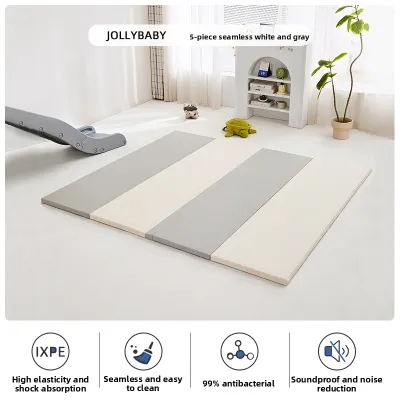
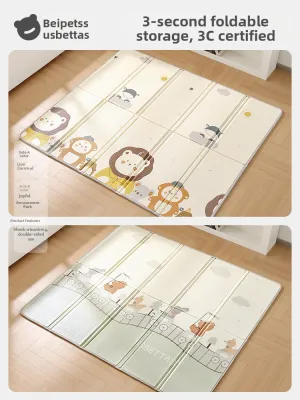
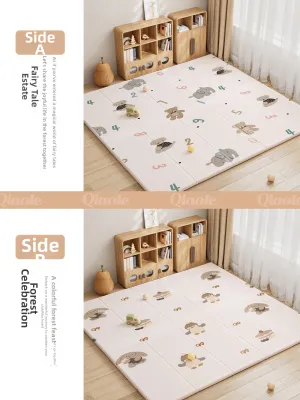
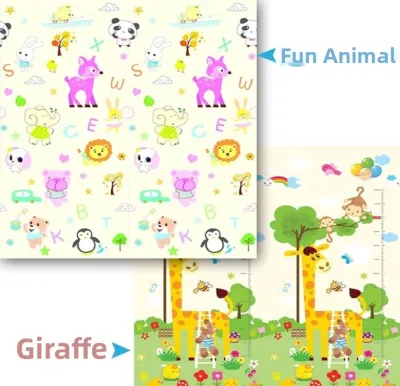
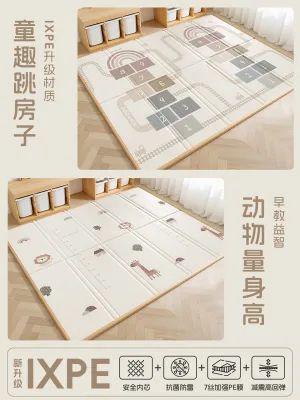
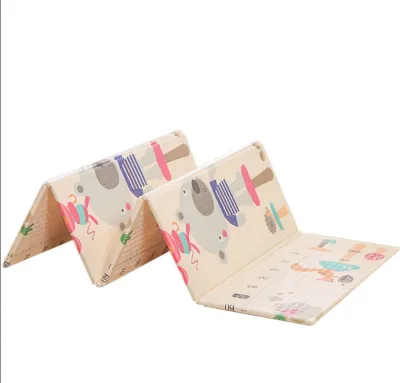
Prices are valid at publication and may change. Please refer to the product page for the latest price.
For parents living in Singapore, a portable folding mat is an indispensable piece of baby gear for a wide range of daily scenarios. Whether you are planning a weekend staycation at a Sentosa resort, visiting relatives in an HDB flat, or heading out for an afternoon picnic at the Singapore Botanic Gardens or East Coast Park, a foldable mat ensures your child has a familiar, hygienic environment. It serves as a clean barrier against public floors, damp grass, or hotel carpets that may have been treated with harsh cleaning chemicals, allowing your little one to practice tummy time safely wherever you go.
Key Features to Evaluate Before Buying
Selecting the perfect travel playmat involves analyzing several practical specifications to ensure it meets your specific mobility needs without compromising your baby’s comfort or safety.

- Weight and Folded Dimensions: Before making a purchase, measure the storage spaces you use most frequently, such as your stroller’s under-seat basket, your diaper bag, or the footwell of your vehicle. A travel mat should ideally weigh under 2 kilograms so that carrying it alongside a diaper bag and a stroller does not cause physical strain. Look for options that fold down to a thickness of under 10 centimeters, allowing them to slide into tight spaces without forcing other essentials out.
- Material and Thickness: The thickness of a travel mat directly influences both its weight and its protective cushioning. While a thick 4-centimeter mat offers excellent shock absorption for babies learning to sit or crawl, it is often too bulky for travel. For on-the-go use, a thickness of 1 to 1.5 centimeters generally provides the optimal balance, offering sufficient protection against hard surfaces like tile or concrete while remaining highly compressible and lightweight.
- Surface Texture and Grip: Smooth, polished floors—such as the ceramic tiles common in Singapore homes or polished marble in hotels—can cause lightweight mats to slide when a baby moves. Inspect the bottom surface of any prospective mat for a dedicated non-slip texture, rubberized backing, or high-friction pattern. A secure grip prevents the mat from shifting underfoot, reducing the risk of slips for both the baby and caregivers.
- Wipeability vs. Washability: Consider how you plan to clean the mat during and after your outings. Water-resistant surfaces like polyurethane (PU) or cross-linked polyethylene (XPE) can be wiped clean instantly with a damp cloth or baby wipe, making them highly convenient for outdoor park visits or quick diaper changes. On the other hand, padded fabric mats often feature removable covers that can be tossed into a washing machine for a deep, hygienic clean, though they require significant drying time before they can be used again.
- Safety Labels and Certifications: Because your baby’s bare skin will be in direct contact with the mat for extended periods, verifying material safety is paramount. Do not rely solely on vague marketing claims of being "eco-friendly" or "non-toxic." Instead, physically check the product packaging, manufacturer website, or product tags for verified safety standards, such as BPA-free, phthalate-free, lead-free, and EN71 certifications. Ensure these certifications are current and issued by recognized testing bodies.
Best Types of Foldable Playmats for Different Outings
To help you navigate the various options available on the market, it is helpful to categorize foldable playmats by their primary materials. Each material offers distinct advantages and trade-offs, making certain types better suited for specific travel scenarios and environments.
XPE Foam Folding Mats (Lightweight & Budget-Friendly)
Cross-linked polyethylene (XPE) foam is a highly popular material for portable playmats due to its closed-cell structure, which provides excellent cushioning while remaining incredibly light.
- Pros: XPE foam mats are among the lightest options available, often weighing less than a kilogram even in larger sizes. They offer superb shock absorption, helping to cushion falls on hard surfaces, and are highly water-resistant. Additionally, they are typically very budget-friendly, making them an accessible choice for families seeking a secondary mat dedicated solely to outdoor excursions.
- Cons: The lightweight nature of XPE foam means these mats can slide easily on highly polished indoor floors if they lack a high-quality non-slip backing. Furthermore, the printed decorative film on the surface of XPE mats is susceptible to scratching, puncturing, or peeling over time, especially when subjected to frequent folding along the hinges or exposure to sharp outdoor debris.
- Best For: Quick visits to local parks, outdoor picnics, or any situation where you need to minimize the weight of your gear. They are ideal for packing into a diaper bag or carrying by hand over short distances.
- Buyer Check: Before purchasing an XPE mat, closely inspect the folding hinges. Look for models with reinforced seams or heat-sealed edges, as these areas experience the most stress during folding and are the most common points of tearing.
PU Leather Folding Mats (Easy to Clean & Premium Feel)
Polyurethane (PU) leather folding mats typically feature a soft, waterproof outer cover made of synthetic leather wrapped around a dense internal foam core, offering a premium look and feel.
- Pros: These mats are completely waterproof and exceptionally durable. Spilt milk, baby food, or diaper accidents can be wiped away instantly with a damp cloth, leaving no stains or lingering odors. The smooth, premium surface is highly resistant to scratches and tears, and the dense foam core provides outstanding support for a growing baby's joints.
- Cons: PU leather mats are significantly heavier and bulkier than XPE foam options, making them more challenging to carry over long distances without a stroller or vehicle. They also tend to be more expensive. In Singapore’s hot and humid tropical climate, the synthetic leather surface can feel warm or sticky if used outdoors in direct sunlight, which may cause discomfort for a sweating baby.
- Best For: Indoor hotel staycations, dining out at restaurants, structured sensory play sessions, or use in air-conditioned environments where quick cleanups are a priority.
- Buyer Check: Verify that the PU coating is certified free from harmful plasticizers and chemical flame retardants. Additionally, check that the bottom layer features an effective anti-slip texture to keep the heavier mat securely in place on smooth floors.
Padded Fabric Folding Mats (Softness & Machine Washable)
Padded fabric mats combine a soft textile top layer—often made of organic cotton, polyester, or bamboo blends—with a thin layer of internal polyester or foam padding.
- Pros: These mats offer an incredibly soft, cozy, and breathable surface that feels gentle against a baby's delicate skin. They are highly breathable, making them comfortable to use in warm weather, and they provide a familiar, bed-like comfort that can help soothe a baby during naptime away from home. Most importantly, many fabric mats feature removable, machine-washable covers, allowing for a thorough sanitizing wash after outdoor use.
- Cons: Fabric mats are generally the heaviest and most absorbent option. If liquid spills occur, the fabric will absorb the moisture, requiring a complete wash and dry cycle rather than a quick wipe-down. They also take a significant amount of time to dry, which can be highly inconvenient if you are in the middle of a trip without access to laundry facilities.
- Best For: Visiting relatives, long indoor playdates at a friend's house, or travel scenarios where you have easy access to a washing machine and dryer.
- Buyer Check: Always ensure the inner foam or polyester padding is fully removable before placing the fabric cover into a washing machine, as washing the core can damage its structure. Check the manufacturer's care label to see if the fabric has been treated with any water-resistant coatings, and follow the recommended washing temperatures to prevent shrinkage.
Safety, Cleaning, and Storage on the Go
Maintaining your portable playmat properly is essential not only for extending its lifespan but also for ensuring your baby remains safe during play. Adhering to strict safety checks and cleaning protocols will keep the mat hygienic and structurally sound.
- Pre-use Inspection: Before laying your baby down on the mat, perform a quick visual and physical inspection. Check the edges, corners, and folding hinges for any signs of peeling plastic film, torn fabric, or exposed internal foam. Damaged sections can easily be torn off by curious fingers and pose a serious choking hazard. If you detect any structural damage or loose material, stop using the mat immediately and contact the manufacturer or a qualified professional.
- Slip Prevention: Whenever you place the mat on a new surface—whether it is a hotel tile floor, a wooden deck, or a laminate surface—perform a simple "push test." Place the mat down and firmly push it horizontally with your hand. If the mat slides easily across the floor, it does not have adequate grip for that specific surface. Avoid leaving your baby unattended on a mat that slides, as sudden movements could cause the mat to shift, leading to falls.
- Cleaning on the Go: For routine cleaning during outings, use mild, baby-safe wet wipes or a clean microfiber cloth dampened with water and a small drop of gentle baby soap. Avoid using harsh chemical disinfectants, bleach, or alcohol-based sprays on foam or PU leather mats. These strong chemicals can degrade the protective outer coatings, cause colors to fade, and compromise the integrity of the material over time.
- Proper Storage: Always fold your travel mat strictly along its pre-designed hinges and crease lines. Avoid rolling, crushing, or packing the mat too tightly into confined spaces, as this can compress the internal foam unevenly, leading to permanent warping or deep creases. Warped mats may not lie completely flat when unfolded, creating uneven surfaces that can act as tripping hazards for babies learning to walk. Store the mat in a cool, dry place away from direct sunlight to prevent the materials from becoming brittle.
Frequently Asked Questions (FAQ)
Can I use a foldable playmat outdoors on grass or sand?
Yes, you can use a foldable playmat outdoors, but you must take extra precautions to protect both your baby and the mat. Before laying the mat down on grass or sand, thoroughly inspect the ground and clear away any sharp twigs, stones, shells, or hidden debris that could puncture the material or hurt your child. Choose a mat with a highly durable, waterproof bottom layer—such as heavy-duty polyester or reinforced PU—to block ground moisture from seeping through. Avoid using delicate fabric mats directly on damp soil or sand, as they will quickly absorb moisture and dirt.
How do I clean a foldable playmat while traveling?
While traveling, the most efficient way to clean your mat is to wipe it down immediately after use with a damp microfiber cloth and a mild, baby-safe soap solution. Pay close attention to the folding hinges and crevices, as these areas tend to collect crumbs, dust, and moisture. After wiping, it is absolutely critical to let the mat air-dry completely in a well-ventilated area before folding it up for storage. Packing away a damp mat traps moisture within the folds, creating an ideal environment for mold, mildew, and unpleasant odors to develop.
Are foldable playmats safe for newborns?
Foldable playmats can be safe for newborns, provided they meet specific firmness and safety criteria. Newborns require a firm, flat surface to support their developing spine and prevent suffocation risks if they accidentally roll onto their stomachs. Avoid using overly soft, plush, or heavily padded fabric mats for very young infants. Always supervise your newborn closely during tummy time or play sessions, and never use a playmat as a substitute for a dedicated, firm sleep surface like a crib or bassinet. If your baby falls asleep on the playmat, gently transfer them to a safe sleep environment.
Community discussion
Share your experience or ask a question. Comments are reviewed before publication.