
Choosing the right feeding accessories is essential for supporting physical development while keeping mealtimes manageable. The Firgi range offers specialized weaning tools and silicone bibs designed to align with distinct stages of infant growth. By matching these products to your baby’s motor skills and developmental readiness, you can establish a safe, comfortable, and positive eating environment from the very first spoonful of puree to independent toddler mealtimes.
Understanding Your Baby's Feeding Stages and Product Needs
Introducing solid foods is a gradual process that spans several distinct developmental phases. During this journey, your baby’s nutritional requirements, motor skills, and physical capabilities change rapidly. Understanding these phases allows you to select feeding gear that actively supports their learning rather than causing frustration or creating unnecessary mess.
The weaning journey is generally categorized into three primary stages:
Products mentioned in this guide
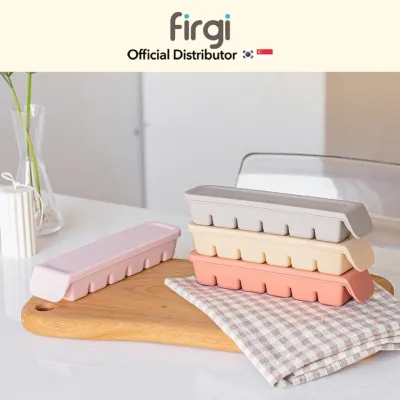
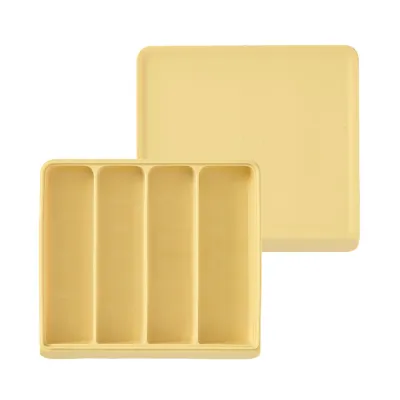
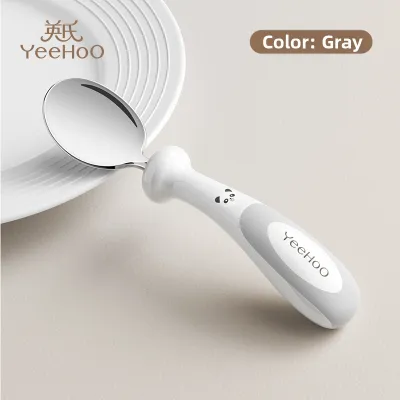

Prices are valid at publication and may change. Please refer to the product page for the latest price.
- Stage 1 (Around 4 to 6 Months): Early drooling, teething, and the very first tastes of smooth, single-ingredient purees.
- Stage 2 (Around 6 to 12 Months): Active weaning where babies explore diverse textures, practice chewing, and begin interacting directly with food.
- Stage 3 (12 Months and Beyond): Self-feeding independence, where children learn to handle utensils and transition to family-style meals.
When evaluating weaning products for these stages, several critical selection criteria must guide your choices:
- Material Safety: Infant feeding products must be crafted from high-quality, food-grade silicone that is thoroughly certified to be free from bisphenol A (BPA), polyvinyl chloride (PVC), lead, and phthalates. Food-grade silicone is hypoallergenic, non-porous, and naturally resistant to bacterial growth, making it an ideal choice for sensitive infant immune systems.
- Ease of Cleaning: Mealtimes are inherently messy, so choosing tableware and bibs that are dishwasher-safe or easy to sanitize is crucial for busy households. Products with seamless designs prevent food particles from becoming trapped in hard-to-reach crevices.
- Ergonomic Design: Spoons, cups, and bowls should feature shapes and weights that accommodate a baby's developing grip. Utensils with short, thick handles are easier for small hands to control than long, thin adult spoons.
- Suitability for Motor Skills: Tableware must match the child's physical abilities. For example, a heavy suction plate is perfect for a baby learning to scoop food, whereas a lightweight training cup supports a toddler transitioning away from bottles.
Matching feeding products to your baby’s developmental stage and mealtime mess level prevents frustration for both parent and child. An oversized bib can restrict a baby’s arm movement, while a heavy spoon can discourage self-feeding. Conversely, providing the right tools fosters confidence, encourages sensory exploration of different textures, and reduces the time parents spend cleaning floors and highchairs.
While age ranges provide a helpful baseline, parents must remember that these are general guidelines. Every infant develops at their own unique pace. It is vital to observe your baby’s individual readiness cues—such as the ability to sit upright with minimal support, good head control, and an active interest in family meals—before introducing new feeding tools. Always verify the manufacturer’s specific age, weight, and safety recommendations on the product label before use.
Stage 1: Early Drooling and First Tastes (Around 4 to 6 Months)
At approximately four to six months of age, babies undergo significant physiological changes. Teething often begins during this period, leading to increased saliva production and constant drooling. Simultaneously, some parents, in consultation with their pediatricians, may choose to introduce the very first tastes of smooth, single-ingredient purees or infant cereals.

The primary needs at this initial stage focus on comfort, skin protection, and managing light liquid messes. Excess drool and milk spills can quickly saturate clothing, leading to dampness that causes uncomfortable skin rashes around the baby’s neck and chest. Because young babies have delicate, highly sensitive skin, any feeding accessory used during this time must be exceptionally soft and lightweight to avoid friction or restriction.
When exploring the Firgi range for this stage, look for lightweight, highly flexible silicone bibs or soft fabric-silicone hybrids. These products should feature multiple adjustable neck fasteners that allow you to customize the fit as your baby grows. A proper fit ensures that the bib sits close enough to the neck to catch liquid run-off without being tight or restrictive.
Essential features to prioritize for early weaning accessories include:
- Quick-Drying Properties: In Singapore's warm and humid climate, fabric elements can retain moisture for extended periods, potentially harboring mold or bacteria. Choosing quick-drying materials ensures the bib is hygienic and ready for the next feeding.
- Gentle Neck Closures: Look for rounded, smooth fasteners that do not pinch, scratch, or chafe the sensitive skin at the back of the baby's neck.
- Wipe-Clean Surfaces: Early purees are often runny and easily smeared. A bib surface that can be wiped clean with a damp cloth in seconds minimizes laundry loads and simplifies post-meal cleanup.
To ensure safety and comfort, always adjust the bib so that you can easily slip two fingers between the collar and your baby’s neck. This check confirms the bib is secure but comfortable. Never allow your baby to sleep while wearing a bib, and always supervise them during every feeding session. Finally, check the product’s care instructions for recommended washing temperatures; using water that is too hot can sometimes degrade the flexibility of certain soft-blend materials over time.
Stage 2: Active Weaning and Messy Meals (Around 6 to 12 Months)
Between six and twelve months, babies enter the peak of active weaning. This is a highly sensory phase where infants transition from passive swallowers to active explorers of food. They begin to experiment with thicker purees, mashed foods, and soft finger foods. Mealtimes during this stage are characterized by active touching, squeezing, dropping, and throwing, as babies learn about gravity, texture, and self-regulation.
The primary needs during this active phase center on containing massive spills, stabilizing tableware, and ensuring durability. At this stage, babies are stronger and highly curious; they will pull on their bibs, chew on utensil handles, and attempt to pick up and flip their bowls. Feeding gear must be robust enough to withstand this physical testing while protecting the surrounding environment from flying food.
To manage this high-mess phase, look for Firgi 3D-pocket silicone bibs and robust suction-base tableware. A high-quality silicone bib with a deep, open pocket acts as a reliable catchment area for falling food and spilled liquids. Suction-base bowls and divided plates are equally critical, as they anchor firmly to the highchair tray, preventing the entire meal from being swept onto the floor.
Key features to look for in active weaning gear include:
- Structured 3D Pockets: The pocket at the bottom of the bib must be structured and firm enough to remain wide open during use. Pockets that collapse flat against the baby's chest fail to catch food, defeating their primary purpose.
- Adjustable, Reinforced Neckbands: The neckband should feature multiple adjustment points to accommodate rapid growth. It must also be reinforced around the buttonholes to prevent tearing when the baby tries to pull the bib off.
- High-Performance Suction Bases: The suction cup on the bottom of bowls and plates should be wide and made of flexible, high-grade silicone that creates a strong vacuum seal on smooth surfaces.
When using suction tableware, always test the suction base on your specific highchair tray or dining table before filling it with food. Suction performance varies significantly depending on the surface material. While smooth plastic, glass, and polished stone provide excellent vacuum seals, highly textured wood, matte finishes, or scratched surfaces may allow air to leak under the suction cup, causing it to release. Ensure both the table surface and the suction base are clean, dry, and free of dust or grease before pressing down. Always supervise your baby during meals; if they discover the release tab on the suction base, they may forcefully detach it, leading to sudden spills.
Stage 3: Toddler Self-Feeding and Independence (12 Months and Beyond)
By the time a child reaches twelve months of age, they are transitioning into toddlerhood and developing a strong desire for independence. Their fine motor skills are maturing rapidly, moving from the palmar grasp (holding objects with the entire fist) to the refined pincer grasp (using the thumb and index finger). They want to feed themselves, mimic adult dining habits, and handle their own utensils and cups.
Primary needs at this stage shift from pure mess containment to skill development, ergonomics, and mobility. Toddlers require utensils that are specifically scaled to their small hands and mouth sizes. They also need training cups that help them transition away from bottles and straw cups toward open-cup drinking. Furthermore, as toddlers become more mobile, they often resist bulky, heavy bibs that restrict their arm movements or make them feel confined at the table.
To support this transition, look for ergonomic silicone spoons and forks, open training cups, and slim-profile bibs. Firgi’s self-feeding range features utensils with short, chunky handles that are easy for toddlers to grip and guide toward their mouths. Training cups with dual handles and weighted bases help toddlers practice the tilting motion required for drinking without tipping the cup over when placing it back on the table.
Essential features for toddler self-feeding tools include:
- Chunky, Textured Grips: Handles should be short, thick, and textured to prevent slipping when wet or covered in food. Short handles reduce the distance between the hand and the mouth, improving accuracy.
- Blunt, Safe Utensil Tips: Fork tines must be rounded and blunt to prevent accidental punctures or oral injuries, yet firm enough to pierce soft foods like steamed vegetables or fruit pieces.
- Weighted Cup Bases: A weighted bottom lowers the cup's center of gravity, significantly reducing the likelihood of accidental spills during enthusiastic mealtime movements.
- Dishwasher-Safe Durability: Toddler tableware undergoes frequent use and washing. Ensure all items are rated for the top rack of the dishwasher to make daily sanitization effortless for parents.
Actionable advice for this stage centers on safety and maintenance. Closely supervise all self-feeding sessions, as toddlers are still learning to manage bite sizes and chewing. Regularly inspect all silicone utensils, cups, and bibs for signs of wear. Toddlers have sharp primary teeth and may bite down hard on silicone spoon tips or bib edges. Check for deep scratches, bite marks, or small tears, which can harbor bacteria or tear off completely to become choking hazards. Replace any item immediately if it shows signs of structural degradation or damage.
How to Verify Safety, Authenticity, and Care Instructions
Ensuring the safety and longevity of your baby’s weaning gear requires careful verification of product materials, authentic sourcing, and proper maintenance. Because these items come into direct contact with your baby’s food and mouth, compromise is not an option.
To verify material safety, always examine the product packaging or the brand’s official website for certified specifications. Genuine infant feeding products should explicitly state that they are made from 100% food-grade silicone and are completely free from BPA, PVC, lead, and phthalates. Look for compliance with recognized international safety standards, such as those established by the European Union (LFGB) or the United States Food and Drug Administration (FDA).
In Singapore, the rise of online marketplaces and unauthorized third-party sellers has increased the risk of counterfeit products entering the market. Counterfeit silicone items may contain cheap chemical fillers, industrial dyes, or volatile organic compounds that do not comply with infant safety regulations. To protect your baby, purchase weaning gear exclusively from authorized local distributors, reputable department stores, or verified official brand storefronts on local e-commerce platforms.
Proper care and maintenance are essential for keeping your silicone weaning products hygienic and durable:
- Pre-Use Wash: Wash all items thoroughly with a mild, baby-safe dishwashing liquid and warm water before using them for the first time.
- Avoid Sharp Objects: Never use metal knives, sharp forks, or abrasive steel wool scrubbers on silicone surfaces. These can slice or scratch the material, creating microscopic grooves where bacteria and mold can colonize.
- Observe Temperature Limits: While food-grade silicone is highly heat-resistant, other components of your weaning gear—such as plastic lids, suction rings, or decorative handles—may have much lower temperature thresholds. Always consult the manufacturer's care instructions before boiling, steam sterilizing, or placing items in the dishwasher or microwave.
If you ever notice signs of structural damage, such as melting, warping, a persistent sticky residue that does not wash away, or deep tears in the silicone, stop using the product immediately. In such cases, consult the manufacturer’s customer service department or a qualified professional to determine if the item is safe for continued use or if it must be replaced.
Frequently Asked Questions (FAQ)
How do I remove stubborn food stains from silicone bibs and bowls?
Natural pigments found in vibrant foods like carrots, tomatoes, sweet potatoes, and pumpkins can easily migrate into the silicone material, causing temporary discoloration. To minimize staining, rinse and wipe down the bib or bowl immediately after the meal. For existing stains, mix mild baking soda with warm water to create a thick paste, apply it to the stained area, let it sit for approximately thirty minutes, and then scrub gently with a soft sponge before rinsing thoroughly. Alternatively, placing the clean, wet silicone item in direct sunlight for a few hours can help fade natural pigment stains naturally. Always check the manufacturer’s care label before using any cleaning agents or abrasive pads.
Are silicone suction plates safe for use in the microwave?
While high-quality food-grade silicone can withstand elevated temperatures, microwave safety is not universal and depends on the specific design and composition of each product. Some suction plates contain hidden plastic reinforcements or dual-material bases that cannot tolerate microwave heating. Always inspect the underside of the plate or the original product packaging for an explicit microwave-safe symbol and temperature limit before heating food. If the manufacturer’s instructions do not explicitly state that the item is microwave-safe, heat the food in a designated glass or ceramic container first, let it cool to a safe temperature, and then transfer it to the baby’s suction plate.
Community discussion
Share your experience or ask a question. Comments are reviewed before publication.