
Finding the right feeding pillow baby accessory is a crucial decision for new parents. Long nursing or bottle-feeding sessions, which can last anywhere from 30 to 45 minutes multiple times a day, put immense physical strain on your neck, shoulders, and back. To maintain comfort and prevent long-term posture issues, choosing a highly rated brand that prioritizes ergonomic support is essential.
Globally recognized brands such as My Brest Friend, Ergobaby, and Boppy are widely celebrated for their distinct approaches to comfort. Whether through firm contouring, wrap-around security, or plush versatility, these brands address different physical needs. Selecting the right option depends on understanding how these designs support both you and your baby during extended feeding sessions.
What Makes a Feeding Pillow Comfortable for Long Sessions?
Caregiver comfort during extended feeds is heavily dependent on proper spinal alignment. When you hold a baby for 30 to 45 minutes, your arms naturally tire, causing you to hunch forward. A well-designed feeding pillow acts as a supportive platform, taking the weight off your forearms, elbows, and shoulders. This relief prevents the development of tension headaches and upper back pain, which are common complaints among nursing parents.
Products mentioned in this guide
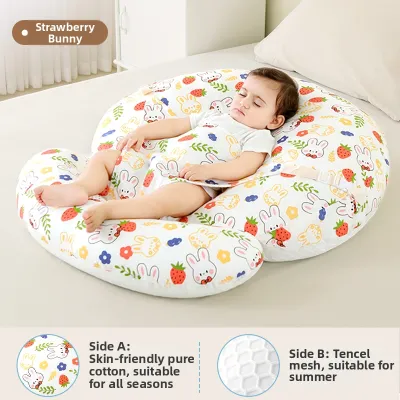
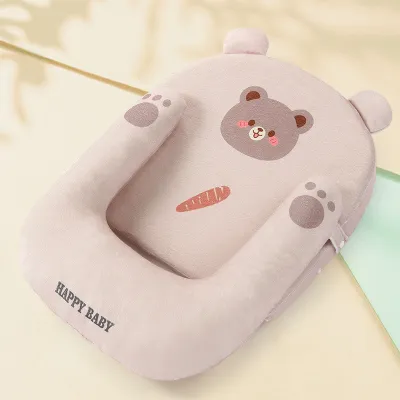
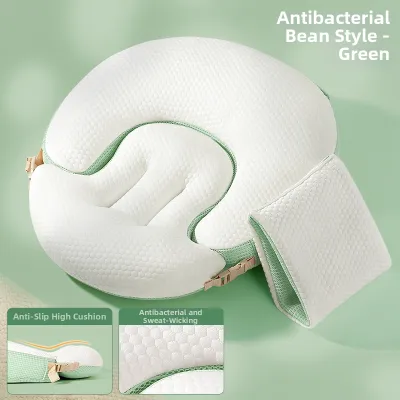
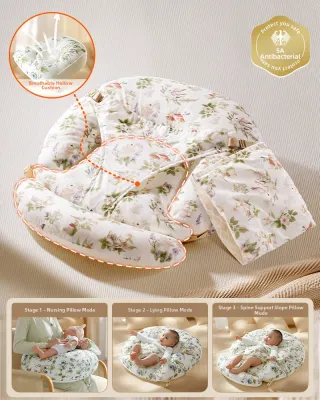
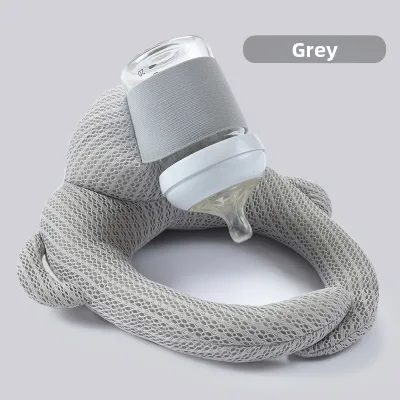
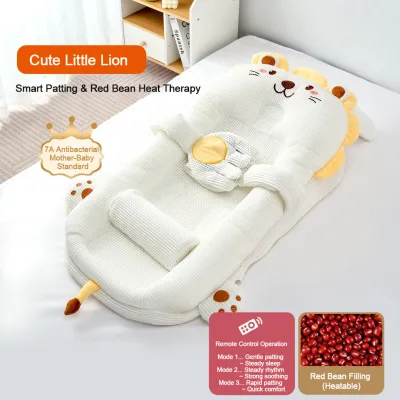
Prices are valid at publication and may change. Please refer to the product page for the latest price.
Baby comfort is equally vital for a successful, relaxed feeding session. The pillow must position the baby at the correct height to achieve a proper latch without requiring you to lean down. It should also offer stable, slip-resistant support that keeps the baby’s head and neck aligned with their body, preventing them from rolling inward or sliding away from the breast or bottle.
The ultimate challenge in pillow design is balancing firmness and softness. A pillow that is too soft will compress under the baby’s weight, forcing you to lean forward and defeating the purpose of using a support. Conversely, an excessively firm pillow can create uncomfortable pressure points against your abdomen or thighs, making long sessions feel rigid and unpleasant.
Key Features to Evaluate Before Buying
Shape and design dictate how the pillow fits your body and your living space. Classic C-shape and U-shape pillows slide easily onto your lap, making them quick to position but prone to shifting. Wrap-around designs buckle securely around your waist, offering a stable, flat platform that stays put even if you need to reach for a water bottle or adjust your position.

Fill material directly influences support retention and heat dissipation. Polyester fiberfill offers a plush, traditional pillow feel but tends to flatten over time. Memory foam provides excellent contouring and firm support, though it can retain body heat. In Singapore’s warm and humid climate, heat retention is a major consideration; microbeads or highly breathable open-cell foams are often preferred to keep both you and your baby cool.
Cover material must be selected with skin sensitivity and maintenance in mind. Look for natural, breathable fabrics like organic cotton or bamboo rayon, which feel cool against the skin and minimize sweat buildup. Because spills, spit-up, and diaper leaks are inevitable, a removable, machine-washable cover is a non-negotiable feature for daily hygiene.
Adjustability features, such as adjustable straps, buckles, or removable inserts, allow you to customize the pillow’s fit to your body shape. This is particularly useful if multiple caregivers of different sizes share the same pillow, or if you are recovering from a C-section and need to keep pressure entirely off your lower abdomen.
Top Feeding Pillow Designs and Reputable Brands for Extended Use
Firm and Ergonomic Support (e.g., Peanut-style designs)
For caregivers seeking structured, ergonomic support, brands like Ergobaby offer highly regarded solutions. The Ergobaby Natural Curve Feeding Pillow features a unique, contoured design made from high-density foam that addresses the common issue of slouching.
This design is ideal for parents recovering from C-sections or those experiencing chronic lower back pain. The firm foam creates a stable, curved surface that naturally tilts the baby tummy-to-tummy toward the parent, encouraging a proper latch and minimizing the need for manual adjustment.
However, the firm structure does come with limitations. It is significantly heavier and bulkier than fiberfill alternatives, making it less convenient to pack for travel. Its rigid shape also makes it less versatile for secondary uses, such as supporting a baby during tummy time or early sitting practice.
Before purchasing, check the product label to ensure the inner foam is polyurethane-based and certified for low emissions. Verify that the cover is easily removable via a concealed zipper to protect your baby’s delicate skin from scratches. These premium ergonomic models typically range in price from S$90 to S$140 in local official stores.
Wrap-Around and Hands-Free Designs (e.g., My Brest Friend-style)
My Brest Friend is a brand synonymous with maximum stability and wrap-around security. Its signature design features a flat, firm cushion that buckles completely around your waist, providing a secure fit that moves with you.
This style is exceptionally well-suited for twin nursing, bottle-feeding, or parents who need their hands free to manage other tasks during long sessions. The integrated backrest provides direct lumbar support, helping you maintain an upright posture without needing to prop yourself up with extra couch cushions.
The primary drawback of wrap-around designs is their restrictive nature. Fastening a buckle can feel cumbersome when dealing with a crying baby, and the snug fit may feel uncomfortably warm in Singapore’s tropical climate. Additionally, adjusting the strap between caregivers of vastly different body types can be tedious.
To get the most out of this design, adjust the strap so the pillow sits high on your waist, resting just below your breasts. This prevents lower back compression and ensures the baby is supported at the exact height needed for an effortless latch. Expect to find these designs in the price band of S$70 to S$110.
Soft, C-Shaped Versatility (e.g., Boppy-style designs)
The Boppy Classic Feeding Pillow is the benchmark for soft, C-shaped versatility. This design relies on a plush fiberfill that stretches slightly to fit around most waists, offering a familiar, comforting feel.
It is ideal for quick feeding sessions, travel, and multi-stage infant development. Because it is lightweight and lacks complex straps, you can quickly slide it on with one hand. As your baby grows, the pillow transitions easily into a support for propping, tummy time, and sitting.
The main limitation of plush C-shaped pillows is their tendency to compress under weight. During a long nursing session, a heavier baby may sink, forcing you to hunch over or place additional bed pillows underneath to maintain the correct height.
To maximize comfort with a softer pillow, try placing a firm cushion behind your lower back to push your body forward, or slide a small rolled-up towel under the sides of the pillow to prevent it from sloping downward. These versatile pillows are widely available and generally cost between S$40 and S$80.
How to Choose the Right Pillow for Your Nursing Style
Your choice of feeding pillow baby accessory should align closely with whether you primarily breastfeed or bottle-feed. Breastfeeding requires precise angling and closeness to the body to facilitate a deep latch, making firm, contoured, or wrap-around pillows highly effective. Bottle-feeding, while still requiring arm support, allows for more flexible positioning, meaning a softer, more versatile C-shaped pillow may suffice.
Caregiver body type is another critical factor. If you have a longer torso, you will need a thicker pillow or one with adjustable height inserts to bridge the gap between your lap and your breasts. Parents with larger breasts or those who are petite may find that wrap-around straps provide a more customizable, secure fit that prevents the pillow from sliding forward.
In Singapore, where living spaces like HDB flats and apartments often prioritize compact storage, portability and size are key considerations. A large, rigid foam pillow can take up significant closet space, whereas a fiberfill pillow can be easily compressed or tucked away. If you travel frequently or visit family often, look for lightweight designs that can be vacuum-compressed or folded easily into a diaper bag.
Safety must always remain your top priority when using any feeding accessory. Feeding pillows are strictly designed for supervised feeding sessions and must never be used as a primary sleep surface, lounger, or unsupervised docking station. Leaving an infant to sleep on a feeding pillow poses severe risks of suffocation and Sudden Infant Death Syndrome (SIDS). Always transition your baby to a flat, firm, dedicated sleep surface if they fall asleep during a feed, and consult a pediatrician or lactation consultant if you experience persistent feeding difficulties.
Care and Maintenance for Long-Lasting Comfort
Maintaining hygiene is essential since feeding pillows are exposed to frequent spills, drool, and milk leaks. Always read the manufacturer’s care label before cleaning. While almost all reputable brands feature removable, machine-washable covers, the inner core’s washability varies; some fiberfill cores can be machine-washed, while memory foam cores are strictly spot-clean only.
Drying the pillow thoroughly is crucial, particularly in Singapore’s high-humidity environment. If the inner fill remains damp, it can quickly become a breeding ground for mold, mildew, and dust mites. When washing a machine-safe core or cover, tumble dry on low with clean dryer balls to prevent clumping, or air-dry completely in a well-ventilated, sunny area before reuse.
Over months of daily use, fiberfill pillows will naturally lose their loft and begin to compress. You can temporarily restore their shape by manually fluffing them or running them through a gentle dryer cycle. However, if the pillow remains flat, lumpy, or fails to support your baby at the proper latch height even after fluffing, it is time to replace the pillow to protect your posture.
Frequently Asked Questions (FAQ)
Can a feeding pillow cause back pain if used incorrectly?
Yes, an improperly adjusted or unsuitable feeding pillow can contribute to significant back, neck, and shoulder pain. If the pillow is too low or compresses too easily, you will naturally hunch forward to bring your breast to the baby, straining your spinal muscles. To prevent this, ensure the pillow raises the baby fully to nipple height. If a gap remains, slide a firm cushion under the feeding pillow or place a dedicated lumbar support behind your lower back to maintain an upright, neutral posture.
Are memory foam feeding pillows better than polyester fill?
Neither material is universally superior; the best choice depends on your physical needs and environment. Memory foam offers exceptional, long-lasting firm support that does not flatten during long sessions, making it excellent for posture alignment. However, it tends to retain heat, which can feel uncomfortable in warm climates. Polyester fiberfill is much softer, lighter, and cooler, but it compresses more easily and requires regular fluffing to maintain its supportive loft over time.
When should I stop using a feeding pillow?
Most families naturally transition away from using a feeding pillow when the baby is between 4 to 6 months old. At this stage, infants develop stronger neck and trunk control, allowing them to sit more upright during feeds. Additionally, as your baby grows larger and your arm strength improves, you may find it easier and more comfortable to feed them in unsupported positions, making the pillow less necessary for daily comfort.
Community discussion
Share your experience or ask a question. Comments are reviewed before publication.