
For eco-conscious parents in Singapore, choosing cloth diapers is a powerful way to reduce household waste and minimize the environmental footprint of early childhood. In a country where all non-recyclable waste is incinerated and the ash sent to the rapidly filling Semakau Landfill, diverting thousands of single-use diapers is a highly impactful decision. The best cloth diaper brands for local parents are those that prioritize certified organic natural fibers, employ ethical manufacturing, and offer the extreme durability required to last through multiple children. Brands like GroVia, Thirsties, and Bare and Boho stand out in the local market for meeting these strict criteria.
However, true sustainability in Singapore’s tropical climate depends as much on daily washing habits, drying efficiency, and diaper style choices as it does on the brand label. To build a successful and truly green diapering routine, you must understand how different materials perform in high humidity and how to maintain them without consuming excessive water and energy.
What Makes a Cloth Diaper Truly Eco-Friendly?
To evaluate the environmental impact of cloth diapers, you must look beyond green packaging and vague marketing claims. A diaper’s ecological footprint is determined by its entire lifecycle, starting with raw material sourcing. Natural fibers like organic cotton, hemp, and bamboo are highly renewable and biodegradable at the end of their lifespan. In contrast, synthetic materials like polyester microfiber, fleece, and polyurethane laminate (PUL) are petroleum-derived plastics that do not break down naturally and shed microplastics into the water system during every wash cycle.
Products mentioned in this guide
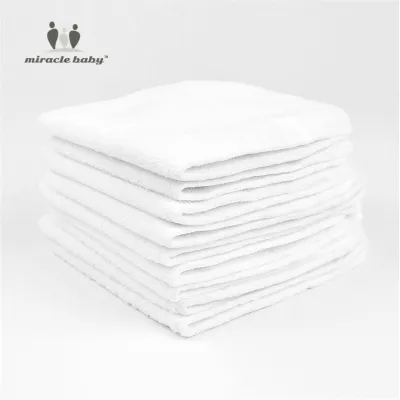
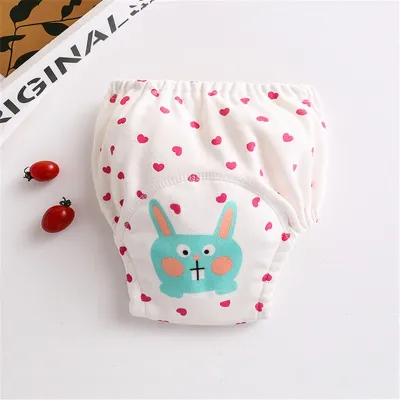
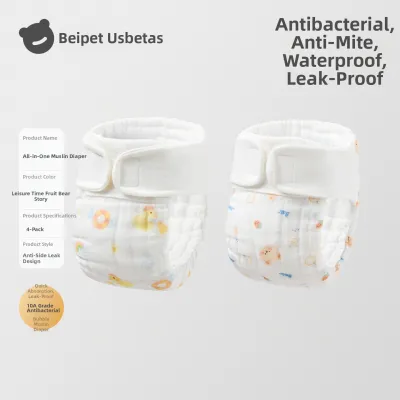
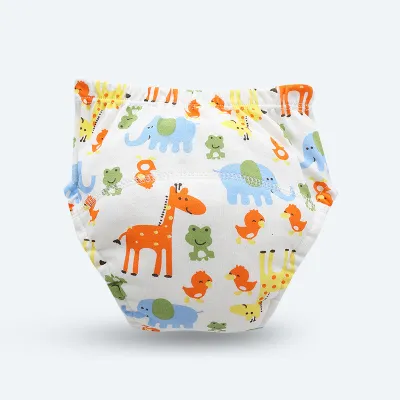
![[4 at $10.90] Baby Toilet Training Pants 6 Layers Reusable Cloth Diaper Waterproof Underwear Nappy Potty Highly Absorbent](https://img.lazcdn.com/g/p/8ddde1677384c797b9de2af14f2beb0f.png_400x400q80.png_.webp)
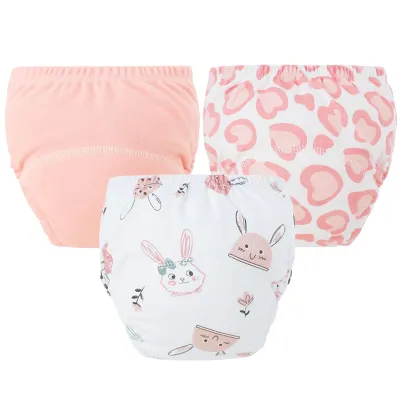
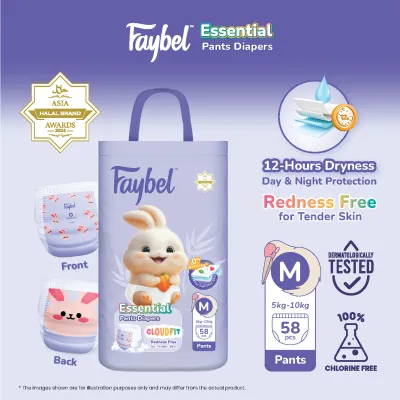
Prices are valid at publication and may change. Please refer to the product page for the latest price.
Manufacturing processes and supply chain transparency also play a critical role in true sustainability. Genuinely eco-conscious brands prioritize ethical labor practices, fair trade certifications, and low-impact dyeing processes that do not release toxic chemicals into local waterways. They also minimize packaging waste, opting for plastic-free, recycled, or compostable shipping materials rather than single-use plastic wraps.
Durability is the single most critical factor in reducing the overall environmental footprint of cloth diapering. A diaper that degrades, loses its elasticity, or suffers from delamination after a few months of washing must be replaced, which increases waste. Conversely, a high-quality diaper that can withstand hundreds of washes and be reused for a second or third child exponentially multiplies its environmental savings. Investing in durable construction ultimately prevents more waste than choosing a poorly made diaper made from sustainable raw materials.
To ensure you are purchasing a genuinely eco-friendly product, always verify the manufacturer’s specifications and independent certifications. Look for labels indicating Global Organic Textile Standard (GOTS) certification for cotton or OEKO-TEX Standard 100 certification, which guarantees the fabric is free from harmful levels of toxic substances. Do not rely solely on generic “green” or “natural” branding, as these terms are not legally regulated and can often mask conventional, resource-heavy production methods.
Choosing the Right Diaper Style for Singapore's Climate
Singapore’s tropical climate, characterized by high temperatures and relative humidity levels that frequently exceed 80%, presents unique challenges for cloth diapering. The style of diaper you choose directly impacts its washing efficiency, drying time, and susceptibility to mildew. Understanding the structural differences between diaper styles will help you select the most practical and sustainable option for your household.

- All-in-One (AIO) Diapers: These diapers feature the waterproof outer cover and the absorbent inner layers sewn together into a single piece. While they offer the convenience of a single-use diaper, they take the longest to dry because the thick absorbent layers cannot be separated. In Singapore's humid air, AIOs can take up to 36 hours to air-dry indoors, which increases the risk of mold and musty odors.
- Pocket Diapers: This style consists of a waterproof shell with a stay-dry pocket lining, into which you stuff separate absorbent inserts. Because the inserts are removed for washing and drying, pocket diapers dry much faster than AIOs. They also allow you to customize absorbency by mixing and matching different natural fiber inserts.
- Flats and Fitted Diapers: Flats are single layers of woven fabric (such as cotton birdseye) folded around the baby and secured, while fitted diapers are shaped, multi-layered fabric diapers that require a separate waterproof cover. Flats are the most sustainable and durable option available. Because they unfold into a single thin layer of fabric, they wash clean easily and dry incredibly fast on a balcony clothesline, even on humid days. They also lack built-in elastics or laminated layers in the absorbent portion, making them virtually indestructible.
For parents living in Singapore’s high-density housing, such as HDB flats with limited balcony space, drying efficiency is paramount. While tumble dryers offer a quick solution, they consume significant electricity, which dramatically increases the carbon footprint of your cloth diapering routine. Choosing fast-drying styles like flats, preflats, or pocket diapers with natural fiber inserts allows you to rely entirely on natural air-drying. This balance of style and material selection ensures your routine remains both practical and environmentally beneficial.
Top Eco-Conscious Cloth Diaper Brands Available in Singapore
Several reputable cloth diaper brands are accessible to parents in Singapore through local baby specialty shops, official brand websites, or online marketplaces. These brands have been categorized below by their primary sustainability strengths to help you align your purchase with your personal environmental values.
Brands Prioritizing Organic and Natural Fibers
GroVia GroVia is highly regarded for its commitment to natural materials, particularly in its Organic All-in-One and Hybrid diaper systems. The brand utilizes GOTS-certified organic cotton for its absorbent cores, providing excellent breathability and reducing the baby’s exposure to synthetic materials.
- Eco-Credentials: Uses certified organic cotton; minimizes synthetic components in the absorbent zones; complies with strict environmental standards.
- Ideal Use Case: Best for daytime use and for parents who prioritize keeping natural, pesticide-free fibers directly against their baby's skin.
- Limitations: Organic cotton requires several preparatory washes to reach full absorbency and takes longer to dry in Singapore's humid climate compared to synthetic blends.
- Where to Purchase: Available through specialized Singaporean baby boutiques and official regional online retailers.
Thirsties Thirsties offers a highly popular line of natural diapers, including the Natural Pocket Diaper and Natural All-in-One, which feature an absorbent blend of organic cotton and hemp.
- Eco-Credentials: Incorporates hemp, a highly sustainable crop that requires minimal water and no pesticides to grow, paired with organic cotton.
- Ideal Use Case: Excellent for heavy wetters and overnight use, as hemp is exceptionally absorbent and holds moisture securely under pressure.
- Limitations: Hemp fibers can become stiff when line-dried in humid air; they may require a quick tumble in a dryer on low heat or manual rubbing to soften them.
- Where to Purchase: Distributed by local eco-friendly baby stores and major online marketplaces in Singapore.
Brands Focused on Circular Economy and Ethical Manufacturing
Bare and Boho This brand is known for its designer cloth diapers that actively support a circular economy by utilizing recycled materials for their waterproof outer shells.
- Eco-Credentials: The outer waterproof covers (TPU) are made from recycled post-consumer polyester (RPET), which diverts plastic bottles from landfills and oceans; shipped in biodegradable or recyclable packaging.
- Ideal Use Case: Perfect for parents seeking to minimize plastic waste and support brands that repurpose existing waste streams.
- Limitations: The recycled TPU covers must be washed carefully at moderate temperatures to prevent the laminate from separating over time.
- Where to Purchase: Available via local eco-conscious parenting shops and direct international shipping to Singapore.
Close Parent (Pop-in) Close Parent focuses on reducing environmental impact through material innovation and ethical production, featuring diapers made with fast-growing bamboo viscose.
- Eco-Credentials: Uses bamboo viscose for absorbency, which is highly renewable; waterproof shells incorporate recycled plastic materials; the brand actively supports global reforestation initiatives.
- Ideal Use Case: Ideal for parents who prefer highly absorbent, slim-fitting diapers with a soft texture.
- Limitations: Bamboo viscose is chemically processed, so parents must verify the manufacturer’s closed-loop chemical management systems; these diapers can also take longer to dry.
- Where to Purchase: Sold by Singaporean baby gear distributors and online marketplaces.
Brands Offering High Durability for Multi-Child Use
Kanga Care (Rumparooz) Kanga Care is famous for its heavy-duty construction, robust elastics, and patented double inner gussets designed to contain the messiest leaks.
- Eco-Credentials: Extremely long product lifespan; uses water-resistant TPU that is heat-bonded rather than chemically laminated, reducing chemical waste during manufacturing.
- Ideal Use Case: Ideal for parents building a long-term diaper stash intended to last through multiple consecutive children.
- Limitations: The heavy-duty construction and thick elastics make these diapers bulkier on smaller newborns.
- Where to Purchase: Available through Singapore-based online diaper retailers and specialty baby stores.
Lighthouse Kids Company Lighthouse Kids Company produces premium diapers known for their high-quality TPU and stretchier, durable elastics that resist relaxing or stretching out over time.
- Eco-Credentials: Built for longevity with premium, wear-resistant components; features "book-fold" inserts that dry quickly, reducing the need for machine drying.
- Ideal Use Case: Best for parents wanting the durability of premium materials paired with a design that dries quickly in local humidity.
- Limitations: Higher initial purchase price compared to entry-level budget brands.
- Where to Purchase: Can be sourced through select local online retailers and direct shipping channels.
How to Inspect Second-Hand Diapers When purchasing or accepting pre-loved diapers from these durable brands, perform a thorough quality check to ensure they remain functional:
- Check the Elastics: Gently pull the leg and waist elastics. They should feel springy and snap back tightly; limp or stretched-out elastics will cause leaks.
- Inspect the Laminate: Turn the diaper inside out and look at the waterproof TPU/PUL layer. It should be smooth and intact. Avoid diapers showing signs of cracking, peeling, bubbles, or tearing.
- Test the Fasteners: Fasten and unfasten the snaps or hook-and-loop tabs. Snaps should click securely into place, and hook-and-loop fabric should grip firmly without peeling off easily.
- Perform a Smell Test: Sniff the clean diapers. A strong musty, chemical, or ammonia smell indicates detergent buildup or improper washing, which will require deep cleaning before use.
Sustainable Washing and Care Routines
To keep your cloth diapering routine truly green, you must optimize your washing process. Washing diapers inefficiently can consume excessive water and electricity, offsetting the environmental benefits of avoiding single-use plastics. Because Singapore’s municipal water supply is soft to moderately soft, detergent rinses away easily, meaning you need to balance your detergent dosage carefully to prevent buildup.
The Eco-Friendly Wash Routine:
- Pre-Wash Cycle: Run a short, cold or warm cycle (no hotter than 30°C) with a small amount of detergent. This flushes out urine and solid waste, preventing stains and ammonia from setting.
- Main Wash Cycle: Run a long, heavy-duty cycle at 40°C to 60°C (always check the diaper manufacturer's care label first) with a full dose of detergent. Ensure your washing machine is loaded to approximately two-thirds or three-quarters capacity to provide the necessary physical agitation for thorough cleaning.
- Drying: Hang your diapers to dry on a balcony or near a well-ventilated window. Sunlight provides natural UV sanitization, which helps bleach out organic stains and kill residual bacteria. However, avoid leaving waterproof covers in direct, intense equatorial midday sun for hours, as extreme heat can degrade the TPU laminate and damage the elastics. Hang covers in a shaded, breezy area instead.
Choosing the right laundry detergent is critical for maintaining both the diaper’s lifespan and your environmental goals. Opt for plant-based, biodegradable liquid detergents that are free from optical brighteners, synthetic fragrances, and dyes. Never use fabric softeners or detergents containing fabric softeners; these products leave a hydrophobic silicone coating on the fabric fibers, which destroys the diaper’s absorbency and causes immediate leaking.
Always prioritize safety and hygiene in your routine. If your diapers develop persistent mold, a strong ammonia smell, or the waterproofing layer begins to peel, stop using them immediately. Perform a deep sanitization or strip according to the manufacturer’s specific care instructions. If your baby develops persistent skin irritation, diaper rash, or chafing, stop using the cloth diapers and consult a qualified pediatrician to rule out yeast infections or chemical sensitivities.
Building a Sustainable Diaper Stash Without Waste
One common pitfall for new cloth diapering parents is over-purchasing. It is easy to buy too many diapers in various prints, only to discover that a specific style does not fit your baby’s unique body shape or that the washing routine is too demanding. To avoid resource waste and unnecessary spending, start with a small trial stash of four to six diapers representing different styles (pockets, covers with flats, and AIOs). Some local parenting networks and eco-boutiques also offer rental or trial programs, allowing you to test different brands before committing to a full set.
Sourcing pre-loved diapers is the most sustainable and cost-effective way to build your collection. Singapore has active online communities, including local parenting groups on social media platforms and listings on local second-hand marketplaces like Carousell. Buying gently used diapers keeps valuable textiles in circulation and drastically reduces the demand for new manufacturing.
Before using second-hand diapers, you must properly sanitize them to ensure they are hygienically safe for your baby. Perform a cold-water sanitize wash using a diaper-safe sanitizing agent or a highly diluted bleach solution, strictly following the manufacturer’s guidelines to protect the laminate and elastics. Once your child outgrows their cloth diapers, keep them in circulation by donating them to local family shelters, passing them on to other parents, or repurposing worn-out cotton flats as highly absorbent household cleaning rags.
Frequently Asked Questions (FAQ)
Are cloth diapers actually better for the environment than disposables?
Yes, provided they are managed sustainably. While single-use disposables generate massive landfill waste and require oil and wood pulp for manufacturing, cloth diapers consume water and electricity during washing. To maximize their environmental advantage, always wash them in full loads, air-dry them instead of using an electric tumble dryer, and reuse them for multiple children to amortize their manufacturing footprint.
How do I prevent mold on cloth diapers in Singapore's humid weather?
Preventing mold requires excellent air circulation and prompt washing. Never store wet, soiled diapers in a sealed plastic bucket or airtight container. Instead, store them in a highly breathable, open laundry basket or a hanging wet bag with mesh panels. Wash your diapers every two to three days, and ensure they are completely dry before folding them and putting them away in closed closets.
Can I use regular laundry detergent for eco-friendly cloth diapers?
Many standard detergents are acceptable, but you must avoid specific additives. Fabric softeners, optical brighteners, and heavy synthetic fragrances leave a chemical residue on the fabric fibers, which reduces diaper absorbency and can irritate your baby’s skin. Always check the diaper manufacturer’s care label and choose a clean-rinsing, biodegradable detergent free from these additives.
Community discussion
Share your experience or ask a question. Comments are reviewed before publication.