
Choosing to use reusable diapers is one of the most impactful environmental decisions new parents can make. In Singapore, where waste is incinerated and landfill space at Semakau is limited, reducing single-use plastics directly supports local conservation efforts. However, navigating the world of reusable diapering requires looking beyond basic marketing claims. Truly sustainable options prioritize organic materials, low-impact manufacturing, and exceptional durability that allows the diapers to survive years of heavy washing.
For parents in Singapore, finding the right brand involves balancing eco-friendly credentials with the practical realities of a hot, humid climate. High humidity affects drying times, while local washing routines must adapt to soft water profiles to prevent detergent buildup. Brands like GroVia, BumGenius, Baby BeeHinds, and SmartBottoms offer distinct pathways to sustainability, whether through organic crop sourcing, recycled plastics, or highly renewable bamboo fibers. Understanding how these brands perform under local conditions will help you build a reliable, waste-reducing diaper setup.
How to Evaluate Eco-Friendly Cloth Diapers
Evaluating the environmental impact of a cloth diaper requires looking at its entire lifecycle, from raw crop cultivation to its eventual disposal. The first major pillar of sustainability is material sourcing. Natural fibers like organic cotton, hemp, and bamboo are renewable resources that biodegrade far more easily than synthetic alternatives. Synthetic fibers like microfiber and polyester fleece are derived from petroleum and shed microplastics during wash cycles. While a waterproof outer layer—typically made of Polyurethane Laminate (PUL)—is necessary to prevent leaks, parents should look for brands that minimize synthetic components or utilize recycled plastics for these waterproof barriers.
Products mentioned in this guide
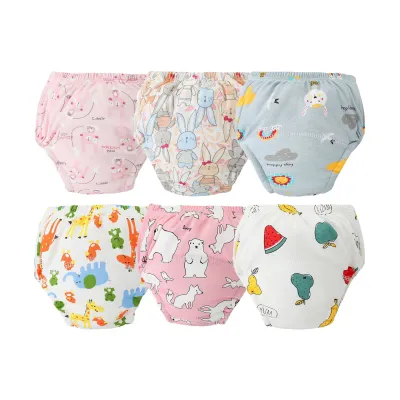
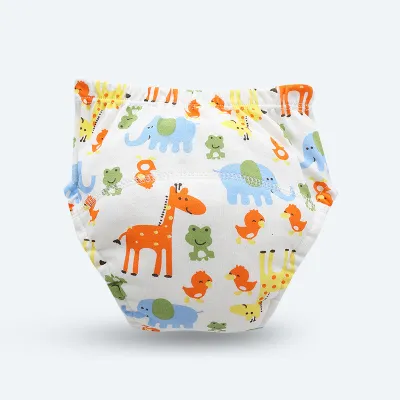
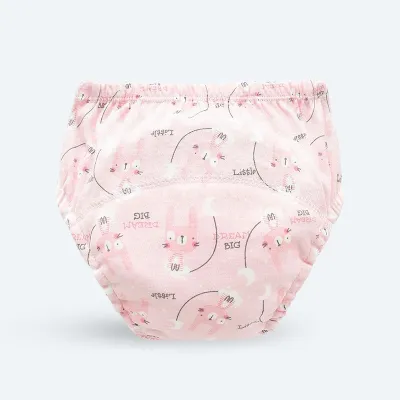
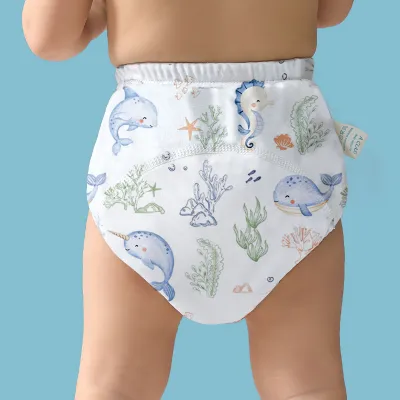
Prices are valid at publication and may change. Please refer to the product page for the latest price.
Packaging and manufacturing practices form the second pillar of sustainability. Eco-conscious manufacturers actively reduce plastic packaging, choosing recycled cardboard boxes, compostable mailers, or minimal paper bands instead. Ethical manufacturing is equally critical. This involves verifying that production facilities provide fair wages, safe working conditions, and implement water-recycling systems to mitigate the heavy chemical and water footprint associated with textile processing.
Lifespan sustainability is often the most overlooked aspect of an eco-friendly diaper. A diaper constructed with high-quality elastics, durable snaps, and robust stitching will last through multiple children, significantly reducing the demand for new resources. Conversely, a cheaply made diaper that degrades after a few months of washing contributes to waste, regardless of how green its raw materials are. Investing in durable construction ultimately delivers the highest environmental return on investment.
To verify these environmental claims, parents must learn to read product labels and check certifications rather than relying on retail descriptions. Look for the Global Organic Textile Standard (GOTS) to ensure organic cotton fibers are grown and processed without toxic inputs. The Oeko-Tex Standard 100 certification is another crucial label, indicating that the finished fabric has been rigorously tested for harmful substances and is safe for sensitive baby skin. Always verify these certifications directly on the manufacturer’s official documentation or database, as third-party listings can occasionally be outdated or inaccurate.
Top Eco-Friendly Cloth Diaper Brands to Consider in Singapore
GroVia
GroVia has established a strong reputation among eco-conscious parents for its thoughtful diaper designs and commitment to natural fibers. The brand heavily incorporates organic cotton and hemp blends into its absorbent inserts. Hemp is a highly sustainable crop that grows rapidly, requires minimal water, and does not rely on synthetic chemical pesticides, making it an environmentally superior alternative to conventional cotton. By blending hemp with organic cotton, GroVia creates inserts that offer exceptional absorbency without relying on petroleum-based synthetic microfibers.

In addition to material choices, GroVia actively works to minimize its packaging footprint. The brand utilizes minimal, recyclable paper packaging for its shells and inserts, avoiding single-use plastic wraps wherever possible. This reduction in packaging waste aligns with the goals of zero-waste households in Singapore looking to minimize their domestic trash output.
GroVia diapers are designed with a focus on versatile fit and customizable absorbency. Their popular Hybrid system features a reusable waterproof shell paired with snap-in inserts, allowing parents to reuse the outer shell multiple times before washing, which significantly cuts down on overall laundry volume. The brand also offers the O.N.E. diaper, which features a unique modular design suitable for babies from approximately 10 to 35+ pounds (4.5 to 16 kg). However, parents must always verify the specific weight limits and fit instructions on the product packaging to ensure safe use.
Because inventory can fluctuate, parents in Singapore should verify current availability and shipping policies through authorized local specialty maternity boutiques, official brand websites, or verified regional distributors. Purchasing through authorized channels ensures you receive genuine products backed by proper manufacturer support.
BumGenius
BumGenius focuses on longevity and the integration of recycled materials to minimize its environmental footprint. The brand incorporates recycled post-consumer plastics into the waterproof PUL covers and durable resin snaps of several product lines. By converting plastic waste into durable diaper components, BumGenius helps divert plastic from landfills and reduces the consumption of virgin petroleum resources during manufacturing.
durability is the cornerstone of the BumGenius design philosophy. Their classic one-size pocket diapers feature an adjustable snap system that grows with the baby from infancy through potty training. The robust construction, featuring high-quality elastics and reinforced stitching, ensures that these diapers can withstand years of hot water washes and line drying. This structural integrity makes them ideal candidates for use with subsequent siblings or for resale in Singapore’s active secondhand baby goods market.
For new parents, BumGenius offers excellent ease of use. Their pocket and all-in-one styles function similarly to disposable diapers once prepped, making them highly approachable for alternative caregivers, grandparents, or infant care professionals. This ease of use reduces the temptation to revert to disposables during busy periods, supporting a consistent, long-term cloth diapering routine.
To protect your investment, always check local distributor warranties and care instructions before your first wash. Using unapproved detergents or incorrect wash temperatures can void the warranty and prematurely degrade the waterproof lining or elastics.
Baby BeeHinds
Baby BeeHinds is an Australian brand that has gained a loyal following in Singapore for its extensive use of highly renewable bamboo fibers. Bamboo is an exceptionally sustainable crop; it requires no chemical fertilizers, uses significantly less water than cotton to cultivate, and regenerates rapidly after harvesting. When processed into diaper inserts, bamboo provides a incredibly soft, highly absorbent fabric that remains gentle on a baby’s delicate skin even after repeated washings.
The brand is deeply committed to ethical manufacturing, ensuring that all production facilities adhere to fair labor standards, safe working conditions, and equitable wages. This focus on social responsibility ensures that the human element of sustainability is respected alongside environmental concerns.
Because bamboo fibers are highly absorbent, they require specific care to maintain their structural integrity and prevent premature wear. Bamboo should be washed in water temperatures below 60°C and kept away from harsh chemical bleach or fabric softeners, which can coat the fibers and reduce absorbency. Line drying is highly recommended to preserve the strength of the natural bamboo knit.
When sourcing Baby BeeHinds in Singapore, parents should purchase exclusively from authorized retailers. This precaution prevents the accidental purchase of counterfeit products, which may use sub-standard materials, toxic dyes, or unethical manufacturing practices that compromise both baby safety and environmental standards.
SmartBottoms
SmartBottoms is highly regarded for its uncompromising commitment to 100% organic cotton interiors and manufacturing transparency. Unlike brands that use polyester fleece or microfleece stay-dry layers, SmartBottoms ensures that only certified organic cotton touches the baby’s skin. Organic cotton farming avoids toxic synthetic pesticides and fertilizers, protecting local ecosystems and water systems in farming regions while ensuring a pure, chemical-free fabric for diapering.
The brand maintains strict oversight of its production chain, utilizing ethical manufacturing facilities that prioritize waste reduction and energy efficiency. This transparency allows parents to trace the origin of their diapers with confidence, knowing that the environmental claims are backed by verifiable supply chain practices.
SmartBottoms offers premium all-in-one diapers, such as the Dream Diaper, which features a smart design where the absorbent insert is sewn directly into the waterproof shell. This design eliminates the need for stuffing or snapping in inserts, greatly reducing the learning curve for new parents and making diaper changes quick and efficient. However, because organic cotton requires several prep washes to reach its maximum absorbency, parents must follow the manufacturer’s prep instructions carefully before initial use.
As a premium brand, SmartBottoms represents a higher initial investment. Parents in Singapore should check local specialty baby stores for current stock and pricing, and factor in potential international shipping costs or import duties if ordering directly from overseas distributors.
Comparing Sustainable Materials and Absorbency
Choosing the right insert material requires balancing absorbency speed, total holding capacity, drying times, and environmental impact. The table below outlines how the most common eco-friendly materials compare against synthetic microfiber, which serves as a baseline.
| Material | Absorbency Speed | Total Capacity | Drying Time | Environmental Footprint |
|---|---|---|---|---|
| Organic Cotton | Fast | Moderate | Moderate | Very Low (Biodegradable, pesticide-free) |
| Hemp | Slow | Very High | Long | Extremely Low (Minimal water, highly renewable) |
| Bamboo | Moderate | High | Long | Low to Moderate (Highly renewable; chemical footprint varies by process) |
| Microfiber (Synthetic) | Very Fast | Low | Fast | High (Petroleum-based, sheds microplastics) |
While natural fibers are vastly superior for the environment, they present practical trade-offs. Synthetic microfiber absorbs liquid almost instantly but is prone to compression leaks (where liquid squeezes out under pressure, such as when a baby sits down) and degrades into microplastics. Natural fibers like hemp and bamboo hold significantly more liquid and do not suffer from compression leaks, but they take much longer to dry.
To optimize performance without relying on synthetic materials, parents can use a layering strategy. Placing a fast-absorbing material like organic cotton on top allows the diaper to quickly catch sudden flows. Pairing it with a high-capacity, slower-absorbing material like hemp underneath ensures the liquid is securely locked away for longer periods. This combination maximizes efficiency while keeping your diapering routine entirely free of synthetic microfibers.
Caring for Cloth Diapers in Singapore's Humid Climate
Singapore’s tropical climate and high humidity present unique challenges for maintaining reusable diapers. Proper care is essential to prevent mold, mildew, and ammonia buildup, ensuring that your diapers remain functional and hygienic for their entire intended lifespan.
Washing Routine for Local Water Conditions
- Pre-wash: Run a short, cold or warm cycle with a small amount of residue-free detergent to flush out organic waste. This step keeps the main wash water clean and prevents stains from baking into the fabric.
- Main wash: Follow with a long, heavy-duty hot wash (40°C to 60°C, depending on the manufacturer's maximum temperature limit) using a full dose of detergent. Singapore’s tap water is generally soft, meaning you do not need to add water softeners, but you must ensure that the detergent rinses out completely to prevent buildup that causes leaks and odors.
- Detergent choice: Avoid detergents containing fabric softeners, enzymes (if specified by the brand's care guide), or optical brighteners, as these leave residues that coat natural fibers and reduce their absorbency.
Natural Stain Removal Take advantage of Singapore’s abundant tropical sunlight. Hanging wet diapers in direct sunlight on your balcony or service yard is a highly effective, chemical-free way to remove stubborn stains and naturally sanitize the fabric. The ultraviolet (UV) rays act as a natural bleaching agent, eliminating discoloration without the need for harsh chlorine bleach, which can degrade PUL waterproof layers and natural fibers over time.
Managing Drying Times in High Humidity Natural fibers like hemp and bamboo dry slowly in humid conditions. To prevent mildew and musty odors, hang diapers in a well-ventilated area with active airflow. Utilizing a standing fan, placing drying racks near open windows, or hanging them in an air-conditioned room can significantly accelerate drying times. Avoid leaving damp diapers folded or packed in unventilated laundry baskets for extended periods, as mold can develop quickly in tropical climates.
Ultimately, extending the lifespan of your diapers through proper care is the most effective eco-friendly practice. If elastics loosen or snaps break over time, consider utilizing local repair services or replacing the elastics yourself rather than discarding the diaper shell. Keeping your existing stash in active circulation prevents unnecessary manufacturing waste and maximizes your environmental savings.
Frequently Asked Questions (FAQ)
Are bamboo cloth diapers truly eco-friendly?
The eco-friendliness of bamboo depends heavily on how the raw plant is processed into fabric. Mechanically processed bamboo (bamboo linen) is highly sustainable as it uses physical processing rather than chemicals, but the resulting fabric is often too rough for baby diapers. Most bamboo diapers use chemically processed bamboo (bamboo viscose or rayon), which relies on harsh chemicals to dissolve the plant fibers into a soft spinning solution. To ensure environmental safety, parents should look for brands that process their bamboo in closed-loop systems—where chemicals are captured and recycled rather than released into the environment—and verify that the finished products hold certifications like Oeko-Tex Standard 100 to guarantee they are free of harmful chemical residues.
How many eco-friendly cloth diapers do I need for a newborn?
The ideal stash size depends on your baby’s age and how frequently you plan to wash. Newborns typically require 10 to 12 diaper changes per day. If you wash your diapers every two days, you will need a minimum of 24 diapers, plus a buffer of 4 to 6 diapers to allow dry time for natural fibers in Singapore’s humid climate, bringing the recommended total to 28 to 30 diapers. Rather than purchasing a massive stash of a single brand upfront, it is more sustainable to start with a smaller, versatile trial stash of different brands and styles. This approach allows you to verify the fit on your baby’s unique body shape and assess how the fabrics dry in your home environment before making a larger financial and material commitment.
Community discussion
Share your experience or ask a question. Comments are reviewed before publication.