
Why Parents Choose Disposable Changing Pads
Diaper changes are an inevitable, frequent part of early parenthood, requiring a clean and secure environment wherever you find yourself. In Singapore’s fast-paced urban landscape, parents often transition quickly from air-conditioned shopping malls to humid outdoor spaces like botanical gardens or neighborhood parks. Managing diaper changes in these varied settings demands a solution that balances hygiene, portability, and ease of use. A high-quality disposable pad serves as a reliable, protective barrier that simplifies these moments, ensuring your infant remains clean and comfortable.
While many families rely on reusable changing mats for daily diapering at home, these fabric alternatives present distinct challenges when you are away from your nursery. Carrying a soiled, damp reusable mat in a diaper bag throughout a day of errands is often impractical, especially in Singapore’s warm climate where trapped moisture can quickly lead to bacterial growth and unpleasant odors. Choosing a disposable pad resolves this dilemma by providing a fresh, sterile surface for every single change, which can be folded up and discarded immediately after use. This convenience is particularly valuable during high-stress scenarios, such as the initial weeks postpartum, family travel, or when navigating public restrooms.
These single-use pads are also indispensable for safeguarding your home environment. During the newborn phase, unexpected leaks and sudden projectile messes are common occurrences. Placing a protective pad over your nursery changing table, fabric mattress cover, or living room sofa prevents stubborn stains and minimizes the need for constant, exhausting laundry cycles. Furthermore, during hospital stays immediately following childbirth, having a dedicated pack of these pads ensures a hygienic space for your newborn while protecting the hospital bedding during skin-to-skin contact and initial diapering practice.
Products mentioned in this guide
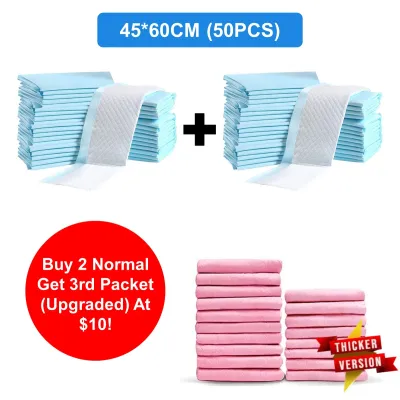
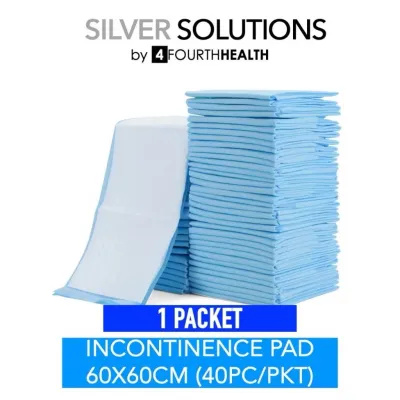
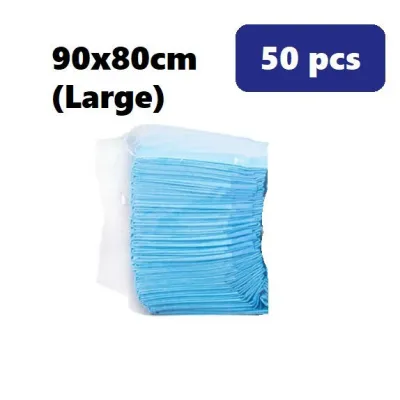
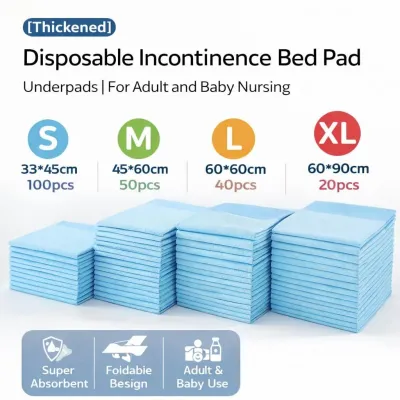
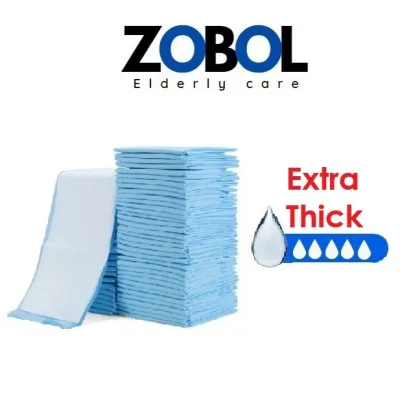
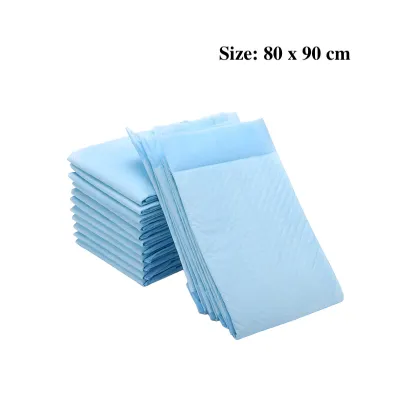
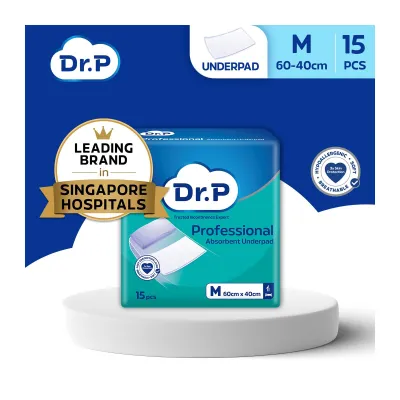
Prices are valid at publication and may change. Please refer to the product page for the latest price.
Key Features to Compare When Buying a Disposable Pad
Selecting the right product requires an understanding of the materials and design elements that dictate performance, comfort, and safety. Because babies have highly delicate skin, a poorly constructed pad can lead to discomfort or diaper rash. Evaluating several critical dimensions will help you choose a brand that meets your family’s specific needs.

Absorbency and Core Material The primary function of any changing pad is to manage moisture effectively. When evaluating different brands, look closely at the composition of the absorbent core. High-quality pads typically feature a blend of fluff pulp and Superabsorbent Polymers (SAP). Fluff pulp provides the initial loft and physical structure to absorb liquid quickly, while SAP acts as a chemical lock, absorbing many times its weight in fluid and converting it into a stable gel. This gel formation is crucial because it prevents rewetting—the phenomenon where liquid is squeezed back onto the baby’s skin when they wiggle or press down on the pad. In Singapore’s humid climate, keeping the skin dry is essential for preventing diaper dermatitis, making a rapid-dry core a top priority.
Surface Texture and Comfort The layer that comes into direct contact with your baby’s skin must be exceptionally gentle. Most reputable manufacturers utilize a non-woven polypropylene or polyester top sheet. This material is engineered to be porous, allowing liquid to pass through to the absorbent core instantly while remaining dry to the touch. When shopping, feel the surface texture if a sample is available, or look for descriptions indicating a quilted or embossed pattern. Quilted surfaces are highly beneficial because they distribute liquid evenly across the pad rather than letting it pool in one spot. They also minimize the surface area of the pad that directly touches the skin, preventing the material from sticking to a sweaty or damp baby.
Size and Coverage Disposable pads are available in several standard dimensions, and matching the size to your specific usage scenario prevents unnecessary waste and coverage gaps. Small pads (approximately 33×45 cm) are highly portable and ideal for newborns, fitting easily onto compact travel changing tables or inside diaper clutch bags. Medium pads (approximately 45×60 cm) represent the standard size, offering versatile coverage that accommodates most infants up to one year of age. Large pads (approximately 60×90 cm) are designed for older, more active babies or for protecting larger surfaces, such as adult beds during diaper-free tummy time. Selecting the correct size ensures that you do not pay extra for unused surface area while still protecting your furniture from stray leaks.
Leak-Proof Backing The bottom layer of the pad is your primary defense against moisture penetration. This layer is almost universally made from polyethylene (PE) film, a highly durable and waterproof plastic material. The backing must be completely impermeable to prevent urine or liquid stools from seeping through to your changing table, bedsheets, or car seats. However, a common trade-off with highly waterproof backings is that they can be slippery. When placed on polished wood, plastic, or leather surfaces, a smooth PE backing may slide easily as your baby moves. To mitigate this, some premium pads feature a textured, matte, or slightly tacky backing that increases friction and keeps the pad securely in place.
Indicators and Extras While the core layers and backing form the foundation of a good pad, secondary features can enhance daily convenience. Some pads include wetness indicators—lines or patterns on the surface that change color when exposed to moisture—allowing you to see at a glance if a leak has occurred without lifting the baby. Others feature integrated adhesive strips on the corners of the backing. These strips allow you to anchor the pad firmly to a changing table or public restroom station, preventing it from bunching up or sliding during a chaotic change. While these features are convenient, they are not strictly necessary and typically come at a slightly higher price point per unit.
Matching Pad Types to Your Baby's Needs
As your baby grows and your daily routines shift, your requirements for a changing pad will evolve. A product that works perfectly for a stationary newborn may prove inadequate for a rolling nine-month-old. Understanding how to match the pad’s specifications to your baby’s developmental stage ensures optimal comfort and protection.
For Newborns and Sensitive Skin
Newborn infants possess an incredibly delicate skin barrier that is significantly thinner than adult skin, making them highly susceptible to chemical irritants and friction. For babies in this developmental stage, prioritizing material purity is essential. Look for products that are explicitly labeled as hypoallergenic, fragrance-free, and dermatologically tested. Many standard consumer hygiene products contain added artificial scents or lotions designed to mask odors, but these additives can easily trigger contact dermatitis or allergic reactions on sensitive newborn skin.
When examining packaging, verify that the manufacturer has excluded harsh chemicals, chlorine bleaching agents, and synthetic dyes from the production process. Chlorine-free bleaching is particularly important, as it prevents the formation of trace dioxins in the fluff pulp. While a pad may claim high absorbency, remember that newborn diaper changes are frequent—often occurring up to ten or twelve times a day. No matter how advanced the pad’s moisture-locking technology is, frequent physical changes remain your primary defense against diaper rash. Do not use a highly absorbent pad as an excuse to delay a diaper change, as prolonged exposure to warm, acidic urine will inevitably irritate sensitive skin.
For Travel and On-the-Go Changes
When navigating Singapore’s bustling shopping districts, public transport networks, or outdoor family attractions, portability and hygiene are your primary concerns. Diaper bags are often packed to capacity with bottles, spare clothes, and toys, leaving minimal space for bulky changing accessories. For travel, look for pads that are compactly folded and ultra-thin, or ideally, individually wrapped. Individual wrapping ensures that the pad remains sterile and clean, even when rolling around at the bottom of a cluttered diaper bag alongside keys and loose coins.
Public changing tables in shopping malls or transit hubs are used by hundreds of families daily, making a reliable leak-proof backing non-negotiable. The waterproof PE backing acts as a physical shield, preventing your baby from coming into direct contact with potentially contaminated surfaces. It also ensures that any sudden messes during the change do not soil the public facility. To prepare for unexpected emergencies—such as a blowout during a car ride or a diaper change in a park with no nursing room—it is highly practical to keep a dedicated stash of three to five travel-friendly pads in your stroller organizer or car glove compartment at all times.
For Older Babies and Active Movers
Once babies reach approximately six months of age, they begin to master physical milestones like rolling, kicking, and crawling. At this stage, diaper changes often become a dynamic struggle, as active infants rarely lie still. To accommodate this increased movement, transition to larger pad dimensions, such as 60×90 cm. This wider surface area provides a generous safety margin, catching stray leaks and containing messes even if your baby rolls or shifts repeatedly during the process.
Furthermore, active movers can easily bunch up a standard changing pad, rendering the waterproof barrier useless. To solve this, select pads that feature adhesive corner strips or a specialized non-slip backing. Securing the pad to your changing table or bed prevents it from shifting as your baby kicks, allowing you to focus your attention on diapering rather than constantly smoothing out the protective sheet. However, always remember that no adhesive strip or non-slip backing can replace active parental supervision. Never leave your baby unattended on an elevated surface, and always keep a secure, physical hand on your infant to prevent accidental falls.
Where to Buy and How to Verify Products in Singapore
Navigating the local retail market in Singapore allows you to source authentic, high-quality changing pads while avoiding counterfeit or poorly stored items. Both physical retail stores and online channels offer distinct advantages depending on your urgency and purchasing preferences.
For immediate needs or when you wish to inspect a product’s packaging firsthand, local physical retailers are highly reliable. Major supermarkets, well-known pharmacies, and dedicated mother-and-baby specialty boutiques across Singapore stock a variety of reputable diapering brands. Visiting these stores allows you to read the ingredient lists, check the physical dimensions printed on the packaging, and evaluate the overall build quality of the pads before making a purchase.
If you prefer the convenience of home delivery, online channels are an excellent alternative. When shopping online, prioritize official brand flagship stores or authorized distributors on major local e-commerce platforms and specialty baby retail websites. Purchasing from authorized sources guarantees product authenticity and ensures that the items have been imported through proper supply chains. Avoid buying from unverified third-party sellers who offer unusually low prices, as these products may be counterfeit, expired, or stored in substandard conditions.
Before using any newly purchased pads on your baby, perform a quick verification check. Ensure that the outer plastic packaging is completely sealed and free from punctures or tears. In Singapore’s hot and humid climate, exposure to ambient moisture can compromise the adhesive backing of the pads or cause the superabsorbent polymers inside the core to absorb atmospheric humidity, reducing their overall performance. Additionally, check the packaging for clear manufacturing and expiry dates. Finally, when trying a new brand, always purchase a small starter pack first. Avoid the temptation of bulk-buying large cartons until you have confirmed that the pad’s materials are fully compatible with your baby’s skin and do not cause any adverse reactions.
Safe Usage, Hygiene, and Disposal Practices
Using disposable changing pads responsibly involves adhering to safety guidelines, maintaining a consistent hygiene routine, and disposing of waste in accordance with local environmental standards. Integrating these practices into your daily diapering routine protects both your baby and your living environment.
First and foremost, prioritize physical safety during every change. If you are placing the pad on an elevated surface—such as a changing table, chest of drawers, or bed—never leave your baby unattended for even a fraction of a second. The smooth plastic backing of a disposable pad can reduce friction between the baby and the changing surface, making it easier for a sudden kick or roll to result in a slip. Always maintain physical contact with your baby, keeping one hand securely on their torso at all times.
It is also important to remember that the changing pad is designed to protect your furniture and public surfaces, not to replace proper skin hygiene. The pad itself does not prevent diaper rash; rather, your wiping technique and diapering frequency do. Always clean your baby’s diaper area thoroughly with water or gentle, alcohol-free wipes, pat the skin completely dry with a clean cloth, and apply a thin layer of barrier cream if recommended by your pediatrician before fastening a new diaper.
When the change is complete, dispose of the soiled pad hygienically. Disposable changing pads are constructed from synthetic materials and superabsorbent polymers that do not break down in water; therefore, they are strictly non-flushable and will cause severe plumbing blockages if discarded in a toilet. To dispose of a pad properly, roll it tightly inward, trapping the soiled diaper and any wipes inside. If the pad has adhesive strips, use them to secure the rolled bundle. Place the wrapped bundle directly into a dedicated diaper bin or your general household waste receptacle. Always wash your hands thoroughly with soap and water immediately after completing the disposal process.
Frequently Asked Questions (FAQ)
Can I use disposable changing pads on a regular changing table?
Yes, disposable changing pads can be used effectively on top of a standard changing table or fabric cover. They act as an excellent protective layer, shielding your nursery furniture and fabric covers from stubborn stains, dampness, and unexpected messes during diaper changes. If the pad you are using lacks integrated adhesive backing, you can place a non-slip silicone mat underneath the pad or ensure you maintain a firm, continuous grip on your baby to prevent the smooth plastic backing from sliding on the table surface.
How many disposable changing pads should I pack for a hospital bag?
Packing a starter set of 10 to 15 disposable changing pads is generally sufficient for a standard two-to-three-day postpartum hospital stay in Singapore. While most local hospitals provide basic nursery supplies during your admission, having your own pads offers extra peace of mind and personal comfort. These pads are highly useful for protecting your personal belongings, diaper bags, and the hospital bedding during skin-to-skin contact sessions, initial diapering practice, or when dressing your newborn for the journey home.
Are disposable changing pads safe for babies with eczema?
While fragrance-free and hypoallergenic disposable changing pads are designed to minimize skin irritation, babies diagnosed with eczema have a highly compromised skin barrier that can react unpredictably to synthetic materials. If your baby has eczema, you should consult your pediatrician or a pediatric dermatologist before introducing new diapering products. Always inspect the skin regularly during use, and discontinue using the pads immediately if you observe any redness, dryness, scaling, or localized flare-ups.

Community discussion
Share your experience or ask a question. Comments are reviewed before publication.