
Finding the right baby disposable changing mat is a priority for parents who value hygiene, convenience, and skin health. These single-use sheets provide a reliable, waterproof barrier that protects your baby from unsanitary surfaces during diaper changes while safeguarding your home furniture from unexpected messes. In Singapore’s tropical climate, where high humidity can quickly lead to skin irritation, selecting a high-quality mat is not just about convenience—it is a crucial step in maintaining your baby’s skin integrity.
How to Choose the Right Disposable Changing Mat for Your Baby
Selecting the ideal disposable changing mat requires a clear understanding of your daily routine, your baby’s developmental stage, and the unique environmental factors of living in Singapore. With high relative humidity levels often exceeding 80 percent, moisture management is critical to preventing common skin issues such as diaper rash and heat rash.
Absorbency and Leak Protection The primary function of any disposable changing mat is to contain liquid and prevent it from reaching underlying surfaces. High-quality mats feature a multi-layered construction, typically consisting of a soft top sheet, an absorbent middle core, and a waterproof bottom backing. The middle core often utilizes superabsorbent polymers (SAP) or dense cellulose pulp to quickly draw liquid away from the surface and lock it inside. In Singapore’s humid climate, trapped moisture against a baby’s skin can rapidly compromise the skin barrier, leading to irritant diaper dermatitis. A mat with superior absorbency ensures that even if your baby urinates mid-change, the liquid is instantly absorbed, keeping the surface dry and minimizing contact with the skin. The waterproof backing, usually made of a thin polyethylene film, must be completely impermeable to prevent leaks onto your bed, sofa, or public changing tables.
Products mentioned in this guide
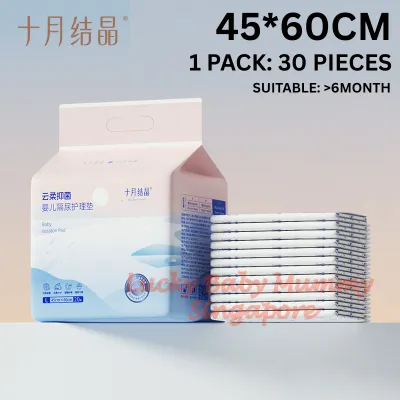
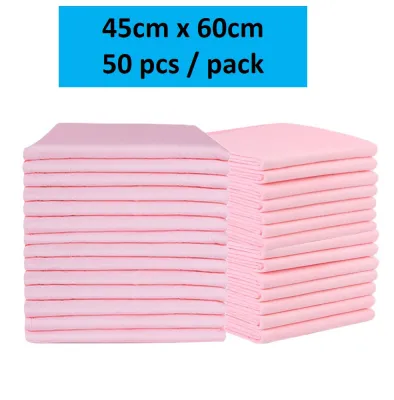
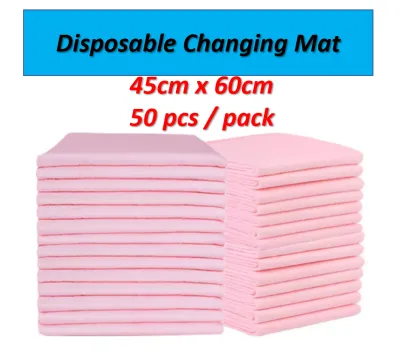
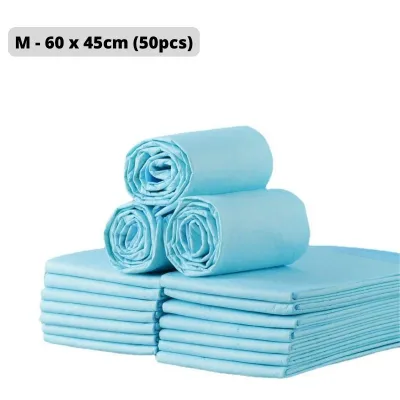
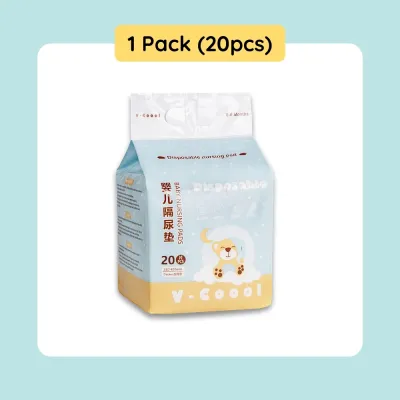
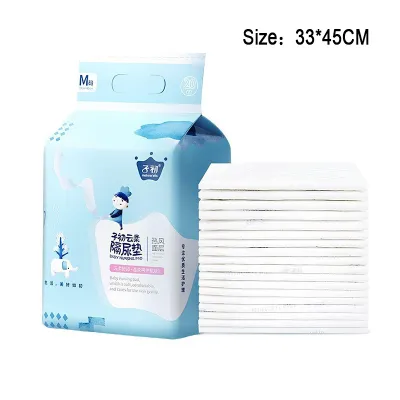
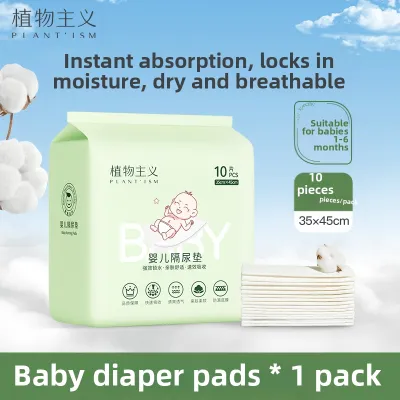
Prices are valid at publication and may change. Please refer to the product page for the latest price.
Size and Portability Balancing the physical dimensions of a changing mat with its portability is essential for seamless daily parenting. Disposable mats are available in various sizes, generally categorized into small, medium, and large. Small mats, measuring approximately 33 by 45 centimeters, are highly compact and lightweight, making them ideal for packing into diaper bags, stroller organizers, or small travel clutches. However, as your baby grows and becomes more active, a small mat may not provide sufficient coverage to protect against sudden rolls or kicks. Medium and large mats, ranging from 45 by 60 centimeters to 60 by 90 centimeters, offer a much larger protective surface. These larger dimensions are highly beneficial for home use, particularly on dedicated changing tables, playpens, or mattresses. When choosing a mat, consider where the diaper change will take place and select a size that provides a generous safety margin around your baby.
Material and Skin Compatibility An infant’s skin is significantly thinner and more sensitive than adult skin, making it highly susceptible to chemical irritants and friction. When evaluating disposable changing mats, prioritize products that feature an ultra-soft, non-woven top layer that feels gentle against the skin. Parents should carefully examine product packaging and manufacturer specifications for hypoallergenic claims, fragrance-free formulations, and the absence of harsh chemicals such as chlorine, alcohol, phthalates, and synthetic dyes. Because marketing terms are not always standardized, it is highly recommended to verify these claims against the manufacturer’s official documentation. Choosing a mat with a breathable back sheet can also help reduce heat buildup, which is particularly important in Singapore’s warm weather to prevent the development of heat rash (miliaria).
Top Disposable Mat Profiles for Everyday Parenting Scenarios
Different parenting situations call for different types of disposable changing mats. By understanding the distinct profiles available on the market, you can select the most practical and cost-effective options for both home and travel.

Best for On-the-Go and Travel
Navigating public spaces in Singapore, such as bustling shopping malls, transit stations, and pediatric clinics, requires a highly portable and hygienic diaper-changing solution. Public changing tables are convenient, but they are shared by hundreds of families daily, making a reliable physical barrier essential for your baby’s health.
- Portability and Design: Mats designed specifically for travel are ultra-thin, lightweight, and often individually wrapped. This individual packaging keeps the mat clean and sterile inside your diaper bag until the moment you need to use it. They fold down to a fraction of their size, allowing you to slip several of them into a side pocket without adding unnecessary bulk.
- Hygienic Protection: These mats act as a personal shield, ensuring your baby never comes into direct contact with public surfaces. They are designed for quick deployment, allowing you to unfold them easily with one hand while holding your baby.
- Limitations: To achieve such a compact design, travel mats typically feature a thinner absorbent core. While they are excellent for containing minor leaks and providing a clean surface, they may not handle heavy liquid volume or major diaper blowouts as effectively as thicker home-use mats. They are best suited for quick, routine diaper changes on the go.
Best for Home and Nursery Use
At home, where diaper changes are frequent and occur in dedicated areas, the priority shifts from portability to maximum protection, surface coverage, and cost-effectiveness.
- Maximum Absorbency: Home-use disposable mats are engineered with a thicker, high-capacity absorbent core. They are designed to handle larger volumes of liquid, making them ideal for overnight diaper changes or for babies who frequently urinate during the changing process.
- Generous Surface Area: These mats feature larger dimensions, often 60 by 90 centimeters, providing complete coverage for changing tables, beds, carpets, or playpens. This large surface area is particularly valuable for older, more active babies who tend to wiggle, roll, or kick during diaper changes, ensuring that any mess remains contained within the boundaries of the mat.
- Cost-Effectiveness: Since these mats are used daily, purchasing them in bulk cartons of 50 to 100 pieces from online marketplaces or local baby distributors is highly economical. While they are too bulky to carry in a standard diaper bag, keeping a dedicated stack at your home changing station ensures you always have heavy-duty protection on hand.
Best for Sensitive Skin
For babies diagnosed with eczema, contact dermatitis, or highly reactive skin, selecting a changing mat with the gentlest possible materials is a necessity.
- Hypoallergenic Materials: Mats tailored for sensitive skin utilize premium, medical-grade non-woven fabrics that minimize friction against the skin. They are manufactured without the use of chlorine bleaching, which can leave trace chemical residues, and are strictly free from added fragrances, lotions, and artificial colorants.
- Enhanced Breathability: These mats feature advanced micro-porous back sheets that allow air to circulate while keeping moisture locked inside. This breathability is crucial in Singapore's tropical climate, as it prevents the accumulation of sweat and heat, which are common triggers for skin flare-ups.
- Safety and Monitoring: While products labeled as "hypoallergenic" or "dermatologically tested" are formulated to minimize the risk of irritation, they do not guarantee an absolute absence of allergic reactions. Every baby's skin chemistry is unique. Parents must monitor their baby's skin closely during the initial use of any new brand. If you observe any signs of redness, swelling, itching, or rash, discontinue use of the mat immediately. Cleanse the affected area with mild water, and consult a pediatrician or qualified healthcare professional for guidance.
Comparing Key Features at a Glance
To help you quickly identify the most suitable disposable changing mat for your specific needs, the following table compares the three primary mat profiles across key decision-making dimensions.
| Profile Type | Ideal Use Case | Key Feature Priority | Typical Size Range | Best For |
|---|---|---|---|---|
| On-the-Go / Travel | Public restrooms, malls, clinics, and outdoor travel | Portability, individual wrapping, and lightweight design | 33 x 45 cm to 45 x 60 cm | Quick diaper swaps and maintaining hygiene on public surfaces |
| Home / Nursery | Dedicated changing tables, beds, and playpens | Maximum absorbency, large surface area, and bulk value | 60 x 90 cm | Active babies, heavy messes, and protecting home furniture |
| Sensitive Skin | Babies prone to eczema, heat rash, or allergies | Breathability, fragrance-free, and chemical-free materials | Varies (available in multiple sizes) | Eczema-prone skin and preventing heat rash in humid climates |
Essential Safety and Hygiene Practices for Diaper Changes
Using disposable changing mats effectively goes beyond selecting the right product; it requires adhering to strict safety and hygiene practices to protect your baby and maintain a clean home environment.
Supervision and Fall Prevention The most critical safety rule during any diaper change is to maintain continuous, active supervision of your baby. Falls from changing tables, beds, or other elevated surfaces can result in serious injuries. Even if a disposable changing mat features adhesive strips or a high-friction backing designed to prevent sliding, these features are meant to keep the mat in place, not the baby. Never leave your baby unattended on a changing surface, even for a single second, regardless of their age or mobility level. Always keep at least one hand securely on your baby at all times. Before placing your baby on the changing surface, ensure that all necessary supplies—including clean diapers, wipes, diaper creams, and the disposable mat—are within arm’s reach. If you must step away to retrieve an item, pick your baby up and take them with you, or perform the diaper change on a clean spot on the floor.
Hygiene and Disposal Proper disposal of used changing mats is essential for preventing the spread of bacteria and maintaining household hygiene. Once a diaper change is complete, carefully roll or fold the disposable mat inward, keeping any soiled areas contained on the inside. Secure the rolled mat and discard it immediately into a designated trash bin or diaper pail. Under no circumstances should disposable changing mats be flushed down the toilet. These mats are constructed with highly absorbent fibers and waterproof plastic backings that do not disintegrate in water. Flushing them will lead to severe plumbing blockages, potential sewage backups, and environmental damage to municipal water systems.
Product Verification To ensure the safety and efficacy of the changing mats, always read the manufacturer’s packaging instructions and warnings before first use. Check for any specific age, weight, or developmental guidelines provided by the brand. Before placing your baby on a mat, inspect it briefly to ensure it is intact. If you notice any tears, punctures, or compromised backing, discard the mat immediately. A damaged mat cannot guarantee leak protection and may expose your baby’s skin to the underlying surface or allow moisture to seep through, defeating the purpose of using a disposable barrier.
Frequently Asked Questions (FAQ)
Can I reuse a disposable changing mat if it is not soiled?
While disposable changing mats are designed for single-use convenience, you may reuse a mat for the same baby during subsequent diaper changes if it remains completely dry, clean, and unsoiled. However, to maintain optimal hygiene and prevent the potential transfer of bacteria, it is generally recommended to use a fresh mat for each diaper change. If the mat has come into contact with any moisture, urine, stool, or diaper creams, it must be discarded immediately. Never share a used mat between different babies, as this can facilitate the spread of skin infections or pathogens.
Are disposable changing mats safe for newborns?
Yes, disposable changing mats are safe for newborns, provided they are used correctly on a stable, flat surface and under continuous adult supervision. Because newborn skin is exceptionally delicate and thin, it is highly recommended to choose mats that feature ultra-soft, breathable top layers and are explicitly free from fragrances, dyes, and harsh chemicals. Always check the product label for any specific age or weight recommendations from the manufacturer, and monitor your newborn’s skin closely for any signs of sensitivity or redness during the first few uses.

Community discussion
Share your experience or ask a question. Comments are reviewed before publication.