
Nighttime diaper changes and feeding sessions require speed, coordination, and absolute quiet. When your baby wakes up at 2 AM, fumbling in the dark for a wipe, a clean swaddle, or a pacifier can disrupt their sleep cycle and yours. Choosing the right crib storage (婴儿床收纳) solution ensures that everything you need is organized, secure, and within arm’s reach. The ideal setup depends heavily on your nursery layout, crib design, and safety requirements, allowing you to manage nighttime care with minimal stress.
How to Choose the Right Crib-Side Storage
Selecting the perfect bedside organizer requires balancing immediate accessibility with long-term safety. Because every nursery layout is different, you must first evaluate how much space you have around the crib and what specific items you need to store. A well-chosen organizer keeps your nighttime essentials structured, preventing the clutter that often accumulates during exhausted, sleep-deprived hours.
Core Decision Dimensions
To find the right system, evaluate the three main installation types: hanging organizers, clip-on caddies, and freestanding rolling carts. Hanging organizers utilize the vertical space on the exterior of the crib rails, making them excellent space-savers. Clip-on caddies offer a more compact, targeted storage area for small essentials, while freestanding carts provide maximum capacity but require dedicated floor space. Your choice should match your storage volume needs and how often you plan to rearrange your nursery layout.
Products mentioned in this guide
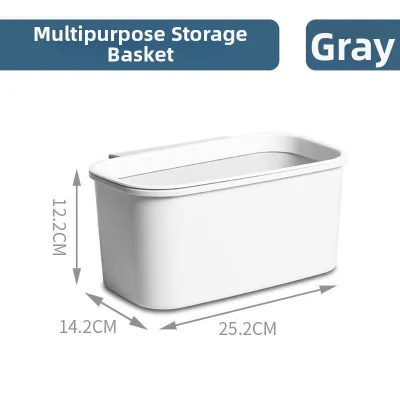
![[Ready Stock in SG] Multifunctional Baby Infant Newborn Diaper Nappy Stacker Organizer Crib Hanging bag [Little Gems]](https://img.lazcdn.com/g/p/a97d47f7037a82418a0c42d1915aba4f.jpg_400x400q80.jpg_.webp)
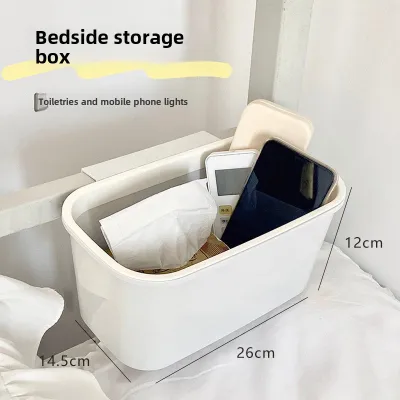
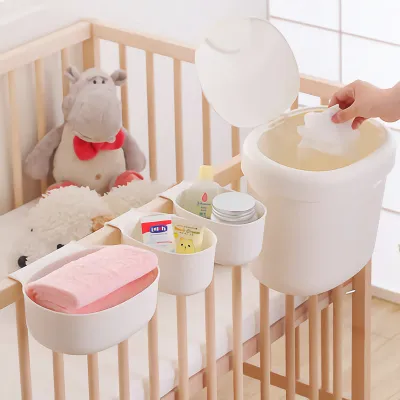
![[ ]Stylish Nursery Storage Basket Floral Diaper Organizer Gift for Baby Shower Newborn Essentials in Floral Beige](https://img.lazcdn.com/g/p/cdbeb27328dc167980fe9f02951a4dc0.jpg_400x400q80.jpg_.webp)
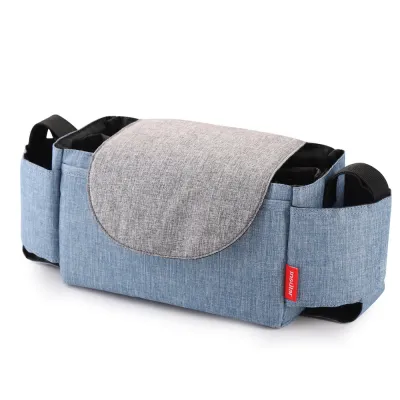
Prices are valid at publication and may change. Please refer to the product page for the latest price.
Measuring Crib Rails and Bedside Clearance
Before purchasing any organizer that attaches directly to your baby’s crib, you must measure the physical dimensions of the crib frame. Use a flexible measuring tape to determine the thickness and depth of the top rail, as well as the distance between individual slats. Many hanging organizers rely on straps or hooks that only fit standard-width rectangular rails; they may slip or fail to secure on thick, curved, or heavily padded designs. Additionally, measure the clearance between the crib and adjacent furniture, such as your own bed or a changing table, to ensure the organizer does not block walkways or create a tripping hazard in the dark.
One-Handed Access and Silent Closures
During a middle-of-the-night diaper change, you will likely have one hand on your baby at all times for safety. Therefore, any bedside organizer you choose must allow for seamless, one-handed access. Avoid organizers with complex zippers, stiff buckles, or loud Velcro closures, as the sudden tearing sound can easily startle a drowsy infant back into full wakefulness. Instead, look for open-top compartments, elasticized pockets, or whisper-quiet magnetic snaps that allow you to retrieve items silently and effortlessly.
Material Durability and Nursery Suitability
Given the tropical, humid climate in Singapore, selecting the right material is essential for maintaining a hygienic nursery environment. Fabric organizers should be made from breathable, high-density polyester or canvas that resists moisture accumulation and mold growth. Always check the manufacturer’s product label to ensure the materials are non-toxic, lead-free, and phthalate-free. Opt for organizers with wipeable interior linings, as diaper creams, baby oils, and leaked formulas are bound to spill eventually, and a quick-cleaning surface will save you significant time and effort.
Top Crib Storage Solutions for Nighttime Care
Different crib styles and room layouts require distinct storage configurations. Understanding the strengths and limitations of each product type will help you select a solution that integrates seamlessly into your nightly routine.

Hanging Crib Organizers (Best for Standard Cribs)
Hanging crib organizers are multi-pocket fabric systems designed to drape securely over the exterior rail of a traditional wooden crib. These organizers typically feature a combination of large shelves, mesh pockets, and dedicated diaper dispensers that allow you to stack dozens of diapers vertically for easy retrieval.
- Pros: They offer exceptionally high storage capacity without taking up any floor space, keeping all your changing and feeding essentials completely outside the baby's sleep zone.
- Cons: If overloaded, fabric hanging organizers can sag, causing items to shift or slide out. They also require a sturdy, standard-width crib rail to support the weight safely.
- Buying Checklist: Look for models with reinforced plastic or cardboard support boards in each shelf to maintain structural shape. Ensure the organizer features heavy-duty adjustable buckled straps rather than simple fabric ties, and verify that the interior linings are fully wipeable.
Clip-On Bedside Caddies (Best for Co-Sleepers & Bassinets)
Clip-on bedside caddies are compact, highly structured storage units that attach directly to thinner crib rails, bassinet frames, or the edges of an adult bed using adjustable clamps or tight strap systems. These are designed for minimalist storage, focusing only on the absolute essentials needed for immediate nighttime care.
- Pros: They are highly portable and ideal for compact co-sleeping setups where space is extremely limited, keeping a small selection of items within arm's reach of your own bed.
- Cons: They have a much lower weight and storage capacity compared to hanging organizers, and their rigid clamp mechanisms may not fit tubular, highly irregular, or heavily padded crib frames.
- Buying Checklist: Verify the maximum opening width of the clamp or clip to ensure it matches your frame. Look for caddies with internal dividers to keep small items like pacifiers and thermometers upright, and ensure the clamping mechanism features rubber padding to protect your furniture from scratches.
Rolling Bedside Storage Carts (Best for Maximum Capacity)
Rolling storage carts are freestanding, multi-tiered utility carts placed adjacent to the crib or changing table. Typically constructed from metal or heavy-duty plastic, these wheeled units serve as a complete mobile nursery station that can hold bulk supplies, extra clothing, and feeding equipment.
- Pros: They provide massive storage volume, allowing you to keep bulk diaper packs, wipes, breast pumps, and bottles in one organized place. They can also be easily rolled away when cleaning the nursery floor.
- Cons: They require dedicated floor space next to the crib and are not physically attached, meaning you must reach slightly further to grab items during the night.
- Buying Checklist: Check the overall footprint to ensure it fits your room layout. Look for carts with high-quality, 360-degree caster wheels that feature reliable locking mechanisms, and ensure the height of the top tier aligns comfortably with your crib mattress height for easy access.
Bed Rail Storage Shelves and Pockets (Best for Quick Reach)
Bed rail shelves and minimalist mesh pockets are lightweight, low-profile accessories that mount directly to the exterior slats of the crib. These solutions are designed for rapid, friction-free access to high-frequency items rather than bulk storage.
- Pros: They offer the fastest possible access to small, frequently used items like pacifiers, burp cloths, or diaper rash cream, and their lightweight design keeps the crib exterior uncluttered.
- Cons: They have very limited storage space and cannot accommodate bulk diaper stacks, large wipe containers, or heavy bottles.
- Buying Checklist: Ensure the mounting hardware is completely smooth with rounded edges to prevent scratches. Verify that fabric pockets are deep enough to prevent small items from falling out if the crib is bumped or nudged during the night.
Safety and Setup Rules for Crib-Adjacent Storage
When organizing your baby’s sleep space, safety must always take precedence over convenience. Proper installation and mindful weight management are essential to prevent accidents as your baby grows and becomes more active.
- Mount Strictly on the Exterior: The most critical safety rule for any crib-adjacent storage is that all organizers, pockets, and shelves must be mounted strictly on the exterior of the crib. Never place soft organizers, hanging bags, or loose storage items inside the crib or hanging over the interior rail. Items inside the sleep zone pose serious suffocation, choking, and Sudden Infant Death Syndrome (SIDS) risks.
- Eliminate Entanglement Hazards: Perform a thorough anti-entanglement check during installation. Ensure all mounting straps, hanging cords, and adjustment ties are pulled tight, shortened, and tucked away completely out of your baby's reach. As babies develop the ability to sit up and reach, any loose string or strap can become a dangerous strangulation hazard.
- Observe Weight Limits and Distribution: Overloading a hanging organizer can put excessive stress on your crib's frame, potentially causing rails to warp, hardware to loosen, or the organizer itself to fall. Always follow the manufacturer's specified maximum weight limits. Distribute weight evenly, placing heavier items like full wipe packs at the bottom and lighter items like diapers and swaddles at the top.
- Secure Freestanding Carts: If you use a rolling storage cart, always engage the wheel locks when the cart is parked next to the crib. Ensure the cart is positioned far enough away that a standing toddler cannot reach out from the crib to pull the cart over, yet close enough for you to access comfortably. Regularly check that the cart remains stable and cannot be easily tipped.
- Monitor and Inspect Regularly: Routinely inspect your storage setup for signs of wear and tear. If you notice sagging fabric, frayed straps, loose screws, or cracked plastic clamps, stop using the organizer immediately. If you suspect any incompatibility between the storage accessory and your specific crib model, discontinue use and consult the crib manufacturer or a nursery safety professional.
What to Keep in Your Nighttime Crib Caddy
An organized caddy prevents frantic searching in the dark. By grouping your items into functional zones and arranging them by frequency of use, you can streamline your nighttime care routine.
The Three-Zone Organization System
To maximize efficiency, divide your crib-side organizer into three distinct zones based on the tasks you perform most frequently during the night:
- The Diapering Zone: This area should hold 6 to 8 diapers, a fresh pack of sensitive baby wipes, a tube of diaper rash cream, and a small roll of disposable diaper bags. Keeping these items clustered together allows you to perform quick changes without moving your baby far from the sleep area.
- The Feeding Zone: Dedicate a clean compartment to feeding essentials, including 2 to 3 clean burp cloths, spare breast pads, a silicone bib, and, if bottle-feeding, a prepared bottle or pre-measured formula dispenser. Keeping these items separate prevents them from coming into contact with diapering supplies.
- The Soothing Zone: Keep a few spare pacifiers, a lightweight swaddle or sleep sack, and a small, portable white noise machine or nightlight in this zone. Having these items instantly accessible helps you soothe a fussy baby back to sleep before they fully wake up.
Arranging by Frequency of Use
Always place your most frequently used items in the top, most accessible pockets of your organizer. Items like pacifiers, wipes, and burp cloths should be retrievable without looking. Bulkier backup items, such as extra diaper stacks, spare bed sheets, or unopened packages of wipes, should be stored in the lower, larger compartments where they do not crowd your primary workspace.
Performing Weekly Caddy Audits
It is easy for clutter to accumulate in a bedside organizer over time. Dedicate a few minutes once a week to audit your caddy. Remove empty wipe packets, expired or separating diaper creams, and dirty burp cloths. This is also an excellent time to check for small objects, such as loose safety pins or plastic packaging tabs, which can find their way into pockets and pose serious choking hazards to growing babies.
Frequently Asked Questions (FAQ)
Can I use a regular bedside caddy for a baby crib?
No, you should avoid using standard adult bedside caddies on a baby crib. Adult caddies are typically designed to slip under a mattress without secure locking mechanisms, making them prone to slipping or falling when pulled. They also frequently feature long straps, deep fabric pockets, or loose cords that do not meet strict nursery safety standards and can present serious entanglement or suffocation hazards. Always choose storage products specifically designed, tested, and certified for nursery and crib use.
How do I clean a fabric crib organizer without removing it?
For routine maintenance, start by using a handheld vacuum with a clean brush attachment to remove dust, lint, and loose fibers from the pockets. Next, wipe down the interior and exterior surfaces using a damp cloth and a mild, baby-safe disinfectant or gentle soapy water. Always consult the manufacturer’s care label before applying any liquid cleaners. Avoid soaking the organizer unless the product specifications explicitly state it is machine washable, as excess moisture can degrade internal cardboard supports and encourage mold growth in humid climates.
Are hard plastic crib shelves safer than fabric pockets?
Both hard plastic shelves and fabric pockets are safe for nursery use, provided they are installed strictly on the exterior of the crib according to the manufacturer’s instructions. Hard plastic shelves eliminate the risk of fabric sagging and do not present a suffocation hazard if a baby presses against them from the outside. However, they introduce a rigid, hard surface that could cause minor bumps if a crawling baby collides with them. Fabric pockets offer a softer exterior profile but require careful weight monitoring to prevent sagging and structural failure.
Community discussion
Share your experience or ask a question. Comments are reviewed before publication.