
Choosing the right grooming products for a newborn is one of the first safety decisions you will make as a parent. For daily tasks like cleaning delicate eyelids, wiping away milk residue, and caring for a healing umbilical stump, high-quality cotton balls are indispensable. To protect your baby’s ultra-sensitive skin from irritation, look for cotton balls that are made of 100% pure cotton, unbleached, and completely lint-free.
In Singapore, you have access to a wide range of baby care brands, but not all cotton products are created equal. While standard cosmetic cotton balls might seem identical to baby-specific versions, they often contain synthetic blends or chemical residues that can compromise your newborn’s skin barrier. For specialized tasks like umbilical cord care, medically sterile cotton balls are highly recommended, whereas organic, unbleached cotton balls are ideal for daily facial grooming. Understating these differences helps you select the safest options available in local pharmacies and baby boutiques.
Why Standard Cotton Balls Aren't Always Safe for Newborns
A newborn baby’s skin is structurally different from adult skin. It is up to 30% thinner, highly permeable, and lacks a fully developed acid mantle, making it far more susceptible to absorbing environmental chemicals and experiencing friction-induced irritation. When you use standard cosmetic cotton balls, you may unknowingly expose your baby to synthetic polyester fibers, chemical binders, and residual optical brighteners used to make the cotton appear artificially white.
Products mentioned in this guide
Prices are valid at publication and may change. Please refer to the product page for the latest price.
Synthetic fiber blends do not absorb water as effectively as pure cotton, which often leads to parents applying more pressure during wiping. This friction can cause micro-abrasions on a newborn’s delicate skin. Furthermore, standard cotton balls tend to shed excessive lint. These loose fibers can easily become trapped in the moist folds of a baby’s neck, under their eyelids, or around the healing umbilical stump.
When lint remains on the skin, it can trap moisture and bacteria, increasing the risk of localized irritation or infection. Baby-safe cotton products are manufactured under strict hygienic conditions to ensure they remain structurally intact when wet, minimizing the risk of shedding. Choosing products specifically labeled as 100% pure cotton and intended for infant use is a simple way to safeguard your baby’s skin health from day one.
Key Features to Look for in Baby Cotton Balls
Navigating the baby care aisle in Singapore can be overwhelming with numerous brands claiming to be the gentlest or safest. To make an informed decision, you should evaluate any cotton ball product against five non-negotiable criteria.

Material Composition
Always verify that the packaging explicitly states “100% pure cotton.” Many generic cotton balls are blended with polyester or rayon to lower manufacturing costs. Synthetic fibers are less absorbent and can feel scratchy against a newborn’s skin, whereas pure cotton is naturally hypoallergenic, highly absorbent, and exceptionally soft.
Chemical Processing and Bleaching
Standard cotton is often bleached using chlorine, a process that can leave behind trace amounts of dioxins. For newborn care, look for cotton balls that are bleached using hydrogen peroxide (an environmentally friendly and residue-free method) or are entirely unbleached. Unbleached cotton balls retain their natural, slightly off-white or ivory color and may even feature tiny brown specks, which are harmless remnants of the cotton plant.
Lint-Free Integrity
High-quality baby cotton balls are processed using techniques like spunlace technology or high-pressure water jets to bind the fibers tightly together. This prevents the cotton ball from shredding or leaving loose fibers behind when saturated with water or saline. Testing a cotton ball by gently pulling it when wet can help you assess its structural integrity.
Sterilization Standards
It is important to distinguish between clean cotton balls and sterile cotton balls. Clean cotton balls are manufactured in hygienic environments and are perfectly suitable for daily facial wiping and cleaning milk drool. However, for the first few weeks of life when the umbilical cord stump is healing, you should look for medically sterile cotton balls, which are individually sealed and treated to ensure they are completely free of microorganisms.
Size and Density
Newborn grooming requires a balance of precision and absorbency. Cotton balls that are too small require you to use multiple pieces for a single wipe, which increases the risk of cross-contamination. Opt for medium-to-large, densely packed cotton balls that can hold a sufficient amount of warm water or saline solution without collapsing or dripping excessively.
Top Cotton Ball Recommendations for Newborns in Singapore
To help you choose the right products, we have evaluated the leading cotton ball brands available in Singapore’s physical pharmacies, baby specialty stores, and major online marketplaces. These recommendations are categorized by their primary utility to help you match the product to your specific daily routines.
Best Overall for Daily Grooming: Pigeon Baby Cotton Balls
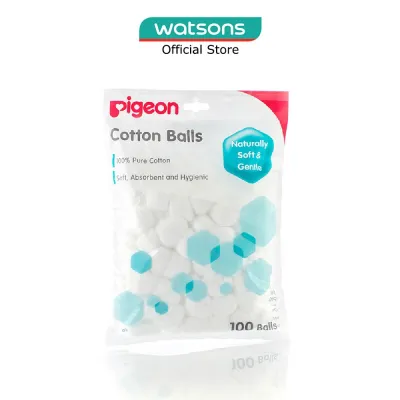
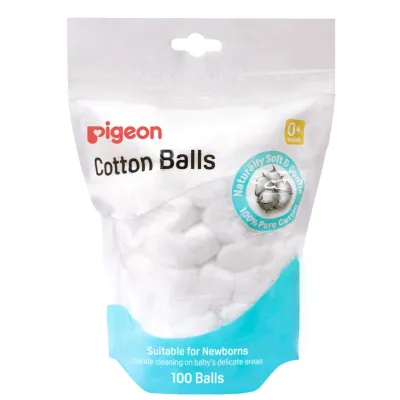
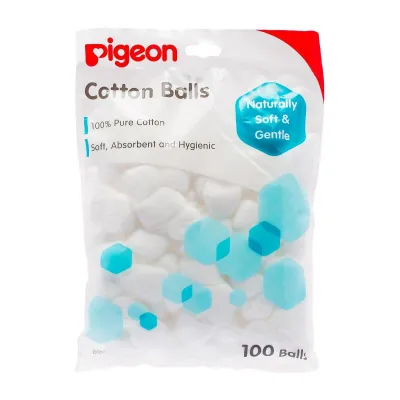
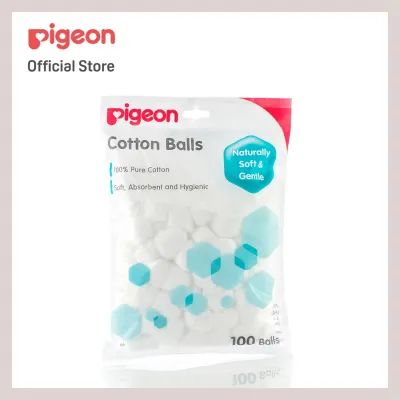
Pigeon is a highly trusted household name among parents in Singapore, and their baby-specific cotton balls are widely available in major supermarkets, pharmacies like Guardian and Watsons, and baby boutiques. These cotton balls are specifically designed for infant grooming, offering an excellent balance of softness, size, and structural integrity.
Made from 100% pure cotton, these balls are soft enough for clearing mucus from tiny nostrils or wiping away dried milk from around your baby’s mouth. They are larger than standard cosmetic cotton balls, meaning you can easily clean a wider surface area with a single piece. They are bleached using safe, non-chlorine methods, ensuring no harsh chemical residues come into contact with your baby’s skin.
- Price Band: Budget to Mid-range (typically S$3 to S$5 per pack)
- Pros: Extremely soft, widely available across Singapore, larger size reduces usage volume.
- Limitations: Not sterile, so they should not be used on open wounds or a fresh umbilical stump.
Best Sterile Option for Umbilical Cord Care: Hospital-Grade Sterile Cotton Balls
For the critical first two weeks after birth, the umbilical cord stump represents a direct pathway for potential infections. During this healing phase, using standard open-pack cotton balls is not recommended. Instead, parents should purchase hospital-grade sterile cotton balls, which are commonly sold in local pharmacies like Unity, Guardian, or hospital retail pharmacies.
These products are sterilized using gamma irradiation or ethylene oxide gas and are sealed in small, individual peel-packs containing five to ten balls. This packaging ensures that the cotton remains completely sterile until the moment you open it. They are highly absorbent, allowing you to apply prescribed antiseptic solutions or sterile water precisely to the base of the umbilical stump.
- Price Band: Mid-range (typically S$4 to S$7 per box of multiple sterile packs)
- Pros: Medically sterile, individually packaged to prevent contamination, highly absorbent.
- Limitations: More expensive per unit; individual packaging generates more waste, making them impractical for daily non-medical wiping.
Best Organic and Unbleached Choice: Suzuran Baby Cotton Balls
For parents who prioritize natural, minimally processed materials, Suzuran Baby is a premium Japanese brand highly favored in Singapore. Available at high-end department stores like Takashimaya, specialty baby stores, and online platforms, Suzuran Baby utilizes pure, medical-grade cotton that undergoes a unique high-pressure water-jet manufacturing process.
These cotton balls are completely unbleached, retaining their natural ivory shade, and are free from chemical binders, adhesives, and fluorescent whitening agents. The water-jet binding process makes them exceptionally lint-free, ensuring no stray fibers stick to your baby’s sensitive skin. They are also naturally hypoallergenic, making them an excellent choice for newborns prone to eczema or dry skin patches.
- Price Band: Premium (typically S$6 to S$10 per pack)
- Pros: Certified organic and unbleached, virtually lint-free, highly durable when wet.
- Limitations: Higher price point, less widely available in standard neighborhood supermarkets.
Best Value for High-Volume Use: Tollyjoy Baby Cotton Balls
If you find yourself going through dozens of cotton balls a day for routine cleanups, diaper changes, and neck-fold wiping, a budget-friendly bulk option is essential. Tollyjoy is a classic Singaporean brand that has provided reliable baby essentials for decades, offering large-format packs that do not compromise on basic safety.
Tollyjoy Baby Cotton Balls are made from 100% pure cotton and are soft enough for general daily use. While they may be slightly smaller and less dense than premium organic options, they are highly absorbent and free from optical brighteners. They provide an economical way to manage high-volume daily grooming without straining your budget.
- Price Band: Budget (typically under S$3 per large pack)
- Pros: Highly economical, widely available in neighborhood baby shops and supermarkets, soft and absorbent.
- Limitations: May shed slightly more lint compared to water-jet bonded premium brands; packaging is basic and requires careful resealing to maintain hygiene.
How to Safely Use Cotton Balls in Newborn Care Routines
Using cotton balls correctly is just as important as choosing the right brand. Implementing hygienic practices during your baby’s daily grooming routines minimizes the risk of introducing bacteria to sensitive areas.
Eye Cleaning
Cleaning a newborn’s eyes requires extreme care to prevent the spread of common infant eye infections like ophthalmia neonatorum. Always wash your hands thoroughly with soap and water before beginning. Dampen a clean cotton ball with cooled, boiled water or sterile saline solution. Gently wipe your baby’s eye from the inner corner (near the nose) outward to the outer corner.
Immediately discard the used cotton ball. Never use the same cotton ball to wipe the eye a second time, and never use the same cotton ball on both eyes. If you need to wipe again, always use a fresh, damp cotton ball. This strict single-wipe rule prevents cross-contamination between the eyes.
Umbilical Cord Care
Keep the umbilical cord stump clean and dry to facilitate natural healing and detachment. If your pediatrician recommends cleaning the area, use only sterile cotton balls dipped in sterile water or the specific antiseptic solution prescribed by your doctor. Gently dab around the base of the stump where it meets the skin.
Avoid rubbing or pulling on the cord. Once cleaned, allow the area to air-dry completely before dressing your baby. Ensure your baby’s diaper is folded down below the stump to keep it exposed to the air and prevent friction or contamination from urine.
Face and Neck Wiping
Newborns frequently spit up milk, which can pool in the deep folds of their neck and behind their ears, leading to painful yeast infections or heat rash. Dampen a soft cotton ball with warm water and gently swipe through the skin folds. Use a fresh, dry cotton ball or a clean, soft cloth to gently pat the area completely dry, as residual moisture in skin folds can quickly lead to chafing.
Safety Warning
Monitor your baby’s skin closely during these routines. If you notice any signs of infection—such as redness spreading around the umbilical stump, swelling, yellow or green pus-like discharge, a foul odor, or persistent eye watering and crustiness—stop using all grooming products immediately and consult your pediatrician. Do not attempt to treat suspected infections at home with over-the-counter creams without professional medical advice.
Cotton Balls vs. Cotton Pads vs. Baby Wipes: What to Use When
New parents often wonder whether they need to stock up on cotton balls, cotton pads, or commercial baby wipes. Each of these products serves a distinct purpose in your grooming toolkit, and using them in the correct scenarios can save you time and protect your baby’s skin.
Cotton balls are unmatched when it comes to targeted, high-precision cleaning. Their spherical shape allows them to hold a concentrated amount of liquid and conform easily to small, irregular areas like the eye sockets, behind the ears, and around the umbilical stump. Because they can be purchased in sterile formats, they are the only safe choice for cleaning healing wounds or delicate mucous membranes.
Cotton pads, on the other hand, offer a flat, broad surface area. This makes them highly efficient for wiping larger zones, such as the entire face, hands, or the diaper area during a wet diaper change. However, many cotton pads feature pressed, textured, or stitched edges designed to keep them flat. These edges can sometimes feel too abrasive for a newborn’s ultra-sensitive skin, especially around the umbilical area.
Commercial baby wipes are incredibly convenient, particularly when you are away from home. However, even wipes labeled “sensitive” or “99% water” often contain mild preservatives, surfactants, or pH adjusters to prevent mold growth inside the pack. While safe for intact skin on older babies, these chemical additives can cause stinging or contact dermatitis if used on a newborn’s healing umbilical stump, raw diaper rash, or delicate eye area.
| Product Type | Primary Use Case | Gentleness Level | Best For |
|---|---|---|---|
| Cotton Balls | Targeted cleaning (eyes, umbilical stump, small crevices) | High (when 100% pure cotton) | Delicate, highly sensitive areas requiring sterile or precise contact |
| Cotton Pads | Broad surface wiping (face, neck, diaper area) | Medium to High (avoid textured edges on broken skin) | Cleaning larger skin folds and daily facial wiping |
| Baby Wipes | Quick, on-the-go cleanups and diaper changes | Low to Medium (depends on ingredients) | Convenience during travel and routine diaper changes on intact skin |
Frequently Asked Questions (FAQ)
Can I use regular makeup cotton balls for my baby?
You should avoid using standard adult makeup cotton balls for your newborn. Many cosmetic cotton balls are made from synthetic fiber blends, such as polyester or rayon, which do not absorb water well and can scratch delicate skin. Additionally, they are often processed with optical brighteners, chlorine bleach, or chemical binders that can trigger allergic reactions or contact dermatitis on a baby’s thin skin barrier. Always choose products explicitly labeled as 100% pure cotton and designed for infant or medical use.
How should I store cotton balls in Singapore's humid climate?
Singapore’s high relative humidity creates an ideal environment for mold, mildew, and bacterial growth. To keep your baby’s cotton balls hygienic, store them in a cool, dry place away from bathroom humidity and direct sunlight. Once you open a pack, transfer the cotton balls to a clean, airtight plastic container or a glass jar with a silicone-sealed lid. Always wash and dry your hands thoroughly before reaching into the container to prevent introducing moisture or bacteria to the remaining cotton.
Do I need to sterilize cotton balls at home before using them on a newborn?
No, you do not need to attempt to sterilize cotton balls at home. Standard home methods, such as steaming or microwaving, are highly dangerous, can easily burn the cotton, and will not achieve true medical sterility. For daily grooming like wiping the face or cleaning milk drool, clean cotton balls from a freshly opened, high-quality pack are perfectly safe. For specialized medical needs like umbilical cord care, skip home sterilization and purchase pre-sterilized, individually wrapped sterile cotton balls from a local Singapore pharmacy.
Community discussion
Share your experience or ask a question. Comments are reviewed before publication.