
Securing a home for a crawling infant or a toddler taking their first steps is a major milestone for families. Sharp edges on common household furniture present immediate physical hazards, making a reliable corner protector one of the most practical additions to a baby-proofing strategy. The ideal safety solution must secure tightly to furniture, withstand curious hands, consist of non-toxic materials, and protect your home’s surfaces from permanent damage.
Selecting the right corner protector involves evaluating material properties, adhesive longevity, and furniture compatibility. Because every home features a unique mix of materials—from tempered glass dining tables to delicate wood veneers—a one-size-fits-all approach rarely suffices. This guide provides an objective framework to help you assess your baby-proofing needs, compare the best materials, and implement secure installation and maintenance routines.
Understanding Baby-Proofing Needs and Safety Boundaries
Singapore homes, including high-density HDB flats and condominiums, often feature space-optimized layouts where multi-functional, low-profile furniture is common. Low coffee tables, TV consoles, study desks, and low-slung dining chairs sit directly at eye and head level for a crawling baby or toddler. As infants transition from crawling to pulling themselves up, these sharp corners pose a persistent risk of impact injuries, cuts, and bruises.
Products mentioned in this guide
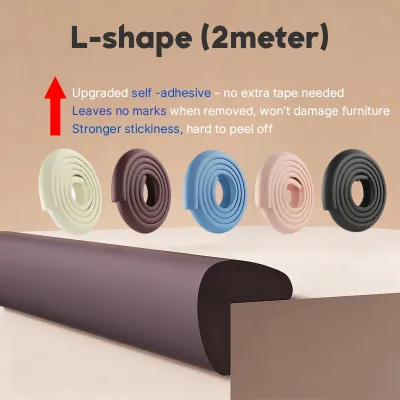
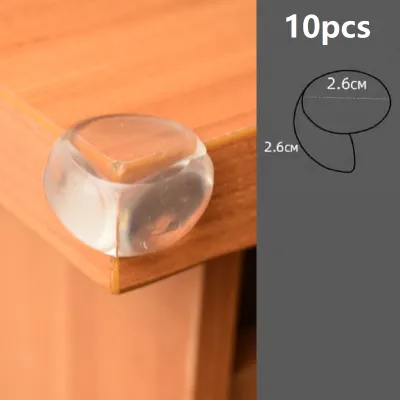
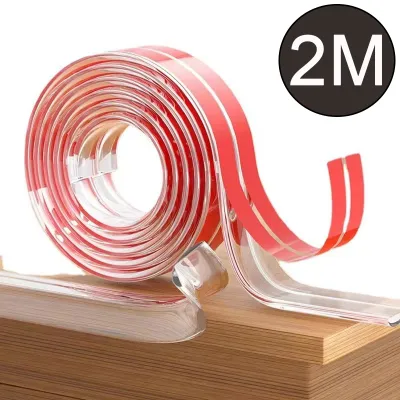
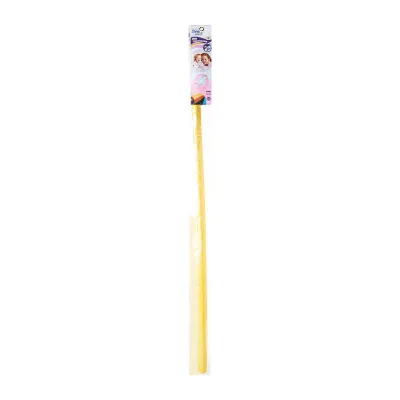
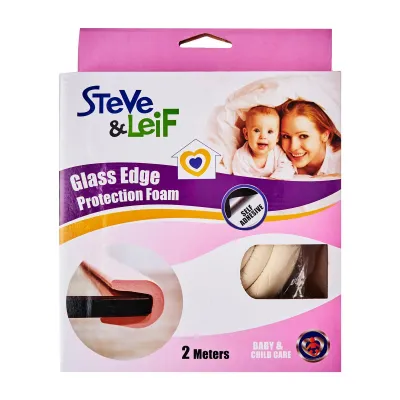
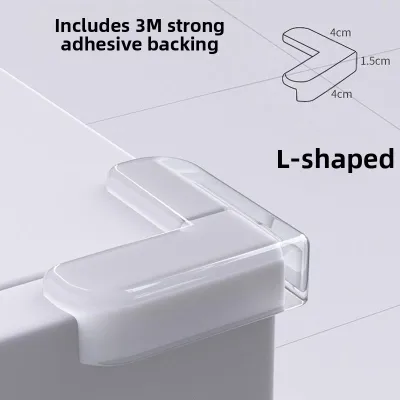
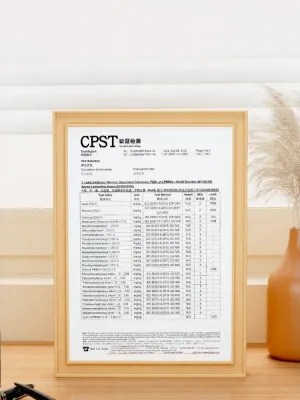
Prices are valid at publication and may change. Please refer to the product page for the latest price.
While a corner protector is highly effective at cushioning impacts and preventing lacerations, it is crucial to recognize its safety limitations. These safety devices are designed to mitigate the severity of accidental bumps; they do not make furniture entirely safe, nor do they replace active caregiver supervision. A child should never be left unattended in an area with physical hazards, even if all sharp edges have been padded.
Material safety is another critical concern for parents. Infants explore their environment by touching and tasting, meaning corner guards are likely to be chewed or pulled. Before purchasing, verify that the products are certified non-toxic, BPA-free, phthalate-free, and lead-free. Checking product packaging for clear age recommendations and choking hazard warnings is essential, as loose or poorly made protectors can easily become hazards themselves.
Ultimately, successful baby-proofing relies on understanding how different safety products function under daily wear. Rather than relying on generic marketing claims, parents should evaluate corner guards based on their physical durability, adhesive reliability, and suitability for specific furniture surfaces.
Core Selection Criteria for Corner Protectors
Adhesive Strength vs. Surface Safety
A corner guard is only as reliable as the adhesive holding it in place. The adhesive must be strong enough to resist a toddler’s persistent pulling and peeling, yet gentle enough to preserve your furniture. High-strength acrylic adhesives generally offer excellent grip, but they can strip paint, ruin delicate wood veneers, or leave stubborn, sticky residue on rented furniture. Balancing these factors requires matching the adhesive type to the durability of the underlying furniture surface.

Thickness and Shock Absorption
The protective capability of a corner guard depends on its thickness, material density, and internal structure. Thicker, denser materials absorb more kinetic energy during a high-velocity impact, reducing the force transmitted to a child. Some modern designs utilize hollow chambers or honeycomb structures that compress upon impact, distributing the force more efficiently than thin, solid plastic alternatives.
Aesthetics and Visibility
While safety is the primary goal, visual integration matters. Brightly colored or bulky foam guards can attract a child’s attention, turning a safety device into an appealing toy that they want to pull, bite, or peel. Clear or transparent silicone and PVC options blend into the furniture, remaining discreet to adult eyes while reducing a toddler’s curiosity and desire to play with them.
Shape and Coverage Area
Corner protectors come in several shapes designed for specific configurations. Spherical or ball-shaped guards fit neatly over isolated 90-degree corners, providing rounded cushioning from all angles. L-shaped guards are better suited for long, sharp edges, extending protection along both the top and side surfaces. For long, continuous hazards like the edges of a low shelf or dining table, continuous edge rolls offer the most comprehensive coverage.
Choking Hazard Resistance
Teething infants often chew on accessible surfaces, including the edges of coffee tables and TV consoles. Protectors made of soft, easily torn materials can be bitten off in small chunks, posing a severe choking hazard. Choosing highly durable, bite-resistant materials and ensuring they are securely bonded to the furniture prevents children from tearing off pieces.
Material Comparison: Silicone, Foam, PVC, and Rubber
Silicone
Silicone is a highly durable, flexible, and naturally soft material that excels in high-use environments. It offers excellent bite resistance, making it virtually impossible for a teething baby to tear. Silicone can be manufactured with high transparency, allowing it to blend seamlessly with glass, metal, and modern wood finishes. It is easy to clean and maintains its shape and cushioning properties over years of use.
Foam (EVA/NBR)
Ethylene-vinyl acetate (EVA) and Nitrile butadiene rubber (NBR) foams are incredibly soft and provide superior shock absorption due to their thick, cushioned profiles. They are highly effective at preventing bruising from heavy impacts. However, foam is highly susceptible to being bitten, picked at, or torn by curious toddlers. Over time, foam can also degrade, crumble, or absorb household oils, making it harder to clean.
PVC/Clear Plastic
Polyvinyl chloride (PVC) is commonly used for clear, low-profile corner protectors. These guards are highly discreet and easy to wipe clean, making them popular for formal dining rooms and minimalist spaces. However, PVC is physically firmer than silicone or foam, which means it offers slightly lower shock absorption during high-velocity impacts, though it still successfully prevents cuts and lacerations.
Rubber
Natural or synthetic rubber offers exceptional durability and impact resistance. It is highly resilient and provides a firm, protective cushion. However, rubber guards can carry a strong initial chemical odor and are typically opaque and bulky. In some cases, certain rubber compounds can leave dark marks or discolor delicate, light-colored furniture surfaces over long periods of use.
Comparison Matrix
| Material | Shock Absorption | Aesthetic Discretion | Tear Resistance | Ideal Furniture Match |
|---|---|---|---|---|
| Silicone | Moderate to High | High (Transparent) | Excellent | Glass, metal, and modern wood furniture |
| Foam (EVA/NBR) | Excellent | Low (Bulky/Opaque) | Low (Bite risk) | Low-traffic furniture, play areas, heavy wood |
| PVC/Clear Plastic | Moderate | High (Transparent) | High | Glass tables, minimalist coffee tables |
| Rubber | High | Low to Moderate | High | Heavy metal frames, outdoor/utility furniture |
Matching Protectors to Different Furniture Surfaces
Glass and Marble
Glass dining tables and marble coffee tables feature exceptionally smooth, non-porous surfaces that require highly secure adhesives. Clear silicone or PVC protectors are ideal for these materials, as they preserve the aesthetic appeal of the stone or glass. Before application, the surface must be thoroughly degreased using isopropyl alcohol to ensure a strong, long-lasting bond. When removing the guards, care must be taken to avoid scratching the glass or dulling the marble’s polish.
Wood and Laminate
Wood finishes, particularly delicate veneers, varnishes, or painted surfaces, are highly vulnerable to adhesive damage. Strong adhesives can strip away the finish upon removal. Parents should choose adhesives labeled as surface-safe and perform a small, hidden-area patch test first. Soft foam or color-matched silicone protectors work well on wood, blending with the natural grain while providing a secure cushion.
Leather and Fabric
Standard adhesive-backed corner protectors will not bond securely to textured leather, faux leather, or fabric upholstery, such as upholstered bed frames or fabric ottomans. Attempting to use standard adhesive tape can ruin the material. Parents should look for specialized fabric-safe guards or consider alternative baby-proofing strategies, such as physical barriers or rearranging the furniture to keep sharp corners out of reach.
Metal and High-Gloss Plastic
Standard adhesives generally perform very well on smooth metal or high-gloss plastic surfaces, such as modern TV consoles or metal table frames. The primary challenge is ensuring the surface is completely clean and free of manufacturing oils, household dust, or polishing wax residues, which can cause the adhesive to fail prematurely.
Verification Step
Always check the furniture manufacturer’s care label, material instructions, or warranty conditions before applying any adhesive product. If instructions conflict, or if the furniture material is highly delicate, consult a furniture professional before proceeding.
Step-by-Step Installation and Ongoing Safety Maintenance
Surface Preparation
To ensure maximum adhesion, start by cleaning the targeted furniture corner thoroughly. Use isopropyl alcohol and a clean microfiber cloth to remove dust, skin oils, fingerprint residues, and furniture polish. Avoid using household glass cleaners or multi-surface sprays, as they often leave behind a thin film that prevents the adhesive from bonding correctly. Allow the surface to dry completely before proceeding.
Application Technique
Apply the adhesive tape to the inside surfaces of the corner protector first, ensuring there are no air bubbles. Align the protector precisely with the furniture corner, then press down firmly. Apply steady pressure to all sides of the guard for at least 30 seconds to activate the pressure-sensitive adhesive. Once applied, allow the adhesive to cure undisturbed for at least 24 hours before allowing children near the area.
Routine Inspection
Establish a weekly schedule to check the condition of all installed corner protectors. Inspect each guard for peeling edges, cracks, or signs of tearing. Pay close attention to foam protectors, which teething infants may chew on. If a protector feels loose or shows signs of wear, it must be addressed immediately to prevent it from failing during an impact.
Safe Removal
To remove corner protectors without damaging the underlying furniture finish, use a hairdryer on a low heat setting to gently warm and soften the adhesive. Slowly peel the protector away at a shallow angle. Use a mild adhesive remover, soapy water, or vegetable oil to clean any remaining residue, checking your furniture care guides first to ensure compatibility.
Safety Boundary
If any corner protector shows signs of breaking apart, peeling, or losing its adhesive grip, it must be replaced immediately. A loose or damaged protector ceases to protect against impacts and quickly becomes a dangerous choking hazard for young children.
Frequently Asked Questions (FAQ)
Are clear corner protectors completely invisible on glass tables?
While clear silicone or PVC corner protectors are highly discreet, they are not completely invisible. Light refraction through the plastic and the presence of the double-sided adhesive pad underneath will make the protector slightly visible upon close inspection. Using high-quality, ultra-clear adhesive tape designed specifically for transparent guards will help minimize this visual footprint and maintain a clean look.
How do I remove corner protectors without damaging furniture finishes?
To remove protectors safely, apply gentle heat using a hairdryer on a low setting for 1 to 2 minutes to soften the adhesive. Once warmed, slowly peel the guard away from the corner, pulling parallel to the surface rather than straight up. Avoid using harsh chemical solvents like acetone or paint thinner on varnished wood, painted surfaces, or delicate laminates, as these chemicals can dissolve the finish. Always consult your furniture manufacturer’s care guide for approved cleaning agents.
Can I use continuous edge guards instead of individual corner protectors?
Yes, continuous edge guards are highly recommended for long, exposed borders, such as the sides of low TV consoles, long coffee tables, or shelves. While individual corner protectors are ideal for isolated 90-degree corners, they leave the sharp straight edges between the corners exposed. Continuous edge rolls require more precise cutting and installation but offer seamless protection along the entire length of the furniture.
Community discussion
Share your experience or ask a question. Comments are reviewed before publication.