
To babyproof a Singapore home effectively, matching the right corner protector strip to your specific furniture material is essential. A mismatched protector will either fail to stick to smooth surfaces like glass and marble, or strip the finish off delicate wooden cabinets when removed. By selecting materials tailored to your furniture’s unique properties, you can establish a reliable impact barrier that cushions active toddlers while preserving your home’s interior design and furniture value.
Active toddlers navigating living rooms, kitchens, and bedrooms require consistent caregiver supervision. While no safety accessory can replace active adult monitoring, installing high-quality edge guards provides an extra layer of defense against accidental bumps. This guide breaks down how to choose, install, and maintain the ideal safety strips for various furniture surfaces common in Singaporean households.
Quick Guide: Matching Protector Materials to Furniture Types
Selecting the correct material prevents damage to the furniture finish while ensuring optimal shock absorption for baby safety. A one-size-fits-all approach often leads to either poor adhesion or damaged furniture upon removal. Because different materials expand, contract, and react to adhesives in unique ways, matching the protector to the surface is the first step in successful babyproofing.
Products mentioned in this guide
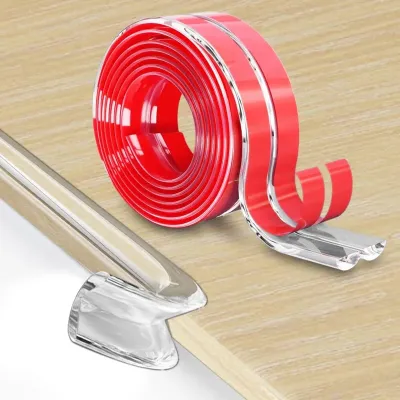
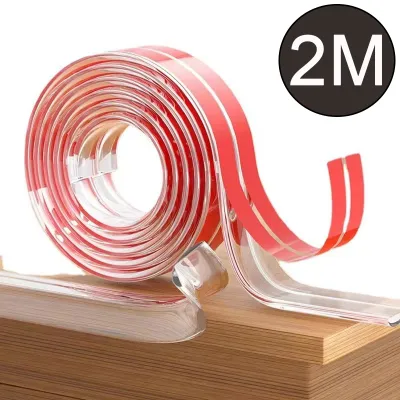
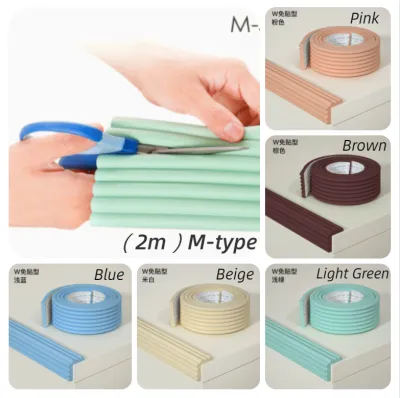
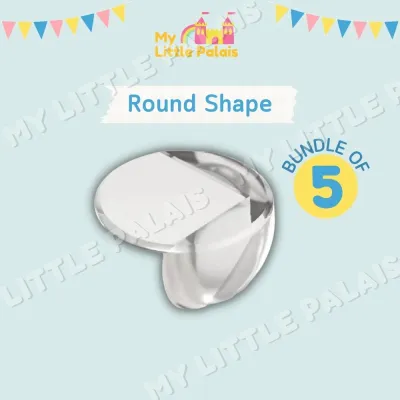
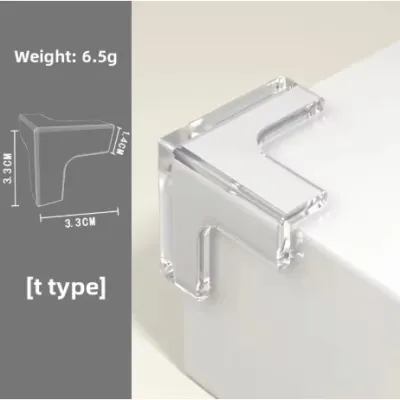
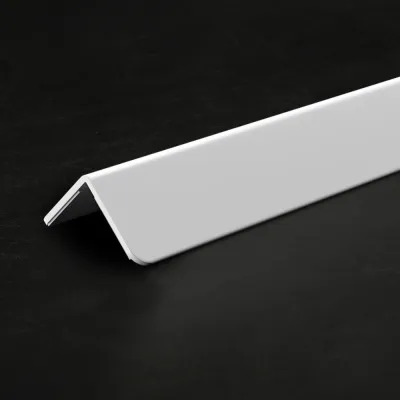
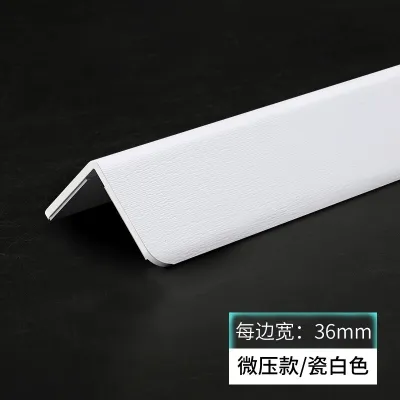
Prices are valid at publication and may change. Please refer to the product page for the latest price.
| Furniture Material | Recommended Protector Material | Primary Benefit | Key Risks to Avoid |
|---|---|---|---|
| Glass Tables & Cabinets | Clear Silicone / Transparent PVC | High transparency, excellent adhesion | Yellowing from UV exposure, insufficient thickness |
| Wooden Furniture | High-Density NBR Foam / Wood-Tone PVC | Superior shock absorption, matches wood grain | Industrial adhesives stripping varnish or paint |
| Marble & Stone | Heavy-Duty Gel / Thick Silicone | High density, protects against blunt stone edges | Adhesives staining porous, unsealed stone surfaces |
| Metal Frames & Legs | Thick Rubber / Multi-Layered Foam | Maximum impact dampening on cold, rigid surfaces | Adhesives sliding on powder-coated finishes |
By referencing this matrix, you can avoid the common mistake of purchasing a single bulk roll of foam and attempting to apply it to every surface in your home. Instead, tailoring your approach ensures that each piece of furniture remains both safe for your child and visually integrated into your living space.
Key Selection Criteria for Baby-Safe Corner Protector Strips
Before purchasing any edge guard, parents must understand the technical and safety specifications that differentiate high-quality safety gear from cheap, ineffective alternatives. Evaluating these criteria helps ensure the product performs reliably when an impact occurs.

Shock Absorption vs. Hardness
Material density matters more than just thickness for dissipating impact energy. When a toddler bumps into a sharp corner, the protector must absorb and distribute the kinetic energy of the collision. If a material is too soft or low-density, it will simply compress completely to the wood or stone underneath, offering virtually no protection. Conversely, if the material is too hard, it acts as another rigid surface. Look for high-density foam or thick, engineered silicone that offers a firm, springy resistance when compressed with your thumb.
Adhesive Quality
Securing a corner protector strip requires balancing strong holding power with clean removability. The adhesive must be strong enough to withstand constant tugging, picking, and biting from curious toddlers. However, it should not be so aggressive that it permanently bonds to your furniture or strips away delicate wood veneers, lacquers, or paint finishes upon removal. High-quality acrylic-based double-sided tapes generally offer the best balance for residential use, providing excellent shear strength while remaining responsive to heat during removal.
Material Safety
Because infants and toddlers frequently explore their environment using their mouths, the chemical composition of any babyproofing product is a paramount concern. Parents should carefully verify product labels and manufacturer documentation for non-toxic, BPA-free, lead-free, and phthalate-free certifications. Avoid products with strong chemical odors, which often indicate the presence of volatile organic compounds (VOCs) or cheap plasticizers that are unsafe for children to touch or chew.
Aesthetics and Visibility
Modern Singaporean apartments often feature minimalist, open-plan layouts where bulky, brightly colored safety gear can feel visually intrusive. Opaque, brightly colored foam guards can also draw a child’s attention, turning the safety device into a tempting target to pull or chew on. Clear silicone or color-matched PVC options blend seamlessly into the furniture, keeping the safety measures discreet and reducing the likelihood that your child will attempt to peel them off.
Recommended Corner Protector Types by Furniture Material
Different furniture materials present unique surface textures, porosities, and structural profiles. To achieve the best results, you must choose a corner protector strip that addresses these specific material characteristics.
Clear Silicone and PVC for Glass Tables and Display Cabinets
Glass dining tables, coffee tables, and low display cabinets are popular in modern homes, but their razor-sharp edges present a high risk of injury. Clear silicone and transparent PVC are the top choices for these smooth, non-porous surfaces. Because glass is completely transparent, using clear protectors preserves the visual flow of the furniture without creating harsh, blocky lines.
When choosing transparent protectors for glass, UV resistance is a critical factor to verify. Singapore’s intense tropical sunlight streaming through windows can cause low-quality PVC or silicone to turn yellow, cloudy, and brittle within a matter of months. Opt for high-grade, UV-stabilized silicone to ensure the material remains clear and flexible over its lifespan.
While glass provides an excellent surface for adhesive bonding, its non-porous nature means any trapped air bubbles, dust, or misaligned tape will be highly visible. Applying the adhesive carefully and working from one end to the other helps prevent unsightly bubbles. Additionally, because glass is incredibly hard, ensure the silicone strip you choose has a thick-walled profile or a hollow “bubble” design to provide an adequate physical air cushion during an impact.
High-Density NBR Foam and Wood-Tone PVC for Wooden Furniture
Wooden TV consoles, dining tables, and bed frames are standard fixtures in most households. For these surfaces, high-density NBR (Nitrile Butadiene Rubber) foam and wood-toned PVC offer the best combination of safety and aesthetic integration. NBR foam is exceptionally soft and springy, making it ideal for low-lying coffee tables where toddlers are most likely to lose their balance.
However, wooden furniture presents a major challenge: preserving the delicate finish. Applying industrial-strength adhesives directly to varnished, painted, or veneered wood can result in permanent damage when the time comes to remove the safety strips. The adhesive can easily tear away layers of wood grain, paint, or lacquer, leaving behind unsightly scars that ruin the furniture’s resale value.
To prevent this, parents should avoid industrial-grade adhesives and instead select consumer-grade acrylic tapes designed specifically for babyproofing. Before applying the protector across the entire edge, always perform a patch test on an inconspicuous area of the wood—such as the underside of a table leg or the back of a cabinet—to ensure the adhesive does not cause discoloration, peeling, or finish damage.
Heavy-Duty Silicone and Gel for Marble and Stone Countertops
Marble dining tables, granite kitchen islands, and engineered quartz countertops are stunning design features, but their cold, unyielding edges are incredibly unforgiving. These heavy stone surfaces require heavy-duty clear silicone or specialized gel-based edge guards that can handle the extreme hardness of the underlying material.
Because stone does not flex or compress, the corner protector strip itself must carry the entire burden of shock absorption. Thin foam strips are inadequate here, as they will easily bottom out under the force of a fall. Look for thick, dense gel-filled protectors or heavy-duty silicone profiles that feature internal structural ribs designed to collapse slowly and absorb high-energy impacts.
Porosity is another critical consideration for natural stone. Unsealed or poorly sealed marble and limestone can absorb the liquid solvents or oils present in certain low-grade adhesives, leading to permanent dark staining or chemical etching on the stone’s surface. Parents must verify compatibility with their stone manufacturer or apply a high-quality stone sealer before installing any adhesive-backed safety products. Choosing protectors with a wider adhesive base also helps distribute the holding force, preventing the strip from peeling away from the smooth, heavy surface.
Thick Rubber and Multi-Layered Foam for Metal and Industrial Edges
Modern industrial-themed homes often feature metal-framed shelving, powder-coated steel bed frames, and hairpin table legs. Metal conducts temperature and is completely rigid, making impacts particularly painful and hazardous. For these narrow, sharp, and often textured surfaces, thick rubber or multi-layered foam protectors are highly recommended.
Multi-layered foam guards feature a dense, puncture-resistant outer skin that prevents sharp metal corners from cutting through the protector, combined with a softer inner core that cushions the impact. This dual-layer construction is essential for protecting against thin, blade-like sheet metal edges often found on utility shelving or metal cabinets.
Adhering safety strips to metal can be challenging, especially on textured, powder-coated, or painted metal surfaces. Standard double-sided tapes may slide off or fail to form a secure bond. Look for flexible, high-bond acrylic adhesives that can conform to minor surface textures without reacting chemically with the metal’s protective paint or coating.
How to Install and Remove Protectors Without Damaging Furniture
Proper installation ensures the corner protector strip remains secure against curious hands, while safe removal protects your furniture’s long-term value. Following a systematic process prevents premature peeling and minimizes the risk of surface damage.
Surface Preparation
Before applying any adhesive, clean the furniture surface thoroughly to remove dust, oils, fingerprints, and polish residue. Any contamination on the surface will severely weaken the adhesive bond, causing the strip to peel off prematurely.
- Cleaning Process: Wipe the area with a microfiber cloth dampened with isopropyl alcohol (rubbing alcohol).
- Warning: Always check compatibility with your furniture's finish first. Isopropyl alcohol can dissolve or cloud certain wood stains, varnishes, lacquers, or natural stone sealants. If you are unsure of the finish, clean the surface using a damp cloth with mild, diluted soapy water instead, and allow it to dry completely before proceeding.
Application Technique
Careful alignment and pressure are key to a long-lasting bond. Take your time during this step to ensure the strip is positioned correctly.
- Measure the furniture edge precisely and cut the corner protector strip to length using sharp scissors or a utility knife.
- Apply the double-sided tape to the inside surfaces of the protector strip first, pressing it down firmly to eliminate air pockets.
- Peel away the protective backing paper from the tape.
- Align the protector carefully with the furniture edge, starting from one corner and working your way outward.
- Press down firmly along the entire length of the strip, applying even pressure for at least 30 to 60 seconds to activate the pressure-sensitive adhesive.
- Crucial Step: Allow the adhesive to cure undisturbed for at least 24 hours. Keep babies and toddlers away from the newly installed strip during this period, as pulling on the material before the bond has fully cured will cause the adhesive to fail.
Safe Removal
Never rip or tear a corner protector strip off forcefully. Doing so is almost guaranteed to damage paint, varnish, wood veneer, or stone sealants.
- Heat Application: Use a household hairdryer on a low, warm setting to gently heat the adhesive. Move the hairdryer back and forth along the length of the strip to soften the glue. Avoid holding the heat in one spot for too long, as excessive heat can damage wood finishes or warp plastic surfaces.
- Peeling Process: Once the adhesive is warm and pliable, slowly and gently peel the strip back at a shallow 45-degree angle. If you encounter resistance, stop and apply more warm air before continuing.
Residue Cleanup
If any sticky adhesive residue remains on the furniture after removing the strip, it must be cleaned off gently.
- Solvent Selection: Use a mild, citrus-based adhesive remover, olive oil, or warm soapy water to break down the remaining glue.
- Safety Boundary: Always test any solvent, oil, or cleaning agent on a hidden, inconspicuous area first. This step ensures the cleaner will not strip wood stain, discolor paint, or etch natural stone surfaces. Wipe away the residue gently with a soft microfiber cloth, avoiding harsh scrubbing.
Maintenance and Safety Checks for Edge Guards
Babyproofing is not a “set-and-forget” task. Active toddlers will continuously test the integrity of your safety measures, making regular maintenance and inspections essential.
Routine Visual Inspections
Conduct weekly checks on all installed corner protector strips throughout your home. Look closely for peeling edges, loose corners, or signs of wear. Toddlers are highly persistent and will often try to peel back any loose edges they find, which can quickly compromise the entire strip.
Choking Hazard Risks
If foam or silicone strips show bite marks, cracks, or tearing, they must be replaced immediately. Toddlers can easily bite off small pieces of foam or soft silicone, presenting a severe choking hazard. If you notice your child repeatedly biting a specific foam protector, consider replacing it with a harder, dense silicone alternative that cannot be easily torn by tiny teeth.
Cleaning Routines
Clean the protectors regularly using a damp cloth with mild soap and water to remove dirt, sticky finger marks, and spills. Avoid using harsh household chemicals, bleach, or abrasive cleaners. These strong chemicals can degrade the adhesive bond, cause silicone to cloud, or cause foam materials to break down and crumble prematurely.
Adhesive Lifespan
In Singapore’s warm and humid climate, adhesive bonds can degrade more quickly than in cooler, drier environments. Most babyproofing adhesives have a functional lifespan of 6 to 12 months under typical household conditions. Be prepared to proactively replace strips that show signs of sliding, losing their grip, or becoming sticky along the edges.
Frequently Asked Questions (FAQ)
Are silicone corner protectors completely invisible on glass tables?
While clear silicone corner protectors are highly discreet and blend well with glass, they are not completely invisible. Light refraction, the thickness of the material, and the adhesive layer underneath will create slight shadows and reflections, especially under direct overhead lighting. However, they remain the most aesthetically pleasing option for maintaining a minimalist look while providing essential impact protection.
Can I use the same indoor corner protectors for outdoor patio furniture?
No, standard indoor corner protectors should not be used outdoors. Indoor foam and PVC materials degrade rapidly when exposed to Singapore’s intense UV radiation, high humidity, and heavy rain. The adhesives will lose their bonding power quickly, and the foam will crumble. For outdoor patio furniture, look for weather-resistant, outdoor-rated rubber protectors with heavy-duty waterproof adhesives designed to withstand the elements.
Community discussion
Share your experience or ask a question. Comments are reviewed before publication.