
The ideal corner guards for glass tables and transparent furniture must deliver high-density impact absorption while remaining visually unobtrusive. For most families, this means choosing soft, flexible, food-grade silicone or high-clarity, non-toxic polyvinyl chloride (PVC) protectors paired with specialized, residue-free acrylic adhesives. These clear options safeguard active infants without disrupting the clean, minimalist lines of modern home decor.
As infants transition from crawling to pulling themselves up to stand, their environment suddenly presents a new set of physical hazards. During this developmental milestone, coffee tables, low shelving, and dining tables sit directly at their head and eye level. Because toddlers lack fully developed coordination and spatial awareness, a minor stumble can easily lead to a collision with a sharp furniture corner. When these pieces are made of glass, the potential for injury increases significantly, making prompt and effective baby-proofing an essential step in creating a safe home environment.
While traditional baby-proofing materials often prioritize utility over design, modern parents do not have to sacrifice their home’s aesthetic to protect their children. Selecting the right clear corner protectors requires understanding how different materials interact with glass surfaces, how adhesives perform under specific environmental conditions, and how to maintain these safety measures over time. By evaluating these factors carefully, you can secure your living space while keeping your transparent furniture looking as elegant as intended.
Products mentioned in this guide
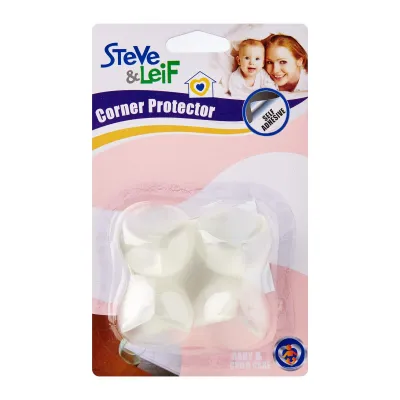
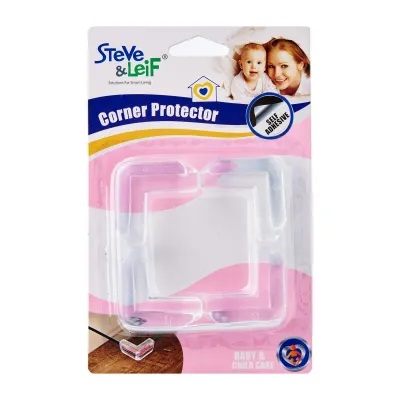
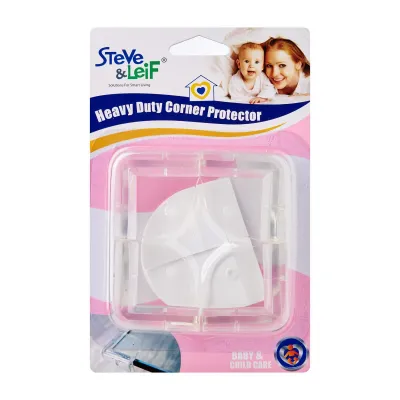
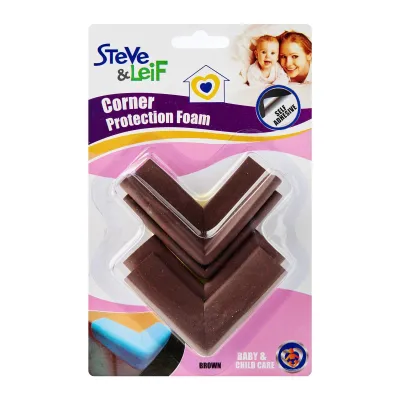
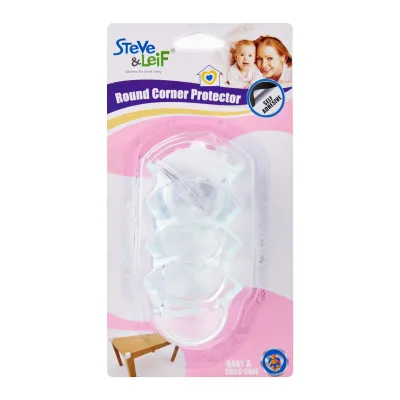
Prices are valid at publication and may change. Please refer to the product page for the latest price.
Why Glass Tables Require Specialized Corner Protection
Protecting a child from the sharp edges of glass furniture presents a unique set of challenges that traditional baby-proofing products cannot easily solve. Standard safety guards are typically made of thick, opaque foam in shades of brown, black, or grey. When applied to a transparent glass table, these bulky foam blocks create a highly visible, jarring contrast that completely disrupts the clean, open aesthetic of the room. For homeowners who have intentionally chosen glass furniture to make a space feel larger and more modern, obscuring these pieces with heavy foam is a highly undesirable compromise.
Beyond aesthetic concerns, glass surfaces present significant physical adhesion challenges compared to wood, metal, or painted drywall. Glass is an exceptionally smooth, non-porous material with high surface energy. While this makes it easy to clean, it also means that standard adhesives cannot “bite” into microscopic pores to create a mechanical bond. Instead, they must rely entirely on chemical adhesion. Many cheap, generic double-sided tapes fail quickly on glass, sliding out of place when subjected to minor bumps or the persistent tugging of a curious toddler. Conversely, some industrial-grade glues can chemically bond to the glass over time, leaving a baked-on, stubborn residue that is nearly impossible to remove without scratching or permanently clouding the surface.
Furthermore, the physical risks associated with glass tables extend far beyond those of wooden furniture. Glass edges are incredibly hard, dense, and unforgiving. A fall against a glass corner concentrates all the impact force onto an extremely small, sharp surface area, which dramatically increases the risk of deep lacerations, severe bruising, or head trauma. Additionally, tempered glass, while designed to be stronger than standard glass, is highly sensitive to localized impact on its edges and corners. A sharp blow from a heavy toy or a sudden concentrated force from a fall can occasionally cause the entire pane to chip, crack, or even shatter into thousands of small pieces, introducing a secondary hazard of sharp glass shards.
To address these complex challenges, the core goal of specialized corner protection is to find a solution that offers reliable, high-density shock absorption and a powerful, long-term grip without compromising the furniture’s design. The ideal protector must act as a physical buffer that deforms under impact to distribute force safely, while remaining sufficiently transparent to let the beauty of the furniture shine through. Achieving this balance requires a closer look at the material science and design characteristics of clear safety products.
What to Look for in Transparent Corner Guards for Baby Safety
When shopping for clear corner protectors, parents must navigate several technical specifications to ensure they are purchasing a product that is both highly effective and safe for their child. The first critical trade-off to understand is the relationship between optical clarity and safety thickness. To achieve perfect, crystal-clear transparency, a material must be dense and uniform, which often results in a harder, thinner profile. However, physical safety requires a certain amount of thickness and elasticity to cushion a blow. Thinner, low-profile clear guards may look almost invisible, but they offer very little shock absorption during a heavy fall. For optimal safety, look for guards that maintain a thickness of at least 0.5 to 1 centimeter at the outer apex, providing a substantial physical cushion while retaining acceptable transparency.

Material safety and chemical toxicity are equally vital considerations. Babies and toddlers naturally explore their world through taste and touch, and they frequently use their mouths to soothe sore gums during teething phases. When pulling themselves up using the edge of a table, a child’s mouth is often at the exact height of the corner protector. Caregivers must carefully verify that any product they purchase is explicitly labeled as non-toxic, BPA-free, phthalate-free, and heavy-metal-free. Look for independent safety certifications or compliance with international standards, such as the European EN 71 safety requirements or US ASTM standards, printed clearly on the product packaging. Never assume a clear plastic product is safe simply because it lacks color.
Adhesive quality is another major factor that determines the real-world success of a corner guard. This is particularly true in warm, humid climates like Singapore, where ambient moisture and temperature fluctuations can rapidly degrade low-quality glues. An adhesive that works perfectly in a dry, air-conditioned showroom may quickly liquefy, lose its tack, or slide off the glass in a naturally ventilated home. To prevent this, prioritize products that utilize high-quality, pressure-sensitive acrylic gel adhesives or advanced “nano-tapes.” These adhesives are engineered to resist high humidity, maintain a strong shear bond on non-porous glass surfaces, and resist the constant upward and outward pulling forces exerted by curious children.
Finally, pay close attention to the physical edge design of the guard itself. A high-quality corner protector should feature a smooth, rounded, and spherical or semi-spherical outer profile. Avoid products that have sharp molding lines, stiff corners, or prominent ridges resulting from cheap manufacturing processes. If the protector itself has a hard or sharp outer edge, it defeats the entire purpose of baby-proofing by introducing a new scraping or cutting hazard. The guard should feel soft, smooth, and yielding to the touch, ensuring that any physical contact is met with a gentle, rounded surface rather than a sharp point.
Comparing Clear Materials: Silicone, PVC, and Acrylic Trade-Offs
Not all transparent plastics are created equal. The three most common materials used in the manufacture of clear corner guards are silicone, polyvinyl chloride (PVC), and rigid acrylic. Each material presents a distinct set of physical properties, safety profiles, and aesthetic trade-offs that caregivers must weigh before making a purchase.
Clear Silicone Protectors
Silicone is widely regarded as one of the safest and most durable materials for baby-proofing. It is highly valued for its exceptional elasticity, allowing it to compress easily under sudden impact and rapidly return to its original shape. This high level of flexibility makes silicone incredibly effective at absorbing and dispersing the kinetic energy of a fall, providing a soft, cushioned landing for an active toddler. Furthermore, food-grade silicone is chemically inert, hypoallergenic, and highly resistant to biting, tearing, and extreme temperatures, making it an ideal choice for homes with teething infants who are prone to chewing on household objects.
From an aesthetic standpoint, silicone does have a minor trade-off. Pure silicone is rarely 100% crystal clear; it typically possesses a slightly matte, translucent, or frosted finish. While this means it is not completely invisible on glass, this frosted appearance is greatly minimized once the guard is pressed flush against the glass surface using a clear adhesive. Additionally, silicone’s natural high-friction texture provides an excellent physical grip, helping the guard stay firmly in place even when subjected to frequent bumps and nudges.
Transparent PVC and Rubber Options
Polyvinyl chloride (PVC) is a highly popular material for clear corner guards due to its exceptional optical clarity. PVC can be manufactured to be almost entirely transparent, matching the refractive index of glass very closely. This makes PVC guards highly discreet, allowing the natural color and design of the furniture to show through with minimal visual distortion. For parents who prioritize a seamless, near-invisible look for their glass tables, soft PVC is often the preferred choice.
However, raw PVC is naturally a rigid, brittle plastic. To make it soft, flexible, and safe for impact protection, manufacturers must add chemical plasticizers. Historically, these plasticizers included phthalates, which are known environmental and health hazards. Therefore, when selecting PVC corner guards, it is absolutely critical to verify that the product is certified as phthalate-free and non-toxic. In terms of performance, soft PVC offers a respectable balance of impact absorption and durability. Caregivers should avoid harder, semi-rigid PVC variants, as they do not compress sufficiently during a collision and can transfer the impact force directly to the child’s head or the glass edge, potentially cracking the furniture.
Rigid Acrylic and Plastic Guards
Rigid acrylic or polycarbonate guards represent the ultimate option for pure aesthetic integration. These protectors are completely stiff, crystal clear, and virtually invisible once applied to the corners of a glass table. They do not yellow as quickly as softer materials when exposed to ambient light, and they maintain their pristine, glass-like appearance for years, making them highly appealing to design-conscious homeowners.
Despite their visual appeal, rigid plastics carry severe safety limitations for baby-proofing. Because they are completely hard and unyielding, they offer almost zero shock absorption. If a toddler falls and strikes their head against a rigid acrylic guard, the impact is nearly as hard and painful as hitting the bare glass corner itself. Furthermore, rigid plastics are prone to cracking or shattering under heavy, sudden impacts. A cracked acrylic guard can create sharp, jagged plastic edges that pose an immediate cutting hazard. Consequently, rigid acrylic protectors are not recommended for homes with crawling infants or active toddlers; they should be reserved exclusively for low-traffic areas or households with older children who only require a mild physical barrier.
How to Secure Corner Guards to Glass Without Leaving Residue
Achieving a secure, long-lasting bond on a glass surface while ensuring that the guard can eventually be removed without leaving permanent damage requires careful planning and execution. By following a systematic approach to preparation, selection, application, and removal, you can protect both your child and your furniture investment.
Surface Preparation
To establish a powerful, reliable bond, the glass surface must be completely free of microscopic contaminants. Even invisible skin oils, airborne dust, or residual household cleaners can create a barrier that drastically reduces the adhesive’s performance, leading to premature peeling.
- Step 1: Clear the table completely and wipe down the corner area with a clean, damp microfiber cloth to remove loose dust.
- Step 2: Saturate a clean, lint-free cloth or cotton pad with isopropyl alcohol (rubbing alcohol) and thoroughly scrub the top, bottom, and side edges of the glass corner. Avoid using standard commercial glass cleaners, as many of these products contain silicones, waxes, or scent oils that leave a slick, micro-thin residue designed to repel water—which will also repel adhesive.
- Step 3: Allow the alcohol to evaporate completely, leaving a bone-dry, pristine surface. Do not touch the cleaned area with your bare fingers before applying the guard, as your skin will immediately transfer natural oils back onto the glass.
Adhesive Selection
When choosing an adhesive, parents often have to decide between pre-applied adhesive tapes and separate aftermarket options. Many budget-friendly corner guards come with pre-applied double-sided tape, which can vary wildly in quality. For glass surfaces, highly transparent acrylic gel tapes—often marketed as “nano-tape”—are highly recommended. These adhesives are incredibly strong, clear, and specifically designed to perform well on smooth, non-porous materials. Before purchasing, always check the adhesive manufacturer’s specifications to verify compatibility with glass surfaces and to ensure that the adhesive is rated for the typical temperature and humidity levels of your home.
Application Technique
Because high-quality adhesives are pressure-activated, the method of application directly influences how long the guard will stay in place.
- Step 1: Carefully align the corner guard with the glass edge before allowing the adhesive to make contact. Repositioning a guard after the tape has touched the glass will significantly weaken the chemical bond.
- Step 2: Once aligned, press the guard firmly onto the corner. Use your fingers and palms to apply steady, heavy pressure across all contact points for at least 30 to 60 seconds. This pressure forces the adhesive to flow into microscopic imperfections on the glass surface, maximizing the contact area.
- Step 3: Smooth out any visible air bubbles by pressing them outward toward the edges of the guard.
- Step 4: Allow the adhesive to cure undisturbed. Most high-performance acrylic adhesives require a full 24 hours to reach their maximum bond strength. Keep your child away from the treated furniture during this curing period to prevent premature tugging or shifting.
Safe Removal
When your child has outgrown the need for corner protection, removing the guards safely requires a gentle, patient approach to avoid scratching the glass or leaving a sticky, unsightly mess.
- Step 1: Always check your furniture manufacturer's care instructions first to ensure the glass can tolerate mild heat and cleaning agents.
- Step 2: Use a household hair dryer on a low, warm setting to gently heat the corner guard for 1 to 2 minutes. This mild heat softens the adhesive gel, making it pliable and easier to release. Avoid using high heat or concentrated heat on a single spot, as extreme temperature differentials can stress tempered glass.
- Step 3: Gently slide a piece of dental floss, a thin plastic scraper, or an old plastic credit card underneath the edge of the guard. Slowly work it through the softened adhesive layer to slice the guard away from the glass. Never use metal blades, knives, or screwdrivers, which will permanently scratch the glass.
- Step 4: To remove any remaining sticky residue, apply a small amount of mild adhesive remover, eucalyptus oil, or isopropyl alcohol to a soft cloth and gently buff the area until the glass is completely clean and clear.
Installation, Inspection, and Ongoing Safety Maintenance
Baby-proofing is not a one-time task; it requires ongoing vigilance to ensure that safety measures remain effective as your child grows and environmental conditions change. Once your clear corner guards are installed, performing regular safety checks is essential to maintaining a secure home environment.
During the initial installation, perform a thorough fit check. Look at the guard from all angles—above, below, and from the sides. The protector must fully encapsulate the sharp point of the glass corner, leaving no gaps where a tiny finger could get pinched or where the sharp glass edge remains exposed. If the guard does not sit flush against the glass, or if it leaves a gap, it may not be compatible with the thickness of your specific table. In such cases, stop use and consult the manufacturer or a qualified professional to find a better-fitting alternative.
Establish a routine of performing weekly physical inspections of all installed corner guards. In Singapore’s warm and humid climate, the constant moisture in the air can gradually break down even high-quality adhesives over time. During your weekly check, gently tug on each protector to verify that the bond remains firm and that the edges are not beginning to peel or lift away from the glass. If you notice any movement, sliding, or peeling, remove the guard immediately, clean the surface thoroughly, and reapply it using fresh adhesive.
Furthermore, keep a close eye out for physical damage to the guards. As babies go through teething phases, they may bite or chew on the soft silicone or PVC protectors. A damaged guard poses a severe choking hazard if small pieces of plastic or silicone are bitten off and swallowed. Regularly run your fingers over the guards to check for deep teeth marks, tears, punctures, or crumbling material. If any guard shows signs of wear or structural compromise, remove it immediately and replace it with a new one. Never attempt to repair a damaged guard with household superglue, hot glue, or tape, as these adhesives often contain highly toxic chemicals that are unsafe for children to ingest.
Finally, it is crucial to remember that corner guards are supplementary safety measures designed to minimize the severity of minor bumps and scrapes. They do not make glass furniture entirely safe, nor can they replace active, uninterrupted adult supervision. Whenever possible, consider restricting your child’s access to rooms containing heavy glass furniture by using safety gates, or temporarily store low glass coffee tables in a secure area until your child has mastered stable, confident walking. Creating a safe physical environment is a multi-layered process that combines high-quality safety products with constant parental awareness.
Frequently Asked Questions (FAQ)
Do transparent corner guards turn yellow over time?
Yes, most transparent materials, particularly soft PVC and silicone, are susceptible to UV degradation when exposed to light over extended periods. Ultraviolet (UV) radiation from sunlight breaks down the chemical polymers within the material, causing them to lose their clarity, turn a cloudy yellow, and eventually become brittle. If your glass table is positioned near a window, glass door, or balcony, this yellowing process can occur within a few months. To minimize this aesthetic issue, look for products that are explicitly labeled as UV-resistant on their packaging. Additionally, plan to inspect and replace your clear guards every 6 to 12 months to maintain both the safety performance and the clean look of your furniture.
What should I do if my baby chews on the clear corner guard?
If you observe your baby chewing on a corner guard, gently redirect them to a safe, age-appropriate teething toy. Immediately inspect the guard for any visible damage, such as deep teeth marks, tears, or loose edges, and ensure that no pieces have been bitten off or swallowed. If the guard is compromised or loose, remove it immediately to prevent a choking hazard. Always verify before purchase that your corner guards are certified non-toxic, BPA-free, and phthalate-free. If you suspect your child has swallowed any part of a plastic protector or adhesive, stop use immediately and consult a pediatrician or a qualified healthcare professional for guidance.
Community discussion
Share your experience or ask a question. Comments are reviewed before publication.