
Welcoming a newborn into your home brings an immediate wave of joy, along with an astonishing number of daily diaper changes. During the first few weeks, a baby may require 10 to 12 changes a day, making your diapering setup one of the most heavily used spots in your home. Finding the right changing tables pads is essential for creating a space that is both safe for your baby and comfortable for your back.
The ideal changing pad depends heavily on your nursery layout, your cleaning preferences, and how you plan to manage space. While some parents prefer dedicated changing tables, many modern families in Singapore opt for versatile pads that can be placed securely on top of existing chest of drawers or dressers. Regardless of the setup you choose, a high-quality pad must provide a stable, cushioned surface that keeps your newborn secure during every transition.
At a minimum, any reliable pad must feature a waterproof, easily wipeable surface and a robust safety strap system. Because newborns are highly vulnerable, the materials must be free from harmful chemicals, which caregivers should verify directly on the manufacturer’s product packaging. By focusing on these core elements, you can turn any flat, stable surface into a highly functional diapering station.
Products mentioned in this guide
![[SG Local Seller] ( 70 X 120 CM) Waterproof Baby Cot Protector ❤ Diaper Changing Pad ❤ Pram Stroller Protector ❤ Bamboo Fibre Material - Towel texture materialT1806 [ By Kim Hyeon ]](https://img.lazcdn.com/g/p/2c7cf0b41a89e55b7edc886c2f8689cb.jpg_400x400q80.jpg_.webp)
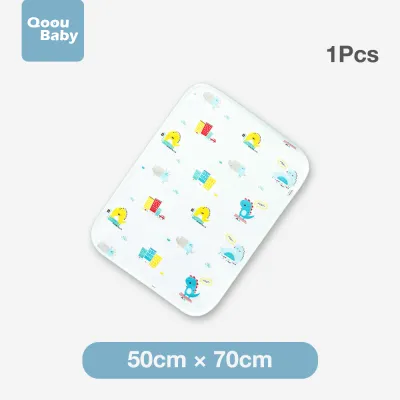
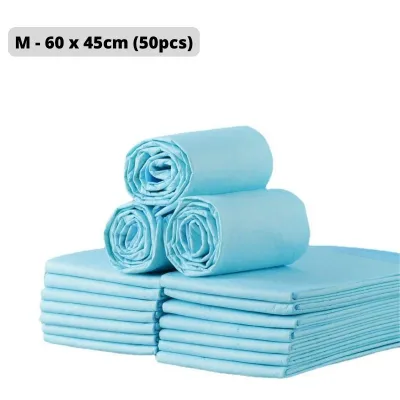

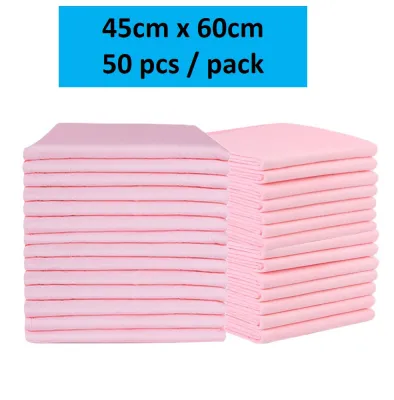
![[SG Seller]Disposable Sheet/baby changing pad/Underpads/maternity pad/diaper changing pad/Pet pad/diaper changing pad](https://img.lazcdn.com/g/p/1e18d5044cc6a8981a574358039de40b.png_400x400q80.png_.webp)
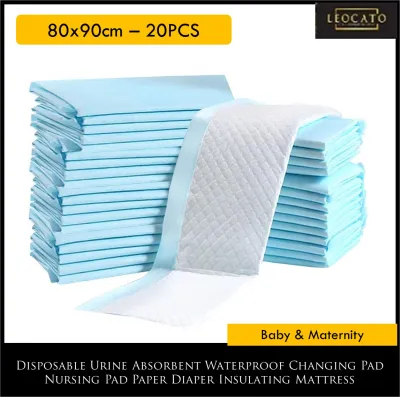
Prices are valid at publication and may change. Please refer to the product page for the latest price.
Essential Safety and Comfort Features to Look For
When shopping for changing tables pads, safety should always be your primary consideration. Newborns may seem relatively stationary during their first few weeks, but they quickly develop the ability to wiggle, slide, and eventually roll. Evaluating specific safety and structural features before making a purchase ensures you do not compromise your child’s well-being.
Safety Straps and Buckles An adjustable three-point safety strap is a critical feature for any changing pad. This strap should wrap securely around your baby’s torso, featuring an easy-to-release buckle that allows you to secure or free your child with one hand. Even if you never leave your baby’s side, a sudden startle reflex or unexpected movement can cause a newborn to slide. Look for durable nylon straps with reinforced stitching where they attach to the pad’s core structure.
Material and Wipeability Diaper changes are inherently messy, making the outer material of the pad a major factor in your daily routine. Look for covers made from high-quality polyurethane, PEVA, or phthalate-free vinyl that can be wiped clean in seconds. These waterproof barriers prevent liquids from seeping into the inner foam, which can lead to bacterial growth and unpleasant odors. Always check the manufacturer’s product care guide to ensure the material can withstand regular sanitization without cracking or degrading.
Non-Slip Base A changing pad is only as secure as its connection to the furniture beneath it. A high-quality pad should feature a textured, rubberized, or high-friction non-slip bottom to prevent it from sliding across smooth wooden, laminate, or glass surfaces. Some models also include fabric security straps with metal grommets, allowing you to screw the pad directly into the back of your dresser or changing table for maximum stability.
Size and Fit Before purchasing any pad, you must carefully measure the top surface of your chosen furniture. The changing pad must fit entirely within the boundaries of the table or dresser top, with absolutely no overhang. An overhanging pad poses a severe tipping hazard if weight is applied to the unsupported edge. Standard pads typically measure around 80 centimeters in length and 40 to 45 centimeters in width, but sizes vary widely across international brands, so verifying compatibility is essential.
Which Type of Changing Pad Suits Your Nursery Best?
Changing pads come in several distinct designs, each catering to different parenting styles, space limitations, and aesthetic preferences. Understanding the structural differences between these types will help you select the option that best integrates into your daily workflow.

Contoured Changing Pads
Contoured pads feature raised sides—often in a two-sided or four-sided curved design—that create a shallow, protective valley for your baby. These elevated edges are designed to keep your newborn centered on the pad, physically discouraging lateral rolling. They are highly popular for traditional nurseries and fit exceptionally well inside standard wooden changing table frames.
While contoured pads offer excellent physical boundaries, they typically require fabric fitted covers to keep the baby comfortable against the cold waterproof surface. This means you will need to purchase multiple covers to handle inevitable leaks and spit-ups, increasing your laundry load. When choosing a contoured pad, ensure the foam is firm enough to support your baby’s weight without bottoming out against the hard wooden surface below.
Flat and Wipeable Pads
Flat, modern changing pads have gained immense popularity among parents who prioritize quick cleanup and minimalist design. Often constructed from solid, soft-touch polyurethane foam, these pads do not require additional fabric covers. If an accident occurs, you simply wipe the liquid off the non-porous surface, sterilize it, and it is instantly ready for the next use.
Because these pads lack high, fabric-covered contoured walls, they rely entirely on their built-in safety straps and your constant supervision to keep the baby secure. They represent a higher upfront investment—often ranging from S$100 to S$180 in Singapore—but the savings on fabric covers and laundry detergent often offset the initial cost over time. Their sleek profile looks exceptionally clean on modern bedroom dressers.
Portable and Foldable Pads
For families who are frequently on the move or prefer to change their baby in different rooms, portable and foldable pads are indispensable. These lightweight options are designed to fold down into a compact clutch size, often featuring integrated pockets to hold a small stack of diapers, a travel pack of wipes, and diaper cream.
Portable pads are ideal for visiting relatives, running errands, or keeping downstairs in a multi-story home to avoid constant trips to the nursery. While they lack the thick cushioning and rigid safety structures of tabletop pads, they provide a clean, moisture-resistant barrier on changing room tables or bedspreads. They are best viewed as a secondary diapering solution rather than a primary tabletop pad.
Dresser Topper Pads
Dresser topper pads are designed to convert a standard chest of drawers into a fully functional changing station. These systems often consist of a wooden three-sided frame (the topper) that secures to the back of the dresser, housing a standard changing pad securely inside. This approach is highly favored by parents looking for long-term furniture utility.
Once your child outgrows the diaper phase, you can simply unscrew the wooden topper and remove the pad, leaving your dresser completely undamaged and ready for regular bedroom storage. This eliminates the need to store or discard a bulky, single-use changing table. Ensure the dresser you use is at a comfortable waist height to prevent back strain during the thousands of changes you will perform.
Optimizing Your Choice for Singapore Homes and Climate
Raising a child in Singapore introduces unique environmental and spatial factors that directly influence your nursery choices. Standard housing layouts and the tropical climate require a thoughtful approach to selecting baby gear.
Space Optimization With many young families living in HDB flats or cozy condominiums, maximizing floor space is a top priority. A standalone wooden changing table can take up a significant amount of real estate in a bedroom, only to become obsolete after two years. Opting for a flat or contoured pad that sits directly on top of a standard dresser allows you to combine clothing storage and diapering into a single footprint. Alternatively, a lightweight, portable pad can be stored vertically next to a cot and laid flat on a bed or floor only when needed.
Climate Considerations Singapore’s high relative humidity, which frequently exceeds 80 percent, creates an environment where mold, mildew, and dust mites can thrive. Thick, plush fabric changing pad covers that trap moisture and sweat can quickly become breeding grounds for bacteria if not washed and dried thoroughly. For local homes, selecting fully waterproof, non-porous materials like polyurethane or high-density PEVA is highly advantageous. These materials dry instantly after wiping and do not absorb ambient moisture from the air, helping to protect your newborn’s sensitive skin from damp-induced rashes.
Multi-functional Furniture To get the most value out of your purchases, prioritize setups that adapt to your child’s growth. A high-quality changing pad paired with a sturdy, waist-height chest of drawers provides excellent storage for baby clothes, swaddles, and medical supplies while serving as a secure changing zone. When the diapering years end, the dresser remains a permanent, attractive fixture in your child’s room, making it a highly sustainable and cost-effective choice for local households.
Safe Setup, Daily Use, and Maintenance Rules
Even the most advanced changing pad cannot replace safe parenting practices. Implementing strict safety habits and maintaining your gear properly will protect your baby from injury and ensure the pad remains hygienic throughout its lifespan.
The “One Hand” Rule The most critical safety rule of diaper changing is to keep at least one hand on your baby at all times, without exception. Newborns can surprise you with sudden movements, and older babies can roll over in a split second. Never walk away from an elevated changing surface to grab a diaper, answer the door, or pick up a phone. Prepare all your supplies—diapers, wipes, creams, and clean clothes—and place them within your arm’s reach before laying your baby down on the pad.
Proper Installation When setting up your changing pad, always follow the manufacturer’s installation instructions to the letter. If your pad comes with security straps and screws, mount them securely to the back of your changing table or dresser. If you are using a pad on a polished wooden surface without screws, place a heavy-duty, non-slip silicone mat underneath the pad to eliminate any sliding. Regularly check that the pad remains firmly in place and that the safety straps have not frayed or loosened over time.
Cleaning Routines To maintain a hygienic environment, wipe down the changing pad after every single diaper change using a mild, baby-safe sanitizing spray or a damp cloth with gentle soapy water. Avoid using harsh chemical bleach, highly concentrated alcohol sprays, or abrasive scrubbing pads. These aggressive cleaning agents can break down the waterproof coating, cause the material to crack, and potentially leave chemical residues that could irritate your baby’s delicate skin.
When to Stop Using Changing pads are not designed for indefinite use. You must transition to changing your baby on a clean mat on the floor once they reach specific developmental milestones. Stop using an elevated changing pad when your baby begins to sit up unassisted, attempts to pull themselves up on the edges of the pad, or exceeds the manufacturer’s maximum weight limit (typically around 11 to 15 kilograms). Continuing to use an elevated pad past these milestones significantly increases the risk of falls.
Frequently Asked Questions (FAQ)
Do I really need a contoured changing pad?
A contoured changing pad is not a strict safety requirement, but it does offer helpful physical boundaries. Flat changing pads are completely safe to use, provided they feature a reliable safety strap and the caregiver maintains constant, hands-on supervision. The contoured edges simply provide a physical guide to help keep the baby centered, but they should never be relied upon to prevent a rolling baby from falling without your active support.
Can I use a regular towel or blanket instead of a changing pad?
While a folded towel or blanket is perfectly fine for changing your baby on the floor, you should never use them as a substitute for a changing pad on an elevated surface like a dresser or table. Towels and blankets lack non-slip backing, waterproof barriers, and integrated safety straps. On a smooth wooden or laminate surface, a towel can easily slide under a moving baby, presenting an extreme fall risk.
How do I clean a changing pad cover without ruining it?
To clean a fabric changing pad cover safely, always consult the manufacturer’s care label first. In general, it is best to wash fabric covers in cold water on a gentle cycle using a mild, hypoallergenic baby detergent. To prevent shrinking, warping, or damaging any integrated waterproof laminate layers, air dry the cover or tumble dry on a low-heat setting. Avoid using fabric softeners, which can reduce the absorbency of the fabric over time.

Community discussion
Share your experience or ask a question. Comments are reviewed before publication.