
Setting up a nursery in Singapore requires smart spatial planning and a keen understanding of the local tropical climate. When selecting a changing pad, parents must balance safety, size limits of typical HDB flats or condominiums, and resistance to high humidity. The ideal choice depends on whether you plan to convert an existing dresser, set up a dedicated changing table, or rely on a portable, space-saving solution. This guide breaks down the leading brands and styles available locally to help you make an informed decision for your nursery.
How to Choose the Right Changing Pad for Your Nursery
Space and Dimensions
Space is a premium commodity in Singaporean homes. Before purchasing any changing pad, you must carefully measure the surface area of your intended changing station, whether it is a dedicated changing table or a chest of drawers. Standard changing pads typically measure around 80 by 40 centimeters, but variations are common across different international brands. Ensure that the pad sits completely flat on the surface without any overhang. An overhanging pad creates an unstable surface that can easily tip when weight is applied, presenting a severe fall hazard for your baby. Always verify the manufacturer’s specified weight and age limits to ensure the pad remains safe as your child grows.
Material and Climate Suitability
Singapore’s high humidity levels present a unique challenge for nursery gear, as moisture can easily lead to mold, mildew, and bacterial growth. When selecting a pad, prioritize non-porous, wipeable materials such as polyurethane (PU) or high-quality polyvinyl chloride (PVC) that do not trap moisture. Avoid pads with deep crevices, fabric seams, or non-removable textile elements that can absorb sweat, spilled liquids, or humidity. A moisture-resistant barrier ensures the core foam remains dry and sanitary, preventing fungal spores from taking root in the cushioning material.
Products mentioned in this guide
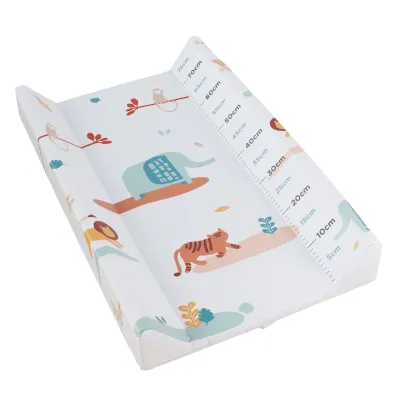
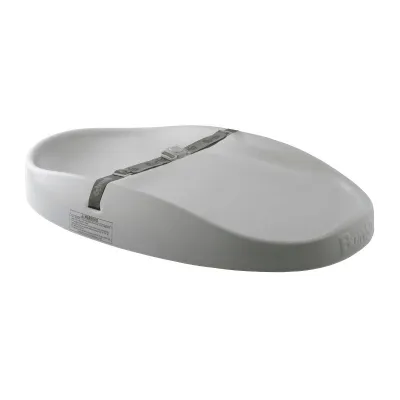
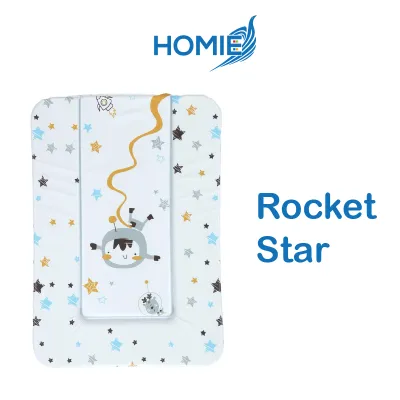
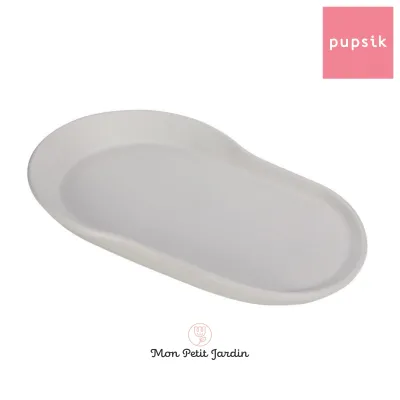
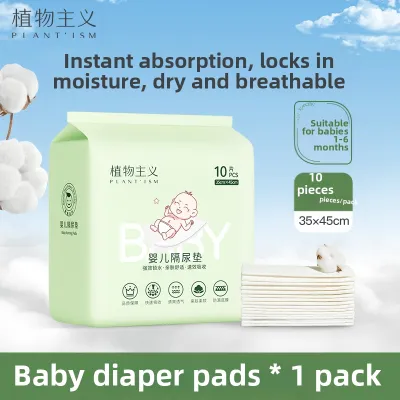
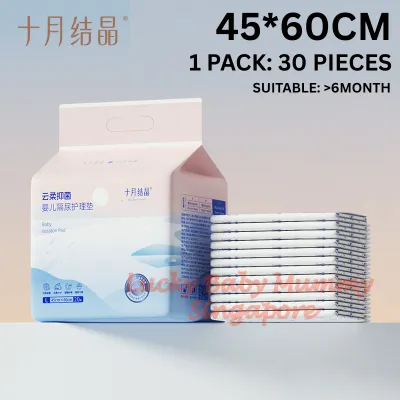
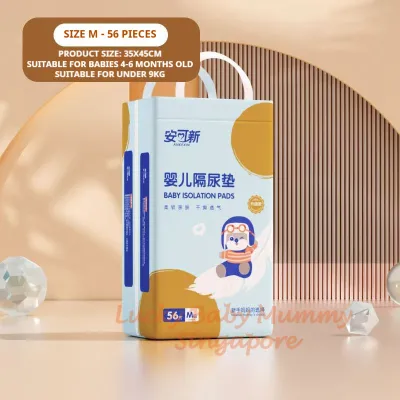
Prices are valid at publication and may change. Please refer to the product page for the latest price.
Safety Features
Safety is the paramount concern when placing your baby on an elevated surface. Look for pads with contoured edges—typically three-sided or four-sided raised walls—that help keep your baby centered and prevent them from rolling off. A secure safety strap with a reliable buckle is essential to keep active babies in place, though it should never replace active supervision. Additionally, verify that the pad features a non-skid or rubberized bottom surface, or includes physical anchor straps that screw directly into the back of your dresser to prevent the entire pad from shifting during diaper changes.
Ease of Cleaning
You will be cleaning this surface multiple times a day, making maintenance a major factor in your daily routine. Fully wipeable pads can be sanitized in seconds with a simple baby-safe disinfectant wipe or a damp cloth with mild soap. If you choose a model that requires a fabric cover, ensure you have several spare covers on hand, as you will need to wash them frequently. Consider how the material reacts to sanitizers over time; low-quality plastics can degrade, crack, or become sticky when exposed to frequent cleaning agents and tropical warmth.
Top Changing Pad Types and Styles to Consider
Contoured Changing Pads
These are the classic nursery staples, featuring curved sides that rise higher than the middle section where the baby lies. The contoured design physically discourages rolling, providing an extra layer of reassurance during diaper changes. They are designed to sit permanently on top of a dresser or changing table. Because of their structured shape, they require a dedicated, flat surface of matching dimensions, making them ideal for parents who have allocated a specific corner of the nursery for diapering.

Flat and Folding Changing Pads
If you are working with limited space or need a highly versatile option, flat and folding pads offer excellent flexibility. These pads are typically thinner, lightweight, and can be rolled or folded up to be stored in a drawer or diaper bag when not in use. They are perfect for quick changes on the living room floor, a playpen, or while traveling around Singapore. While they lack the supportive, roll-preventing walls of contoured models, their portability makes them an indispensable secondary option for active families.
Dresser-Top and Tray-Style Pads
To maximize storage space in smaller rooms, many parents opt to place a changing pad directly onto a standard chest of drawers. This setup often utilizes a wooden or plastic changing tray that is securely bolted to the dresser, inside of which the changing pad fits snugly. This configuration eliminates the need for a separate, single-purpose piece of furniture, allowing the dresser to transition into standard bedroom storage as your child grows. It is crucial to verify that the pad’s dimensions align perfectly with the interior dimensions of the tray to prevent sliding.
Wipeable vs. Fabric-Covered Pads
The debate between fully wipeable solid pads and traditional fabric-covered foam pads centers on convenience versus texture. Wipeable pads, often made from molded polyurethane foam, do not require any laundry; you simply wipe away messes, and they dry instantly. However, they can sometimes feel cool to the baby’s skin, prompting some parents to place a small muslin cloth under the baby’s head. Fabric-covered pads require a protective cover to stay clean, which adds to your laundry load and can trap humidity in Singapore’s climate if not dried thoroughly after washing.
Best Changing Pad Brands Available in Singapore
Premium and Wipeable Innovators
For parents seeking a premium, ultra-durable solution that completely eliminates the need for fabric covers, high-end molded polyurethane pads are the gold standard. Brands like Keekaroo (with its Peanut Changer) and Hatch lead this category. These pads are crafted from specialized, medical-grade or highly resilient elastomeric foam that is impermeable to liquids.
The primary advantage of these premium brands is their exceptional resistance to tears, stains, and chemical degradation. Because they are molded as a single solid piece, they have no seams or fabric backings where mold can hide. This makes them highly suited for Singapore’s humid climate. While they carry a significantly higher price tag—often ranging from S$150 to over S$250—their longevity and zero-laundry design offer substantial long-term value. Due to high demand, parents should verify current availability and shipping times through local authorized distributors or official online storefronts.
Stylish and Functional Contoured Options
If you want to balance modern nursery aesthetics with reliable safety and comfort, mid-range contoured pads from brands like Skip Hop and Stokke are highly popular choices. The Skip Hop Nursery Style Changing Pad, for example, features a wipeable, PVC-free surface with a toy bar to keep babies distracted during changes. Stokke offers dedicated changing cushions designed to fit seamlessly onto their iconic nursery furniture systems.
These brands focus heavily on ergonomic design, featuring secure safety straps, non-slip bases, and contours that keep your baby comfortable. Many of these options are designed to fit standard dresser tops or specific changing tables, so it is essential to measure your furniture before purchasing. They typically occupy a mid-tier price bracket, generally ranging from S$70 to S$130, making them a practical investment for a stylish and secure nursery setup.
Accessible and Budget-Friendly Picks
For practical, everyday utility that does not break the bank, widely distributed brands such as Mothercare and Pigeon offer dependable options. These brands provide classic foam changing pads covered in waterproof, easy-to-clean PVC or PU sleeves. They are readily available in local physical baby boutiques and major department stores across Singapore, allowing you to inspect the product in person before buying.
These budget-friendly pads usually cost between S$20 and S$50, making them highly accessible. They are lightweight, easy to replace, and often come in a variety of simple patterns. When shopping for these options, it is important to physically check the thickness and density of the foam to ensure it provides adequate cushioning for your baby. Also, inspect the heat-sealed seams along the edges; robust seams are critical to prevent water or cleaning fluids from seeping into the inner foam core over time.
Quick Comparison of Recommended Changing Pads
To help you quickly compare the different options and find the perfect match for your home’s layout, budget, and maintenance preferences, use the summary table below.
| Brand/Series | Pad Type | Primary Material | Key Advantage | Best Suited For |
|---|---|---|---|---|
| Keekaroo Peanut | Contoured Solid | Polyurethane (PU) Foam | Completely waterproof, no covers needed, mold-resistant | Parents seeking low-maintenance, premium durability |
| Skip Hop Nursery Style | Contoured Wipeable | Polyurethane (PU) | Integrated toy bar, easy wipe-clean, modern look | Mid-budget nurseries prioritizing style and distraction |
| Stokke Changing Cushion | Contoured Cushion | Foam with Textile/Waterproof Cover | Tailored fit for Stokke furniture, high comfort | Owners of Stokke changing tables or modular systems |
| Mothercare Standard | Flat/Contoured | PVC-Covered Foam | Very affordable, widely available locally, lightweight | Budget-conscious families or secondary changing stations |
| Pigeon Portable | Flat Folding | Waterproof Fabric / Foam | Ultra-portable, folds easily for travel and diaper bags | On-the-go diaper changes and compact HDB living |
Safety and Maintenance Tips for Changing Pads
The "One-Hand Rule"
No matter how advanced your changing pad’s safety features are, they are never a substitute for active caregiver supervision. Always practice the “one-hand rule”: keep at least one hand securely on your baby at all times during a diaper change. Babies can roll over unexpectedly in a fraction of a second, even before they have officially hit that developmental milestone. Never leave your baby unattended on an elevated changing surface, even for a moment to grab a clean diaper or wipe. If you must step away, pick your baby up and take them with you.
Secure Installation
Properly anchoring your changing pad is vital to prevent accidental slips. If your pad comes with safety straps designed to screw into the back of your dresser, install them immediately according to the manufacturer’s instructions. For pads used inside a wooden changing tray, ensure the fit is snug enough to prevent lateral movement. If you are using a loose pad on a slick wooden or laminate surface, use a high-quality non-slip mesh liner (similar to those used under rugs) or adhesive hook-and-loop strips to keep the pad firmly anchored in place.
Humidity and Mold Prevention
Singapore’s tropical climate requires proactive maintenance to prevent mold and mildew from taking hold in your nursery. If you use a fabric cover or a muslin liner, ensure it is completely dry before placing it over the pad. Never leave damp clothes or wet wipes sitting on the pad’s surface. Periodically lift the entire pad off the dresser to let both the underside of the pad and the wooden furniture surface air out. If your nursery tends to trap moisture, consider running a dehumidifier or keeping a ceiling fan on to maintain good air circulation. Avoid placing the pad in direct sunlight, as prolonged UV exposure can degrade polyurethane and PVC materials, causing them to crack.
Cleaning Protocols
Establish a safe and consistent cleaning routine to protect both your baby’s skin and the integrity of the changing pad. Use mild, baby-safe detergents or specialized nursery wipes that are free from alcohol, bleach, and harsh synthetic fragrances. Harsh chemicals can strip the protective waterproof coating of the pad, leading to premature cracking or a sticky residue. After wiping down the pad, always allow it to air-dry completely before placing your baby back on it or applying any fabric covers. If you notice any deep tears or exposed inner foam, stop using the pad and replace it immediately, as exposed foam cannot be properly sanitized.
Frequently Asked Questions (FAQ)
Do I really need a changing table, or is a changing pad on a dresser enough?
You do not need a dedicated changing table if you have a sturdy, waist-height dresser that can safely accommodate a changing pad. Using a pad on top of a dresser is a highly popular, space-saving alternative in Singaporean homes. To do this safely, ensure the dresser’s top surface is wide and deep enough to support the pad without any overhang, and use a secure changing tray or anchor straps to prevent the pad from sliding. This setup also provides the ergonomic benefit of having diapers and clothes stored directly beneath the changing surface.
How do I prevent mold on a changing pad in Singapore's humid climate?
To prevent mold growth in Singapore’s high humidity, choose a fully wipeable, non-porous changing pad made from solid polyurethane foam, which does not absorb moisture. If you prefer fabric covers, wash them frequently and ensure they are thoroughly machine-dried rather than line-dried in humid air. Wipe up any liquid spills immediately, let the pad air-dry completely in a well-ventilated room, and periodically lift the pad to clean and dry the surface underneath. Running a dehumidifier in the nursery can also help maintain a dry, hygienic environment.

Community discussion
Share your experience or ask a question. Comments are reviewed before publication.