
Recovering from a Cesarean section involves navigating the dual challenges of healing from major abdominal surgery while caring for a newborn. In Singapore, where the tropical climate brings persistent heat and humidity, finding the right postpartum recovery tools is essential for physical comfort and safe wound healing. A high-quality c section binder serves as a valuable supportive aid during this delicate transition, helping to stabilize weakened abdominal muscles, reduce surgical pain during movement, and provide postural support.
To find the best c section binder for your recovery journey, it is important to understand that these garments are designed to assist your body’s natural healing process, not to replace medical care or directly heal the surgical incision. The ideal binder must balance effective compression with exceptional breathability to suit the local climate. Brands like Mamaway, Belly Bandit, and Bellefit are highly regarded among local mothers, each offering distinct advantages in terms of material composition, adjustability, and support levels. Before introducing any compression garment into your postpartum routine, always secure explicit clearance from your obstetrician to ensure it aligns with your specific surgical recovery timeline.
Why a C-Section Binder Matters for Postpartum Recovery
During a Cesarean delivery, obstetricians must make an incision through several layers of tissue, including the skin, subcutaneous fat, fascia, and the uterine wall, while gently separating the abdominal muscles. This process leaves the core muscles significantly weakened and can disrupt your body’s natural structural alignment. A c section binder provides gentle, uniform compression across the lower abdomen, which helps to splint the surgical site. This external support minimizes the painful “shifting” sensation of internal organs that many mothers experience when standing, walking, or coughing in the first few weeks after delivery.
Products mentioned in this guide
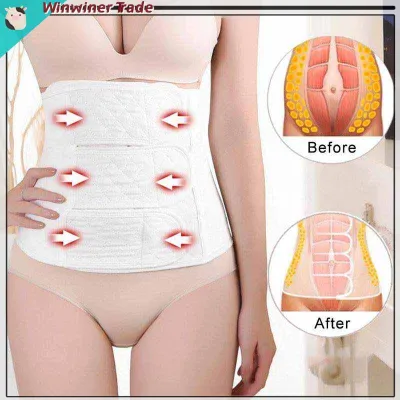
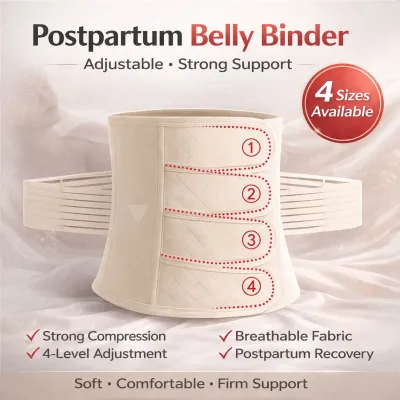
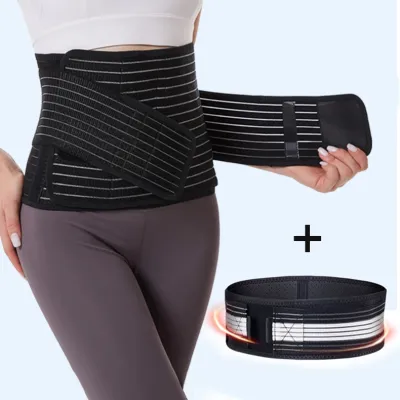
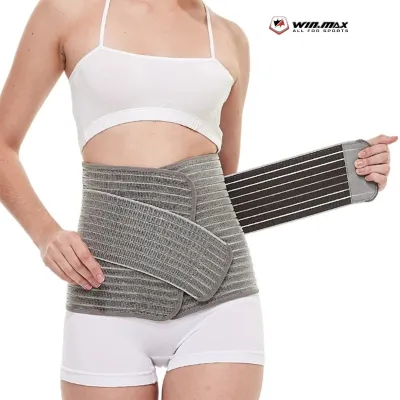
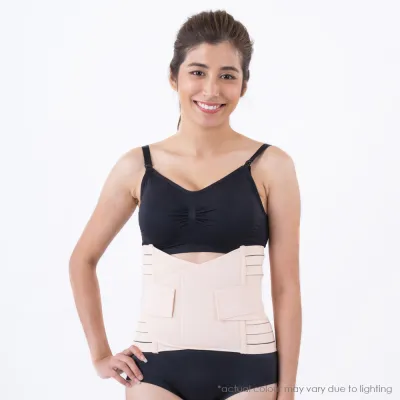
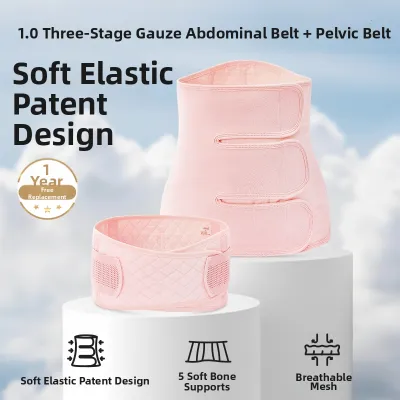
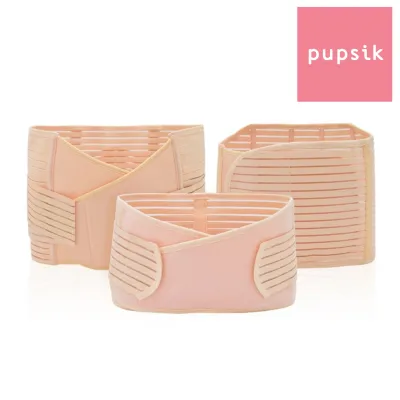
Prices are valid at publication and may change. Please refer to the product page for the latest price.
Beyond localized pain relief, a binder plays a critical role in restoring postural stability. During pregnancy, your growing uterus shifts your center of gravity forward, stretching your abdominal wall and straining your lower back. Post-delivery, these stretched muscles cannot immediately support your spine. Wearing a binder provides a sensory cue that helps you maintain an upright posture, reducing the strain on your lower back and shoulders during breastfeeding sessions or when lifting your infant.
However, it is vital to recognize that an abdominal binder is a supportive orthotic tool rather than a medical treatment. It does not actively heal the incision or repair deep tissue layers; rather, it creates a stable environment that allows you to move with greater confidence and less discomfort. Because every surgical recovery is unique, using a compression garment too early or too tightly can interfere with wound healing or pelvic floor recovery. For this reason, consulting your healthcare provider at your delivery hospital—whether at KK Women’s and Children’s Hospital, Thomson Medical Centre, Mount Elizabeth, or another local facility—is a mandatory first step before beginning use.
Essential Features to Evaluate When Choosing a Binder
Selecting the right c section binder requires looking beyond aesthetic appeal to evaluate specific design elements that directly impact your comfort, safety, and recovery. In Singapore’s humid environment, these features become even more critical to prevent complications.

Material and Breathability The tropical climate of Singapore, characterized by high temperatures and humidity, makes breathability the single most important factor for postpartum garments. Trapped heat and sweat against a fresh surgical wound can create a breeding ground for bacteria, leading to skin irritation, rashes, or superficial wound infections. Look for binders constructed from hypoallergenic, moisture-wicking, and highly aerated fabrics. Bamboo-derived rayon, organic cotton blends, and specialized medical-grade mesh are excellent choices as they allow air to circulate freely around the healing incision while pulling moisture away from the skin.
Adjustability and Fit Your postpartum body will undergo rapid changes in shape and fluid volume during the first six weeks. A binder with static sizing or limited adjustment options will quickly become obsolete or ineffective. Opt for designs featuring wide Velcro panels, dual-compression straps, or adjustable hook-and-eye closures. These features allow you to customize the level of compression across different zones of your torso—such as applying firmer support lower down near the pelvis to stabilize the incision, while maintaining a gentler grip around your upper abdomen to prevent breathing restrictions.
Support Level vs. Compression Binders generally fall into two categories: high-compression medical-grade structures and moderate-compression everyday wraps. Medical-grade options are highly structured and designed for the acute recovery phase (the first one to three weeks) when maximum stabilization is required to manage pain. Moderate-compression wraps are softer and more flexible, making them ideal for the sub-acute phase (weeks four to eight) when you begin to increase your daily activity levels and require comfortable, non-restrictive support for longer durations.
Ease of Use and Practicality A mother recovering from abdominal surgery has a limited range of motion and cannot easily bend, twist, or struggle with complex fasteners. The binder should be straightforward to put on, adjust, and remove independently. Front-fastening or side-fastening designs are highly recommended, as they can be secured while standing or lying down without requiring assistance. Additionally, consider how the binder behaves when you sit down or use the restroom. Binders that are too rigid or lack anatomical contouring may roll up, dig into your ribs, or pinch the thighs, which can discourage consistent use.
Sizing Accuracy Never purchase a binder based solely on your pre-pregnancy clothing size or your current maternity wear. Postpartum swelling and structural changes vary widely. To ensure a proper fit, measure your abdominal circumference at the widest point (usually around the belly button) late in your third trimester or immediately after delivery. Always cross-reference your physical measurements with the manufacturer’s specific sizing guide, as sizing standards differ significantly between international brands.
Recommended C-Section Binder Types and Brand Profiles in Singapore
Singaporean mothers have access to a diverse selection of international and regional maternity brands through local specialty boutiques, physical department stores, and major online marketplaces. Understanding the strengths and limitations of each binder category can help you make an informed decision.
Medical-Grade Postpartum Girdles for Maximum Support
For mothers seeking rigid, highly structured compression during the initial weeks following surgery, medical-grade postpartum girdles are the standard choice. These garments are designed to mimic clinical binders, offering high-level stabilization that is often recommended by healthcare professionals for early-stage recovery.
One of the most prominent brands in this category available in Singapore is Bellefit. Bellefit girdles are engineered with medical-grade compression panels that do not stretch out over time, providing robust support directly over the lower abdomen to protect the C-section incision from sudden movements.
- Best Use Case: The first one to six weeks postpartum, particularly for mothers who experience significant abdominal separation (diastasis recti) or severe post-surgical pain.
- Key Material Features: Constructed from microporous, breathable fabrics that are hypoallergenic and resistant to stretching. Many models feature a convenient adjustable crotch flap with hook-and-eye closures, allowing you to use the restroom without removing the entire girdle.
- User Feedback: Mothers frequently report that Bellefit provides excellent support, making them feel secure when standing up or walking shortly after surgery. However, due to the highly structured design and rigid panels, some find it bulkier under form-fitting clothing and slightly more challenging to put on independently during the first few days.
- Sizing and Price: Sizing is highly precise and unforgiving; accurate measurements are critical. Bellefit sits in the premium price tier, generally costing over S$120 to S$180 depending on the specific model.
Seamless and Breathable Wrap Binders for Humid Climates
When comfort, skin sensitivity, and heat management are your primary concerns, lightweight, seamless wrap binders are highly effective. These are specifically tailored to prevent skin chafing and heat rash, making them exceptionally well-suited for Singapore’s tropical climate and the traditional confinement period.
The Mamaway Bamboo Postpartum Belly Band is a highly popular option in Singapore. This wrap utilizes advanced fabric technology to deliver supportive compression without compromising on comfort or breathability.
- Best Use Case: Daily, extended wear throughout the entire postpartum recovery period, especially during hot days or while resting at home.
- Key Material Features: Made with a blend of polyester, elastane, and bamboo charcoal fibers. The inclusion of bamboo charcoal provides natural moisture-wicking, deodorizing, and antibacterial properties, which are crucial for maintaining hygiene around a healing incision.
- User Feedback: Local mothers praise the Mamaway band for its exceptional softness and breathability, noting that it does not cause itching or heat rashes even when worn during humid afternoons. The wide, seamless Velcro panel allows for easy adjustments and does not dig into the skin. A minor drawback is that the soft fabric may occasionally crease or roll slightly at the edges during active movement.
- Sizing and Price: Extremely stretchy and forgiving, accommodating a wider range of body shapes per size. It is positioned in the mid-to-premium price tier, typically retailing between S$80 and S$110.
Adjustable Multi-Panel Belts for Customized Compression
Multi-panel belts offer a versatile middle ground, allowing you to customize the level of compression across different areas of your abdomen and pelvis. These designs are highly adaptable, accommodating your body’s changing shape as swelling subsides.
Belly Bandit is a globally recognized brand available at specialty maternity stores in Singapore, with their B.F.F. (Body Form Fit) Wrap being a standout multi-panel design.
- Best Use Case: Mothers who want highly customizable, contoured compression that targets both the waist and the hips simultaneously.
- Key Material Features: Uses a patented design featuring six support panels and two compression bands. The B.F.F. is wrapped in eco-friendly viscose from bamboo, which is soft against the skin and highly breathable.
- User Feedback: Users appreciate the dual-strap system, which allows them to tighten the lower section over the pelvis while keeping the upper section slightly looser for comfortable breathing. It effectively conforms to curvy body shapes without leaving gaps. However, some mothers note a slight learning curve when aligning the multiple panels correctly by themselves in the early days.
- Sizing and Price: Offers moderate adjustability within each size, but rapid shrinking may require purchasing a smaller size later in recovery. It is a premium option, generally priced between S$100 and S$140.
- Alternative Option: For a slightly more budget-friendly multi-panel option, the UpSpring Shrinkx Belly Bamboo wrap (typically S$60 to S$90) offers triple-compression straps and built-in charcoal-infused fibers, providing excellent lower back support and adjustable compression.
Safe Usage, Sizing, and Wound Care Guidelines
Using your C-section binder correctly is essential to ensure it supports your recovery without causing unintended complications to your incision or your pelvic floor.
Application Technique To apply your binder safely, lie flat on your back on a firm bed. Lying down allows gravity to naturally settle your abdominal organs back into your pelvic cavity rather than compressing them downward. Position the binder over your lower torso, ensuring the bottom edge sits just above your pubic bone to cover and stabilize the incision site without directly rubbing against any stitches or staples. Fasten the binder firmly but comfortably from the bottom upward, securing a snug fit that supports your core without restricting your breath.
Safety Boundaries and Red Flags A C-section is a major surgical procedure, and your incision must be monitored closely. Stop using your binder immediately and consult your obstetrician or visit your hospital’s emergency department if you observe any of the following warning signs:
- A sudden increase in pain at or around the incision site.
- Increased redness, swelling, warmth, or tenderness near the wound.
- Any fluid, blood, or pus leaking from the incision.
- Numbness or tingling in your legs or lower abdomen.
- Shortness of breath or difficulty taking a deep breath.
- A fever, chills, or general feelings of being unwell.
Pelvic Floor Considerations A common misconception is that a binder should be pulled as tightly as possible to help “flatten” the stomach quickly. However, excessive abdominal compression acts like squeezing a tube of toothpaste—it forces pressure downward onto your recovering pelvic floor muscles. This downward pressure can delay pelvic floor healing, worsen urinary incontinence, or increase the risk of pelvic organ prolapse. The binder should feel like a firm, supportive hug, not a corset. You must always be able to breathe deeply and comfortably using your diaphragm.
Hygiene and Care Sweat and moisture accumulation under a binder can compromise wound hygiene. It is critical to wash your binder regularly according to the manufacturer’s care instructions. Most brands recommend hand washing in cold water with a mild, hypoallergenic detergent and air drying to preserve the elasticity of the fabric. To ensure you maintain continuous support without compromising hygiene, consider purchasing at least two binders. This allows you to wear one clean garment while the other is being washed and dried.
Frequently Asked Questions (FAQ)
How soon after a C-section can I start wearing a binder?
The appropriate timeline for wearing a binder varies significantly for every mother and must be cleared by your doctor. Some obstetricians permit wearing a light, flexible binder within 24 to 48 hours after surgery to assist with early mobilization, such as getting out of bed or walking down the hospital corridor. Other doctors prefer that you wait until your surgical staples or steri-strips are removed, or until the external wound has closed superficially, which typically takes one to two weeks. Never begin using a binder without explicit medical clearance from your healthcare team.
Can I wear a postpartum binder while sleeping?
In general, healthcare providers and manufacturers advise against wearing a supportive postpartum binder while sleeping. When you are lying down, your core muscles are naturally at rest, and gravity is no longer pulling on your abdomen. Removing the binder at night allows your skin to breathe, reduces the risk of localized moisture buildup in Singapore’s humid climate, and prevents your core muscles from becoming overly reliant on external support, which can slow down your natural muscle rehabilitation.
Will a C-section binder help me lose baby weight faster?
No, a C-section binder does not burn fat, increase metabolism, or accelerate weight loss. Its primary benefits are structural support, pain reduction, improved posture, and the temporary reduction of postpartum swelling and fluid retention. While a binder can help your silhouette appear smoother under clothing and make you feel more secure, long-term abdominal muscle recovery and weight loss rely on gradual, doctor-approved physical activity, pelvic floor exercises, and proper postpartum nutrition.
Community discussion
Share your experience or ask a question. Comments are reviewed before publication.