
Breastfeeding in public requires a balance of personal comfort, convenience, and baby safety. In Singapore’s tropical climate, where daily temperatures frequently exceed 30 degrees Celsius and relative humidity regularly hovers above 80 percent, this balance becomes even more critical. Choosing the right nursing cover breastfeeding accessory is not just a matter of style or privacy; it directly affects your baby’s physical comfort and safety. To select the ideal nursing cover for Singapore’s weather, you must prioritize highly breathable fabrics, lightweight designs that facilitate constant air circulation, and structural features that allow you to monitor your infant closely. Most high-quality breathable nursing covers in the local market range from S$20 to S$60, depending on the material and brand.
Choosing the Right Fabric for High Heat and Humidity
Singapore’s climate presents a dual challenge for breastfeeding mothers: intense ambient heat and high levels of atmospheric moisture. When you drape a nursing cover over your baby, you create an enclosed microclimate. If the fabric is dense or non-porous, this space quickly traps the body heat generated by both you and your infant. Because high humidity slows down the evaporation of sweat, a poorly ventilated cover can rapidly become stifling, causing your baby to become fussy, overheated, or dehydrated. Understanding how different textiles behave under these conditions is the first step in making an informed purchase.
When evaluating materials, certain natural and semi-synthetic fibers stand out for their performance in tropical weather. Muslin, a loosely woven cotton fabric, is widely regarded as an excellent choice due to its open grid-like structure. This open weave allows air to flow freely through the fibers, preventing heat from accumulating. Standard lightweight cotton, such as voile or lawn, also offers good breathability and is easy to clean. Another popular option is bamboo-derived viscose, which is highly valued for its exceptionally soft texture, cool-to-the-touch feel, and natural moisture-wicking properties. However, because bamboo viscose can be woven in various densities, you must carefully assess the weight of the specific garment.
Products mentioned in this guide
![[SG Ready Stock] Lactation Breastfeeding Nursing Cover / Poncho / Shawl / Cover / Stroller Blanket : C [Little Gems]](https://img.lazcdn.com/g/p/0dacf2be0d698a69b2ba718e2858ecfe.jpg_400x400q80.jpg_.webp)
![[SG Ready Stock] Lactation Breastfeeding Nursing Cover Poncho Shawl Cover / Stroller Blanket [Little Gems] Drawstring Closure](https://img.lazcdn.com/g/p/6575fa9986da7d5d65ca7ee2d7aec12c.jpg_400x400q80.jpg_.webp)
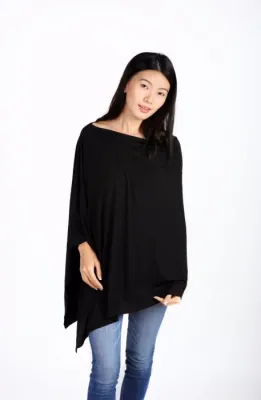
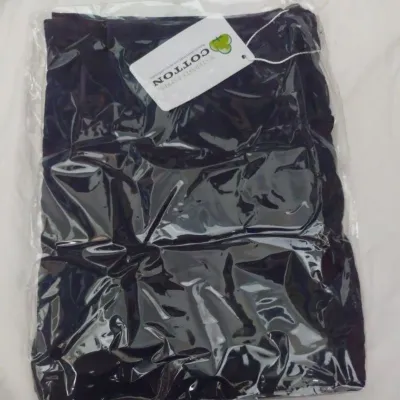
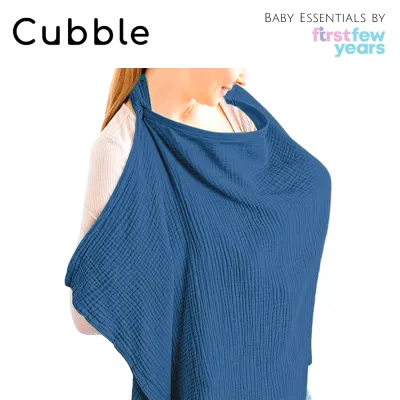
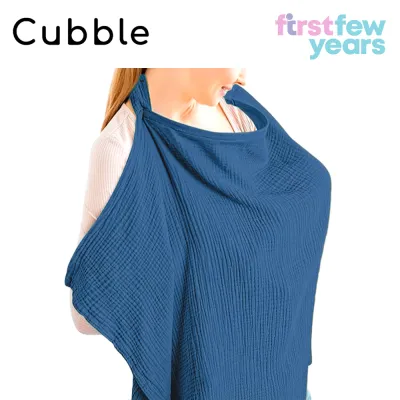
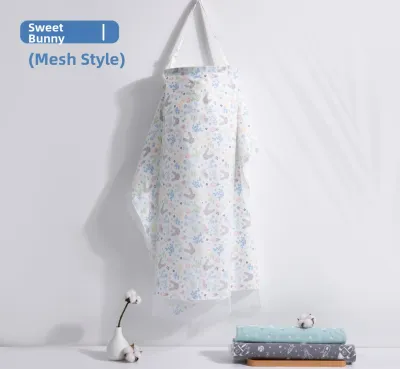
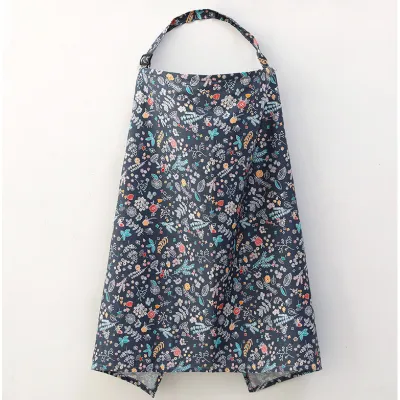
Prices are valid at publication and may change. Please refer to the product page for the latest price.
To ensure you are getting a truly breathable product, you must verify the exact fabric blend, weave pattern, and weight on the physical care label rather than relying solely on promotional claims. Marketing terms such as “cooling,” “airy,” or “breathable” are not standardized and can sometimes be misleading. For instance, a cover labeled as “breezy” might contain a high percentage of polyester, which does not manage heat or moisture as effectively as natural fibers. Inspecting the physical label allows you to confirm the fiber percentages and make an objective decision based on material facts.
Conversely, there are several materials and fabric constructions you should strictly avoid when selecting a cover for tropical climates. Heavy synthetic fabrics, such as standard polyester, nylon, or thick elastane blends, tend to trap moisture and restrict air circulation. You should also avoid covers with thick fleece linings, double-layered designs, or non-porous waterproof backings. While waterproof layers are sometimes marketed as protective barriers against spills, they completely block airflow, creating an unsafe, high-heat environment for an infant. Prioritizing single-layer, lightweight, and porous textiles is essential for maintaining a safe temperature.
Comparing Nursing Cover Styles for Coverage and Airflow
The structural design of a nursing cover determines how it drapes over your body and how much ventilation it allows. Different styles offer varying trade-offs between complete privacy and optimal airflow. Understanding these structural differences helps you select a design that aligns with your personal comfort level and the specific environments you frequent in Singapore, such as outdoor parks or air-conditioned shopping centres.

Here is a comparison of the primary nursing cover styles available on the market, evaluated by their coverage and ventilation potential:
| Style | Coverage Level | Airflow Potential | Ideal Scenario |
|---|---|---|---|
| Apron Style | Front only (open back and sides) | High (excellent cross-ventilation) | Warm outdoor cafes, parks, and hawker centres |
| Infinity Scarf | Full front and partial sides | Moderate (depends on fabric loops) | Air-conditioned malls, clinics, and transit |
| 360-Degree Poncho | Full 360-degree coverage (front, back, sides) | Low to Moderate (requires ultra-light fabric) | Busy public spaces, family gatherings, and offices |
The apron style is highly favored for warm environments because of its open-back design. Typically secured by a neck strap, this style drapes over your front while leaving your sides and back completely open. This structure allows maximum cross-ventilation, ensuring that air flows freely around your baby. The primary limitation of the apron style is its directional coverage; if your baby is active or if you are nursing in a windy outdoor area, the fabric can shift, potentially exposing your sides.
The infinity scarf style offers a versatile, dual-purpose alternative. When not in use for breastfeeding, it can be worn around your neck as a stylish accessory, saving valuable space in your diaper bag. When it is time to nurse, you simply unloop the fabric and drape it over your shoulder and baby. This style provides good front and side coverage. However, because the fabric is designed to loop around your body, there is a risk of heat trapping if the material is too dense or if it bunches up around your baby’s head. Selecting a wide, single-layer loop made of lightweight fabric is crucial for this style.
The 360-degree poncho style provides the highest level of privacy, enclosing your entire upper body. This style is ideal for mothers who want complete peace of mind from all angles, especially in crowded urban environments. However, because it covers your back, sides, and front simultaneously, it creates a fully enclosed space that has the highest potential for heat retention. To use a poncho style safely in Singapore’s climate, you must strictly select models made from the thinnest, most breathable, single-layer fabrics available, and monitor your baby closely for any signs of overheating.
Practical Design Features for Urban Breastfeeding
Beyond fabric and style, several practical design features can significantly improve your daily breastfeeding experience in an urban landscape like Singapore. Navigating busy shopping districts, public transit networks, and crowded dining areas requires a cover that is easy to deploy, carry, and adjust.
One of the most important features to look for is an adjustable neckline or a rigid collar. Often found in apron-style covers, a rigid collar uses a flexible, lightweight insert (such as plastic or boning) to hold the fabric away from your collarbone. This creates a small viewing window that allows you to look directly down at your baby. This feature is invaluable for ensuring a proper latch, monitoring your baby’s breathing, and maintaining comforting eye contact, all while keeping your chest fully covered from public view.
Portability is another critical factor for urban parents. A practical nursing cover should fold down compactly into a small size that fits easily into a crowded diaper bag or handbag. Look for designs that feature lightweight hardware, such as flat plastic adjustment slides rather than heavy, bulky metal buckles. Some covers come with integrated storage pouches, which keep the fabric clean and organized when tucked away alongside diapers, wipes, and bottles.
Many manufacturers market their nursing covers as multi-use products, claiming they can also function as stroller canopies, shopping cart covers, high chair liners, or infant car seat covers. While these multi-functional designs can be highly convenient, you must evaluate each application carefully to ensure it does not compromise safety or hygiene. For example, using a cover on a shopping cart or high chair exposes the fabric to public germs, which you may not want near your baby during feeding.
Most importantly, you must observe a strict safety boundary regarding infant car seats. You should never use any nursing cover, blanket, or multi-use wrap to fully cover or enclose an infant car seat, drape over the carrying handle, or interfere with the safety harness system. Covering a car seat restricts fresh air circulation, which can rapidly raise the temperature inside the seat to dangerous levels and create a risk of carbon dioxide rebreathing. Always prioritize your baby’s safety by following the car seat manufacturer’s instructions explicitly, and avoid using any cover in a manner not approved by the safety documentation.
Recommended Nursing Cover Types and Pre-Purchase Checklist
To help you decide which nursing cover best fits your lifestyle, we have categorized the top recommendation types based on specific usage scenarios. Each type addresses distinct priorities, whether you value maximum airflow, multi-functional versatility, or complete privacy.
Best for Maximum Airflow: The Adjustable Apron Style
The adjustable apron style is highly recommended for mothers who prioritize ventilation and quick, uncomplicated setup. Because this design leaves your back and sides completely open, it ensures that your baby benefits from the maximum possible airflow, making it the most comfortable option for Singapore’s humid outdoor settings.
This style is ideal for use in warm outdoor cafes, open-air hawker centres, botanical gardens, or during family walks in the park. The open sides allow any natural breeze to circulate freely, preventing the buildup of humid air under the cover.
The main limitation of the apron style is its susceptibility to movement. A restless or older baby who likes to grab and pull at fabrics can easily displace the cover, exposing your sides. When choosing an apron-style cover, look for models with wide, flat neck straps that distribute weight comfortably, and secure, baby-safe adjustable buckles that allow you to adjust the height of the cover quickly and easily.
Best for Versatility: The Lightweight Infinity Scarf
The lightweight infinity scarf is recommended for mothers who prefer a discreet, dual-purpose accessory that integrates seamlessly into their daily wardrobe. This style allows you to transition from wearing a fashionable scarf to breastfeeding your baby in a matter of seconds, without needing to search through your diaper bag.
This style is particularly well-suited for highly air-conditioned indoor environments, such as shopping malls along Orchard Road, pediatric clinics, and public transit. The continuous loop of fabric provides reliable front and side coverage, keeping you comfortable in chilly indoor drafts while keeping your baby cozy.
However, the infinity scarf requires careful adjustment. Because it lacks a rigid collar, you will need to use one hand to hold the fabric open if you want to look down and check your baby’s latch. Before purchasing, verify that the fabric loop is wide and stretchy enough to drape loosely over your shoulder and baby without restricting their movement or pressing tightly against their head.
Best for Full Coverage: The 360-Degree Poncho
The 360-degree poncho style is recommended for mothers who place a high priority on complete privacy and want to ensure they are fully covered from every angle. This design is highly effective at preventing active babies from pulling the cover off, as it drapes completely around your torso.
This style is ideal for busy public spaces, open-plan office environments, family gatherings, or crowded transit hubs where you may need to nurse while seated close to others. It eliminates any worry about side or back exposure when you move or adjust your baby.
The primary limitation of the poncho style is its high potential for heat retention, as it encloses your entire upper body. To use this style comfortably and safely in a tropical climate, you must select models made from the absolute lightest, most open-weave fabrics available, such as premium bamboo-derived viscose or ultra-thin cotton muslin. Avoid any double-layered designs, and monitor your baby frequently during feeding.
Pre-Purchase Checklist
Before finalizing your purchase of any nursing cover, use this concrete checklist to verify that the product is safe, practical, and suitable for Singapore’s climate:
- Verify the Fabric Composition: Check the physical care label or official product specifications to confirm the material is lightweight and breathable (such as 100% cotton muslin or bamboo viscose) rather than a dense synthetic blend.
- Check the Washing Instructions: Ensure the cover is fully machine-washable. Frequent washing is essential in humid climates to maintain hygiene and prevent the buildup of sweat, milk residue, and bacteria.
- Inspect the Hardware: Examine all buckles, rings, and adjustment straps to ensure they are secure, lightweight, and free of any sharp edges that could irritate your skin or scratch your baby.
- Confirm the Return Policy: Verify the retailer's return or exchange policy before buying. Since the tactile feel and weight of the fabric are critical for comfort, you want the option to return the cover if it feels too heavy or warm in person.
Frequently Asked Questions (FAQ)
Can I use a regular lightweight scarf instead of a dedicated nursing cover?
While you can use a regular lightweight scarf, dedicated nursing covers offer several distinct advantages. Regular scarves lack a rigid collar or structured neckline, which makes it difficult to look down, maintain eye contact, and monitor your baby’s latch without manually holding the fabric away. Additionally, regular scarves do not have secure fastening mechanisms, meaning they can easily slip off your shoulder or be pulled away by a moving baby, requiring constant manual adjustment.
How should I clean and store nursing covers in a humid environment?
To prevent mildew, mold, and musty odors in Singapore’s humid climate, you must wash and dry your nursing cover thoroughly. Follow the manufacturer’s care label instructions, washing the cover regularly to remove sweat, milk spills, and spit-up. Avoid using heavy fabric softeners, as they can leave a residue that coats the fabric fibers, reducing their natural breathability and moisture-wicking capabilities. Always ensure the cover is completely dry before folding it and storing it in your diaper bag.
Community discussion
Share your experience or ask a question. Comments are reviewed before publication.