
Finding the right breastfeeding pillow is one of the most impactful decisions a nursing mother can make to ensure comfort during long feeding sessions. Newborns feed frequently—often up to twelve times a day—with individual sessions easily lasting 30 to 45 minutes. Without proper ergonomic support, holding a baby in a fixed position for these extended periods quickly leads to muscle fatigue, neck strain, shoulder tension, and lower back pain.
The most comfortable breastfeeding pillows for long sessions are designed to lift the baby to the level of the breast, eliminating the need for the mother to hunch forward. Leading brands such as My Brest Friend, Boppy, doomoo, and Momcozy have developed distinct designs to address these physical demands. Whether you require a structured wrap-around pillow that fastens securely to your waist, a highly flexible crescent-shaped cushion, or a contoured memory foam model with targeted pressure relief, understanding how these brands perform over long sessions is key to a comfortable nursing journey.
What Makes a Breastfeeding Pillow Comfortable for Long Sessions?
To evaluate which breastfeeding pillow will provide the best comfort during long feeding sessions, it is essential to understand the core design elements that influence physical support and thermal comfort. A pillow is not merely a soft cushion; it is an ergonomic tool that must balance firmness, shape, breathability, and adjustability.
Products mentioned in this guide
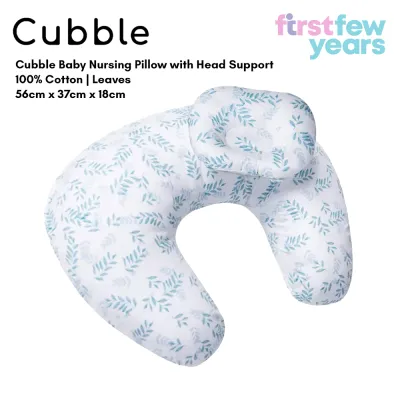
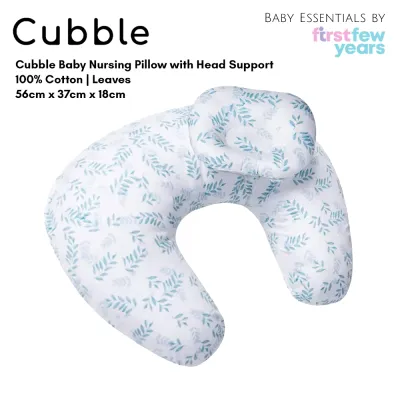
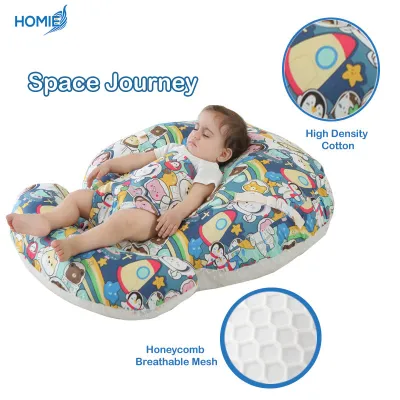

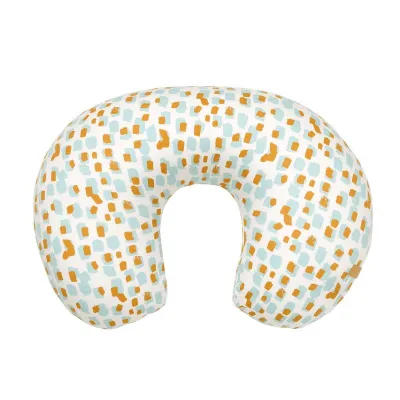
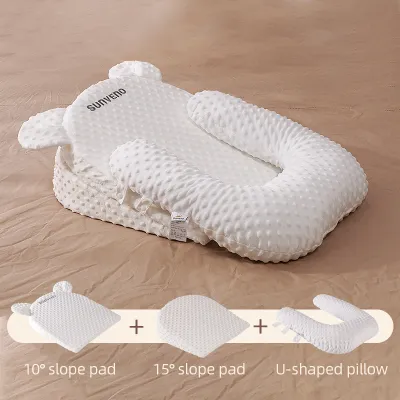
Prices are valid at publication and may change. Please refer to the product page for the latest price.
Fill Materials and Firmness The internal fill of a nursing pillow dictates how well it maintains its height under the weight of a growing baby. Memory foam is highly regarded for its dense, supportive structure. It contours closely to the body and resists flattening, ensuring the baby remains at the correct feeding height throughout a 45-minute session. However, standard memory foam can retain body heat, which is a significant drawback during warm skin-to-skin contact. Polyester fiberfill is a lighter, fluffier alternative that allows better airflow, keeping both mother and baby cooler. The trade-off is that fiberfill compresses more easily under weight, requiring regular fluffing and potentially leading to sagging during long feeds. Microbeads (lightweight polystyrene mini-balls) offer a highly moldable alternative, shifting easily to conform to the baby’s body shape. While comfortable, microbeads can shift too much during active feeding, occasionally causing the baby to sink and requiring manual readjustment.
Ergonomic Shapes and Weight Distribution The physical shape of the pillow determines how the baby’s weight is distributed across your body. Wrap-around designs encircle the waist entirely, transferring the baby’s weight directly to your hips and lower back while providing a flat, stable platform. This configuration minimizes the need for arm engagement, allowing your shoulders to relax completely. In contrast, classic crescent or U-shaped pillows sit loosely in front of the torso. While highly versatile, they do not distribute weight around the back and may require you to squeeze your elbows inward or use your forearms to keep the pillow from sliding forward, which can introduce tension over long sessions.
Cover Fabrics and Climate Considerations For mothers in tropical or highly humid climates like Singapore, the breathability of the pillow cover is paramount. Long feeding sessions involve close physical contact, which naturally generates heat and sweat. A non-breathable synthetic cover can quickly become hot and sticky, causing discomfort for both you and your baby. Look for covers made from natural, moisture-wicking fibers such as organic cotton, bamboo-derived rayon, or specialized breathable mesh. Additionally, because milk spills, spit-up, and sweat are inevitable, the cover must be easily removable and machine-washable to maintain hygiene.
Adjustability and Security An adjustable strap, belt, or buckle system is a crucial feature for long-session comfort. It allows you to secure the pillow tightly against your torso, eliminating the gap that often forms between the pillow and your abdomen. Without a secure attachment, the pillow can slowly drift forward as the baby moves, forcing you to constantly pull it back or hunch over to keep the baby positioned correctly at the breast.
Leading Breastfeeding Pillow Designs for Extended Support
There is no single “perfect” breastfeeding pillow brand because every mother’s body, recovery needs, and preferred nursing positions are unique. A design that offers immense relief to a mother recovering from a C-section might feel restrictive to a mother who prefers side-lying feeds. Similarly, a petite mother may find a bulky, rigid pillow overwhelming, while a taller mother may require the extra height that only a dense, structured cushion can provide.

To help you navigate the options, the market is broadly divided into three primary design categories, each championed by specific brands known for their quality, durability, and long-term ergonomic support. By understanding the structural benefits and limitations of each category, you can select the style that best aligns with your physical needs.
Wrap-Around Clip-On Designs for Maximum Back and Arm Relief
For mothers prioritizing absolute relief from back, neck, and shoulder strain during long feeds, wrap-around clip-on designs are highly effective. Pioneered by brands like My Brest Friend, this design philosophy focuses on creating a secure, unyielding workstation for nursing.
The defining feature of a wrap-around pillow is its 360-degree attachment system. The pillow wraps completely around your waist and fastens with an adjustable strap and buckle. This creates a highly stable, flat platform that sits flush against your body, preventing the baby from rolling into a gap or sliding away. Many models in this category feature a raised, firm backrest that provides direct lumbar support, encouraging you to sit upright and maintain proper spinal alignment rather than slouching forward.
Because the pillow is buckled securely to your body, your arms are completely freed from the burden of supporting the baby’s weight. You can rest your forearms lightly on the sides of the pillow, allowing your upper body muscles to relax. This is particularly beneficial during the early weeks of breastfeeding when sessions are frequent and long, and your body is still recovering from childbirth.
However, there are practical trade-offs to consider. The structured, flat design can feel bulky and is less convenient to move from room to room. There is also a slight learning curve to fastening the buckle quietly, especially during middle-of-the-night feeds when you want to avoid waking a drowsy baby. Additionally, caregivers must ensure the strap is adjusted comfortably so it does not press uncomfortably into the ribs or incision sites. Brands like My Brest Friend offer deluxe versions with plush, ultra-soft fabrics and silent-release buckles to mitigate these issues, making them an excellent investment for long-session comfort.
Crescent and U-Shaped Pillows for Flexible Multi-Position Nursing
If you prefer a lightweight, highly versatile option that can be easily repositioned and used for multiple purposes, classic crescent or U-shaped pillows are the industry standard. Brands like Boppy and doomoo have perfected this highly adaptable design.
These pillows slide easily around the front of your waist without the need for straps or buckles, making them incredibly quick to put on and take off. This simplicity is highly valued during hectic moments when a hungry baby needs to be fed immediately. Crescent pillows are exceptionally flexible, easily accommodating various nursing positions such as the classic cradle hold, cross-cradle, or the football hold (where the baby is tucked under your arm).
Beyond breastfeeding, crescent pillows offer excellent multi-use functionality. As your baby grows, the pillow can be used to support them during supervised tummy time, or placed behind them as a protective cushion when they are learning to sit upright. This extended usability makes them highly cost-effective.
The primary limitation of standard U-shaped pillows during long feeding sessions is their tendency to shift. Because they lack a securing strap, they can slowly slide away from your abdomen under the weight of the baby. This creates a gap, requiring you to actively squeeze your arms inward or use your hand to support the baby’s head, which can lead to wrist and shoulder fatigue over a 45-minute feed. To address this, look for upgraded models such as the Boppy Best Latch, which features a dual-sided design—one firm side for structured support and one soft side for classic comfort—along with an adjustable belt to keep the pillow securely in place. Similarly, the doomoo Buddy utilizes ultra-fine microbead filling that allows you to mold the pillow precisely to your body shape, offering a highly customized and comfortable fit.
Contoured Memory Foam Options for Targeted Pressure Relief
For modern mothers seeking specialized ergonomic support, contoured memory foam nursing pillows represent a major advancement in comfort technology. Brands like Momcozy and Peanut have designed these pillows to address specific pressure points that commonly cause maternal discomfort.
These pillows are molded from high-density memory foam, which provides a firm, stable surface that does not sag or lose its shape, even during the longest feeding sessions. The foam is contoured to hug the waist closely, often featuring built-in slants or raised edges that naturally position the baby at an optimal angle for latching. This built-in elevation reduces the need for the mother to lean forward, protecting the cervical spine and shoulders from strain. Some contoured designs also include integrated wrist rests or wider arm support zones to prevent the repetitive strain injuries, such as carpal tunnel syndrome, that often affect nursing mothers.
While memory foam provides unmatched structural support, its density means it naturally retains body heat. In a warm climate like Singapore, this can lead to uncomfortable heat buildup during long feeds. To ensure comfort, it is crucial to choose brands that address this thermal challenge. Look for contoured pillows that incorporate open-cell foam structures for improved airflow, or those that come with highly breathable, moisture-wicking covers. A removable, washable cover made from bamboo fiber or organic cotton mesh is essential for keeping the feeding environment cool, hygienic, and comfortable.
How to Choose the Right Pillow for Your Body and Nursing Style
Selecting the best breastfeeding pillow requires evaluating your personal physical needs, your recovery status, and how you prefer to feed your baby. By matching the pillow’s design to these factors, you can ensure long-term comfort and avoid purchasing a tool that does not fit your lifestyle.
Aligning with Your Nursing Positions Consider your primary feeding positions. If you prefer seated feeding in a dedicated nursing chair, a structured wrap-around pillow or a contoured memory foam model will provide the height and stability needed to keep your posture upright. However, if you prefer side-lying feeds in bed—a common practice during night feeds—a bulky, rigid wrap-around pillow will be impractical. For side-lying, a flexible, thinner crescent pillow or a moldable microbead cushion can be placed behind your back for lumbar support, or tucked behind the baby’s back to keep them stable.
Postpartum Recovery and C-Section Considerations Your physical recovery after childbirth plays a major role in pillow selection. For mothers recovering from a Caesarean section, the abdominal incision area is highly sensitive and must be protected from pressure. Standard U-shaped pillows that sit tight against the waist can press directly on the healing wound, causing pain. In this scenario, a firm wrap-around pillow is often preferred because it can be buckled higher up on the ribcage, completely clearing the incision site. Alternatively, highly moldable microbead pillows can be gently shaped to provide support without exerting firm pressure on the lower abdomen.
Accommodating Body Type Variations Pillow dimensions must match your body shape to be effective. A pillow that is too tight can restrict breathing and cause discomfort, while a pillow that is too loose will constantly slide, creating a dangerous gap. Petite mothers should look for pillows with shorter depths and highly adjustable straps to ensure a snug fit. Plus-size mothers should seek out brands that offer open-ended designs, generous belt extensions, or flexible crescent shapes that do not constrict the waist. The ultimate goal is to bring the baby up to the level of your nipple, ensuring you do not have to lean down or strain your neck to maintain the latch.
Seeking Professional Guidance While a high-quality breastfeeding pillow is an invaluable tool for reducing physical fatigue, it is important to remember that it is a supportive aid, not a solution for underlying breastfeeding challenges. If you are experiencing persistent nipple pain, difficulty achieving a deep latch, or severe back and neck strain despite using a supportive pillow, consult an International Board Certified Lactation Consultant (IBCLC) or a qualified healthcare professional. They can evaluate your positioning, assess the baby’s oral anatomy, and provide personalized adjustments to ensure a comfortable, pain-free feeding experience.
Care, Maintenance, and Safe Usage Guidelines
To protect your investment and ensure your baby’s safety, proper care, maintenance, and adherence to usage guidelines are essential.
Washing and Thorough Drying Breastfeeding pillows are subjected to daily spills, spit-up, and sweat. Always refer to the manufacturer’s care label before cleaning. While almost all brands feature removable covers that are machine-washable, the care of the inner pillow core varies significantly. Polyester fiberfill pillows can often be machine-washed on a gentle cycle, whereas memory foam cores must never be submerged in water, as this destroys the foam structure; they should be spot-cleaned only. In Singapore’s humid climate, ensuring the pillow is completely dry after washing is critical. Damp fill materials can quickly become breeding grounds for mold, mildew, and dust mites, which can trigger allergies. Always air-dry the pillow thoroughly in a well-ventilated area or use a low-heat dryer setting if permitted by the manufacturer.
Inspecting for Structural Degradation Over months of intense daily use, the materials inside your pillow will naturally degrade. Regularly check for signs of clumping, flattening, or a noticeable loss of height. If you find yourself needing to prop up the pillow with additional cushions or if your baby is sagging during feeds, the pillow has lost its ergonomic support. To prevent physical strain, replace the pillow when it can no longer maintain its structural integrity.
Crucial Safe Sleep Boundaries Safety Warning: Breastfeeding pillows are designed strictly for active, supervised feeding sessions. They are never safe for infant sleep, lounging, or unsupervised propping. Because of their soft, contoured shapes, placing a sleeping baby on a nursing pillow poses a severe risk of positional asphyxia—where the baby’s head falls forward, blocking their airway—or suffocation if they roll over. Never leave a baby unattended on a breastfeeding pillow. If your baby falls asleep during a feed, immediately transfer them to a flat, firm, dedicated sleep surface, such as a cot or crib that complies with current safety standards.
Frequently Asked Questions (FAQ)
Can a breastfeeding pillow prevent back and neck pain?
Yes, a breastfeeding pillow can significantly reduce back and neck pain by elevating your baby to breast height, which prevents you from hunching forward. However, the pillow is only one part of an ergonomic setup. To fully prevent discomfort during long feeding sessions, you must also sit in a supportive chair that offers good lower back support, keep your feet flat on the floor or elevated on a footrest, and consciously relax your shoulders to avoid carrying tension.
Are memory foam nursing pillows better than fiberfill?
Neither material is universally better; they serve different preferences. Memory foam provides exceptionally firm, stable support that does not sag during long feeds, making it excellent for preventing wrist and arm fatigue. However, it tends to retain heat. Polyester fiberfill is lighter, fluffier, and runs cooler, which can be much more comfortable in humid climates, though it may compress over time and require manual fluffing to restore its height.
When should I stop using a breastfeeding pillow?
Most mothers naturally phase out the use of a breastfeeding pillow when their baby is between 4 and 6 months old. By this stage, babies develop strong neck and core control, allowing them to support their own heads and maintain a stable latch with minimal assistance. While you may stop using the pillow for standard seated feeds, you might still find it comfortable for side-lying feeds or as a supportive cushion for your own back.
Community discussion
Share your experience or ask a question. Comments are reviewed before publication.