
Mothers who regularly use a breast pump require breast pads that do more than just absorb occasional leaks. They need pads that can handle sudden, high-volume let-downs, protect highly sensitized skin from flange friction, and remain securely in place during active movement. The ideal choice depends on your daily routine, skin sensitivity, and where you are in your breastfeeding journey.
For heavy let-downs and long intervals between pumping sessions, ultra-absorbent disposable pads with polymer cores offer the most reliable leak protection. If you suffer from nipple friction, soreness, or sensitive skin due to frequent pumping, reusable organic cotton or bamboo pads provide a breathable, low-friction barrier. Many pumping mothers find that a hybrid approach—using silicone milk collectors during active pumping sessions, disposables during work or travel, and gentle reusables at home—delivers the best balance of comfort, convenience, and skin protection.
Why Regular Pumping Changes Your Breast Pad Needs
Pumping on a strict schedule alters how your body releases milk compared to direct breastfeeding. When you use a breast pump, the mechanical suction often triggers a strong, rapid let-down reflex. This reflex frequently occurs in both breasts simultaneously, meaning that while you are pumping one side, the opposite breast may experience a heavy, sudden flow. Standard breast pads designed for light, slow leaks can quickly become saturated under these conditions, leading to wet spots on your clothing and a cold, damp environment against your skin.
Products mentioned in this guide
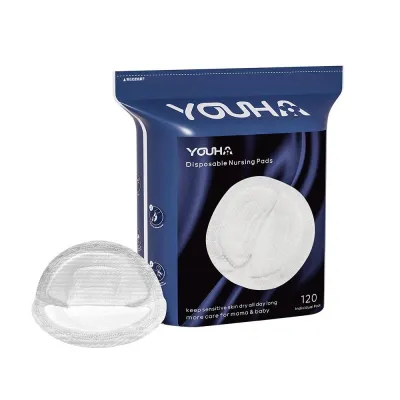
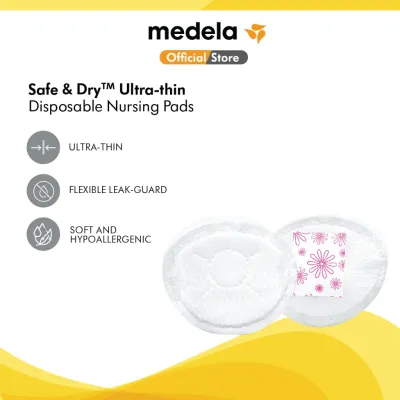
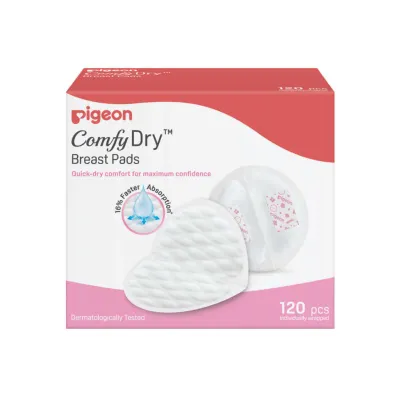
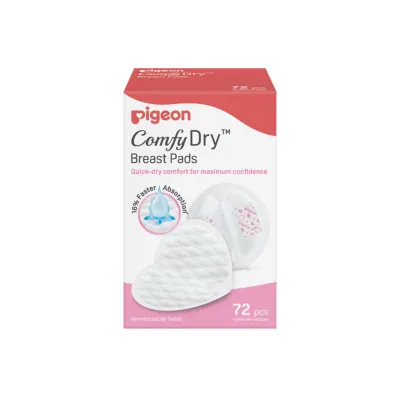
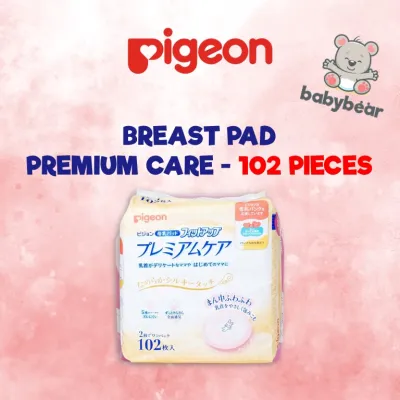
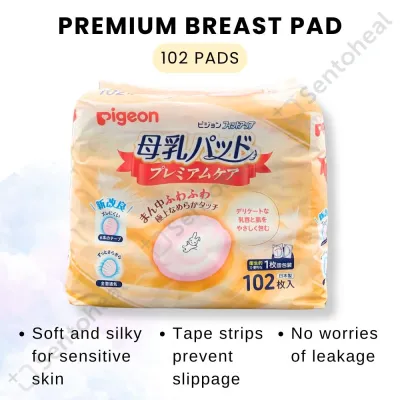
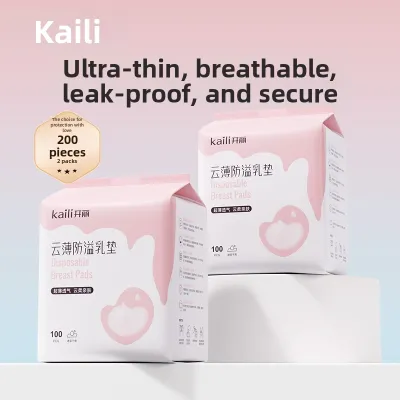
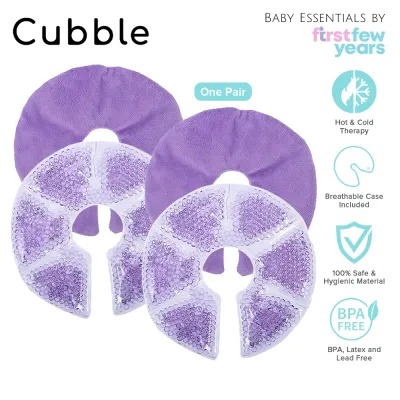
Prices are valid at publication and may change. Please refer to the product page for the latest price.
Furthermore, the physical action of pumping introduces unique mechanical stressors to your breasts. The constant friction of plastic or silicone pump flanges against the skin can cause micro-trauma, redness, and extreme nipple sensitivity. If you place a rough, low-quality breast pad directly against this sensitized skin immediately after a pumping session, the friction can exacerbate the irritation, leading to painful chafing or cracked skin. The skin barrier becomes compromised, making it much more vulnerable to bacterial and fungal infections.
Additionally, a pumping mother’s day is often highly active, involving assembling, disassembling, washing, and sterilizing pump parts, alongside managing a busy household or returning to work. This constant movement requires a breast pad that stays firmly anchored inside your nursing or pumping bra. If a pad shifts, bunches up, or folds over, it not only fails to catch leaks but can also create localized pressure points against your milk ducts. These pressure points can restrict milk flow, potentially leading to painful clogged ducts or localized inflammation.
What to Look for in Breast Pads for Pumping Moms
Selecting the right breast pads requires evaluating several critical performance dimensions that directly impact your comfort, hygiene, and daily convenience.

- Absorbency Capacity and Speed: A high-quality pad must absorb milk rapidly to prevent moisture from pooling on the skin. Look for multi-layer designs that draw liquid away from the surface and lock it into an inner core. For disposable options, look for super-absorbent polymer (SAP) technology, which turns liquid into a gel to prevent backflow. For reusable options, multi-layered bamboo or microfiber cores offer the best absorption rates.
- Breathability and Moisture Control: Trapped moisture combined with body heat creates an ideal breeding ground for yeast (which causes thrush) and bacteria. High-quality breast pads must feature a breathable outer layer that allows air to circulate while still preventing milk from leaking through to your clothes. Avoid pads with completely solid plastic backings, as they act as vapor barriers and trap heat and moisture.
- Contour and Fit: Flat, circular pads tend to bunch up and create visible, lumpy outlines under clothing, which can be frustrating when returning to a professional workspace. Opt for contoured, 3D-molded, or darted designs that naturally mimic the shape of your breast. A contoured pad fits smoothly inside your bra, distributing pressure evenly and reducing the risk of compressing sensitive milk ducts.
- Adhesive Security: To prevent the pad from shifting as you move between pumping sessions, look for secure anchoring mechanisms. Disposable pads should have wide, high-quality adhesive strips that grip the fabric of your bra without leaving sticky residue. Reusable pads, which lack adhesive, should have a textured or non-slip backing material to keep them stable against your bra cup.
- Material Safety: Because the pad sits directly against highly sensitive skin that your baby feeds from, verifying the safety of the materials is essential. Look for hypoallergenic, dermatologist-tested, and Oeko-Tex certified fabrics (for reusables) to ensure they are free from harmful chemicals, dyes, and synthetic fragrances. Always check the manufacturer's packaging to confirm that the materials are suitable for contact with compromised skin.
Best Breast Pad Types for Pumping Routines
Understanding the distinct categories of breast pads allows you to match their specific advantages to your daily pumping schedule, lifestyle, and skin condition.
Ultra-Absorbent Disposable Pads for Heavy Let-Downs
Disposable breast pads are engineered for maximum convenience and high-performance liquid retention. These pads typically feature a soft, non-woven top sheet that remains dry to the touch, a middle layer containing super-absorbent polymers that expand to hold many times their weight in liquid, and a breathable, waterproof outer backing.
These are highly suited for long stretches when you cannot change your pads immediately, such as during overnight sleep, long commutes, or back-to-back meetings at work. They are also invaluable during the early weeks of pumping when your milk supply is still regulating and let-downs are unpredictable and heavy.
However, disposable pads have distinct trade-offs. The synthetic polymer cores, while highly effective at locking away moisture, can feel less breathable in warm, humid climates like Singapore’s. Additionally, using multiple pairs of disposable pads every day generates ongoing waste and represents a recurring financial cost. You must also be diligent about changing them promptly; allowing a saturated polymer pad to sit against your skin for hours can lead to skin maceration and irritation.
Reusable Bamboo or Organic Cotton Pads for Sensitive Skin
Reusable breast pads are constructed from natural fibers, making them an excellent choice for mothers who prioritize skin health and environmental sustainability. Bamboo rayon and organic cotton are naturally soft, highly breathable, and gentle on friction-worn skin.
Bamboo, in particular, has excellent moisture-wicking properties and a silky texture that minimizes friction against sore or cracked nipples. These pads are highly cost-effective over time, as a single purchase of a dozen washable pads can last throughout your entire pumping journey. They are best suited for use at home, during light-leakage phases, or for mothers with a history of contact dermatitis or sensitive skin.
On the other hand, reusable pads are generally thicker and bulkier than their ultra-thin disposable counterparts, making them more visible under tight or light-colored clothing. They also lack adhesive backings, relying entirely on the snugness of your bra to stay in place. Because natural fibers do not lock away moisture as instantly as synthetic polymers, they can feel damp more quickly, requiring immediate laundering in a hot wash cycle with mild detergent to prevent bacterial and fungal growth.
Hydrogel and Soothing Pads for Nipple Relief
Hydrogel pads are specialized, moisture-rich pads designed specifically to soothe and heal damaged skin rather than absorb milk leakage. They consist of a water-based gel layer that provides immediate cooling relief upon contact, helping to reduce the burning sensation often caused by incorrect pump flange sizing or high suction levels.
These pads operate on the principle of moist wound healing, which helps repair cracked, bleeding, or severely chafed nipples faster than letting them air dry. They are intended for temporary, targeted therapeutic use between pumping sessions.
Because their purpose is healing, hydrogel pads have virtually no absorption capacity for milk leaks. If you experience a let-down while wearing a hydrogel pad, the milk will pool underneath, which can wash away the gel and irritate the skin. You must follow the manufacturer’s strict guidelines regarding wear times—typically replacing them every 24 to 72 hours—and avoid using them if you have an active yeast or bacterial infection. If nipple cracking, bleeding, or pain persists for more than a few days, stop using the pads and consult a lactation consultant or healthcare professional.
Silicone Milk Collectors for Active Pumping Sessions
Silicone milk collectors—often referred to as breast shells or passive collectors—are flexible, low-profile silicone cups that slip inside your bra. Unlike traditional pads that absorb and discard milk, these collectors gather the milk that leaks from the non-pumping breast during a session, allowing you to save every drop of ‘liquid gold.’
These collectors are ideal for use during active pumping or direct feeding sessions when the let-down reflex is highly active on both sides. They feature a soft silicone backing that conforms comfortably to the breast, a small reservoir to hold the collected milk, and a convenient spout for pouring the milk into a storage bottle.
However, silicone collectors are not designed for continuous, all-day, or overnight wear. Many models exert a light continuous suction or pressure on the breast to stay in place, which can overstimulate milk production, cause clogged milk ducts, or lead to skin maceration if left on for too long. Always release the suction gently before removing the collector, wash and sterilize the device after every single use according to the manufacturer’s instructions, and transition back to a standard breathable breast pad once your pumping session is complete.
Disposable vs. Reusable Pads: Which Fits Your Routine?
Choosing between disposable and reusable breast pads involves balancing convenience, performance, cost, and skin health. The table below outlines how these two primary types compare across key performance dimensions.
| Performance Dimension | Disposable Breast Pads | Reusable Breast Pads |
|---|---|---|
| Absorbency Speed | Extremely fast; polymer core gels instantly | Moderate; natural fibers absorb well but may feel damp |
| Breathability | Moderate; synthetic backings can trap heat | High; natural fibers allow excellent air circulation |
| Convenience | High; use once and discard, no washing required | Moderate; requires regular laundering and thorough drying |
| Long-Term Cost | High; continuous recurring purchases needed | Low; one-time purchase lasts for months or years |
| Skin Friendliness | Moderate; synthetic materials can irritate sensitive skin | High; ultra-soft bamboo/cotton minimizes chafing |
To determine which option fits your daily pumping routine, consider your lifestyle and specific needs:
- The Working Mom or Exclusive Pumper: If you pump multiple times a day at an office or on the go, disposable pads are highly practical. Their ultra-thin profile makes them invisible under professional attire, and the ability to discard them immediately saves valuable time during a busy workday.
- The Eco-Conscious or Sensitive-Skin Mom: If you spend most of your time at home, have highly sensitive skin, or want to minimize your environmental footprint, reusable bamboo pads are the superior choice. They provide a luxurious feel against sore skin and eliminate daily waste.
- The Hybrid Approach: Many experienced pumping mothers find that a combination of both types works best. You can wear highly absorbent disposable pads during the workday and overnight when leak protection is critical, and switch to soft, breathable reusable pads during evenings and weekends at home to give your skin a chance to rest and recover.
How to Prevent Leaks and Skin Irritation While Pumping
Maintaining proper hygiene and breast care is essential to prevent painful complications like thrush, contact dermatitis, or mastitis. Implement these practical strategies into your pumping routine to keep your skin healthy and your clothes dry.
- Change Pads Frequently: Never allow a damp breast pad to sit against your skin. Change your pads immediately after they feel wet, or right after every pumping session. Even if a disposable pad does not feel completely full, the warm, dark, and moist environment inside your bra is highly conducive to bacterial and fungal growth.
- Ensure Proper Bra Fit: Your nursing or pumping bra must hold your breast pads securely without compressing your breasts. Avoid wearing overly tight bras, as localized pressure on the milk ducts—especially when combined with a bunched-up breast pad—can restrict milk flow and lead to painful clogged ducts or mastitis. If you see deep indentations on your skin from your bra or pad, it is too tight.
- Practice Strict Hygiene for Reusables: When using washable pads, wash them in hot water (at least 60 degrees Celsius) with a gentle, fragrance-free detergent to kill any lingering bacteria or yeast. Ensure they are completely dry before wearing them again; line drying them in direct sunlight or using a high-heat dryer cycle helps maintain maximum hygiene. Store clean pads in a dry, dust-free container.
- Check Manufacturer and Care Instructions: Before using any breast pad, hydrogel, or silicone collector, always read the manufacturer's instructions for proper usage, cleaning, and safety limits. If you are applying nipple creams or balms, verify that they are compatible with your breast pads, as some oil-based ointments can degrade the waterproof backing of disposables or stain and reduce the absorbency of reusables.
- When to Seek Professional Help: While minor skin irritation can often be managed with frequent pad changes and gentle materials, certain symptoms require professional medical evaluation. If you experience persistent nipple redness, burning pain that continues between feeds or pumps, shooting pains deep within the breast, cracked or bleeding nipples that do not heal, a fever, or a hard, warm, red lump on your breast, stop your current routine and consult a doctor or a certified lactation consultant immediately. These are potential signs of thrush or mastitis that require targeted treatment.
Frequently Asked Questions (FAQ)
Can I use breast pads inside my pumping bra?
Yes, you can wear breast pads inside a pumping bra, but doing so during an active pumping session can be challenging. Standard pads can shift, bunch up, or break the airtight seal of the pump flanges against your skin, reducing the pump’s suction and efficiency. It is generally best to remove your breast pads before attaching your pump flanges. During the active pumping session, you can use a silicone milk collector on the non-pumping breast to catch any let-down milk. Once you finish pumping and remove the flanges, wipe your skin dry and insert a fresh, clean breast pad into your bra to catch any post-pumping leaks.
How often should I change my breast pads while pumping?
You should change your breast pads immediately after they become damp, or right after completing a pumping session. As a general rule of thumb, most active pumpers go through three to six pairs of pads per day, though this number can be higher if you have a heavy milk supply or strong let-down reflexes. Leaving a wet pad against your breast for extended periods traps moisture against your skin, which can lead to skin breakdown, painful chafing, and infections like thrush (a fungal yeast infection) or bacterial mastitis. Keeping the breast area dry is one of the most effective ways to maintain skin health.
Do breast pads affect milk supply or cause clogged ducts?
Breast pads themselves do not directly affect your milk supply or cause clogged ducts, as they simply sit against the skin to absorb external leaks. However, how you wear them can indirectly cause issues. If you wear a bra that is too tight, or if you use thick, non-contoured pads that bunch up and press hard against specific areas of your breast, this localized pressure can compress your milk ducts. Compressed ducts restrict the flow of milk, which can lead to painful blockages or mastitis. To prevent this, always choose contoured pads that distribute pressure evenly, ensure your bra has adequate stretch, and change damp pads promptly to avoid localized skin inflammation.

Community discussion
Share your experience or ask a question. Comments are reviewed before publication.