
Selecting the right bottle cleanser is not a one-size-fits-all decision. The ideal formula depends entirely on the material of the baby bottles you use. Because glass, silicone, and plastic each possess distinct physical properties, a cleanser that works perfectly on one material may leave film, retain odors, or even accelerate wear on another.
No single bottle cleanser is universally superior across all categories. Plant-based and enzyme-driven cleansers are highly recommended for porous silicone and easily scratched plastic bottles, as they break down stubborn milk fats and proteins without leaving persistent chemical residues. Conversely, glass bottles are non-porous and highly durable, making them compatible with a wider variety of mild, non-abrasive liquid or foaming cleansers.
When choosing a formula, prioritize residue-free rinsing and material compatibility over aggressive antibacterial claims. In the paragraphs below, we will break down the physical characteristics of each bottle material, compare the primary cleanser formulations available, and provide a clear framework to help you select the safest, most effective option for your household.
Products mentioned in this guide
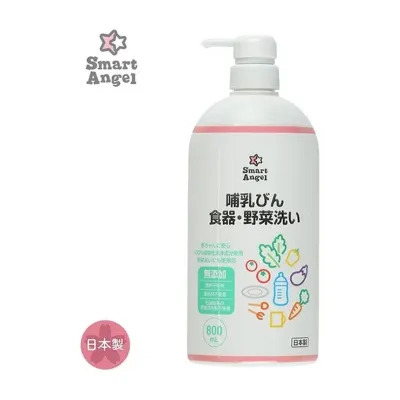
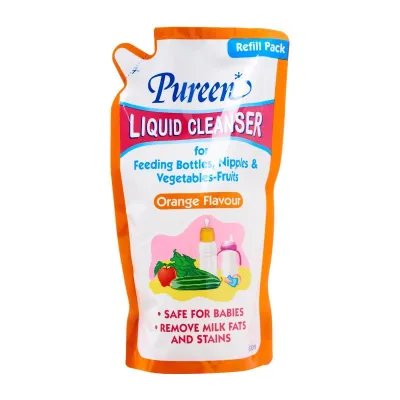
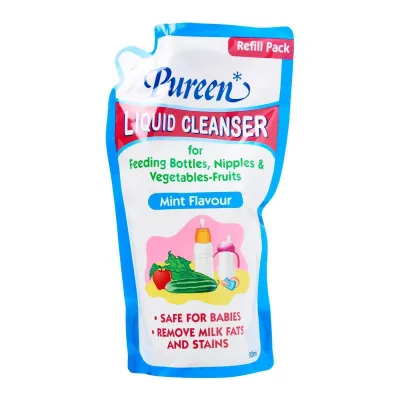
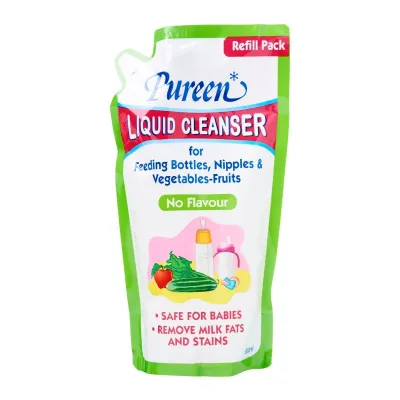
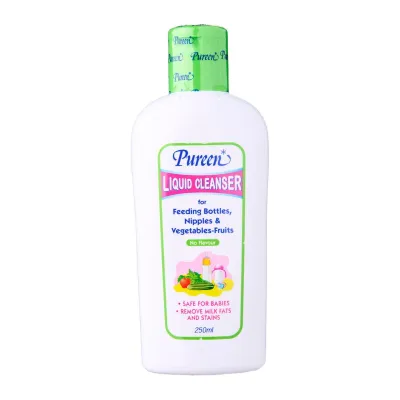
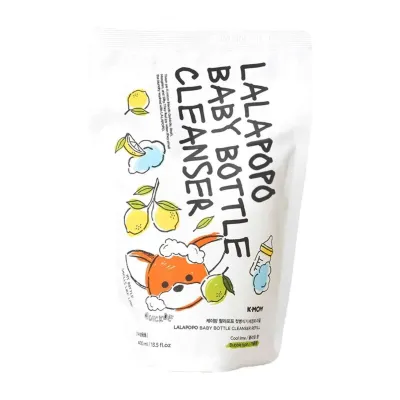
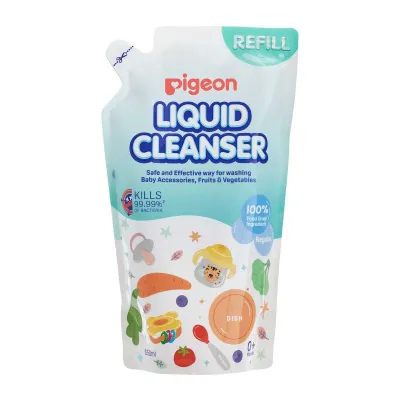
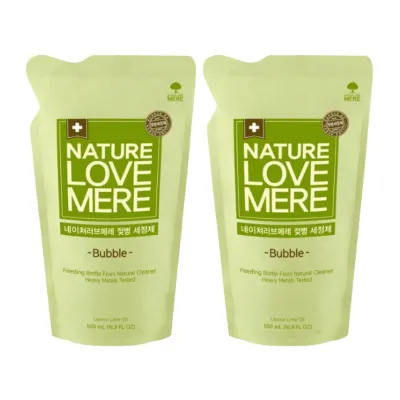
Prices are valid at publication and may change. Please refer to the product page for the latest price.
How Glass, Silicone, and Plastic React to Cleansers
Understanding how different bottle materials interact with cleaning agents requires a look at their physical and chemical structures. Glass is a non-porous, highly scratch-resistant material. Because its surface is completely smooth at a microscopic level, it does not absorb milk fats, proteins, odors, or chemical pigments. This makes glass highly forgiving; it can withstand almost any mild cleanser without risk of chemical absorption or surface degradation. The primary concern with glass is physical handling, as slippery soap residues can increase the risk of accidental breakage during washing.
Silicone is a soft, flexible, and slightly porous elastomer. Unlike glass, its microscopic structure can trap organic compounds, making silicone components particularly prone to absorbing sour milk odors and retaining a greasy, white film of milk fat. If a cleanser does not contain active agents capable of emulsifying these lipids, the residue will build up over time. Furthermore, silicone can absorb synthetic fragrances and harsh chemical compounds from standard dish soaps, which can slowly degrade the material and leach out during subsequent feeds.
Plastic baby bottles—typically made from polypropylene (PP), polyphenylsulfone (PPSU), or polyethersulfone (PES)—are lightweight and shatterproof but highly susceptible to physical and chemical wear. Plastic is easily scratched by abrasive cleaning tools and harsh chemical formulations. Abrasive cleansers or highly alkaline degreasers can cause the plastic to cloud, accelerate structural degradation, and create microscopic grooves. These tiny scratches are highly problematic because they serve as breeding grounds for bacteria and trap milk residues that standard washing cannot easily reach.
Comparing Cleanser Types Across Bottle Materials
To make an informed choice, it is essential to evaluate the three primary categories of bottle cleansers: plant-based enzyme formulas, standard mild liquid or foaming cleansers, and heavy-duty antibacterial washes. Each formulation interacts differently with glass, silicone, and plastic.

Plant-Based and Enzyme Cleansers
Plant-based cleansers utilize surfactants derived from natural sources, such as coconut, corn, or palm, combined with specialized enzymes like protease and lipase. Protease enzymes specifically target and break down peptide bonds in milk proteins, while lipase enzymes target and emulsify milk fats (lipids). This enzymatic action allows the cleanser to dissolve stubborn, dried-on formula or breast milk residue without relying on aggressive synthetic chemicals or heavy scrubbing.
These formulas are exceptionally well-suited for silicone and plastic bottles. Because silicone is highly prone to absorbing organic odors, the targeted action of lipase enzymes is highly effective at stripping away the microscopic fat layers that cause sour smells. For plastic bottles, the gentle, non-abrasive nature of plant-derived surfactants ensures that the bottle walls remain clear and free from chemical clouding or micro-scratches.
One trade-off to consider is that enzyme-based cleansers may require a slightly longer contact time to work effectively. If you are dealing with heavily soiled bottles or dried milk film, you may need to let the bottles soak in an enzyme-cleanser warm water bath for a few minutes before brushing. This allows the enzymes to fully digest the organic residues, ensuring a complete clean without intense physical scrubbing.
Mild Liquid and Foaming Cleansers
Mild liquid and foaming cleansers are the most common baby-specific washes on the market. They rely on gentle, synthetic or naturally derived surfactants to lower the surface tension of water, allowing it to lift and wash away milk residue. These cleansers are formulated to be highly water-soluble, ensuring they rinse away cleanly without leaving a soapy film or synthetic fragrance behind.
These cleansers are highly versatile and serve as excellent everyday options for glass and plastic bottles. For glass bottles, a mild liquid cleanser easily cuts through surface residue, and because glass is non-porous, any remaining surfactant is easily rinsed away. For standard plastic bottles, these mild formulas provide consistent, daily cleaning without risking the material degradation associated with harsher household dish soaps.
Foaming variants, which utilize a specialized pump to aerate the liquid into a rich lather, offer the benefit of immediate coverage and typically require less water and product per wash. However, caregivers must exercise caution when rinsing foaming cleansers from narrow-necked plastic or silicone bottles. The dense foam can easily become trapped in the narrow collar, threads, or the tip of the silicone nipple, requiring deliberate, thorough rinsing under running water to ensure no surfactant residue remains.
Antibacterial and Heavy-Duty Cleansers
Antibacterial and heavy-duty cleansers often contain strong synthetic disinfectants or aggressive degreasing agents designed to eliminate bacteria on contact. While the promise of absolute sterilization is appealing to many parents, these formulas are generally unnecessary for daily bottle maintenance and carry distinct risks, particularly for sensitive materials like plastic and silicone.
Strong chemical disinfectants can accelerate the degradation of plastic bottles, leading to premature clouding, brittleness, and micro-cracking. For silicone components, the risk is even higher; the porous nature of silicone means it can absorb these harsh chemical agents, potentially releasing them into the milk during the next feeding. Furthermore, aggressive degreasers can strip the natural moisture from the caregiver’s hands, leading to dry, irritated skin or contact dermatitis.
These heavy-duty cleansers should be reserved for specific, temporary scenarios, such as when a baby is recovering from a contagious illness or has a compromised immune system. If you must use an antibacterial wash, ensure you follow up with an extensive, prolonged rinse cycle under hot, running water. Always check the bottle manufacturer’s guidelines first, as many brands explicitly warn against using strong chemical sterilizers or antibacterial agents on their products.
What to Look for on a Bottle Cleanser Label
Navigating the ingredient lists of bottle cleansers requires a critical eye. To help you evaluate your options, consider how different performance dimensions apply to each bottle material.
| Evaluation Dimension | Glass Bottles | Silicone Bottles | Plastic Bottles (PP, PPSU, PES) |
|---|---|---|---|
| Milk Fat Removal | Excellent with standard surfactants; does not retain grease. | Requires high-performance lipases or targeted surfactants to prevent oily film. | Requires effective emulsification to prevent film without harsh scrubbing. |
| Rinsability | High; smooth surface allows quick, residue-free rinsing. | Moderate; requires extra attention in textured areas and narrow tips. | Moderate; requires thorough rinsing of threads and narrow necks. |
| Residue Risk | Extremely low; non-porous material does not absorb chemicals. | High; porous structure can absorb synthetic fragrances and surfactants. | Moderate; micro-scratches can trap chemical residues and fragrances. |
| Material Safety | High; highly resistant to chemical degradation and wear. | Moderate; can be degraded by harsh chemicals or strong solvents over time. | Low-to-Moderate; vulnerable to clouding, scratching, and chemical wear. |
When reading labels, prioritize “free-from” claims. A high-quality bottle cleanser should be free from artificial fragrances, parabens, synthetic dyes, and harsh sulfates such as Sodium Lauryl Sulfate (SLS) or Sodium Laureth Sulfate (SLES). This is particularly critical for silicone and plastic bottles, which can easily absorb synthetic scents and chemical residues, altering the taste of the milk and potentially exposing your infant to unwanted chemical compounds.
Pay close attention to the pH level of the cleanser. Formulations with a neutral (around 7.0) or slightly acidic (around 5.5 to 6.5) pH are ideal. Highly alkaline cleansers can accelerate the structural breakdown of plastics and silicone, while neutral-to-acidic formulas preserve the integrity of these materials and are significantly gentler on the caregiver’s skin during manual washing.
Finally, look for recognized safety or dermatological testing marks on the packaging. Certifications from reputable independent bodies can provide peace of mind regarding the formula’s safety profile. However, always verify that the product is explicitly labeled as formulated for baby feeding items, rather than general household dishwashing, to ensure the surfactant concentrations are safe for infant exposure.
How to Choose: Decision Framework
To simplify your purchasing decision, use the following framework based on your household’s primary bottle setup and specific cleaning challenges.
- Choose Plant-Based/Enzyme Cleansers if: Your bottle inventory consists primarily of silicone or plastic bottles, you frequently struggle with a lingering sour milk smell, or you want to maximize the lifespan of your plastic bottles by preventing clouding and micro-scratches.
- Choose Mild Foaming/Liquid Cleansers if: You predominantly use glass bottles, manage a mixed-material bottle inventory and need a highly versatile, quick-rinsing option, or prefer the immediate lather and ease of use provided by a foaming pump.
- Verify First if: A cleanser makes strong "antibacterial" or "sterilizing" claims. Check the label to see if it requires a secondary rinsing step, contains synthetic fragrances, or is explicitly declared safe for porous silicone components by the manufacturer.
- Avoid the Product if: The ingredient list contains harsh synthetic degreasers, artificial fragrances, parabens, or sulfates like SLS/SLES, or if the product is not explicitly certified as safe for infant feeding accessories.
Safe Washing Practices to Protect Bottle Materials
Even the best bottle cleanser cannot perform effectively without proper washing techniques and tools. Matching your cleaning brush to the bottle material is critical to preventing physical damage. For plastic and silicone bottles, always use a soft silicone brush or a gentle sponge. Avoid traditional stiff nylon-bristle brushes or brushes with exposed metal wire tips, as these will easily scratch plastic surfaces and damage delicate silicone nipples. For glass bottles, standard soft-bristle or sponge brushes are perfectly safe and effective.
When washing, pay close attention to the physical geometry of the bottle components. Milk residue and cleanser can easily pool in the bottle threads, the collar, and the narrow tip of the nipple. Disassemble all parts completely before washing. Under running water, use your fingers or a small, dedicated nipple brush to gently massage the silicone nipple, ensuring that water and cleanser flow completely through the feeding hole to clear any trapped fats.
Proper drying is just as important as washing, especially in warm, humid climates like Singapore’s. High humidity levels create an ideal environment for mold and bacterial growth on damp surfaces. After washing and rinsing, place all disassembled components on a dedicated, clean, and well-ventilated drying rack. Avoid using shared kitchen towels to dry bottle parts, as these towels can harbor bacteria from general kitchen tasks. Allow all parts to air-dry completely before reassembling or storing them.
Frequently Asked Questions (FAQ)
Can I use regular household dish soap for baby bottles?
It is highly recommended to avoid using standard household dish soap for baby bottles. Regular dish soaps are formulated to strip heavy grease from adult cookware and often contain strong synthetic surfactants, artificial dyes, and highly concentrated fragrances. These chemicals can leave a persistent residue on baby bottles, particularly on porous silicone nipples and easily scratched plastic walls.
Because infants have highly sensitive digestive systems, ingesting even trace amounts of these strong chemical residues can cause gastrointestinal irritation. Furthermore, the strong artificial scents in standard dish soap can absorb into silicone nipples, which may cause a baby to refuse the bottle due to the altered taste of the milk.
How do I remove sour milk smell from silicone bottles?
To safely remove a stubborn sour milk smell from silicone bottles, start by soaking the disassembled silicone parts in a warm water bath mixed with a dedicated, enzyme-based bottle cleanser for 10 to 15 minutes. The active lipase enzymes in the cleanser will target and break down the microscopic milk fat layers trapped within the silicone’s porous structure, which are the root cause of the odor.
If the smell persists, you can boil the silicone components in plain water for 5 minutes, provided that the bottle manufacturer’s care instructions explicitly permit boiling. Avoid using harsh household chemicals like bleach, or abrasive baking soda pastes, as these can degrade the silicone material, compromise its structural integrity, and leave unsafe chemical residues.
Community discussion
Share your experience or ask a question. Comments are reviewed before publication.