
Quick Answer: Which Cleanser Works Best?
Finding the right bottle cleanser is essential for maintaining infant feeding hygiene, but there is no single product that serves as a universal solution for every bottle type. The ideal choice depends entirely on the physical material of the bottles you use most frequently. For modern families, especially in warm, humid climates like Singapore where milk residues can spoil rapidly, selecting a compatible formula is critical to prevent bacterial growth and material degradation.
Plant-based or enzyme-based cleansers stand out as the safest and most effective all-rounders for plastic and silicone bottles. These formulations are specifically engineered to break down stubborn milk fats and proteins without degrading sensitive polymers or leaving behind artificial chemical fragrances. Conversely, standard mild surfactant cleansers work perfectly well for glass bottles, which feature a non-porous surface that does not easily trap odors or residues.
Regardless of your bottle inventory, verifying that your chosen wash carries clear “baby-safe,” “food-contact safe,” and “fragrance-free” labels remains the universal baseline. Always check the manufacturer’s care instructions on both the feeding equipment and the cleanser packaging to ensure compatibility and safe dilution ratios.
Products mentioned in this guide
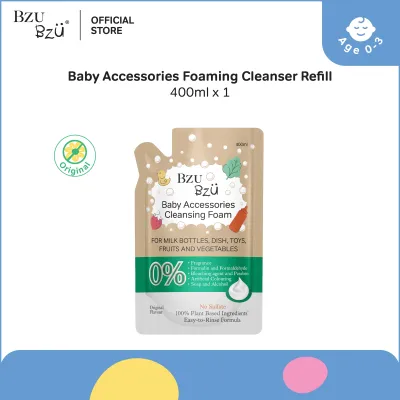
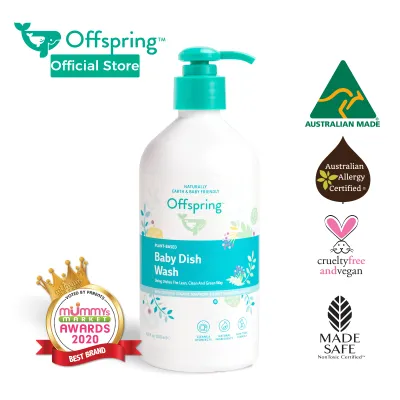
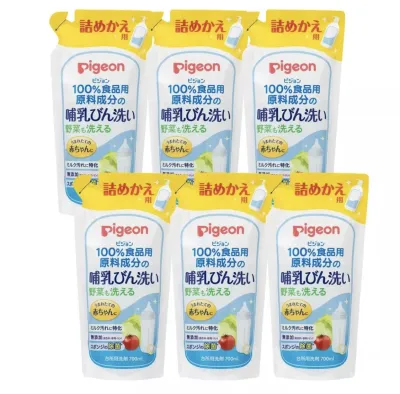
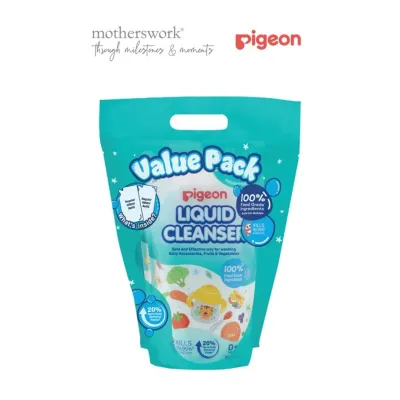
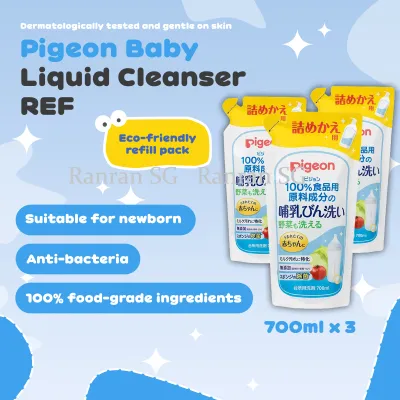
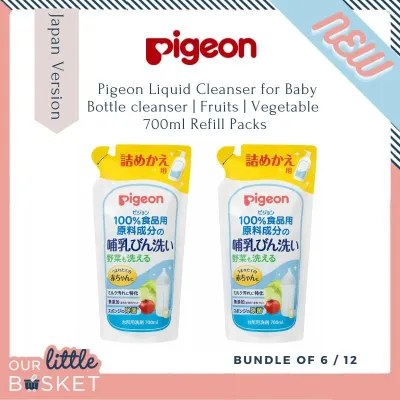
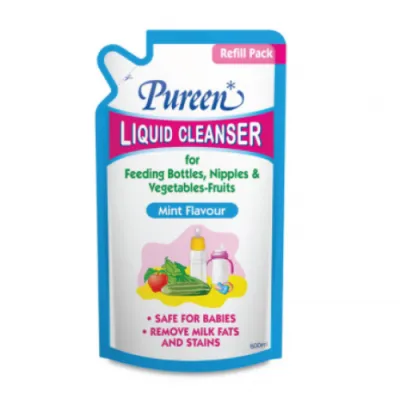
Prices are valid at publication and may change. Please refer to the product page for the latest price.
How Glass, Plastic, and Silicone React to Cleansers
To make an informed choice, one must understand how different bottle materials interact chemically and physically with cleaning agents. Baby bottles are subjected to frequent washes, hot water exposure, and sterilization cycles. Each material has distinct surface properties that dictate how easily it releases milk fats, how prone it is to physical wear, and how it responds to chemical surfactants.

Glass Bottles
Glass remains a traditional favorite due to its exceptional chemical stability and non-porous structure. Because glass does not contain organic polymers, it does not absorb milk lipids, food colors, or chemical fragrances from washing agents. This stability allows parents to use a wider range of mild cleansers without worrying about chemical absorption or material cloudiness.
However, the primary vulnerability of glass is physical damage rather than chemical degradation. While the cleanser liquid itself will not harm the glass, using harsh, abrasive cleaning brushes or steel wool can create micro-scratches on the interior surface. Over time, these tiny scratches can weaken the structural integrity of the bottle, making it more susceptible to cracking or shattering during thermal shock—such as when moving a cold bottle directly into a hot bottle warmer.
Plastic Bottles (BPA-Free)
Modern plastic baby bottles are made from lightweight, shatterproof materials like polypropylene (PP), polyethersulfone (PESU), or polyphenylsulfone (PPSU). While these BPA-free plastics are highly convenient, they are significantly softer than glass and highly susceptible to micro-scratches. Even a standard nylon bottle brush can create microscopic grooves on the inner walls where bacteria and milk proteins can accumulate, out of reach of standard rinsing.
Furthermore, plastic is an organic polymer that can absorb strong synthetic fragrances and chemical compounds over time. Using heavily scented household dish soaps can cause plastic bottles to retain a soapy perfume, which can taint the taste of breast milk or formula. Over multiple wash and heat cycles, inappropriate chemical exposure can also accelerate material degradation, resulting in a cloudy appearance, brittleness, and the eventual need for premature replacement.
Silicone Bottles and Components
Food-grade silicone is widely praised for its soft, breast-like texture and high heat resistance, making it a popular choice for both bottle bodies and nipples. However, silicone is microscopically porous. This unique physical structure makes it highly prone to absorbing hydrophobic substances, particularly milk lipids (fats) and strong synthetic fragrances.
When silicone components are washed with standard detergents, the porous surface can trap both the residual milk fats and the chemical fragrances of the soap. This leads to a persistent greasy film and a strong chemical odor that is incredibly difficult to wash away. Consequently, silicone requires specialized cleansers that can lift and emulsify milk fats effectively without relying on heavy artificial fragrances or aggressive chemical surfactants that the material will inevitably trap and transfer to the baby’s milk.
Comparing Common Bottle Cleanser Formulations
Walking down the baby care aisle, parents are faced with a dizzying array of specialized cleaning products. To choose the right bottle cleanser, it is helpful to categorize them by their active ingredients and mechanical actions. Understanding these formulations allows you to match the chemical properties of the soap with the physical needs of your bottle collection.
Plant-Based and Enzyme Cleansers
Plant-based and enzyme cleansers represent the gold standard for modern baby bottle hygiene. These formulas leverage natural enzymes, such as amylase and protease, which are specifically targeted to break down the organic bonds of milk proteins and fats. Instead of relying on aggressive scrubbing, the enzymes digest the organic residue, allowing it to be easily rinsed away with water.
These formulations are typically derived from renewable plant sources like coconut or corn and are formulated to be completely fragrance-free or very lightly scented with natural extracts. Because they do not rely on harsh synthetic degreasers, they are exceptionally gentle on soft materials. This makes them the premier choice for silicone nipples and plastic bottles, as they eliminate stubborn milk film and prevent odor retention without compromising the structural integrity of the polymers.
Mild Surfactant Cleansers
Mild surfactant cleansers are the most common baby bottle washes available. They utilize gentle, food-grade synthetic or semi-synthetic surfactants (such as decyl glucoside or coco-glucoside) to lower the surface tension of water. This action allows the soapy solution to lift grease and suspend it in water so it can be washed away.
These cleansers are highly effective for daily washing and work exceptionally well on glass bottles, where milk fats sit on a non-porous surface and are easily lifted. While they are safe for general use, they do require meticulous rinsing to ensure no soapy residue remains on the bottle walls. For busy parents, these formulas offer a reliable, fast-acting cleaning solution, though they may require slightly more water and rinsing effort compared to enzyme-based alternatives when used on plastic or silicone.
Antibacterial or Sterilizing Cleansers
Some specialized bottle cleansers contain added antibacterial agents or sanitizing chemicals designed to kill pathogens during the wash phase. While the promise of killing bacteria sounds appealing to concerned parents, these formulations often contain stronger chemical agents that may not be necessary for daily bottle maintenance.
If you follow standard sanitization protocols—such as using a steam, UV, or boiling water sterilizer after washing—an antibacterial cleanser is generally redundant. Moreover, these stronger chemical agents can leave behind persistent chemical residues or strong medicinal scents. This makes them less ideal for porous silicone or soft plastics, which can absorb the sanitizing chemicals and potentially leach them into warm milk during subsequent feeds. If you choose to use an antibacterial wash, verify that it is explicitly labeled as food-contact safe and designed for infant feeding equipment.
How to Match Cleansers to Your Bottle Material
Choosing the correct product involves evaluating your primary bottle material and establishing a safe, efficient cleaning routine. If your household uses a mix of glass, plastic, and silicone, your cleaning strategy should always be dictated by the most delicate material in your collection to prevent damage and residue build-up.
To simplify your decision, consider this conditional framework:
- Choose Plant-Based/Enzyme Cleansers if: Your bottle inventory consists primarily of silicone bottles, silicone nipples, or plastic bottles that have begun to retain a stale, milky odor. These cleansers excel at breaking down stubborn milk fats without leaving heavy chemical scents that silicone or plastic will trap.
- Choose Mild Surfactant Cleansers if: You use glass bottles exclusively, or if you need a quick, reliable daily wash for a mixed collection of glass and plastic, provided you commit to a thorough multi-step rinsing process.
- Avoid Harsh/Antibacterial Cleansers if: You are washing silicone nipples, silicone bottle bodies, or soft plastic bottles. The aggressive chemical agents can degrade these flexible materials over time, causing them to become brittle, sticky, or permanently scented with chemical residues.
The following comparison table outlines how these three primary cleanser types perform across key operational dimensions:
| Cleanser Type | Best Material Match | Fat-Breaking Power | Rinsing Effort Required | Risk of Odor Trapping |
|---|---|---|---|---|
| Plant-Based / Enzyme | Silicone, Plastic, Glass | High (Targets milk proteins) | Low to Moderate | Very Low |
| Mild Surfactant | Glass, Rigid Plastic | Moderate to High (Lifts grease) | Moderate (Requires thorough rinse) | Low to Moderate |
| Antibacterial / Sanitizing | Glass, Heavy-Duty Plastic | Moderate | High (Must remove chemical residues) | High (In porous materials) |
When managing a mixed collection of bottles, the safest operational rule is to match your cleanser to the most sensitive component. For example, even if you feed your baby using glass bottles, those bottles will almost certainly feature silicone nipples and plastic collar rings. Because the silicone nipples are highly porous and prone to absorbing odors, you should select a plant-based, fragrance-free enzyme cleanser for the entire bottle assembly. This protects the delicate silicone components from trapping soapy tastes while still ensuring the glass bottle body is thoroughly cleaned.
Safety Checks and Residue Prevention
Regardless of the cleanser you select, proper washing technique is the most critical factor in ensuring your infant’s safety. Many products on the market advertise “easy-rinse” or “no-residue” formulas, but parents must never bypass a thorough rinsing step. In Singapore’s humid environment, any microscopic film of organic matter or soap residue left behind can quickly become a breeding ground for bacteria or cause mild digestive upset in developing infants.
To ensure your bottles are completely free of residue, perform these three simple physical checks after every wash:
- The Visual Inspection: Hold the washed, dry bottle up to a bright light source. Check for any cloudy patches, white film, or water spots. A clean bottle should be completely transparent. If you notice a hazy film, it indicates that milk fats or soap minerals have not been fully rinsed away.
- The Smell Test: Sniff the interior of the bottle and the silicone nipple after they have dried. There should be absolutely no smell—neither the sour scent of old milk nor the floral perfume of a dish soap. If you detect any scent, the material has absorbed residues and requires re-washing with a fragrance-free formula.
- The Touch Test: Run a clean, washed finger along the inside walls of the bottle. The surface should feel squeaky clean and completely smooth. If the surface feels slick, greasy, or slightly sticky, a layer of milk lipid or chemical surfactant is still present.
Caregivers must also remain vigilant for signs that indicate it is time to change your cleaning product or replace your feeding equipment entirely. If your baby suddenly begins refusing the bottle or fussing during feeds, it may be due to an unpleasant soapy taste trapped in the silicone nipple. Additionally, if plastic bottles become permanently cloudy, yellowed, or show visible inner scratches, they should be replaced immediately, as these physical defects can harbor pathogens that standard washing cannot reach.
Before starting any new cleaning regimen, always cross-reference the manufacturer’s care instructions for both the specific bottle brand and the cleanser label. Pay close attention to recommended dilution ratios, water temperatures, and warnings regarding age-specific use or material limitations to keep your baby’s feeding equipment in optimal condition.
Frequently Asked Questions (FAQ)
Can I use regular dish soap instead of a dedicated baby bottle cleanser?
Using standard household dish soap is not recommended for baby bottles, especially those made of plastic or silicone. Regular dish soaps are formulated to tackle heavy, cooked-on grease from adult meals, and they frequently contain strong synthetic surfactants, artificial colorants, and concentrated fragrances. These harsh chemicals can quickly degrade soft baby bottle plastics and porous silicone, leaving behind a persistent chemical residue and a strong soapy perfume that can alter the taste of breast milk or formula. Dedicated baby bottle cleansers are specifically formulated with milder, food-grade ingredients designed to target milk proteins and rinse away cleanly without leaving harmful residues.
Do I need to sterilize bottles if I use an antibacterial bottle cleanser?
Yes, using an antibacterial bottle cleanser does not replace the necessity of a dedicated sterilization step. Washing with a cleanser is designed to physically remove organic matter, milk fats, and proteins from the bottle surfaces, which is a crucial first step. However, sterilization—whether through steam, UV light, or boiling water—uses high heat or specific wavelengths to destroy microscopic pathogens, viruses, and bacterial spores that may survive the washing process. For newborns, premature infants, or babies with developing immune systems, proper sterilization remains a vital safety protocol that must be performed after the bottles have been thoroughly washed and rinsed.
Community discussion
Share your experience or ask a question. Comments are reviewed before publication.