
Transitioning a toddler from the protective enclosure of a baby cot to a larger bed is a significant developmental milestone. In Singapore, where families navigate a variety of bed setups—ranging from space-saving single frames to low-profile platform beds—selecting the right bed support rail is essential for preventing nighttime falls. A high-quality bed support rail serves as a temporary physical boundary, offering reassurance to both parents and toddlers during this adjustment phase. However, choosing and installing a rail requires careful attention to safety standards, bed compatibility, and local climate factors to ensure a secure sleep environment.
When exploring options in local retail stores or online marketplaces, parents must prioritize structural integrity and a snug fit over aesthetics. An ill-fitting bed rail can introduce serious hazards, such as entrapment gaps, which pose severe risks to young children. By understanding the specific design features, dimensions, and installation requirements suitable for Singaporean homes, you can make an informed decision that keeps your child safe throughout the night.
Understanding Bed Rail Safety and Age Appropriateness
Determining when to introduce a bed support rail depends heavily on your child’s developmental readiness and age. Generally, bed rails are designed for toddlers between the ages of 18 months and 5 years. Before this stage, infants do not possess the motor skills or strength to extricate themselves if they roll into a gap, making bed rails highly dangerous for children under 18 months. Always verify the specific manufacturer guidelines regarding age, weight, and height limits before installing any product.
Products mentioned in this guide
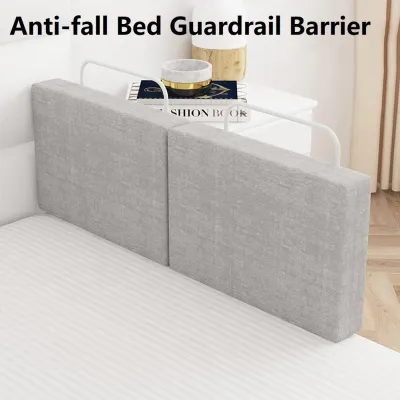
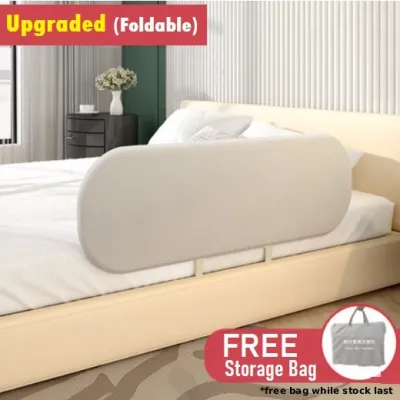
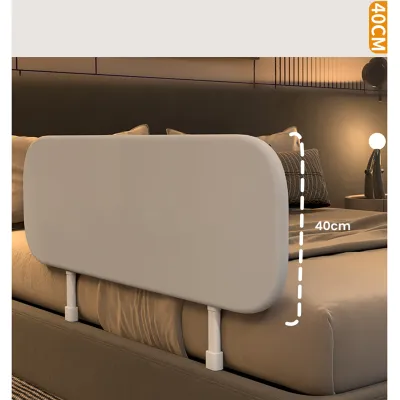
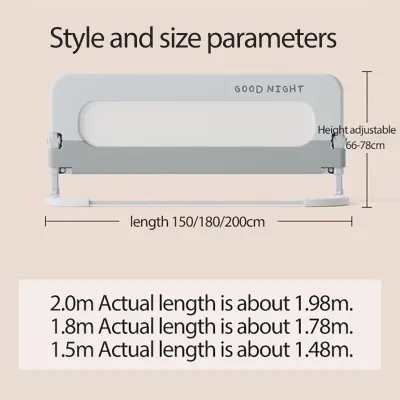
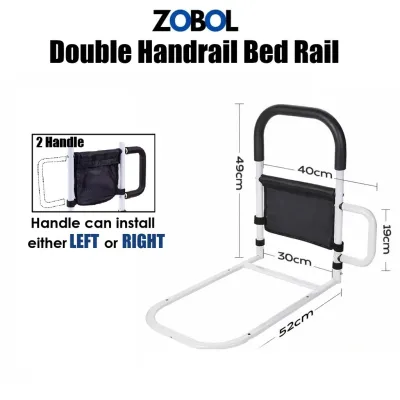
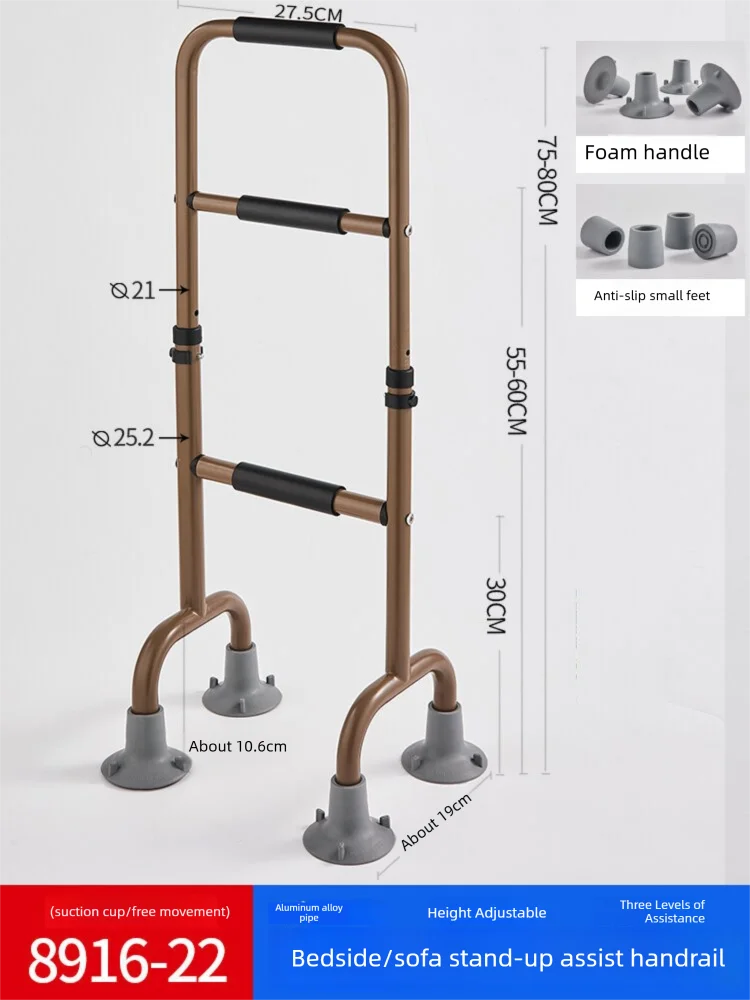
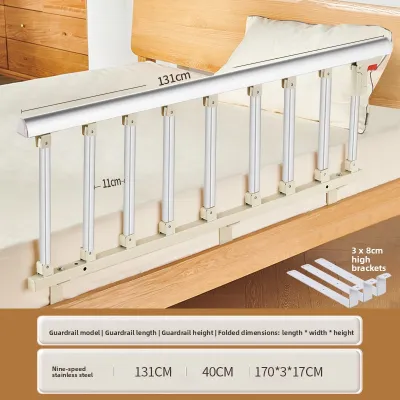
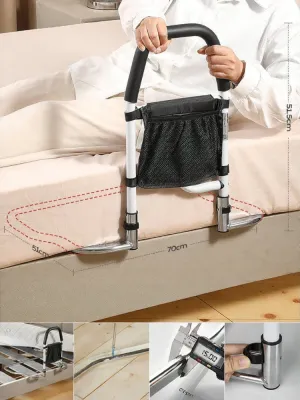
Prices are valid at publication and may change. Please refer to the product page for the latest price.
Using bed rails as a substitute for a crib or bassinet is a critical safety error. Cribs are engineered with strict slat spacing and high sides to contain infants safely without any risk of entrapment. Bed rails, by contrast, rely on the tension between the rail and an adult mattress. If used for an infant, the baby can easily slip into the space between the mattress and the rail, leading to severe suffocation hazards. Bed rails must only be installed on beds intended for older toddlers who are already capable of climbing in and out of bed independently.
Active adult supervision remains vital during the initial transition period. Even with a secure rail in place, parents should observe how their toddler interacts with the new sleeping arrangement during naps and early evening hours. Assess whether your child attempts to climb over the rail, as this behavior elevates the risk of a fall from a greater height. If a toddler regularly tries to scale the barrier, it may be safer to remove the rail entirely and transition to a low floor bed.
Physically and psychologically, moving to a “big kid” bed is a major adjustment. Toddlers are accustomed to the physical boundaries of cot walls, and the sudden open space of a single or queen mattress can feel disorienting. A bed support rail provides a familiar sense of security, preventing accidental roll-offs during active sleep cycles. It is important to view the rail as a temporary training tool rather than a permanent fixture; its primary purpose is to help your child develop spatial awareness while sleeping.
Essential Features to Look for in a Toddler Bed Rail
Evaluating a bed support rail requires a close inspection of its safety and structural components. The most critical element is the attachment mechanism. Look for rails that feature robust anchoring systems, such as heavy-duty straps that thread underneath the mattress and secure to an anchor plate on the opposite side of the bed frame. Designs that rely solely on the weight of the mattress to hold the rail in place can shift over time, creating dangerous gaps. A secure anchor system ensures the rail remains immovably flush against the mattress edge.

Material selection is another key consideration, particularly given Singapore’s warm and humid tropical climate. Mesh fabric panels are highly recommended for local homes. The breathable mesh allows for optimal airflow, which helps prevent your child from overheating during sleep, especially in rooms where air conditioning is turned off or set to a moderate temperature. Additionally, mesh panels provide excellent visibility, allowing you to check on your sleeping toddler from the doorway without rustling sheets or disturbing their rest.
Before purchasing, you must measure your mattress dimensions and compare them against the bed rail’s specifications. Singapore mattress sizes differ slightly from Western standards, with a standard Single measuring 91 cm by 190 cm, a Super Single at 107 cm by 190 cm, and a Queen at 152 cm by 190 cm. Ensure the rail length leaves adequate clearance at both the headboard and footboard—typically at least 25 cm on either end—to prevent a child from becoming trapped in the corners. You must also measure your mattress thickness, as many rails are designed specifically for standard mattresses and may not fit securely on extra-thick luxury pillow-top models.
Ease of use daily is a practical factor that impacts your household routine. Many modern mesh rails feature a fold-down or slide-down mechanism, allowing the barrier to drop below the level of the mattress when not in use. This feature is incredibly convenient for making the bed, changing bedsheets, and sitting on the edge of the bed to read stories with your child. Ensure the release buttons require a two-step physical action or sufficient force so that a curious toddler cannot accidentally trigger the mechanism from the inside.
Common Types of Bed Support Rails and Their Best Use Cases
To find the most suitable option for your home, it helps to understand the distinct categories of bed rails available on the market. Different designs cater to specific bed frames, bedroom layouts, and sleeping habits.
Fold-Down Mesh Bed Rails
Fold-Down mesh bed rails are the most popular and versatile choice for modern Singaporean households. These rails feature a metal frame covered in soft, durable fabric and a central mesh window. They are designed to slide deep under the mattress, utilizing anchor straps to clamp the unit tightly against the bed base. This style is highly compatible with standard elevated bed frames, including Single, Super Single, and Queen sizes.
The primary benefit of this type is the folding hinge mechanism. With the press of safety buttons, the rail swings downward 180 degrees, hanging flat against the side of the bed frame. This makes daily bed-making straightforward and allows parents to sit comfortably on the mattress during bedtime routines. It also facilitates easier transitions when lifting a sleeping child into bed.
When choosing a fold-down model, the critical safety check is verifying that the hinge locks automatically and securely when returned to the upright position. There must be an audible click or a visible indicator showing the lock is engaged. Additionally, ensure your bed frame design allows the hinge to rotate freely; some recessed or divan-style bed frames have outer lips that can block the folding path of the hinge, preventing it from dropping down properly.
Fixed Wooden or Metal Bed Rails
Fixed wooden or metal bed rails offer a classic, highly sturdy alternative. These rails do not fold down; instead, they remain permanently upright once installed. They are commonly constructed from solid timber, such as pine or beech, or powder-coated steel, making them an excellent match for wooden toddler beds or Scandinavian-style kids’ furniture.
The main advantage of a fixed rail is its rigid, unyielding structure. Because there are no moving hinges or flexible fabric panels, these rails do not deflect or bend when an active toddler leans or rolls heavily against them. This rigidity provides exceptional security for children who move vigorously during their sleep. The solid construction also tends to have a longer lifespan, resisting wear and tear over years of use.
However, the lack of a fold-down mechanism means that daily tasks, such as tucking in fitted sheets or lifting a heavy toddler, require more physical effort. These rails often bolt directly to the wooden slats or side rails of a specific toddler bed frame rather than relying on under-mattress straps. Because of this, they require precise compatibility with the bed frame’s dimensions and cannot easily be transferred to standard adult guest beds or hotel beds during travel.
Foam Bed Bumpers and Portable Alternatives
Foam bed bumpers represent a minimalist, highly portable approach to bedtime safety. These products consist of firm, slip-resistant foam wedges or semi-cylindrical bolsters that sit directly on top of the mattress. They are held securely in place by placing them underneath a tight-fitting fitted sheet, which presses the foam firmly against the mattress surface.
These bumpers are ideal for travel, temporary sleeping arrangements, or transition phases where a child sleeping on a low floor bed simply needs a gentle physical cue. Because they lack hard metal frames, hinges, or brackets, there is zero risk of mechanical failure, and they do not create hard edges that a child could bump into. They are also lightweight and can often be rolled up or folded into a travel bag.
Despite their convenience, foam bumpers have distinct limitations. They offer a much lower barrier height compared to mesh or wooden rails, meaning they are easily scaled or rolled over by highly active sleepers. If your toddler rolls with significant momentum or enjoys climbing, a foam bumper will not provide sufficient physical containment. They are best reserved for older toddlers who have already developed basic spatial boundaries but still benefit from a subtle tactile reminder of where the mattress edge ends.
Installation, Maintenance, and Daily Safety Checks
Proper installation is the single most important factor in ensuring a bed support rail functions safely. Always begin by thoroughly reading the manufacturer’s instruction manual. When installing an under-mattress rail, extend the anchor straps fully across the width of the bed base. Secure the anchor plates tightly against the opposite side of the bed frame or box spring. The tension must be adjusted so that the vertical rail is pulled tightly against the side of the mattress, leaving no room for movement.
Once installed, you must perform the “Gap Test” before letting your child sleep in the bed. Try to push your hand or a rolled-up towel between the mattress and the inside of the bed rail. If a gap of more than 2 to 3 centimeters opens up, or if the rail deflects outward easily under pressure, the installation is unsafe. The rail must press so firmly against the mattress that it is impossible for a child’s head, neck, or torso to slip into a crevice. Re-tighten the anchor straps and re-test until the connection is completely rigid.
In Singapore’s humid climate, routine maintenance is essential to prevent material degradation and maintain hygiene. High humidity levels can encourage mold or mildew growth on fabric and mesh panels, while metal hinges may develop rust over time. Inspect the bed rail weekly for any signs of loose screws, frayed anchor straps, or weakened plastic joints. Wipe down the metal and plastic frame components with a damp cloth and mild, baby-safe soap, ensuring the unit dries completely in a well-ventilated area or under a ceiling fan before reassembling.
You must also recognize when it is time to retire the bed rail. If your child reaches the manufacturer’s maximum weight or height limit, the structural integrity of the rail can no longer be guaranteed. Furthermore, if your toddler is capable of easily climbing over the rail, the barrier becomes a climbing hazard rather than a safety feature. Once your child consistently wakes up in the same position and demonstrates good spatial awareness during sleep, you can confidently remove the rail, celebrating another successful step in their developmental journey.
Frequently Asked Questions (FAQ)
Can I use a bed rail on a bunk bed or a bed without a frame?
No, aftermarket bed rails are generally unsafe for use on the top bunk of a bunk bed. The fall height from a top bunk is significant, and standard toddler bed rails are not designed to withstand the unique structural requirements or height safety margins of elevated beds; bunk beds must only use the integrated guardrails provided by the manufacturer. Similarly, using under-mattress rails on frameless floor beds or simple mattresses placed directly on the floor is highly discouraged. Without a solid bed frame or heavy slatted base to anchor the tension straps, the rail can easily shift, slide outward, and create dangerous entrapment gaps.
Are foam bed bumpers safe for active toddlers who roll a lot?
Foam bed bumpers are generally not recommended for highly active toddlers who roll vigorously throughout the night. Because foam bumpers rely solely on the tension of a fitted sheet to stay in place, a heavy or forceful roll can displace the bumper or allow an active child to roll right over the top of the low barrier. For children who move extensively during sleep, a tall, securely anchored mesh or fixed wooden rail is a much safer option. Foam bumpers are best suited for older toddlers who are gentle sleepers and only require a mild physical boundary to remind them of the mattress edge.
How do I clean a mesh bed rail in Singapore's humid climate?
To clean a mesh bed rail in Singapore’s humid weather, start by checking the manufacturer’s care label to see if the fabric cover is removable and machine-washable. If it is, wash it on a gentle cycle with a mild, baby-safe detergent. For non-removable covers, spot-clean the mesh and frame using a soft sponge, warm water, and mild soap. After cleaning, it is absolutely critical to air-dry the rail completely in a well-ventilated space, ideally near an open window or under a fan, to prevent the development of mold, mildew, or musty odors. Do not reinstall the fabric cover onto the frame while it is still damp.
Community discussion
Share your experience or ask a question. Comments are reviewed before publication.