
Managing a child’s school routine in Singapore often feels like a daily exercise in logistics. From early morning school runs to afternoon student care, tuition classes, and weekend enrichment activities, children constantly transition between different environments. A quality bag in bag organizer simplifies this process by keeping schoolbooks, stationery, water bottles, and personal items neatly structured within a single, removable unit. Instead of emptying and repacking an entire backpack every time your child switches from school to tuition or a weekend outing, they can simply lift the organizer out and drop it into another bag.
Beyond convenience, these organizers address a common concern for Singaporean parents: the physical strain of heavy school bags. By keeping items upright and preventing them from slumping to the bottom of the bag, a structured insert helps distribute weight more evenly across your child’s back. This guide explains how to select the right organizer, what key specifications to verify, and how to choose the best option based on your child’s daily schedule.
Why a Bag-in-Bag Organizer Simplifies Kids' Daily Routines
Singaporean primary school students often carry a demanding load of textbooks, assessment books, A4 worksheets, and digital learning devices. Without proper internal organization, these items naturally slide around, causing the backpack to sag and pull backward. A bag-in-bag organizer acts as an internal skeleton for the backpack. By holding books flat and upright against the back panel, it keeps the bag’s center of gravity close to the child’s body, which helps maintain better posture and reduces shoulder strain.
Products mentioned in this guide
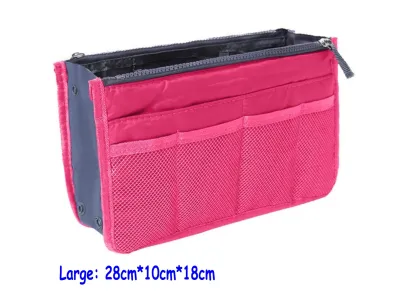
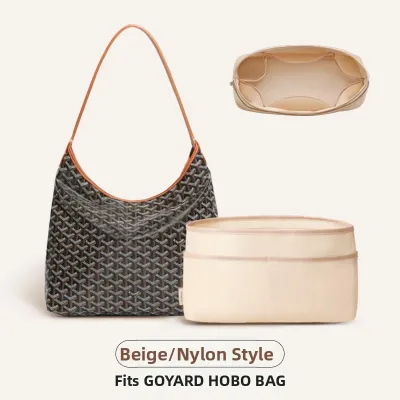
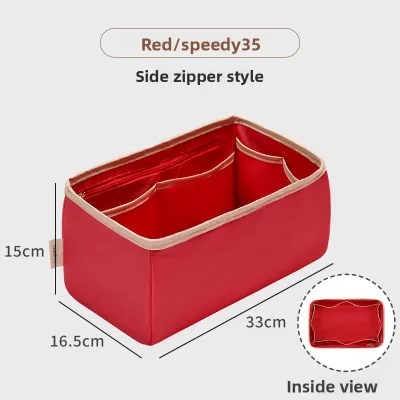
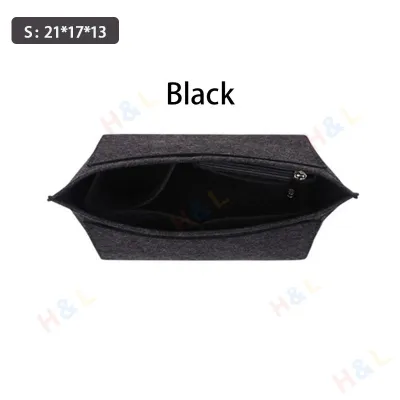
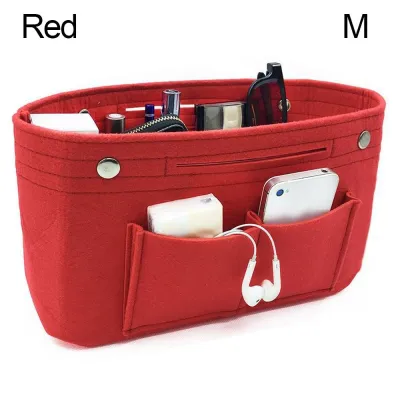
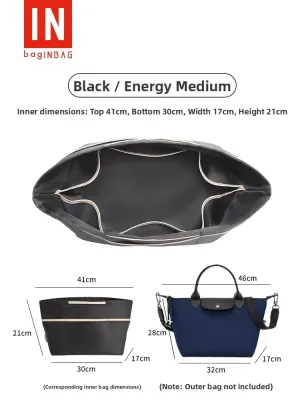
Prices are valid at publication and may change. Please refer to the product page for the latest price.
In addition to improving weight distribution, these inserts protect expensive school supplies. Softcover worksheets and drawing blocks are easily crumpled or torn when squeezed alongside bulky lunchboxes or water bottles. Dedicated compartments within an organizer keep papers pristine and separate from food or drink containers, reducing the risk of accidental spills ruining homework.
Finally, the organizer streamlines transitions between different activities. Many children attend tuition or enrichment classes immediately after school or on weekends, requiring a completely different set of materials. Instead of managing multiple loose items and risking left-behind homework, your child can quickly transfer their entire study setup from a large school backpack to a smaller tuition tote bag in one swift motion.
What to Check Before Buying a Bag Organizer for Your Child
Before purchasing a bag organizer, parents must evaluate several practical and safety-focused criteria to ensure the product is suitable for daily use by a child.

- Empty Weight: The base weight of the organizer is critical. Since school bags are already heavy, the insert itself should add negligible weight. Look for lightweight materials such as high-density polyester, thin nylon, or lightweight felt. Avoid heavy, thick canvas or inserts with rigid metal frames that add unnecessary bulk.
- Dimensions and Fit: Do not rely on generic size labels like "Medium" or "Large." Measure the internal height, width, and depth of your child's current school backpack. Compare these measurements directly with the organizer's external dimensions. Ensure you leave at least 1 to 2 centimeters of clearance at the top and sides so the backpack zipper can close smoothly without catching on the corners of the insert.
- Material and Safety Labels: Because children handle these organizers daily, material safety is paramount. Check the manufacturer's product page or packaging labels to verify that the materials are non-toxic, BPA-free, and lead-free. Given Singapore's humid climate, look for water-resistant coatings or fabrics that resist mold and are easy to wipe clean. If a product lacks clear material safety disclosures, contact the manufacturer to verify compliance before purchasing.
- Age and Ergonomic Limits: Verify the manufacturer's recommended age range and weight limits for the organizer. Be cautious of products marketed with vague "spine-protecting" or "ergonomic" labels. True ergonomic benefits come from how the organizer is structured and packed, not from marketing terms. Ensure the organizer has a flat, stable base and a design that encourages packing heavy items close to the child's back.
Best Bag-in-Bag Organizers Categorized by Daily Use
To help you find the right fit, we have categorized the top organizer styles available in Singapore based on their structural design, material properties, and primary use cases.
Best for Heavy School Textbooks (Structured and Padded)
For upper primary students who carry thick textbooks, heavy ring files, and personal tablets, a highly structured and padded organizer is essential. These inserts are designed to maintain their shape even under heavy loads, preventing books from slumping and damaging the backpack’s base.
An excellent example of this category is the Fjallraven Kanken Organizer. While designed specifically to fit Kanken backpacks, its rigid back panel and structured pockets make it highly effective for a wide range of standard school backpacks of similar dimensions. The insert features a stiff backboard that slides easily into the back sleeve of a backpack, providing immediate structural support. It includes dedicated slots for A4 files, a zippered pocket for small valuables, and pen holders, keeping high-use items easily accessible at the top of the bag.
Another reliable option is a Structured Felt Backpack Insert (commonly available from specialized bag accessory brands in Singapore). High-quality felt inserts provide natural cushioning, which helps protect tablets or laptops from impact without the need for heavy plastic plates.
- Target Scenario: Daily primary school use where the primary goal is organizing heavy textbooks, assessment books, and digital devices.
- Key Features: Stiff back panel, padded compartments, dedicated sleeve for tablets or A4 files, and a flat, reinforced base.
- Limitations and Verifications: Structured inserts are bulkier and less flexible, meaning they cannot be easily folded or squeezed into smaller, non-standard bags. Parents must measure the backpack's interior carefully to ensure a snug but unforced fit. Always check the manufacturer's guidelines regarding weight limits to avoid overloading the seams.
Best for Outings and Wet Items (Water-Resistant and Easy-Clean)
For weekend outings, sports activities, art classes, or rainy days, children need an organizer that can handle damp umbrellas, leaking water bottles, or messy art supplies without soaking the rest of the bag.
In this category, the Delfonics Inner Carrier (specifically the water-resistant nylon or polyester variants) is a highly regarded choice. It is constructed from durable, wipeable synthetic fabric and features multiple external and internal pockets. The water-resistant material ensures that minor spills from a water bottle or a damp hand towel are contained within the organizer, preventing liquid from seeping through to the outer backpack.
For younger children, look for organizers made from TPU (thermoplastic polyurethane) or laminated polyester, which offer excellent water resistance and can be easily wiped clean with a damp cloth after a day at the park or beach.
- Target Scenario: Co-curricular activities (CCAs), swimming sessions, art classes, outdoor family excursions, or rainy-day school commutes.
- Key Features: Water-resistant or waterproof fabrics, wipeable interior linings, external mesh pockets for quick-drying items, and secure zipper closures.
- Limitations and Verifications: These organizers typically offer less structural padding than felt or board-backed models, meaning they may not keep heavy textbooks perfectly upright if the organizer is only half-full. Always check the manufacturer's care instructions; many water-resistant coatings can be damaged by machine washing and must only be spot-cleaned.
Best for Quick Bag Transitions (Lightweight and Flexible)
If your child frequently switches between a large school backpack, a lightweight tuition tote, and a compact weekend daypack, a highly flexible and lightweight organizer with integrated handles is the most practical choice.
The MUJI Nylon Mesh Bag-in-Bag is a standout option in this category. Made from lightweight yet durable nylon mesh, it adds virtually no weight to the child’s load. The mesh material provides excellent visibility, allowing children to quickly locate stationery, keys, or cards without rummaging through deep pockets. It features sturdy top handles, making it incredibly easy for a child to lift the entire unit out of one bag and drop it into another.
Another flexible option is a lightweight ripstop nylon organizer. These inserts are highly pliable, allowing them to conform to the unique shapes of different bags, such as drawstring gym bags or soft-sided duffels.
- Target Scenario: Children who attend multiple after-school tuition classes or activities and need to transfer their basic stationery, notebooks, and personal items between different bags quickly.
- Key Features: Ultra-lightweight construction, flexible materials, transparent or semi-transparent mesh pockets, and durable, easy-to-grip top handles.
- Limitations and Verifications: These models lack rigid structural support and will sag if packed with heavy, unsupported items. They offer minimal impact protection for delicate electronics. Parents should inspect the stitching on the handles to ensure they can support the weight of the packed items during transfers.
Quick Comparison of Organizer Types for Kids
To help you decide which style best fits your child’s routine, the table below summarizes the key differences between the three main types of bag-in-bag organizers.
| Organizer Type | Ideal Scenario | Key Feature to Verify | Potential Limitation |
|---|---|---|---|
| Structured & Padded (e.g., Felt or Board-Backed) | Carrying heavy school textbooks, assessment books, and tablets daily. | Rigid back support and precise external dimensions. | Bulkier profile; cannot be folded or easily compressed. |
| Water-Resistant & Easy-Clean (e.g., Coated Nylon/TPU) | Outdoor outings, sports, art classes, and rainy days. | Wipeable interior lining and water-resistant zippers. | Limited impact padding; less structural support for heavy books. |
| Lightweight & Flexible (e.g., Nylon Mesh) | Quick transitions between school, tuition, and weekend bags. | Sturdy top transfer handles and transparent pockets. | May sag or lose shape if overloaded with heavy items. |
Practical Tips for Packing and Cleaning the Organizer
To maximize the lifespan of the organizer and ensure it supports your child’s physical well-being, follow these practical packing and maintenance guidelines.
Weight Distribution
When packing the organizer, always place the heaviest items—such as thick textbooks, dictionaries, or tablets—in the compartments closest to the back panel. Lighter items, such as pencil cases, notebooks, and tissue packets, should go in the middle and front pockets. This packing method ensures that the heaviest load remains closest to the child’s spine, preventing the backpack from pulling backward and reducing the risk of shoulder and neck strain.
Routine Maintenance
Establish a weekly routine with your child to empty the organizer completely. Singapore’s busy school week can lead to a buildup of crumpled worksheets, snack crumbs, and loose stationery at the bottom of the pockets. Regular decluttering prevents the organizer from becoming unnecessarily heavy and helps your child develop good organizational habits.
Cleaning Boundaries
Always refer to the manufacturer’s specific washing instructions before cleaning the organizer.
- Felt and Padded Organizers: These should typically never be machine washed or submerged in water, as moisture can warp the internal support boards or cause the felt to pill and lose its shape. Instead, spot-clean dirty areas using a damp cloth and a mild, fabric-safe detergent.
- Nylon and Mesh Organizers: While some simple nylon or mesh inserts can be hand-washed in cool water, they should always be air-dried completely in a well-ventilated, shaded area.
- Mold Prevention: Due to Singapore's high humidity, never pack a damp organizer back into a backpack. Ensure it is entirely dry to prevent mold and mildew growth, which can ruin both the insert and the school bag.
Frequently Asked Questions (FAQ)
Can a bag-in-bag organizer make a school bag too heavy?
Yes, if you choose an organizer made from heavy materials or one that is unnecessarily large. To prevent this, always check the empty weight of the organizer before buying. It should be lightweight (ideally under 200 to 300 grams for daily school use). Additionally, ensure that the total weight of the packed backpack—including the organizer, books, water, and lunchbox—does not exceed 10% to 15% of your child’s body weight, in line with standard health guidelines for school children.
How do I know if the organizer will fit inside my child's current bag?
To guarantee a proper fit, empty your child’s school bag completely and measure its internal height, width, and depth at the narrowest points (usually near the top zipper or corners). Compare these measurements with the external dimensions provided by the organizer’s manufacturer. The organizer should be at least 1 to 2 centimeters smaller than the internal space of the bag on all sides. This clearance ensures the organizer slides in easily and does not put pressure on the backpack’s zippers, which can cause them to split or break over time.
Community discussion
Share your experience or ask a question. Comments are reviewed before publication.