
Potty training is a landmark developmental milestone that requires patience, consistency, and the right equipment. For families in Singapore, navigating this transition involves unique considerations, such as managing compact bathroom layouts in HDB flats or condominiums and ensuring safety on wet tiled floors. Finding the right toilet seat baby training setup can significantly influence how comfortable and confident your toddler feels during this learning process.
To set your child up for success, it is important to understand the different types of potty training gear available, from space-saving seat reducers to approachable freestanding potty chairs. By evaluating safety features, ergonomic designs, and your child’s developmental readiness, you can select a solution that fits both your home environment and your toddler’s personality.
Toilet Seat Reducers vs. Freestanding Potty Chairs: Which is Right for Your Toddler?
When starting your potty training journey, the first major decision is choosing between a toilet seat reducer and a freestanding potty chair. A toilet seat reducer, often called an insert, is a contoured ring that fits directly onto your existing adult toilet bowl. It scales down the size of the opening so your toddler can sit securely without the fear of falling in. On the other hand, a freestanding potty chair is a self-contained, miniature toilet that sits directly on the floor.
Products mentioned in this guide
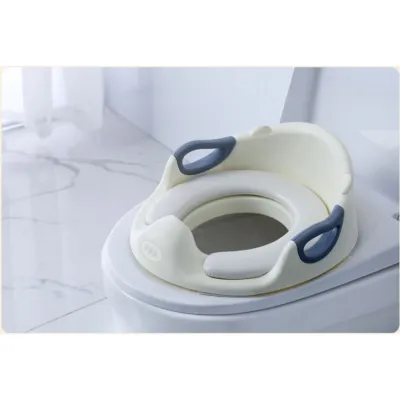
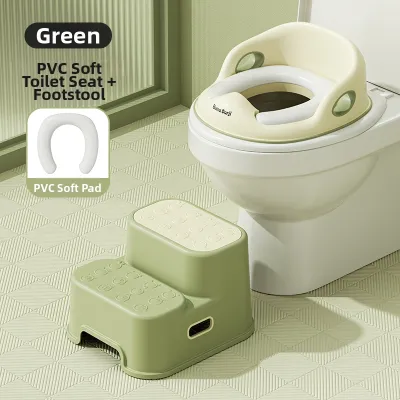
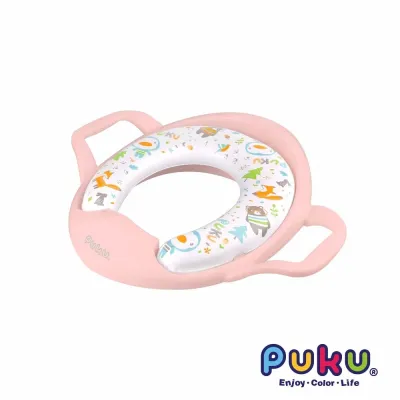
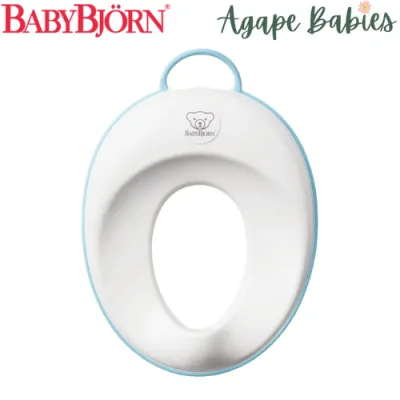
![[SG Stock] Baby Foldable Travel Potty Seat Kids Fodling Toilet Training Seat 12M+](https://img.lazcdn.com/g/p/54298d0cd77fc65e57e532664f2d523b.jpg_400x400q80.jpg_.webp)
Prices are valid at publication and may change. Please refer to the product page for the latest price.
Each option presents distinct advantages and disadvantages, particularly regarding space, hygiene, and psychological comfort. In Singapore’s typical high-rise apartments, space is often at a premium. Toilet seat reducers excel in compact environments because they require virtually no floor space; many designs can be hung on a wall hook or tucked behind the toilet when not in use. Freestanding potty chairs, while small, still occupy dedicated floor space, which can make a small bathroom feel cluttered.
From a cleaning perspective, toilet seat reducers are highly convenient for parents. Because the child uses the adult toilet, waste goes directly into the bowl, eliminating the need for manual emptying. You simply wipe down the seat reducer periodically. Freestanding potty chairs require a multi-step cleaning routine after every single use: you must dump the waste into the adult toilet, rinse the inner bowl, and sanitize it to maintain hygiene.
However, psychological acceptance is where freestanding potty chairs often have an advantage for hesitant beginners. Being low to the ground allows toddlers to plant their feet firmly on the floor, which provides physical stability and a strong sense of security. Sitting high up on an adult toilet with a seat reducer can be intimidating for a young child, potentially causing anxiety unless the setup is paired with a sturdy, non-slip step stool. From an anatomical perspective, having feet flat on a surface allows for a natural squatting posture, which relaxes the pelvic floor muscles and makes bowel movements easier.
Ultimately, your choice will impact how your child transitions from diapers to standard toilet use. Reducers familiarize children with the adult bathroom environment and the sound of flushing from day one, making the final transition seamless. Freestanding chairs require a two-step transition: first, teaching the child to use the miniature potty, and later, helping them overcome any fear of the larger adult toilet.
Essential Features to Look for in a Baby Toilet Seat
Selecting the right baby toilet seat requires looking beyond aesthetics to evaluate key functional features. Safety and stability must be your top priorities. A high-quality training seat should feature a robust non-slip rubberized base or an adjustable locking mechanism on the underside to prevent it from shifting while your child is mounting or sitting on it. A wobbly seat can easily startle a toddler, leading to toilet resistance. Additionally, integrated side handles or secure grips give children a physical point of contact to hold onto, which significantly boosts their confidence. Front splash guards are another essential safety and hygiene feature, particularly for boys, as they help redirect spray downward into the bowl.

Comfort and ergonomics play a vital role in encouraging your toddler to sit long enough to eliminate successfully. Look for a contoured design that supports the natural curve of a child’s spine, preferably with a slightly raised backrest. The seat material should feel comfortable and not overly cold against delicate skin. While cushioned or padded seats offer immediate comfort, caregivers must regularly inspect them for cracks or tears in the vinyl covering, as these crevices can trap moisture and harbor harmful bacteria. Sizing is equally critical; the seat must match your child’s physical build so they do not slide backward or feel pinched.
Ease of cleaning is a feature that directly impacts your daily routine. Opt for seamless designs with smooth plastic surfaces that can be wiped down quickly. Avoid seats with complex, hard-to-reach crevices or fabric elements that can trap urine and odor. If you choose a model with removable parts, ensure they disassemble and reassemble easily without compromising the structural integrity of the seat. The underside of the reducer should also be designed to prevent urine from seeping between the training seat and the adult toilet rim, which can create persistent hygiene issues.
Portability and storage are highly relevant factors for Singaporean households. Lightweight materials allow independent toddlers to handle the seat themselves, fostering a sense of autonomy. If you travel frequently or visit grandparents often, look for foldable designs that can fit into a standard diaper bag. For home use, a seat with a built-in hanging loop or a freestanding design that can stand upright on its edge will help keep your bathroom organized and uncluttered.
How to Match the Potty Seat to Your Bathroom and Toddler's Needs
Before purchasing any potty training equipment, it is essential to assess your specific bathroom setup and your child’s physical capabilities. Singaporean bathrooms, whether in older HDB flats or modern condominiums, often feature distinct layouts, such as wet-and-dry zones or compact powder rooms. Measure the dimensions and note the shape of your adult toilet seat—whether it is round, oval, or D-shaped—as many seat reducers are designed to fit specific profiles. Additionally, consider the height of your toilet bowl. Taller, modern toilets will require a higher, more stable step stool to ensure your toddler’s feet can rest flat, which is the anatomically optimal position for bowel movements. If multiple family members share a single bathroom, look for a reducer that is quick and easy to remove so adults are not inconvenienced.
Your child’s age, motor skills, and level of independence should also guide your selection. Younger toddlers, typically between 18 and 24 months, may lack the balance and coordination required to climb onto a tall adult toilet safely. For this developmental stage, a low-to-the-ground freestanding potty chair is often the safest and most accessible option. Conversely, older toddlers around 2.5 to 3 years old who are eager to copy adult behaviors will benefit more from a seat reducer paired with a sturdy step stool, allowing them to climb up and down independently.
When planning your transition strategy, look for equipment that reduces your child’s anxiety. If your toddler is frightened by the loud sound of a flushing toilet or the height of the seat, forcing them to use a reducer immediately can lead to setbacks. Introducing a freestanding potty in a dry area of the home, such as the living room, allows them to explore the concept of potty training in a low-pressure environment. As they build confidence, you can gradually move the potty closer to the bathroom and eventually transition to the adult toilet.
Top Potty Training Seat Categories for Different Family Lifestyles
To help you find the perfect match for your household, we have categorized the top potty training seats available in Singapore based on distinct family lifestyles and needs. When choosing a product, always verify the manufacturer’s specific guidelines, weight limits, and compatibility with your home fixtures.
Best for Compact Bathrooms: Foldable Toilet Seat Reducers
For families living in compact apartments where bathroom floor space is limited, foldable toilet seat reducers offer an excellent, space-saving solution. These inserts fold down into a compact shape, allowing you to store them out of sight when not in use, keeping your bathroom neat and functional.
- Puku Foldable Toilet Seat: This highly practical option folds into a compact size, making it easy to tuck away in a drawer or pack into a diaper bag for outings. It features non-slip pads on the underside to help secure it to standard adult toilet seats.
- Pros: Extremely compact, budget-friendly, and fits most standard round and oval toilets.
- Cons: The folding hinges require careful handling to avoid pinching; lacks a high backrest for extended sitting comfort.
- Verification Check: Parents must verify that the folding hinges are fully locked into the flat position before placing the child on the seat, and check that the non-slip pads align properly with their home toilet seat.
- Munchkin Portable Toilet Trainer: Designed with small gripping feet on the underside to prevent slipping, this lightweight seat folds flat and comes with a hygienic storage bag.
- Pros: Lightweight, easy to wipe clean, and highly portable.
- Cons: May feel slightly less stable on highly contoured or elongated adult toilet seats.
- Verification Check: Confirm that your adult toilet seat is flat enough to allow the gripping feet to make secure, even contact.
Best for Independent Climbers: Potty Seats with Step Stools
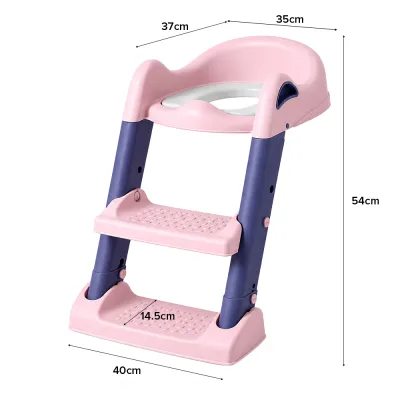
Integrated potty seats with attached step stools are ideal for toddlers who are eager to climb up and use the adult toilet independently. These systems provide a complete climbing solution that helps children feel secure while reaching the toilet.
- Richell Step Up Potty: This multi-stage training system from Japan is designed to grow alongside your child's development. It starts as a freestanding floor potty, transitions into a toilet seat reducer with supportive handles, and the base eventually converts into a sturdy step stool.
- Pros: Highly versatile, excellent ergonomic side handles, and a stable, wide-base step stool.
- Cons: Requires a larger initial investment; takes up more space than a simple seat insert.
- Verification Check: Carefully read the manufacturer's manual to verify the maximum weight capacity for each stage, particularly when using the base as a standalone step stool.
- BabyBjorn Toilet Trainer (paired with BabyBjorn Step Stool): This premium trainer features an adjustable dial on the underside, allowing you to customize the fit to your specific toilet seat to eliminate any wobbling. Pairing it with the brand's wide, non-slip step stool creates a highly secure climbing setup.
- Pros: Exceptionally stable, sleek design that is easy to hang, and high-quality materials.
- Cons: Premium price point; the seat and step stool must be purchased separately.
- Verification Check: Verify that your adult toilet seat shape (such as U-shape, O-shape, or square) is compatible with the trainer's underside adjustment dial.
Best for Travel and Outings: Portable Potty Inserts
Maintaining a consistent potty training routine can be challenging when you are away from home. Portable potty inserts are lightweight, travel-friendly solutions designed to fit public restrooms or function as emergency standalone toilets.
- OXO Tot 2-in-1 Go Potty: A favorite among on-the-go parents in Singapore, this versatile tool features legs that fold flat for use as a toilet seat reducer on public toilets, or lock securely into place to form a small, freestanding potty when paired with disposable liners.
- Pros: Rapid setup, highly compact, and dual-function design.
- Cons: Requires purchasing proprietary or compatible disposable liners for freestanding use.
- Verification Check: Always verify that the legs are locked firmly into the correct angle before allowing your child to sit, preventing accidental collapsing.
- Potette Plus 2-in-1 Potty: This lightweight travel potty folds flat and can be used as a trainer seat on standard toilets or as a standalone potty with disposable liners.
- Pros: Budget-friendly, extremely lightweight, and easy to clean.
- Cons: The plastic seat is relatively thin and may feel less comfortable for longer sitting sessions.
- Verification Check: Check that the side hinges are fully engaged and locked before use to support your toddler's weight safely.
Best for Hesitant Beginners: Freestanding Potty Chairs
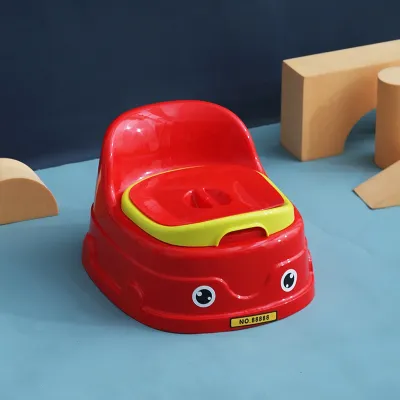
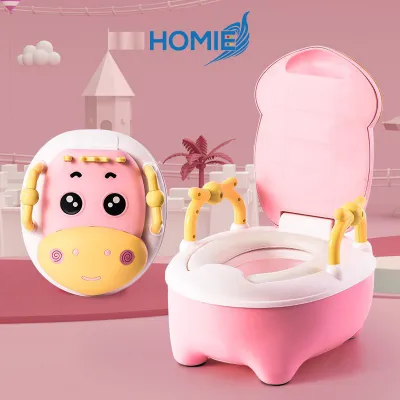
For toddlers who are intimidated by the height or sound of an adult toilet, freestanding potty chairs offer a low-pressure, approachable starting point. These floor-level units allow children to sit comfortably with their feet flat on the ground.
- BabyBjorn Potty Chair: Designed with a high backrest and supportive armrests, this ergonomic potty chair provides excellent comfort for toddlers. The inner potty bowl features a convenient front handle, making it easy to lift, empty, and clean.
- Pros: Highly stable, excellent ergonomic support, and simple two-piece design for easy cleaning.
- Cons: Larger footprint makes it bulky to store in small bathrooms.
- Verification Check: Ensure the non-slip rubber rim on the base is clean and free of soap residue to prevent sliding on wet bathroom tiles.
- Summer Infant My Size Potty: This innovative potty is designed to look like a miniature adult toilet, featuring a realistic flush sound button and a built-in wipe compartment to help children transition comfortably.
- Pros: Highly engaging, encourages role-play, and helps desensitize children to adult toilets.
- Cons: Electronic flush module requires batteries; larger physical footprint.
- Verification Check: Keep the electronic compartment dry to prevent water damage in humid bathroom environments, and regularly monitor battery compartment safety.
Crucial Safety Guidelines and Supervision Rules for Potty Training
While potty training is an exciting step toward independence, safety must remain your primary focus. Active caregiver supervision is absolutely mandatory at all times. Never leave a toddler unattended on a toilet seat reducer or a freestanding potty chair, even for a brief moment to grab a towel or a wipe. Toddlers can easily lose their balance, lean over too far, or attempt to climb down unsupervised, which can lead to falls or injuries.
Before using any potty training product, parents must carefully verify the manufacturer’s stated weight, size, and age limits. Never assume a seat is suitable for your child based solely on their age; physical development, height, and weight vary significantly. Regularly inspect the equipment for signs of wear and tear, such as hairline cracks in the plastic, worn-out non-slip rubber grips, or loose hinges, and replace the item immediately if any defects are found.
In Singapore’s humid climate, bathroom floors are frequently wet due to daily showering or cleaning. This makes slip and tip-over prevention checks crucial. Always ensure that the floor beneath a freestanding potty or step stool is completely dry and free from soapy residue before use. If you are using a toilet seat reducer, confirm that it is seated flat and securely locked onto the adult toilet rim before placing your child on it.
Knowing when to stop using a specific training seat and transition to standard facilities is also key to your child’s safety and comfort. If your child’s knees are bent at an uncomfortable, acute angle when sitting, if they exceed the product’s weight limit, or if they demonstrate the physical height and balance to use the adult toilet with a standard step stool, it is time to retire the training seat.
Frequently Asked Questions (FAQ)
When is the right time to start potty training?
Potty training readiness is determined by physical and cognitive developmental signs rather than a strict chronological age. Look for indicators such as your child staying dry for two or more hours, showing awareness or communicating when they have soiled their diaper, and expressing interest in using the bathroom. If you are unsure about your child’s readiness or face persistent challenges, consult your pediatrician for personalized guidance rather than forcing a rigid age mandate.
How do I clean and sanitize a baby toilet seat?
For daily maintenance, wipe down the training seat with mild soap and warm water or use baby-safe disinfectant wipes. For a deeper clean, disassemble any removable parts and rinse them thoroughly with warm water, followed by a mild sanitizing solution. Always consult your product’s manual for material-specific cleaning instructions, as harsh chemicals or abrasive scrubs can degrade plastic surfaces, damage non-slip rubber grips, or ruin cushioned foam pads.
Should I use a potty chair or a toilet seat reducer first?
The starting point depends on your child’s temperament, physical coordination, and personal preference. A floor-level potty chair offers greater psychological comfort and physical stability, making it ideal for hesitant beginners or younger toddlers. A toilet seat reducer is highly convenient for parents and helps children adapt to the adult toilet immediately. Consider your child’s comfort level and physical abilities, and involve them in the selection process to build excitement and confidence.
Community discussion
Share your experience or ask a question. Comments are reviewed before publication.