
Finding the right baby tap extender for your Singapore bathroom sink depends entirely on matching the physical shape of your tap (straight, curved, or high-arc) and your specific basin layout (wall-mounted, countertop, or pedestal). For standard HDB wall-mounted sinks with straight taps, a flexible silicone slip-on extender is often the most secure and straightforward option. For modern countertop vessel sinks, an adjustable-arm or multi-jointed metal or plastic extender provides the necessary reach.
Helping your toddler transition to independent handwashing is a significant developmental milestone, but standard bathroom fixtures are rarely designed with young children in mind. In Singapore, where residential bathroom layouts vary widely from compact HDB flat washrooms to spacious private condominium powder rooms, finding an accessory that fits securely is essential. A poorly matched extender can slip off under water pressure, cause extensive splashing that turns tiled floors into slip hazards, or trap moisture and harbor mold in our humid tropical climate.
To make an informed purchase, you must evaluate the physical dimensions of your tap nozzle, the depth of your sink basin, and the materials used in the extender’s construction. This guide breaks down how to assess your bathroom setup, select the most compatible design, and maintain it to ensure a safe, hygienic handwashing environment for your child.
Products mentioned in this guide
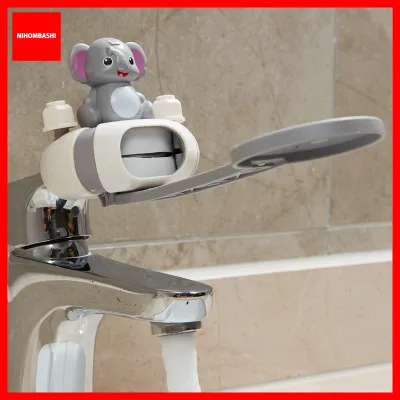
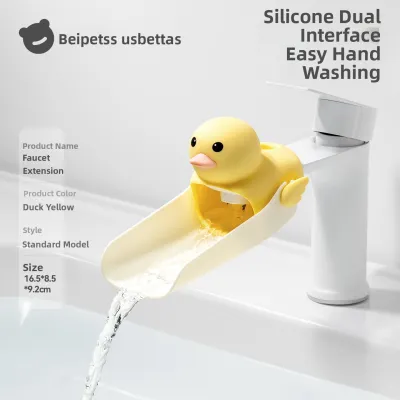
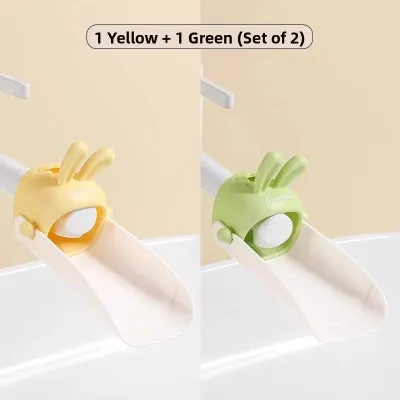
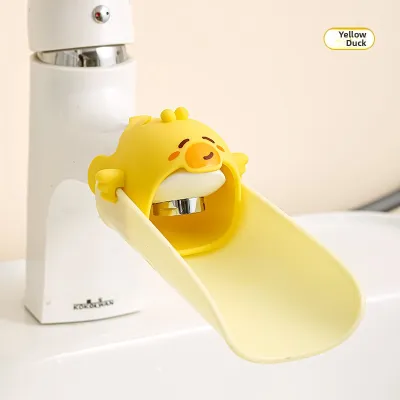
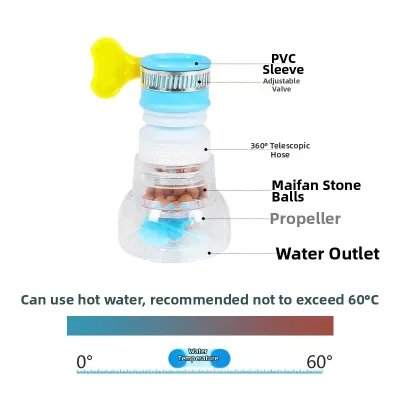

Prices are valid at publication and may change. Please refer to the product page for the latest price.
How to Match a Tap Extender to Your Bathroom Sink Type
Singaporean homes feature several distinct bathroom sink configurations, each presenting unique challenges for toddlers trying to reach the water stream. Standard Build-To-Order (BTO) HDB flats and older resale units frequently feature wall-mounted ceramic basins. These sinks are highly space-efficient but often have relatively shallow bowls and short, straight taps. In contrast, modern private condominiums and renovated landed properties often showcase elegant countertop vessel sinks, where the tap is mounted directly onto the vanity surface behind a deep, high-sided basin. Finally, compact powder rooms or older master bathrooms may utilize pedestal sinks, which have limited surrounding deck space and restricted maneuverability.
The physical relationship between your tap’s nozzle and the basin’s edge determines how far the water needs to be redirected. When water flows from a standard tap, it falls vertically near the back of the sink, far out of reach for a toddler whose arms are still developing. A tap extender acts as a bridge, channeling the water forward and downward. However, if your basin is shallow—as is common with wall-mounted HDB models—directing the water too far forward at a steep angle can cause it to strike the front lip of the sink, resulting in excessive splashing. Conversely, a deep countertop vessel sink requires an extender with a longer downward reach to prevent water from pooling on the vanity countertop.
Before browsing online marketplaces or local baby specialty stores, you must identify the shape of your tap nozzle. Bathroom taps generally fall into four categories: straight cylindrical, flat or rectangular, curved gooseneck, and high-arc square designs. The nozzle’s shape dictates the attachment mechanism of the extender. Standard slip-on silicone extenders rely on a flexible, elastic opening that stretches over the tap nozzle. While highly versatile, these slip-on models require a round or slightly oval nozzle to create a secure, watertight seal. If your tap is square, unusually wide, or features sharp decorative angles, a standard silicone slip-on will stretch unevenly, leading to tears in the material or constant slippage.
To ensure a precise fit, take two key measurements before making a decision. First, measure the outer diameter of your tap’s nozzle using a flexible measuring tape or a caliper. Second, inspect the tip of the nozzle to determine if the aerator is removable. If your tap has visible threads—either internal or external—you can opt for a threaded screw-on extender. These models replace or attach directly to the aerator threads, providing a semi-permanent, highly stable connection that cannot be easily pulled off by an energetic toddler. If your tap lacks threads and has a smooth outer surface, a slip-on silicone extender or a strap-on model with an adjustable belt is your primary option.
Finally, measure the horizontal distance from the tap nozzle to the front outer edge of the basin. This measurement is crucial for safety and ergonomics. A toddler standing on a stable step stool should be able to reach the water stream comfortably without leaning their chest against the wet edge of the sink or overextending their balance. The ideal extender should bring the water stream approximately 10 to 15 centimeters closer to the front of the basin, placing the flow directly within the child’s natural reach while keeping their center of gravity safely over the step stool.
Recommended Tap Extender Designs by Sink Compatibility
Selecting the best baby tap extender requires matching the product’s design features with the physical constraints of your sink. Because no single design fits every bathroom layout, understanding the mechanics of different extender types will help you avoid the frustration of purchasing an incompatible accessory.

Best Designs for Wall-Mounted & Standard Straight Taps
Wall-mounted sinks and standard straight taps are the most common configurations in Singapore’s public housing. For these setups, universal silicone slip-on extenders or adjustable screw-on models with integrated rubber gaskets are highly recommended. Silicone slip-ons feature a dual-entry design: a small round opening for standard cylindrical taps and a wider slot for flatter, oval-shaped nozzles. The high-friction nature of food-grade silicone allows the extender to grip the smooth chrome finish of the tap tightly, resisting the downward pull of gravity and the forward force of flowing water.
When choosing a slip-on model, prioritize designs that feature a secondary securing mechanism, such as an adjustable strap or a plastic collar that tightens around the silicone neck. Sudden changes in water pressure—which frequently occur when a child or adult accidentally turns the tap on full blast—can create a pressure surge inside the extender. Without a snug, high-friction fit, this sudden force can shoot the extender off the nozzle, causing water to spray uncontrollably across the bathroom.
Keep in mind that standard slip-on extenders have distinct limitations. They are generally incompatible with unusually wide, flat waterfall taps, square-shaped modern nozzles, or sensor-activated taps. Sensor-activated taps, which are increasingly popular in smart-home renovations, rely on an infrared sensor located near the base or tip of the nozzle. A standard slip-on extender will block this sensor, either preventing the water from turning on or causing it to run continuously. For these specialized fixtures, you must look for low-profile strap-on extenders that leave the sensor unobstructed, or consult the tap manufacturer for compatible child-friendly modifications.
Best Designs for Countertop & High-Arc Vessel Sinks
Countertop and high-arc vessel sinks present a different challenge: the tap is often mounted high above a deep basin, or set far back on the vanity deck. Standard silicone slip-on extenders are usually too short to bridge this gap, leaving the water stream too far back for a toddler to reach. For these modern layouts, long-reach adjustable arm extenders are the most effective solution. These extenders typically feature a rigid plastic or lightweight metal body with multiple rotating joints, allowing you to adjust the angle and length of the water flow precisely.
Adjustable arm extenders screw directly onto the tap’s aerator threads, creating a highly secure connection. By extending the physical reach of the tap and directing the water flow downward into the center of the vessel basin, these designs allow toddlers to wash their hands without straining or leaning dangerously over the high vanity edge. Some models also incorporate a swivel nozzle that can be pointed upward, converting the tap into a gentle drinking fountain or a rinse station.
However, before installing a multi-jointed arm extender on a high-arc or gooseneck tap, you must verify the structural limits of your fixture. Heavy extenders, especially those made of brass or thick plastic, exert significant leverage on the tap body. Over time, the constant weight and the force of adjusting the joints can loosen the mounting nuts beneath the countertop, leading to leaks or a wobbly tap. Ensure the extender you select is lightweight and that its joints possess sufficient stiffness to hold their position without drooping when water flows through them.
Best Designs for Pedestal Sinks & Tight Spaces
In compact bathrooms or powder rooms where pedestal sinks are installed, space is at a premium. Bulky, rigid plastic extenders can obstruct the basin, making it difficult for adult family members to use the sink for daily routines like shaving or brushing teeth. For these tight spaces, compact, foldable, or low-profile silicone extenders are highly advantageous. These designs are made of highly flexible silicone that can be easily flipped upward or pushed aside when not in use, restoring full access to the basin for adults without requiring complete removal of the accessory.
Flexible, low-profile designs also minimize the visual clutter in a small bathroom. Because they conform closely to the shape of the tap, they do not protrude awkwardly into the limited basin space. This flexibility is particularly useful in multi-generational Singaporean households where a single bathroom is shared by toddlers, parents, and elderly family members.
When using an extender in a compact pedestal sink, water pressure management is critical. Pedestal basins often have shallow, narrow bowls. If the water pressure is set too high, the extended stream will strike the front curved edge of the basin at a high velocity, causing water to splash onto the floor. To prevent this, parents should adjust the water flow to a gentle, steady stream. If necessary, slightly close the water supply valves located beneath the sink to limit the maximum water pressure, ensuring a safe, splash-free handwashing experience.
Crucial Safety and Hygiene Features to Verify Before Buying
When shopping for a baby tap extender, it is easy to focus solely on physical compatibility and cute designs. However, because this accessory comes into direct contact with the water your child uses to wash their hands, face, and toothbrush, prioritizing material safety and hygiene is paramount.
First, verify the chemical composition of the materials used in the extender. Parents must check product labels and manufacturer documentation to ensure the item is certified BPA-free, made from food-grade silicone, or constructed from non-toxic, phthalate-free plastics. Avoid cheap, unbranded plastic extenders that emit a strong chemical or petrol-like odor, as these may leach harmful chemicals into the water stream over time. Since toddlers are naturally curious and may occasionally touch their mouths to the extender or drink directly from the stream, choosing certified non-toxic materials is non-negotiable.
Second, consider the design’s susceptibility to mold and mildew. Singapore’s tropical climate, characterized by high humidity and warm temperatures, creates an ideal breeding ground for biological growth. Bathroom accessories that remain constantly wet are particularly vulnerable to black mold and bacterial biofilms. When evaluating extenders, look for designs with built-in drainage holes that allow standing water to escape after the tap is turned off. Smooth, seamless interior channels are highly preferable, as they prevent soap scum and organic matter from accumulating in hard-to-reach crevices. Avoid complex designs with hollow decorative figures or multi-layered plastic parts that trap water internally and cannot be disassembled for cleaning.
Third, understand the safety implications of altered water trajectory and pressure. By bringing the water stream closer to the front of the sink, an extender increases the risk of accidental splashing. If water pools on the bathroom floor tiles, it creates an immediate slip-and-fall hazard for young children. To mitigate this risk, always place a high-traction, non-slip mat at the base of your child’s step stool and ensure the floor remains dry. Additionally, because the water stream is delivered closer to the child’s hands, the risk of scalding from hot water is elevated. In homes with centralized water heaters, always test the water temperature directly at the extended nozzle with your own hand before allowing your child to place their hands under the flow.
Finally, remember the fundamental supervision rule. No bathroom accessory, step stool, or tap extender can replace active adult supervision. Toddlers do not possess the developmental coordination or safety awareness to navigate wet bathroom environments independently. Always remain within arm’s reach of your child during handwashing and bathing routines to prevent slips, falls, or accidental exposure to hot water.
Installation and Maintenance for a Secure, Mold-Free Fit
Proper installation and consistent maintenance are essential to ensure your baby tap extender remains secure, hygienic, and functional over its lifespan. Neglecting these steps can lead to loose attachments, water leaks, and rapid mold accumulation.
Begin by preparing the tap nozzle thoroughly before installation. Over time, chrome-plated taps accumulate a thin layer of soap scum, limescale (calcium carbonate), and microscopic biofilm. This invisible residue acts as a lubricant, significantly reducing the friction required to hold a slip-on silicone extender in place. Clean the nozzle using a mild descaling agent, a vinegar-and-water solution, or a gentle bathroom cleaner. Scrub the area with an old toothbrush, rinse it thoroughly, and dry it completely with a clean microfiber cloth. Ensuring both the tap nozzle and the interior of the extender’s connection port are bone-dry before fitting will maximize the grip and prevent the extender from sliding off during use.
Establish a routine weekly check of the extender’s physical condition and connection point. Inspect the interior channel for any signs of calcium buildup, dark spots indicating mold growth, or material degradation. Over time, exposure to chlorinated tap water, soap, and humidity can cause plastic to become brittle and silicone to lose its elasticity or develop a sticky, tacky texture. If you notice any tearing, cracking, or a significant loss of grip, it indicates the material has degraded and the extender must be replaced to prevent it from failing during use.
To maintain optimal hygiene, implement a weekly cleaning routine. Remove the extender from the tap carefully. Wash it thoroughly inside and out using warm water and a mild, child-safe dish soap. For extenders with narrow channels, use a small bottle brush or a straw cleaner to scrub the internal surfaces where biofilm tends to accumulate. After washing, rinse the extender completely to remove all soap residue. Allow it to air-dry fully in a well-ventilated area—ideally outside the humid bathroom environment—before reattaching it to the tap.
Knowing when to discard and replace a tap extender is crucial for your child’s health. If you observe persistent black mold spots inside the extender that cannot be removed after thorough scrubbing and sanitizing, discard the product immediately. Mold spores can easily contaminate the water stream, posing health risks to young children. Additionally, if the extender slips off the tap repeatedly despite thorough cleaning and drying, the material has stretched beyond its functional limit and must be replaced with a new, properly sized model.
Frequently Asked Questions (FAQ)
Can I use a kitchen tap extender in the bathroom?
While it is physically possible to attach some kitchen extenders to bathroom taps, it is generally not recommended due to differences in thread sizes, water pressure, and basin dimensions. Kitchen taps typically feature standard 22mm female or 24mm male aerator threads, whereas bathroom taps are often smaller, utilizing 18mm or 20mm threads, or lack threads entirely. Furthermore, kitchen extenders are frequently designed for high-pressure spraying and rinsing in deep kitchen sinks. When installed in a smaller, shallower bathroom basin, this high-velocity spray can cause severe splashing, wetting the vanity and bathroom floor, which creates a significant slip hazard. Always measure your bathroom tap’s nozzle diameter and check the thread specifications before purchasing, and select an accessory specifically designed for bathroom use.
How do I stop the tap extender from leaking at the connection point?
Leaking at the connection point is a common issue usually caused by an improper seal, worn-out rubber washers, incorrect sizing, or mineral buildup on the tap threads. If you are using a threaded screw-on extender, ensure that the rubber washer or gasket is seated perfectly flat inside the connector before screwing it onto the tap. If the tap threads have limescale buildup, clean them thoroughly with a small brush and vinegar to ensure a tight, flush fit. For slip-on silicone extenders, leaks occur if the tap nozzle is too small for the extender’s opening or if the silicone has stretched out over time. You can temporarily secure a slightly loose slip-on extender by wrapping a clean silicone strap or a zip-tie around the neck of the extender, but if the material has permanently lost its elasticity, replacing the unit is the safest and most effective solution.
Community discussion
Share your experience or ask a question. Comments are reviewed before publication.