
Choosing the right baby snack in Singapore involves matching your child’s physical developmental milestones with safe, nutritious food options. As infants transition from an all-milk diet to solid foods, snacks serve as valuable tools for exploring new textures, practicing fine motor skills, and bridging nutritional gaps. However, navigating the crowded baby food aisles of local supermarkets and specialized boutiques requires a clear understanding of what your baby can safely handle at each stage of growth.
Rather than relying solely on age labels printed on packaging, parents must evaluate their baby’s physical readiness, such as head control, sitting ability, and the development of the pincer grasp. In Singapore’s warm and humid climate, choosing high-quality, shelf-stable, or properly stored snacks is equally important for maintaining food safety. By focusing on whole-food ingredients, verifying nutritional panels, and understanding developmental cues, you can confidently introduce snacks that support your baby’s weaning journey.
How to Choose Safe and Nutritious Baby Snacks
Selecting commercial baby snacks requires a careful examination of packaging labels rather than relying on front-of-pack marketing claims. When reviewing the nutrition information panel on infant snacks, pay close attention to the sugar and sodium content. Many commercial options contain hidden sugars under names like fruit juice concentrate, cane syrup, maltodextrin, or dehydrated fruit powders. While these ingredients may sound natural, they can contribute to an early preference for overly sweet tastes and increase the risk of tooth decay. For infants under twelve months, look for snacks with zero added sugars and verify that the sodium content is extremely low, ideally less than 100 milligrams per 100 grams of product, to protect their developing kidneys.
Products mentioned in this guide
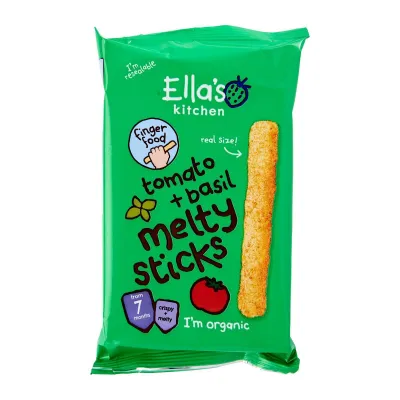
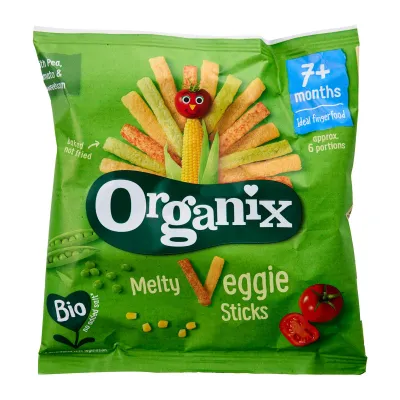
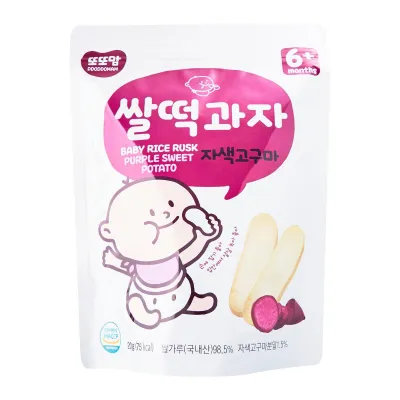
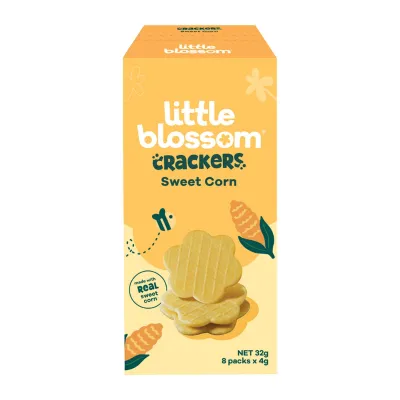
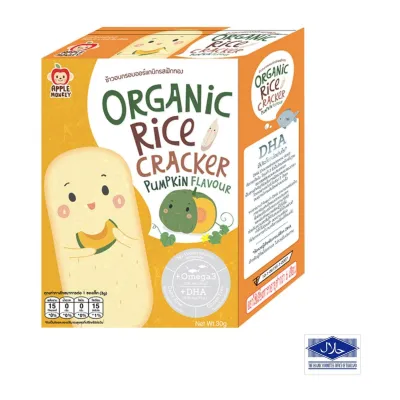
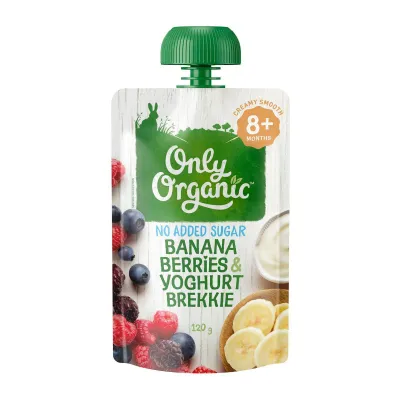
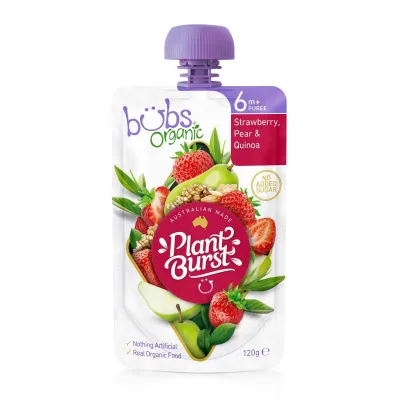
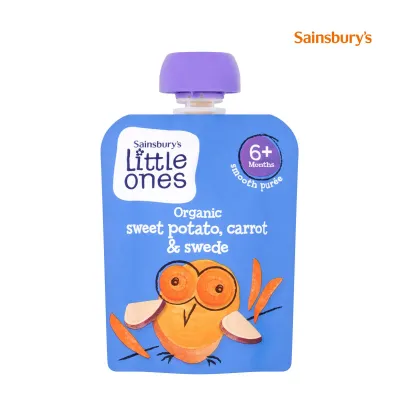
Prices are valid at publication and may change. Please refer to the product page for the latest price.
The ingredient list should be short, transparent, and focused on whole foods. Prioritize products where the first few ingredients are recognizable whole grains, vegetables, or fruits. Avoid snacks that list starches, refined flours, or vegetable oils as their primary components, as these often serve as empty fillers with minimal nutritional value. Additionally, check the label for common allergen warnings, such as wheat, soy, milk, eggs, peanuts, and tree nuts. If your family has a history of allergies, or if you are introducing a potential allergen for the first time, do so in small, isolated quantities during the day when you can closely monitor your child’s reaction.
Always verify the manufacturer’s stated age recommendations and developmental milestone indicators on the packaging. These guidelines are formulated based on the physical texture, size, and dissolving capability of the snack. A product labeled for older toddlers may pose a serious choking hazard for a younger infant who has not yet mastered chewing and swallowing. Never assume a product is safe simply because it is sold in the baby food section; cross-reference the manufacturer’s physical readiness descriptions—such as “can crawl with tummy off the floor” or “can bite through textures”—with your baby’s actual abilities.
In Singapore, you can source reliable baby snacks from major local supermarkets, trusted pharmacies, and specialized maternal-and-baby retailers. When purchasing imported snacks, check for recognized food safety certifications on the packaging, such as the USDA Organic seal, the EU Organic leaf, or equivalent national standards. Ensure that the products are imported by reputable distributors registered with the Singapore Food Agency (SFA) to guarantee they have met local import safety standards. Inspect the packaging carefully before purchase to ensure the vacuum seal is intact, especially given Singapore’s high humidity, which can compromise poorly sealed paper or cardboard packaging.
Best Snack Categories for 6 to 8 Months (Early Weaning)
During the early weaning phase, typically spanning six to eight months, snacks are not meant to replace breast milk or infant formula, which remain the primary sources of nutrition. Instead, this stage is about introducing new flavors and helping your baby adapt to swallowing non-liquid foods. Before offering any snacks, verify that your baby has reached the necessary developmental milestones. Your baby should be able to sit upright with minimal support, demonstrate good head and neck control, show active interest in food during family mealtimes, and have lost the tongue-thrust reflex, which automatically pushes solid objects out of the mouth.

For babies just starting their solid food journey, the safest snack categories focus on ultra-smooth, easily manageable textures. Single-ingredient smooth puree pouches are highly convenient for on-the-go feeding in Singapore’s active environments. Iron-fortified infant cereals mixed with breast milk or formula can also serve as an excellent, nutrient-dense snack that supports cognitive development and addresses the natural decline in an infant’s iron stores around six months. Teething rusks specifically formulated to dissolve rapidly upon contact with saliva are another suitable option, providing relief for sore gums while introducing the concept of holding food.
When shopping for snacks in this category, carefully inspect the packaging to ensure the product matches the needs of an early starter. Look for labels that explicitly state “first stage,” “smooth,” or “6 months plus.” The ingredient list should be minimal, ideally featuring only the primary fruit, vegetable, or grain, with no added salt, sugar, preservatives, or artificial flavorings. Single-ingredient profiles are particularly crucial during these early weeks, as they allow you to isolate any adverse reactions or food sensitivities your baby might experience, making it easier to identify the specific source of the issue.
Safety must remain your absolute priority when introducing early weaning snacks. Caregivers must always supervise the baby during every feeding session, keeping them within arm’s reach and under direct line of sight. Ensure your baby is seated completely upright in a secured high chair; never feed a reclining baby or offer snacks while they are in a stroller or car seat. If your baby shows signs of gagging, distress, or is unable to manage the texture, stop offering the snack immediately, allow them to clear their mouth, and consult your pediatrician or a pediatric dietitian before attempting that texture again.
Best Snack Categories for 9 to 12 Months (Pincer Grasp & Chewing)
As babies reach nine to twelve months, their physical capabilities expand rapidly, transitioning them from passive swallowers to active explorers of food. At this stage, you will notice significant developmental shifts, including the emergence of the pincer grasp—the ability to pick up small objects using the thumb and forefinger. Your baby will also likely be crawling confidently, sitting independently, and actively practicing chewing motions, using their gums or newly erupted front teeth to mash soft foods before swallowing. Snacks during this period should actively encourage these fine motor skills and oral-motor coordination.
Recommended snack categories for this stage are designed to be self-fed, allowing babies to practice their grip while learning to manage solid pieces. Melt-in-the-mouth infant puffs made from puffed whole grains are excellent for fine motor practice, as their small size requires precise finger control. Soft, freeze-dried fruit pieces provide a burst of natural flavor and dissolve quickly when mixed with saliva. Yogurt melts formulated for infants offer a creamy texture that breaks down easily in the mouth, while soft-baked vegetable sticks or straw-shaped grain snacks allow babies to practice holding longer pieces and taking controlled bites.
The physical size, shape, and structural integrity of these snacks are critical for safety. Items must be large enough for small hands to grasp easily but engineered to dissolve or soften almost instantly upon contact with moisture. This rapid-dissolution property is a key engineering safety feature of commercial infant puffs and melts, minimizing the risk of a solid piece blocking the airway if swallowed whole. Before offering a new brand of puff or melt, perform a simple manual check: press the snack between your thumb and forefinger with a drop of water or saliva to verify that it softens and collapses immediately without leaving a hard, rubbery core.
Always refer to the manufacturer’s packaging instructions regarding portion sizes and the recommended maximum number of pieces per serving. Overfeeding commercial snacks can easily displace the appetite needed for balanced main meals and essential milk feeds. Monitor your baby’s reaction to these new, more complex textures closely. If you notice your baby struggling to coordinate chewing and swallowing, or if they consistently swallow pieces whole without attempting to mash them, temporarily scale back to smoother options and discuss their oral-motor development with your pediatrician.
Best Snack Categories for 12 Months and Beyond (Toddler Transitions)
Reaching the twelve-month milestone marks a major transition as your baby officially becomes a toddler. At this stage, physical milestones include walking independently, improved hand-eye coordination, the ability to use toddler-friendly utensils, and the presence of more teeth, including molars, which allow for more advanced biting and grinding of food. Toddlers are increasingly eager to feed themselves and participate in family meals, making this an ideal time to transition toward more structured, nutritionally dense snacks that support their high energy levels.
Suitable snack categories for toddlers focus on providing sustained energy through a balance of complex carbohydrates, healthy fats, and protein. Low-sodium rice crackers or whole-grain puffed cakes offer a satisfying crunch while remaining easy to chew. Unsweetened fruit bars or soft oat bars made with real fruit paste provide fiber and energy for active play. Plain, full-fat pasteurized yogurt is an excellent source of calcium and healthy fats, which are vital for rapid brain development at this age. Soft, pasteurized cheese sticks or cubes can also be introduced, offering a convenient, protein-rich option that helps toddlers practice their chewing and grasping skills.
While snacks are important for meeting a toddler’s high energy demands, they must be carefully balanced with main meals to ensure they do not interfere with overall nutrition. Establish a consistent routine by offering snacks at least one to two hours before main meals, preventing toddlers from grazing continuously throughout the day. Portion control is essential; serve snacks in small bowls rather than directly from the package to help manage intake. Remember that snacks should complement, not replace, nutrient-dense family foods like vegetables, lean proteins, and whole grains served during breakfast, lunch, and dinner.
As you transition your toddler from specialized baby snacks to modified family foods, continue to exercise caution and read product labels diligently. Many products marketed specifically for toddlers contain surprisingly high levels of added sodium, cane sugar, or sweet syrups to appeal to developing palates. Always check the ingredient list of any packaged cracker, biscuit, or yogurt, opting for plain, unsweetened versions whenever possible. When introducing modified family foods as snacks—such as a slice of whole-wheat toast or a soft-cooked vegetable—ensure they are prepared with minimal salt and cut into safe, manageable pieces.
Crucial Safety Checks: Choking Hazards and Ingredients to Avoid
Protecting your baby’s airway and long-term health requires a strict understanding of high-risk choking hazards and unsuitable dietary ingredients. Certain foods pose an exceptionally high risk of choking due to their shape, size, or texture, and must be completely excluded from an infant’s or young toddler’s diet. Never offer whole nuts, whole seeds, whole grapes, cherry tomatoes, hard raw vegetables (such as raw carrot or celery sticks), popcorn, large chunks of meat, or hard candies. To make high-risk fruits and vegetables safer, always cut them into small, non-spherical pieces, steam them until they are completely soft, or mash them thoroughly before serving.
In addition to physical hazards, certain ingredients must be strictly avoided based on established pediatric health guidelines. Never give honey to an infant under twelve months of age, as it can contain spores of Clostridium botulinum, which can cause infant botulism—a rare but serious and potentially life-threatening illness. Avoid snacks with added salt, refined sugars, artificial preservatives, synthetic colorings, or chemical sweeteners. A baby’s kidneys are not mature enough to process high amounts of sodium, and early exposure to refined sugars can establish unhealthy dietary preferences that persist into childhood.
As a caregiver, it is vital to understand the difference between normal gagging and actual, life-threatening choking. Gagging is a normal, noisy, and self-limiting reflex that occurs when food touches the back of the tongue, helping the baby push oversized pieces forward to prevent choking. During a gagging episode, the baby will cough, sputter, or make retching sounds, and you should remain calm, watch closely, and allow them to clear the food themselves. Choking, conversely, is silent and life-threatening; it occurs when the airway is partially or fully blocked. A choking baby will be unable to cry, cough effectively, or breathe, and their skin or lips may begin to turn blue, requiring immediate, correct first-aid intervention and an emergency call to 995 in Singapore.
To minimize choking risks, establish strict behavioral rules around eating from the very beginning of your solid food journey. Never allow your baby or toddler to consume snacks while they are walking, running, playing, crawling, or lying down, as physical movement significantly increases the risk of food slipping into the airway. Always ensure that your child is seated upright in a stable chair, fully focused on their food, and under the constant, active supervision of an attentive adult caregiver who is trained in infant cardiopulmonary resuscitation (CPR) and choking first aid.
Frequently Asked Questions (FAQ)
How many snacks should my baby have per day?
The appropriate frequency of snacks depends heavily on your baby’s age, physical development, milk intake, and appetite during main meals. For younger infants aged six to nine months, milk and initial solid meals provide all necessary nutrition, meaning they generally require no snacks or perhaps just one very small tasting session to practice motor skills. As babies reach ten to twelve months and transition toward a more structured schedule, they may benefit from one to two small, scheduled snacks per day to maintain energy levels between main meals. Once your child passes twelve months, two small, nutritious snacks daily alongside three balanced meals is a common pattern. Always observe your baby’s individual hunger cues and consult your pediatrician or a registered dietitian to establish a personalized feeding schedule that supports healthy growth.
Can I give my baby adult rice crackers or biscuits?
No, adult rice crackers, biscuits, and chips are highly unsuitable for infants and young toddlers. These products are formulated for adult palates and digestive systems, meaning they frequently contain high levels of sodium, refined sugars, artificial flavorings, and chemical preservatives that can strain a baby’s developing kidneys and digestive tract. Furthermore, adult crackers often have a hard, brittle, or sharp texture that does not dissolve easily in the mouth, presenting a severe choking hazard for a baby who cannot chew effectively. Always purchase snacks specifically formulated, tested, and labeled for infants or toddlers, and verify the nutritional facts panel to ensure the product aligns with infant dietary limits and safety standards.
What should I do if my baby refuses commercial snacks?
If your baby refuses commercial snacks, remain calm and remember that this is a completely normal part of childhood development and sensory exploration. Refusing packaged snacks is not a cause for immediate concern, as babies often prefer the familiar textures of breast milk, formula, or home-prepared foods. Instead of forcing commercial products, try offering soft, age-appropriate whole foods as alternative snacks, such as steamed apple slices, mashed banana, avocado spears, or soft-cooked sweet potato sticks. Observe your baby’s natural hunger and fullness cues, avoid pressuring them to eat, and keep snack times relaxed and positive. If your baby consistently refuses all solid foods, shows signs of lethargy, or demonstrates poor weight gain, consult a qualified healthcare professional or pediatrician for a comprehensive evaluation.
Community discussion
Share your experience or ask a question. Comments are reviewed before publication.