
Creating a safe environment for your little one as they begin to explore your home is a major milestone for every parent in Singapore. When babies transition from sitting up to crawling and cruising, sharp furniture corners suddenly become significant hazards. Finding the right edge guards is the most effective way to prevent painful bumps and bruises without having to replace your favorite furniture pieces.
The ideal edge guards for your home will depend on your furniture’s material, your aesthetic preferences, and your child’s developmental stage. Generally, high-density foam rolls offer the thickest, most shock-absorbent protection for heavy wooden tables and low cabinets, while clear silicone or PVC guards provide a discreet, minimalist alternative that blends seamlessly with glass surfaces and modern laminates. By matching the right guard type to your specific household setup, you can balance reliable safety with your home’s interior design.
Why Edge Guards Are Essential for Crawling and Cruising Babies
During the first year of life, infants undergo rapid physical development, moving quickly from rolling over to crawling, pulling themselves up, and eventually “cruising” along the edges of furniture. This exciting phase of exploration is also when babies are most unstable on their feet. Because their heads are disproportionately large and heavy compared to their bodies, their center of gravity is high, making falls common and difficult for them to break.
Products mentioned in this guide
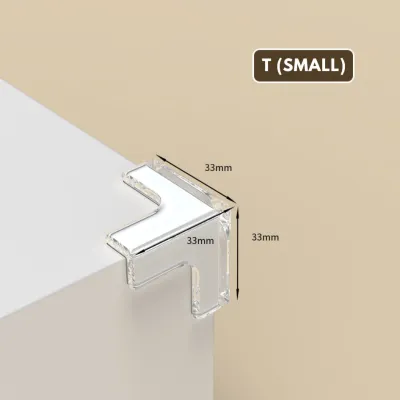
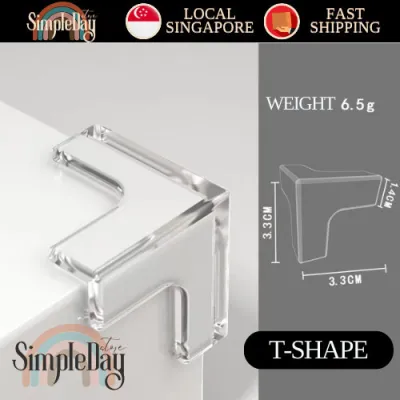
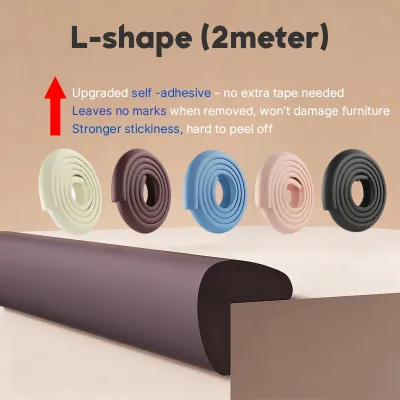
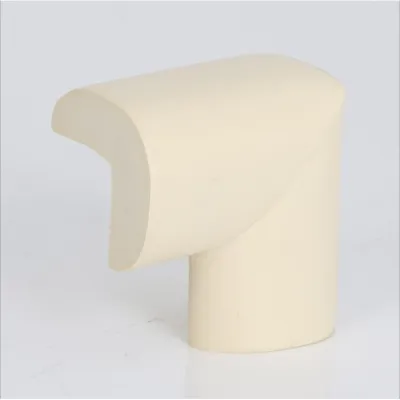
![[SG Stock] Corner Protector❤️Table Furniture Sharp Edge Safety Guard Silicone Bumper Baby Kids Children Protection](https://img.lazcdn.com/g/p/774cbe2a2c03816c7a70d8c8c65de91c.jpg_400x400q80.jpg_.webp)
Prices are valid at publication and may change. Please refer to the product page for the latest price.
In typical Singaporean apartments, space can be compact, and furniture is often arranged in close proximity. Low-profile furniture pieces—such as coffee tables, TV consoles, bed frames, and low shelving units—are positioned right at a cruising baby’s head and eye level. A sudden slip on a polished floor can easily result in a sharp impact against a hard corner, leading to painful lacerations, dental injuries, or severe bruising.
Installing baby proofing edge guards creates a soft, forgiving barrier that absorbs the kinetic energy of an impact. Instead of restricting your child’s natural urge to explore, proactively cushioning these sharp edges allows them to develop their motor skills in a secure environment. It provides parents with peace of mind during those active months when a toddler’s balance is still developing.
How to Choose the Right Edge Guards for Your Furniture
Selecting the perfect protective guards involves evaluating several distinct factors to ensure they perform well and do not ruin your household items. Parents must weigh the immediate safety benefits against long-term practical considerations before making a purchase.

Material & Shock Absorption
The primary job of any edge guard is to cushion an impact. High-density materials, such as closed-cell foam, offer superior shock absorption because they compress under pressure and disperse force. Thinner materials, like standard PVC, offer less cushioning but are highly effective at rounding off razor-sharp edges on glass or metal. Consider the height of your furniture and the likelihood of a high-velocity fall when deciding on the thickness of the material.
Adhesive Strength & Surface Compatibility
An edge guard is only as reliable as the adhesive holding it in place. Many products utilize double-sided acrylic tapes that bond strongly to clean surfaces. However, different adhesives react uniquely to wood, glass, metal, veneer, and painted surfaces. You must ensure the adhesive is strong enough to resist a curious toddler’s attempts to peel it off, yet compatible with your furniture’s finish to prevent permanent damage upon removal.
Aesthetic Impact
For many families, maintaining a cohesive home aesthetic is important. Traditional thick, brightly colored foam guards can look highly conspicuous and disruptive in a carefully styled living room. If visual appeal is a priority, transparent silicone or clear PVC guards offer an excellent compromise, as they allow the natural wood grain or glass edge to remain visible while still providing a protective barrier.
Chew Resistance
Teething babies often explore their world by mouth, and soft foam edge guards can look like tempting chew toys. If your baby is in an active teething phase, soft, low-density foam can be easily bitten through, presenting a serious choking hazard. In these scenarios, choosing firmer silicone or durable, non-toxic PVC guards is a safer choice, as these materials are much harder to puncture or tear with tiny teeth.
Removability
Eventually, your child will outgrow the need for edge guards, and you will want to restore your furniture to its original state. Some heavy-duty industrial adhesives can strip away delicate wood veneers, lacquer finishes, or paint when pulled off. Looking for guards that specify clean removal, or planning to use safe removal techniques, will save your valuable furniture from costly damage down the road.
Top Types of Edge Guards to Consider for Different Surfaces
To narrow down your choices, it helps to understand the distinct categories of edge guards available in Singapore. Each type excels in specific scenarios and on different furniture materials.
High-Density Foam Edge Guards
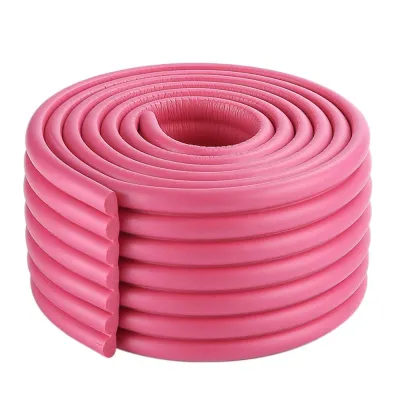
High-density foam guards, often made from NBR (Nitrile Butadiene Rubber), are the classic choice for heavy-duty baby proofing. These guards are exceptionally soft, thick, and spongy, making them the gold standard for absorbing high-impact bumps. They are highly flexible and can easily wrap around long, straight edges or be cut to custom lengths.
While they provide unmatched cushioning, foam guards are visually prominent and usually come in solid colors like brown, grey, black, or cream. They are also highly susceptible to teething damage, as a determined toddler can bite chunks out of the soft rubber. These are best utilized on heavy wooden dining tables, low TV consoles, and playrooms where safety takes absolute priority over minimalist aesthetics.
Clear PVC and Silicone Edge Guards
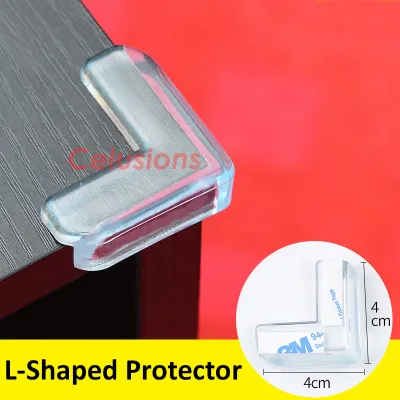
If you want to protect your child without altering the look of your home, clear PVC and silicone guards are the ideal solution. These protectors are transparent, allowing the color and texture of your furniture to show through clearly. They are significantly slimmer than foam guards, making them highly discreet on modern, minimalist pieces.
Silicone is naturally flexible and soft to the touch, while PVC tends to be slightly firmer. Both materials are highly resistant to chewing, making them a much safer option for teething babies. However, because they are thinner, they offer less impact cushioning than thick foam. They are highly recommended for glass coffee tables, metal frames, and light-colored wooden furniture where a bulky foam guard would look out of place.
Pre-Shaped Corner Protectors vs. Continuous Rolls
When planning your baby proofing strategy, you will need to choose between pre-shaped corner protectors and continuous rolls of edging material. Pre-shaped corner guards are designed specifically to fit 90-degree corners, which are often the most dangerous points on a piece of furniture. They are incredibly easy to install, as they require no cutting or measuring—you simply apply the adhesive and press them onto the corner.
Continuous rolls, on the other hand, are designed to protect the long, straight edges between the corners. These are essential for low tables, long shelves, or custom cabinetry where a baby might bump their head anywhere along the perimeter. Continuous rolls require you to measure, cut, and apply adhesive manually, which takes more time but allows for a completely customized fit. For comprehensive protection, most parents find that a combination of both pre-shaped corners and continuous rolls works best. Before purchasing, carefully measure the total linear footage of the edges you need to cover to ensure you buy enough material.
Material Comparison: Foam vs. Silicone vs. Clear PVC
To help you quickly identify the best material for your specific furniture pieces, this table summarizes the key physical properties and ideal use cases for each option.
| Material Type | Shock Absorption Level | Aesthetic Profile | Best Furniture Match | Chew Resistance |
|---|---|---|---|---|
| High-Density Foam (NBR) | Excellent (Thick & Spongy) | High Visibility (Bulky) | Heavy Wood, Playroom Furniture | Low (Easy to bite or tear) |
| Silicone | Moderate (Flexible & Soft) | Semi-Discreet (Translucent) | Modern Wood, Metal Frames | High (Durable & elastic) |
| Clear PVC | Moderate-Low (Firm & Slim) | High Discreetness (Transparent) | Glass Tables, Minimalist Decor | Very High (Hard to puncture) |
How to Install and Maintain Edge Guards Securely
Proper installation is critical to ensuring your edge guards stay firmly in place and perform effectively when an impact occurs. Even the highest-quality guard will fail if the adhesive bond is weak.
Surface Preparation
Before applying any adhesive, you must thoroughly clean the furniture surface. Dust, oils, polish residue, and fingerprints will prevent the tape from bonding correctly. Wipe the area down with rubbing alcohol (isopropyl alcohol) and a clean, lint-free cloth. Allow the surface to dry completely for several minutes. Avoid using household glass cleaners or multi-surface sprays, as these often leave behind a thin film that compromises the adhesive.
Application Technique
Measure the edge carefully and cut the guard to the required length using sharp scissors or a utility knife. Apply the double-sided adhesive tape directly to the inside of the guard first, pressing it down firmly to eliminate air bubbles. Next, peel off the backing paper and carefully align the guard with the furniture edge. Press down with firm, even pressure along the entire length of the guard for at least 30 seconds. To achieve the strongest bond, allow the adhesive to cure undisturbed for 24 hours before letting your baby near it or attempting to test its strength.
Maintenance and Safety Checks
Edge guards require periodic inspection to ensure they remain safe and hygienic. Over time, dust and food crumbs can accumulate under the edges, weakening the adhesive. Clean the surface of the guards regularly with a damp cloth and mild, baby-safe soap. Check the edges weekly to ensure no corners are peeling or lifting. If you notice any tearing, peeling, or signs of chewing damage, replace the guard immediately to prevent it from becoming a choking hazard.
Safety Boundary & Compatibility Warning
Always consult both the edge guard manufacturer’s instructions and your furniture manufacturer’s care guidelines before application. Adhesives can react unpredictably with certain finishes. If you are applying guards to antique furniture, unsealed wood, delicate veneers, or painted surfaces, perform a hidden spot test first. Apply a small piece of the adhesive tape to an inconspicuous area (such as the underside of a table leg) for 24 hours, then remove it carefully to check for any finish damage or discoloration. If the instructions conflict or the material is highly delicate, consult a professional furniture restorer or seek non-adhesive safety alternatives.
When and How to Safely Remove Edge Guards
As children grow, they develop better motor control, spatial awareness, and balance. Typically, by the age of 2 to 3 years, the risk of falling headfirst into furniture corners decreases significantly, and you can begin safely removing the guards. Removing them correctly is essential to avoid leaving behind unsightly residue or permanently damaging your furniture’s finish.
To remove the guards safely, use a hairdryer set to low or medium heat to gently warm the adhesive underneath. Hold the hairdryer a few inches away from the guard and move it back and forth along the edge for a minute or two. The heat will soften the acrylic adhesive, making it pliable and much easier to peel away. Slowly pull the guard back at a shallow angle, working your way down the edge. Avoid pulling upward forcefully, which can tear off wood veneers or paint. For stubborn areas, applying a small amount of natural cooking oil or baby oil can help break down the remaining adhesive bonds on wood surfaces without damaging the finish.
Frequently Asked Questions (FAQ)
Are silicone edge guards safe if my baby chews on them?
When purchasing silicone edge guards, it is vital to verify the manufacturer’s product packaging and documentation to ensure they are made from non-toxic, BPA-free, and food-grade materials. While certified food-grade silicone is chemically inert and safe for incidental oral contact, no safety guard is designed to be used as a teething toy. If your baby manages to bite through, tear, or detach any portion of the silicone guard, you must remove and replace the product immediately. Small, detached pieces of silicone or adhesive present a serious choking hazard and must be kept out of your child’s reach.
How do I remove edge guard adhesive residue from wood furniture?
To remove leftover adhesive residue from finished wood furniture without causing damage, opt for gentle, low-risk, and reversible methods. Apply a small amount of household cooking oil, baby oil, or mineral oil to a soft microfiber cloth and gently rub it over the sticky residue in a circular motion. Let the oil sit for a few minutes to break down the adhesive, then wipe it away with a clean, dry cloth. Always avoid using abrasive scrubbers, steel wool, razor blades, or harsh chemical solvents like acetone on finished wood, as these can permanently scratch the surface, strip the protective lacquer, or discolor the wood grain.

Community discussion
Share your experience or ask a question. Comments are reviewed before publication.