
Introducing solid foods is a major milestone in your child’s first year of life. In Singapore, parents often navigate a variety of weaning methods, from traditional spoon-feeding to baby-led weaning (BLW). As you guide your child through this transition, baby pasta emerges as an exceptionally versatile, nutritious, and convenient option. However, choosing the right pasta involves more than simply grabbing the first colorful package you see on the supermarket shelf. It requires a clear understanding of how different shapes, sizes, and ingredients align with your baby’s physical development.
Selecting the ideal baby pasta requires balancing nutritional value, safety, and your child’s evolving motor skills. Because infants grow and develop at an rapid pace, a pasta shape that is perfect for a six-month-old may pose a challenge or a safety risk for an older infant, and vice versa. By learning to match pasta characteristics to your baby’s age and developmental stage, you can support their oral motor skills, encourage independent eating, and ensure they receive the essential nutrients required for healthy growth.
Why Pasta Shape and Texture Matter for Your Baby's Development
During the first year, your baby’s mouth undergoes rapid anatomical and functional changes. Chewing is not an instinctive reflex; it is a learned physical skill that requires practice and sensory feedback. Offering textures that are slightly more complex than smooth purees encourages tongue lateralization, which is the ability to move food from the middle of the tongue to the sides of the mouth for mashing. Baby pasta provides an excellent medium for this developmental step because it can be cooked to varying degrees of softness while maintaining a defined shape that stimulates the gums and jaw.
Products mentioned in this guide
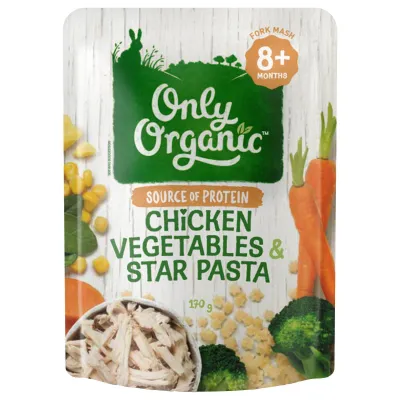
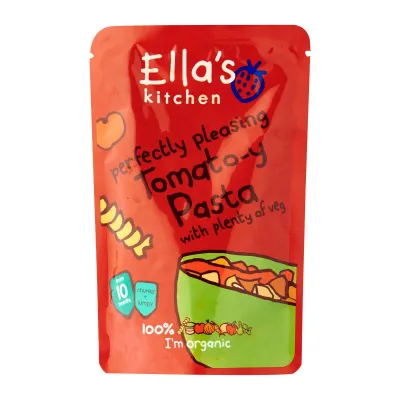
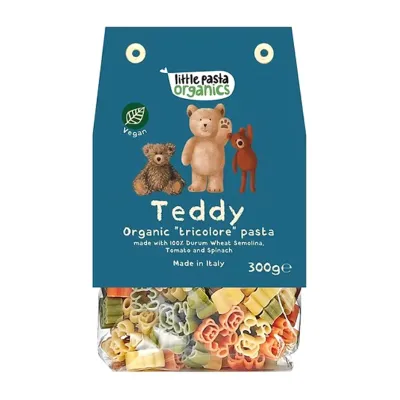
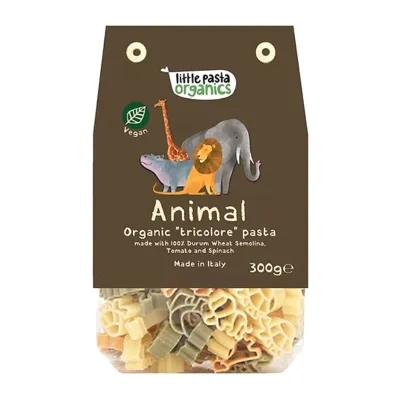
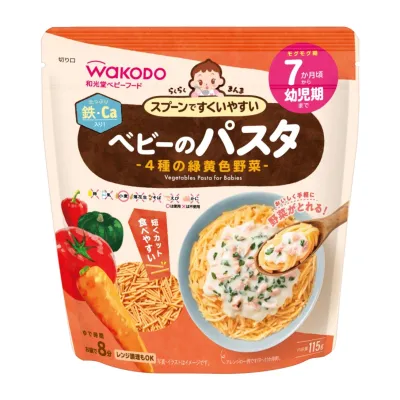
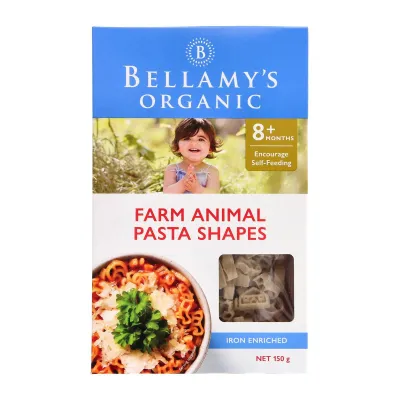
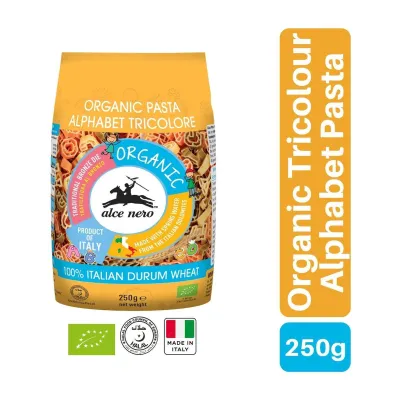
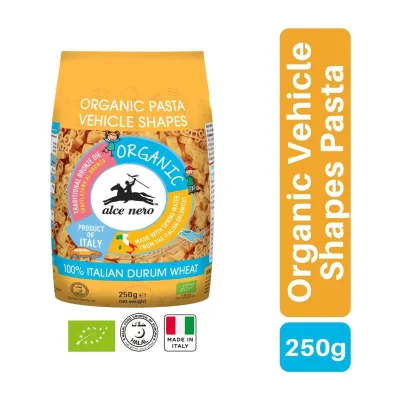
Prices are valid at publication and may change. Please refer to the product page for the latest price.
Your baby’s ability to handle different pasta shapes is closely tied to their developing grasp. Around six months of age, infants typically use a palmar grasp, securing objects with their entire fist. As they approach eight to ten months, they begin to develop the pincer grasp, using their thumb and index finger to pick up smaller items. Matching the pasta shape to their current grip style ensures they can successfully feed themselves, which builds confidence, hand-eye coordination, and fine motor control.
Safety is a paramount consideration when introducing any solid food. The size and shape of the pasta play a critical role in minimizing choking hazards. Standard adult pasta shapes, if left uncut or cooked to a firm texture, can easily block a baby’s small airway. Specialized baby pastas are designed to dissolve easily or are sized appropriately for small mouths, reducing the risk of choking while still allowing the baby to practice chewing and swallowing safely.
Transitioning to textured foods also helps prevent sensory aversion later in childhood. Introducing a variety of soft, lumpy textures before the age of ten months is associated with a greater acceptance of diverse food textures in toddlerhood. Pasta, with its neutral flavor and ability to carry various nutrient-dense sauces, serves as a gentle introduction to complex mouthfeels without overwhelming your baby’s sensory system.
How to Read Baby Pasta Labels: Nutrition and Safety Checks
When shopping for baby pasta in Singapore, it is vital to look beyond the front-of-pack marketing claims and examine the nutritional information panel and ingredient list. One of the most critical nutrients to look for is iron. Around six months of age, a baby’s natural iron stores begin to deplete, and breast milk alone may no longer meet their daily requirements. Many dedicated baby pastas are fortified with iron, usually listed as ferrous fumarate or electrolytic iron on the ingredient panel. Verifying this fortification helps ensure your baby is getting adequate iron to support brain development and red blood cell production.

Sodium and sugar levels are equally important when evaluating labels. An infant’s kidneys are still immature and cannot process high amounts of sodium. Standard adult pastas are often low in sodium, but pre-packaged pasta meals, flavored pasta stars, or instant noodles frequently contain added salt for flavor. Always check the nutrition facts label to ensure there is zero or near-zero added sodium. Similarly, avoid any options that contain added sugars, artificial flavorings, or preservatives, as these are unnecessary and can establish a preference for overly sweet or salty foods.
Allergen identification is a crucial step before introducing pasta to your baby. Wheat is one of the most common food allergens, and many traditional pastas also contain egg. Read the ingredient list carefully for clear allergen declarations, and check for cross-contamination warnings such as “manufactured in a facility that also processes soy, milk, or nuts” if your baby has known sensitivities. If you are introducing wheat or egg for the first time, do so in small quantities and monitor your baby closely for any signs of an allergic reaction.
Organic certifications can provide peace of mind regarding pesticide residues and farming practices. Look for recognized certification seals, such as the USDA Organic, EU Organic, or Australian Certified Organic logos, on the packaging. While organic pasta is a popular choice for many parents, keep in mind that an organic label does not automatically guarantee superior nutritional content. You must still verify that the product meets low-sodium guidelines and, ideally, offers iron fortification to suit your baby’s nutritional needs.
Matching Pasta Shapes to Your Baby's Developmental Stage
As your baby grows, their feeding capabilities will shift from basic swallowing to active chewing and self-feeding. To support this progression, you should adjust the size, shape, and texture of the pasta you offer. Always consult your pediatrician or a pediatric dietitian if you have questions about your baby’s readiness for solids or if you observe persistent gagging during meals.
Around 6 Months: First Tastes and Easy-to-Hold Shapes
At the start of the weaning journey, usually around six months, your baby is just beginning to explore foods other than milk. If you are following a spoon-feeding approach, micro-pastas, often referred to as pastina or tiny stars, are ideal. These minuscule shapes can be boiled until completely soft and easily mixed into vegetable or fruit purees. This adds a subtle texture to the puree, helping your baby get used to small lumps without requiring significant chewing effort.
For parents practicing baby-led weaning, the goal is to offer pieces that the baby can easily hold with a palmar grasp. Large, elongated shapes like fusilli (spirals) or large penne are excellent choices. At this stage, your baby cannot open their hand to eat what is inside their palm; they will gnaw on whatever part of the food protrudes from the top of their fist. A long, sturdy piece of pasta allows them to hold the bottom half while safely gumming the top portion.
Regardless of the shape you choose, the pasta must be cooked until it is exceptionally soft. It should easily squash between your thumb and forefinger with minimal pressure. This ensures that even if a piece breaks off in your baby’s mouth, they can easily mash it using their gums and tongue, minimizing any risk of choking.
7 to 9 Months: Pincer Grasp and Soft Lumps
Between seven and nine months, many babies begin to develop their pincer grasp, allowing them to pick up smaller objects using their thumb and index finger. This is an ideal time to transition to smaller, bite-sized pasta shapes. Options like mini shells, ditalini, or small macaroni encourage your baby to practice this fine motor skill, turning mealtime into an engaging coordination exercise.
Introducing these smaller shapes also helps your baby learn to manage distinct lumps in their mouth. Unlike purees or large graspable pieces, these small pasta shapes require the tongue to move the food around actively. This lateral movement is essential for building the jaw strength and coordination needed for more complex foods later on.
Ensure that you continue to cook the pasta thoroughly. While your baby is becoming more skilled at managing textures, their chewing mechanism is still developing. Test the cooked pasta by pressing it between your fingers; it should squash easily without feeling rubbery or firm. If the pasta feels too resilient, boil it for a few minutes longer before serving.
10 to 12 Months and Beyond: Chewy Textures and Family Meals
As your baby approaches their first birthday, they are likely becoming highly proficient self-feeders. At this stage, you can begin introducing standard pasta shapes, such as fusilli, penne, or macaroni, cut into smaller, safe lengths. This period is an excellent opportunity to transition your baby toward eating modified versions of the meals the rest of the family enjoys.
Your baby’s jaw strength is significantly improved by this stage, and they may have a few teeth emerging, though teeth are not strictly necessary for chewing soft foods. You can begin to offer pasta that has a slightly firmer texture than the mushy consistency of the early weaning months. However, it should still be cooked longer than the traditional “al dente” style preferred by adults to ensure it remains safe and manageable.
When adapting family pasta dishes, prepare the baby’s portion before adding salt, bouillon cubes, or high-sodium commercial sauces to the family pot. You can toss the baby’s pasta in a simple homemade tomato sauce, a drizzle of olive oil, or a puree of cooked vegetables. This allows them to feel included in the family mealtime routine while keeping their sodium intake within safe, age-appropriate limits.
What to Expect from Baby Pasta Brands in Singapore
When browsing the aisles of local supermarkets like FairPrice, Cold Storage, or Giant, or exploring specialty baby stores and online marketplaces, you will find several categories of pasta. Understanding the distinctions between these categories will help you make an informed decision based on your budget, nutritional priorities, and convenience needs.
Dedicated baby food brands are highly visible in the infant care aisles. These products are specifically formulated and shaped for young children, often featuring organic ingredients, iron fortification, and clear age recommendations on the packaging. They are designed to cook quickly and dissolve easily in the mouth. While these brands offer excellent convenience and tailored nutrition, they generally carry a premium price tag compared to standard pasta options.
Supermarket house brands and standard adult pasta brands offer a highly economical alternative. Many of these brands produce small pasta shapes, such as soup pasta, stelline, or mini macaroni, which are structurally identical to specialized baby pastas. While these options are budget-friendly and widely available, they rarely feature iron fortification and may have different allergen cross-contamination profiles. If you choose standard pasta, you must read the labels carefully to ensure there is no added sodium and that the size is appropriate for your baby’s stage.
Imported and organic specialty brands are also popular in Singapore, often sourced from Europe, Australia, or Japan. These products frequently incorporate vegetable powders, such as spinach, beetroot, or pumpkin, to add vibrant colors and subtle flavors to the pasta. When purchasing imported brands, always verify that the product has clear English ingredient labeling and complies with local food safety guidelines. Check the packaging for certification details and allergen listings before serving.
Because supply chains and product availability can fluctuate in Singapore retail outlets, specific brands may occasionally go out of stock. Developing strong label-reading skills is far more beneficial than relying on brand loyalty. If your preferred baby-specific brand is unavailable, knowing how to evaluate standard pasta shapes for sodium content, size, and softness will allow you to confidently select a safe and nutritious alternative from the regular pasta aisle.
Safe Cooking and Serving Practices for Baby Pasta
Proper preparation is just as important as choosing the right product. When cooking pasta for your baby, disregard the standard package instructions aimed at adults. Instead of cooking the pasta “al dente,” which leaves a firm, chewy center, boil the pasta well past this stage. The pasta should be soft, tender, and easily mashable between your thumb and forefinger with absolutely no resistance. This ensures that the baby can safely break down the food using only their gums.
Do not add salt to the boiling water. While salting water is a standard culinary practice to flavor pasta for adults, it adds unnecessary sodium to your baby’s diet. Additionally, avoid adding oil to the cooking water or tossing the cooked pasta in excess oil before serving. Oil coats the pasta, making it slippery and difficult for your baby to grasp, which can increase the likelihood of it slipping down their throat before they have had a chance to chew it properly.
When serving, adapt the pasta presentation to match your baby’s current developmental needs. Long pasta strands, such as spaghetti or linguine, should be cut into short, manageable pieces of about one to two centimeters to prevent gagging or choking. For babies using a palmar grasp, serve large shapes individually on their high chair tray. For older babies practicing their pincer grasp, offer a few small pieces at a time to prevent them from stuffing too much food into their mouth at once.
To maximize the nutritional benefits of baby pasta, consider how you pair it with other foods. If you are using iron-fortified pasta, pair it with sauces rich in vitamin C, such as a fresh tomato puree, blended red bell peppers, or finely chopped steamed broccoli. Vitamin C significantly enhances the absorption of non-heme iron, which is the type of iron found in fortified grains and plant-based foods. This simple pairing helps ensure your baby gets the maximum nutritional value from every bite.
Frequently Asked Questions (FAQ)
Can I give my baby regular adult pasta instead of specific baby pasta?
Yes, you can give your baby regular adult pasta, provided you take several safety and nutritional precautions. First, ensure the pasta is cooked until it is completely soft and easily mashable between your fingers, which usually requires boiling it for several minutes longer than the package instructions recommend. Second, select shapes that match your baby’s developmental stage, or cut larger shapes into safe, bite-sized pieces to prevent choking. Finally, read the label carefully to verify that the pasta contains no added sodium or preservatives. Keep in mind that standard adult pasta is rarely fortified with iron, so you will need to ensure your baby receives adequate iron from other dietary sources.
Is gluten-free pasta necessary for all babies?
No, gluten-free pasta is not necessary for all babies. It is only required if your baby has been diagnosed with celiac disease, a non-celiac gluten sensitivity, or a specific wheat allergy. For the vast majority of infants, introducing gluten-containing grains like wheat during the standard weaning window—around six months of age—is safe and is generally recommended by pediatric experts. Some research suggests that introducing common allergens early and regularly may help reduce the risk of developing allergies later in childhood. If you have a family history of celiac disease or food allergies, or if you notice any unusual symptoms after your baby consumes wheat, consult your pediatrician or a pediatric allergist for personalized guidance.
Community discussion
Share your experience or ask a question. Comments are reviewed before publication.