
When introducing solids, selecting the right oats baby cereal is one of the most critical milestones for parents in Singapore. The ideal baby oat cereal should be iron-fortified, free from added sugars or sodium, and milled to an ultra-fine texture that matches your infant’s current developmental stage. As your baby transitions from an all-milk diet around the six-month mark, their natural iron stores begin to deplete, making fortified cereals a vital dietary bridge. This guide breaks down the essential criteria for selecting baby oat cereals in Singapore, helping you navigate supermarket shelves and online marketplaces with confidence.
Why Parents Choose Oats Baby Cereal for Early Weaning
Introducing solid foods is an exciting yet delicate phase of your infant’s development. For decades, single-grain rice cereal was the default first food for infants. However, many modern parents and pediatricians now prefer oats baby options due to their superior nutritional profile and lower risk of heavy metal exposure compared to rice. Oats offer a gentle transition to solid foods, providing a reliable source of energy and essential nutrients that support rapid growth.
One of the primary benefits of oats baby cereal is its natural dietary fiber content, particularly beta-glucan. This soluble fiber supports healthy digestion and helps maintain regular bowel movements, which is especially important as your baby’s gut adapts to processing solid foods. Additionally, oats contain complex carbohydrates that provide sustained energy, helping to keep your little one satisfied between milk feeds.
Products mentioned in this guide
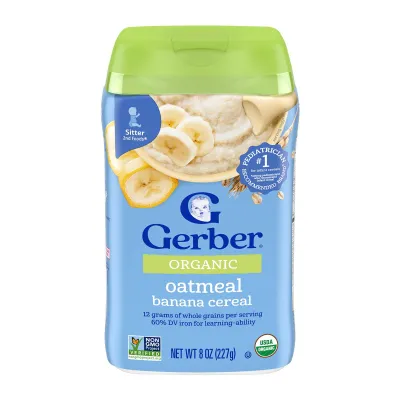
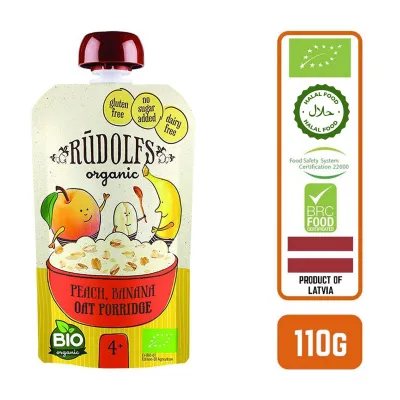
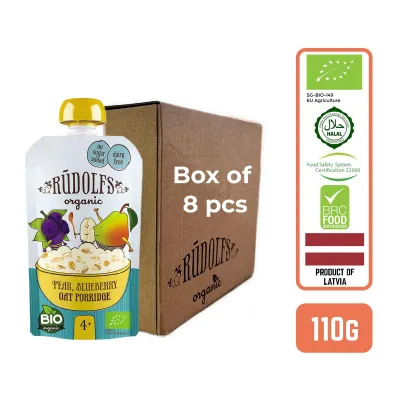
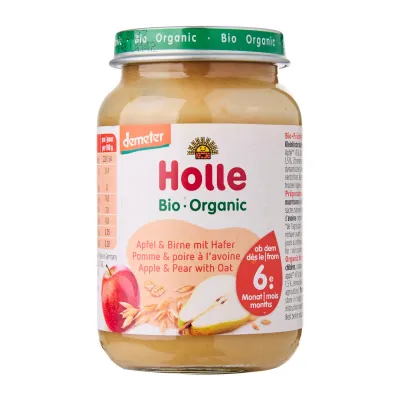
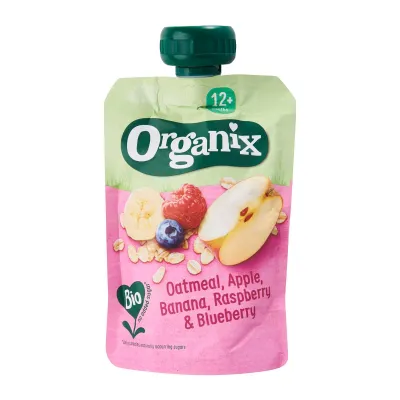
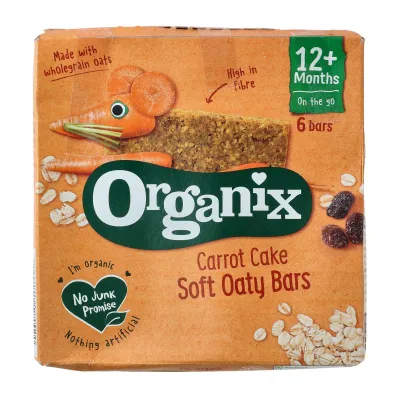
Prices are valid at publication and may change. Please refer to the product page for the latest price.
Oats are also a natural source of plant-based protein, B vitamins (including thiamine and riboflavin), and essential minerals like magnesium, zinc, and phosphorus. While these naturally occurring nutrients are highly beneficial, they are generally not sufficient on their own to meet an infant’s rapid developmental needs after six months. This is why commercial baby oat cereals are typically fortified with extra vitamins and minerals.
While oats are generally well-tolerated and considered a low-allergen food, they are not completely free of risk. Some infants may experience sensitivity to oats or cross-reactive proteins. When introducing oats baby cereal for the first time, it is crucial to offer it in isolation for three to five days without introducing other new foods. This allows you to monitor your baby closely for any signs of an allergic reaction, such as skin rashes, vomiting, diarrhea, or respiratory changes. Always consult your pediatrician before starting solids, particularly if your family has a history of food allergies.
What to Check on the Label: Ingredients, Iron, and Allergens
To make an informed decision at the grocery store, you must look beyond the marketing claims on the front of the packaging and carefully read the ingredient list and nutrition facts panel. Not all baby cereals are created equal, and some may contain unnecessary additives that are unsuitable for a developing infant.

Ingredient Quality and Purity
The very first ingredient listed on the package should always be whole grain oat flour or organic whole grain oats. This ensures your baby is receiving the full nutritional benefits of the entire grain, including the germ, endosperm, and bran. Avoid products that list added sugars, cane syrup, fruit juice concentrates, or sodium. Infants do not need added sugars or salt in their diets, and introducing these early can shape unhealthy taste preferences that persist into childhood. Additionally, never feed your baby any cereal containing honey if they are under one year of age, as honey carries a risk of infant botulism, a rare but serious paralytic illness.
Iron Fortification Levels
Iron is a critical nutrient for brain development, oxygen transport, and overall growth. Full-term infants are born with natural iron stores that typically begin to deplete around six months of age. Because breast milk is naturally low in iron, introducing iron-rich solid foods is essential. When reviewing the nutrition facts panel, look for cereals that are fortified with iron (often listed as electrolytic iron or ferrous fumarate). To maximize iron absorption, consider pairing the cereal with foods rich in vitamin C, such as pureed strawberries, pears, or apples. Some commercial cereals already include vitamin C (ascorbic acid) in their formulation to aid this process naturally.
Allergen and Cross-Contamination Risks
Pure oats are naturally gluten-free. However, because oats are frequently grown, harvested, and processed using the same equipment as gluten-containing grains like wheat, barley, and rye, cross-contamination is incredibly common. If your baby has been diagnosed with celiac disease, a wheat allergy, or a severe gluten sensitivity, standard oat cereals may trigger an adverse reaction. In these cases, you must specifically look for products certified as “Gluten-Free.” This certification guarantees that the oats were handled in dedicated facilities and tested to meet strict gluten-free safety standards.
Manufacturer Warnings and Age Suitability
Always check the packaging for the manufacturer’s age recommendations or developmental milestones (such as “supported sitter” or “6 months+”). These guidelines are based on the cereal’s texture, particle size, and digestibility. Never ignore these warnings, as feeding a baby cereal that is too thick or complex for their developmental stage can pose a serious choking hazard or cause digestive distress.
Top Baby Oat Cereal Brands to Consider in Singapore
Selecting the right brand involves balancing nutritional needs, ingredient preferences, and convenience. The following options represent some of the most prominent baby oat cereals available in Singapore through major supermarkets, pharmacies, and reputable online merchants.
Best for Balanced Nutrition and Iron Fortification: Gerber Oatmeal Single Grain Baby Cereal
Gerber is one of the most recognizable names in infant nutrition globally, and its single-grain oatmeal cereal is a staple for many families in Singapore. This product is specifically designed for babies who are ready to transition to solids (typically around six months of age, or when they can sit with support). The primary strength of Gerber’s formulation is its robust iron fortification, designed to provide up to 60% of an infant’s daily iron requirement in a single serving. It also contains essential B vitamins, vitamin E, zinc, calcium, and vitamin C to support healthy growth and immune function.
The texture of Gerber Oatmeal is exceptionally fine, allowing it to dissolve smoothly when mixed with breast milk, infant formula, or warm water. This makes it an excellent starter cereal for beginners who are still mastering the oral motor skills required to swallow solids. However, parents should carefully review the packaging, as some Gerber formulations contain soy lecithin or are processed in facilities that handle wheat and milk. If your baby has known food sensitivities, verify the specific allergen declarations on the package before purchase. Gerber products are widely available in Singapore at major supermarkets like FairPrice and Cold Storage, as well as online marketplaces, generally falling into a highly accessible, budget-friendly price band (typically under S$10 per container).
Best Organic and Minimal-Ingredient Choice: Earth's Best Organic Whole Grain Oatmeal Cereal
For parents who prioritize organic farming and minimal processing, Earth’s Best Organic Whole Grain Oatmeal Cereal is a premier choice. Certified organic by the USDA, this cereal is crafted from non-GMO whole grain oat flour without any artificial colors, flavors, or preservatives. It offers a clean-label alternative for families who want to minimize their baby’s exposure to synthetic pesticides and agricultural chemicals.
Earth’s Best fortifies its oatmeal with iron, though the exact percentage may vary slightly compared to mainstream conventional brands. It provides a solid nutritional foundation while keeping the ingredient list remarkably short and transparent. Because it lacks artificial emulsifiers, the texture may feel slightly more rustic or textured than highly processed cereals. This is excellent for babies who have already accepted very smooth purees and are ready to experience slightly more defined textures. A potential drawback is that because it is an imported organic product, it sits in a slightly higher price band (typically S$10 to S$15) and may occasionally face stock fluctuations in local Singapore supermarkets. It is best sourced through larger supermarkets, specialty organic grocers, or major online marketplaces.
Best Gentle Option for Sensitive Digestion: Happy Baby Organics Oatmeal Baby Cereal
Happy Baby Organics offers an oatmeal cereal designed with digestive comfort in mind. This organic cereal is milled to an ultra-soft consistency that is incredibly gentle on a baby’s developing gastrointestinal tract. It is fortified with iron and contains added vitamin C to actively enhance iron absorption, making it a highly efficient option for meeting nutritional goals.
What sets this brand apart is its focus on clean ingredients and allergen transparency. It is a fantastic option for babies transitioning from milk to solids who are prone to mild tummy discomfort or gas. The cereal mixes effortlessly into a silky puree, reducing the risk of clumping which can sometimes cause gagging in sensitive infants. However, because of its premium organic status and specialized formulation, it is generally priced in the mid-to-high range in Singapore. Parents should always inspect the packaging to verify the presence of any specific certifications and ensure the product matches their baby’s developmental stage. You can find Happy Baby products in select premium supermarkets, baby specialty stores, and major Singapore-based ecommerce platforms.
Best Accessible Supermarket Brand: Bellamy's Organic Baby Porridge
Bellamy’s Organic is an Australian brand that enjoys immense popularity and widespread availability across Singapore. Their Baby Porridge (which primarily features organic oat flour and organic spelt flour) is an outstanding option for parents seeking a reliable, high-quality organic cereal that can be easily picked up during a routine grocery run. It is certified organic by Australian regulatory bodies, ensuring strict adherence to clean farming standards.
Bellamy’s Organic Baby Porridge is formulated to be smooth and easy to prepare, making it highly convenient for busy caregivers. It provides a natural source of energy and fiber, though parents should note that Australian organic standards limit the synthetic fortification of baby foods. As a result, Bellamy’s may contain lower levels of added iron compared to US-formulated brands like Gerber. If you choose this cereal, it is advisable to pair it with iron-rich purees (such as pureed meats, lentils, or spinach) or consult your pediatrician to ensure your baby’s iron needs are fully met. Bellamy’s is highly accessible in Singapore, stocked in nearly every major FairPrice, Cold Storage, Giant, and local pharmacy, offering excellent organic value in a moderate price band (around S$8 to S$12 per pouch).
How to Prepare, Serve, and Store Baby Oat Cereal Safely
Preparing baby oat cereal safely involves more than just mixing powder and liquid. Because infants have highly sensitive immune and digestive systems, strict hygiene and preparation protocols are essential to prevent foodborne illness and choking hazards.
Step-by-Step Preparation and Texture Graduation
When preparing the cereal, always wash your hands thoroughly with soap and water, and ensure all utensils and bowls are completely clean. Mix the dry cereal with breast milk, infant formula, or cooled, previously boiled water according to the manufacturer’s instructions. For beginners who are just starting solids at six months, aim for a very thin, runny consistency—almost like warm milk. This helps your baby learn how to swallow a new texture without choking. As your baby’s oral motor skills improve over the coming weeks, you can gradually increase the ratio of dry cereal to liquid, transitioning to a thicker, spoonable porridge.
Crucial Safety Boundaries
Safety must always be your top priority during mealtime. Never add honey to the cereal for babies under 12 months due to the risk of infant botulism. Avoid using cow’s milk as a primary drink or mixing liquid before one year of age, though small amounts may be used in cooking if your pediatrician approves. Do not mix large, hard chunks of fruit, whole berries, or whole nuts into the cereal, as these are severe choking hazards; instead, use completely smooth purees. Always ensure your baby is seated fully upright in a secure high chair, and never leave them unattended while eating. If you notice any signs of allergic reaction—such as hives, swelling, vomiting, or difficulty breathing—stop feeding immediately and seek professional medical attention.
Hygiene and Storage Rules
Store unopened packages of dry baby cereal in a cool, dry pantry away from direct sunlight. Once a package is opened, seal it tightly and use it within the manufacturer’s recommended timeframe (usually 30 days) to ensure freshness and prevent pest contamination. Never save or reuse leftover prepared cereal that your baby has already touched. Saliva contains enzymes and bacteria that begin breaking down the food immediately, creating a breeding ground for harmful pathogens in the bowl. Always discard any uneaten cereal at the end of the meal.
Frequently Asked Questions (FAQ)
Can I give regular adult rolled oats to my baby?
While regular adult rolled oats or instant oats are highly nutritious, they are not ideal for young infants starting solids. Adult oats are not milled to the ultra-fine consistency required for babies, presenting a significant choking hazard unless they are thoroughly blended into a fine powder before cooking. Furthermore, adult oats lack the targeted iron and vitamin fortification found in commercial baby cereals. If you choose to prepare homemade oat cereal using adult oats, you must ensure your baby receives adequate iron from other dietary sources, such as pureed meats or dark leafy greens, under the guidance of a pediatrician.
How much oat cereal should a baby eat per day?
When first introducing oats baby cereal at around six months, start with a very small amount—typically 1 to 2 tablespoons of prepared, runny cereal once a day. This allows your baby to get used to the spoon and the new sensation of swallowing solids. As your baby grows and displays active hunger cues, you can gradually increase the portion size to 3 to 4 tablespoons, offered once or twice daily. Remember that during the first year of life, breast milk or infant formula remains your baby’s primary source of nutrition and hydration; solid foods are meant to complement, not replace, milk feeds.
Does oat cereal cause constipation in babies?
Unlike traditional single-grain rice cereal, which is notorious for causing constipation in some infants, oat cereal is generally very gentle on the digestive tract. Oats contain a high amount of natural soluble fiber, which helps keep stools soft and promotes regular bowel movements. However, any transition to solid foods can temporarily alter a baby’s digestion. If your baby experiences hard stools or mild constipation after starting oat cereal, ensure they are receiving adequate fluids from breast milk or formula. You can also mix the oat cereal with high-fiber fruit purees, such as prunes, pears, or peaches, to help ease digestion.
Community discussion
Share your experience or ask a question. Comments are reviewed before publication.