
The safest, most effective baby nail file for a newborn is one specifically designed to protect ultra-delicate infant skin while offering precise control. Ultra-fine manual emery boards, specialized baby glass files, and low-speed electric trimmers with newborn-specific pads are the top choices for parents navigating early infant grooming.
Selecting the ideal tool depends heavily on your comfort level, manual dexterity, and how your baby reacts to noise, touch, and physical restriction. Some parents prefer the absolute control of a manual glass file, while others value the speed and built-in safety features of an electric trimmer.
Before purchasing any grooming tool, always verify the core safety specifications on the product packaging. Look for ultra-fine grit surfaces, smooth rounded edges, and non-toxic, BPA-free materials to ensure the product is safe for newborn contact.
Products mentioned in this guide
![[SG SELLER] Electric Baby Nail Trimmer with LED Light 6 in 1 Baby Nail File Kit No Claws Hurt for Newborn Toddler](https://img.lazcdn.com/g/p/02552c6b2758eefb2cb6fa7e9c4e898d.jpg_400x400q80.jpg_.webp)
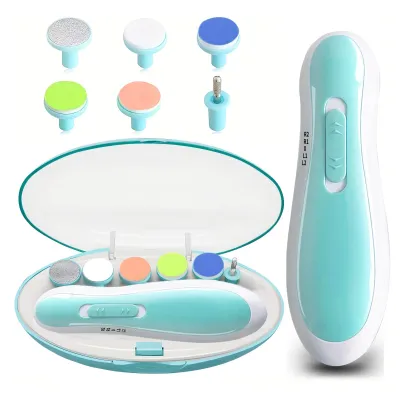
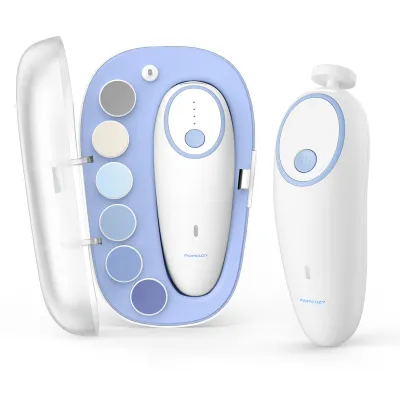

![[Upgraded Version] 9-in-1 Safe USB Rechargeable Electric Baby Nail Trimmer Grinder with Case Baby Nail File Kit](https://img.lazcdn.com/g/p/499a43acacd41da67a7e44c373d94ac5.jpg_400x400q80.jpg_.webp)
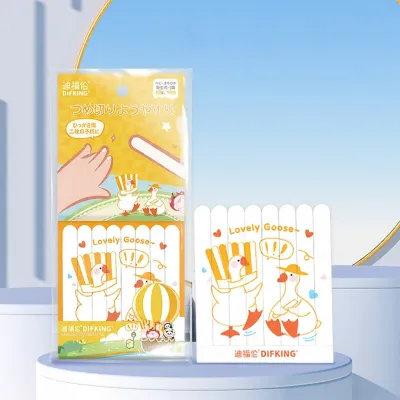
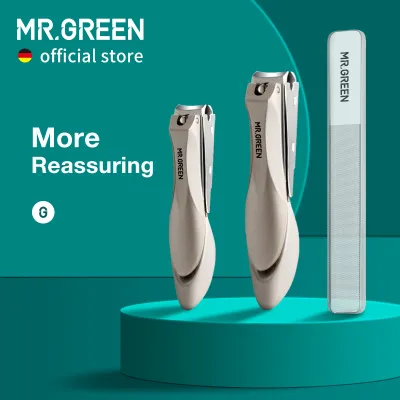
Prices are valid at publication and may change. Please refer to the product page for the latest price.
No grooming tool can replace active parental supervision. Always follow the manufacturer’s age guidelines, inspect the device before each use, and keep all nail care accessories out of your infant’s reach.
Why Filing Is Safer Than Clipping for Newborn Nails
Newborn nails are surprisingly sharp, yet they are incredibly soft, thin, and pliable. Unlike adult nails, an infant’s nail plate is closely fused to the underlying nail bed, and the surrounding skin is highly delicate and easily pinched.
Using traditional metal baby clippers or scissors on a wriggling newborn introduces a high risk of accidentally cutting the skin. These accidental nicks can cause pain, bleeding, and open the door to localized skin infections on tiny fingertips.
Clipping can also leave sharp, jagged corners that may catch on clothing or cause ingrown nails as the nail grows. Filing, by contrast, gently wears down the nail edge, smoothing away sharp points without risking deep cuts or structural damage to the nail bed.
If you feel unsure about your newborn’s nail care, or if your baby has unusually thick, curved, or peeling nails, consult your pediatrician or a qualified healthcare professional before proceeding with any grooming routine.
Types of Baby Nail Files: Electric, Glass, and Emery Compared
Selecting the right baby nail file involves understanding the distinct categories available on the market today: electric trimmers, tempered glass files, and traditional emery or sponge boards.

Each type offers unique benefits and trade-offs regarding safety, material durability, and ease of use. Your choice will ultimately depend on your budget, your baby’s sensitivity to physical vibrations or motor noise, and whether you prefer manual control or automated assistance.
Electric Baby Nail Files and Trimmers
Electric baby nail files operate using a battery-powered rotating head onto which you attach cushioned pads with varying grit levels. These devices are designed to file down the nail gently through rapid, low-impact rotation, reducing the manual effort required from parents.
- Pros: Reduces physical effort, often features built-in LED lights for low-light grooming, and includes auto-stop mechanisms that halt rotation if pressed too hard against the skin.
- Cons: Motor noise and vibration may startle or distress sensitive newborns; requires ongoing battery management or recharging.
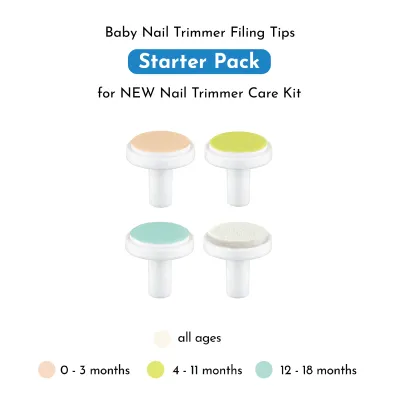
Before using an electric trimmer, verify that the device includes a dedicated low-speed setting and an ultra-fine grit pad specifically labeled by the manufacturer for newborns aged 0 to 3 months.
Glass Nail Files
Baby glass nail files are crafted from high-quality tempered glass featuring a micro-abrasive, chemically etched surface. These files smooth the nail edge cleanly, sealing the keratin layers to prevent peeling or splitting.
- Pros: Exceptionally gentle, highly hygienic, easy to clean and sterilize, and extremely durable as the abrasive surface does not wear down over time.
- Cons: Fragile and can shatter or chip if dropped on hard surfaces; generally carries a higher upfront cost than disposable options.
When shopping for a glass file, always check the product specifications to ensure the file is specifically sized for tiny baby fingers and features rounded, smooth edges to prevent accidental poking.
Emery Boards and Sponge Files
Traditional emery boards and sponge files consist of a flexible cardboard or foam core coated with a fine abrasive material. These manual tools are highly affordable, lightweight, and completely silent.
- Pros: Very affordable, lightweight, highly flexible (especially sponge-backed variants), and completely silent for distraction-free grooming.
- Cons: Wears out quickly, cannot be wet-sanitized, and may harbor bacteria if reused excessively over a long period.
Always verify that the packaging specifies “ultra-fine” or “baby-safe” grit before purchase. Never use standard adult emery boards on a newborn, as their coarse grit can easily cause painful micro-tears on an infant’s delicate skin.
Essential Safety Features and Materials to Verify Before Buying
When shopping for a baby nail file, you must carefully evaluate the product specifications, labels, and manufacturer warnings to ensure the tool is safe for newborn use.
- Grit Level: The abrasive surface must be ultra-fine. Coarser grits can quickly abrade the soft skin surrounding the nail bed, causing pain and bleeding. Look for pads or files explicitly labeled for newborns or infants aged 0 to 3 months.
- Material Safety: Infant grooming tools must be made from non-toxic, safe materials. Verify on the product packaging that the plastic components are BPA-free, phthalate-free, and lead-free, especially since babies frequently put their hands in their mouths.
- Ergonomics and Grip: A secure grip is essential for precise control. Look for files or electric trimmers with non-slip handles, ergonomic shapes, or textured grips that fit comfortably in your hand, preventing accidental slips during use.
- Edge Design: For manual files, the tips and edges must be rounded and smooth. Sharp or pointed tips on a nail file can easily poke a baby's eyes, face, or delicate cuticles if they make sudden movements.
- Noise Levels: If you choose an electric trimmer, check the manufacturer's decibel (dB) ratings or user reviews regarding motor noise. A quiet motor (ideally under 35 to 40 dB) is crucial to avoid waking or startling a sleeping baby.
Always read and strictly adhere to the manufacturer’s age recommendations, weight limits, and specific safety warnings included in the product documentation.
Step-by-Step Guide to Filing Your Newborn's Nails Safely
Filing a newborn’s nails requires patience, preparation, and a gentle touch. Following a structured approach helps minimize movement and keeps the experience stress-free for both parent and baby.
- Timing: Choose a moment when your baby is calm, relaxed, or distracted. The ideal times are during a deep sleep, immediately after a bath when the nails are softest, or during a quiet feeding session when their movements are minimal.
- Lighting: Ensure you are working in a well-lit room with bright, direct light so you can clearly see the boundary between the nail and the skin. If using an electric trimmer, utilize the built-in LED light to illuminate the tiny fingertips.
- Technique: Securely hold your baby's hand and gently press the finger pad away from the nail to expose the edge and create a safe buffer. If using a manual file, file in one gentle, continuous direction rather than sawing back and forth. If using an electric trimmer, hold the rotating pad at a slight angle and move it in gentle, slow arcs across the nail edge, avoiding direct contact with the skin.
- Frequency: Newborn nails grow remarkably fast and can become sharp within days. Check your baby's nails every few days and file them as needed to prevent self-scratching, rather than sticking to a rigid weekly schedule.
Stop the filing process immediately if your baby becomes highly distressed, starts wriggling excessively, or if the skin surrounding the nail turns red or irritated. Always prioritize safety over a perfectly filed nail. If you notice any signs of infection, swelling, or unusual nail growth, stop using all tools and consult a qualified healthcare professional or pediatrician.
Frequently Asked Questions (FAQ)
How often should I file my newborn's nails?
Newborn nails grow rapidly and typically require filing one to two times a week to prevent them from scratching their face. Regularly inspect your infant’s fingertips and file the nails as soon as they feel sharp or jagged, rather than waiting for a set day.
Can I use an adult glass nail file on my baby?
No, you should avoid using adult glass nail files on a newborn. Adult files are generally much larger, making precise control difficult on tiny fingers, and their abrasive grit is often too coarse, which can easily damage a newborn’s delicate skin and soft nails. Always choose files specifically designed and sized for infants.
What should I do if I accidentally file my baby's skin?
If you accidentally graze or nick your baby’s skin, remain calm and apply gentle pressure to the area with a clean, damp cloth or sterile gauze until any minor bleeding stops. Do not apply adhesive bandages to a newborn’s fingers, as these pose a severe choking hazard if the baby puts their hand in their mouth. If the bleeding does not stop after a few minutes, or if you observe signs of infection such as redness, swelling, or warmth in the following days, consult a doctor or healthcare professional immediately.
Community discussion
Share your experience or ask a question. Comments are reviewed before publication.