
Trimming a newborn’s nails is one of the most nerve-wracking tasks for new parents in Singapore. Those tiny, paper-thin nails grow incredibly fast and can easily scratch a baby’s delicate face, yet the fear of accidentally clipping a tiny finger often causes immense anxiety. Finding the right baby nail cutter is key to making this routine grooming task safe, stress-free, and efficient.
The best baby nail cutter for your newborn depends entirely on your personal comfort level and your baby’s temperament. For anxious parents, an electric baby nail trimmer is often the safest choice because it files the nail down gently without any risk of cutting the skin. Alternatively, rounded-tip baby safety scissors offer unmatched precision and control for trimming soft, pliable newborn nails, while specialized manual clippers with safety guards work well for quick trims once you build up your confidence.
Quick Guide to Choosing a Newborn Nail Cutter
Selecting the ideal nail care tool for your infant does not have to be overwhelming. If you are highly anxious about nicking your baby’s skin, start with an electric trimmer that uses rotating cushioned pads to file nails down safely. Parents who prefer classic precision often find that rounded-tip safety scissors provide the best visibility and control over the cutting line.
Products mentioned in this guide
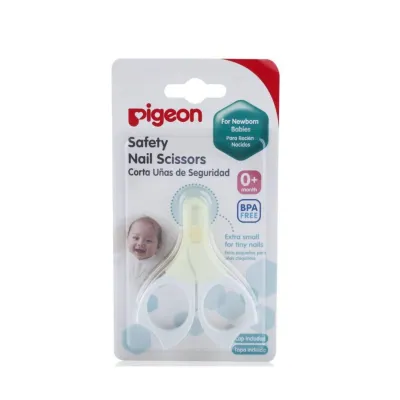
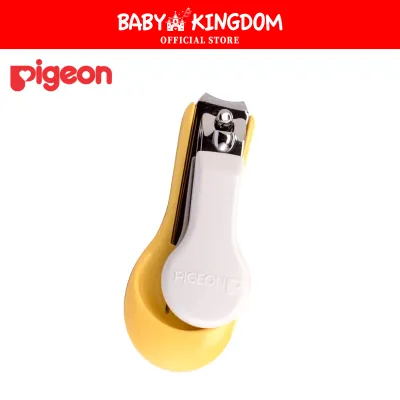
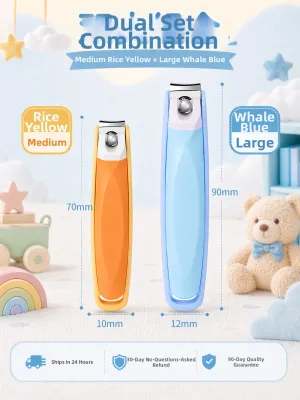
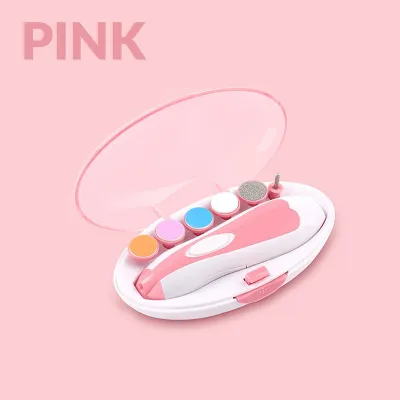
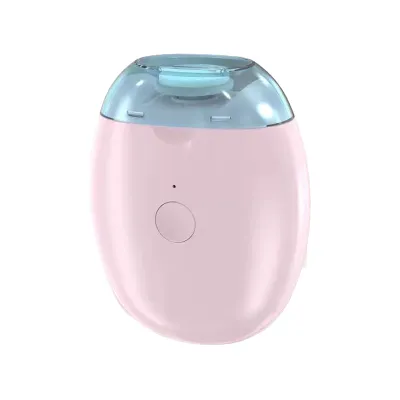
Prices are valid at publication and may change. Please refer to the product page for the latest price.
Manual baby clippers are excellent for fast, clean cuts, but they require a very steady hand and are often easier to use as the baby grows. Always check the product packaging to ensure the tool is explicitly labeled for newborns (0+ months) and follow the manufacturer’s safety instructions before use.
Why You Need a Dedicated Newborn Nail Cutter
Using standard adult nail clippers on a newborn is highly risky and strongly discouraged by pediatricians. Adult clippers are designed for thick, rigid nails and feature large, curved blades that completely block your view of a tiny fingertip. Because adult tools apply blunt, heavy pressure, they can easily crush or tear a baby’s soft nail rather than cutting it cleanly.

Newborn nails are structurally very different from adult nails. They are exceptionally soft, highly flexible, and grow directly out of a delicate nail bed that is tightly adhered to the surrounding skin. The skin on a newborn’s fingertip is incredibly plump, meaning it easily bunches up over the edge of the nail.
Specialized baby nail cutters are engineered with miniaturized blades, custom safety guards, or gentle filing mechanisms specifically designed to protect these tiny, sensitive fingers from painful pinches and cuts. Investing in a dedicated tool ensures you can groom your baby’s nails without risking damage to their delicate skin.
Types of Baby Nail Cutters for Newborns
Navigating the baby care aisle can be confusing with so many grooming options available. Choosing the right style of nail cutter is a personal decision that balances your own coordination with how easily your baby startles. Understanding how each tool operates helps you select the most stress-free option for your household.
Baby Nail Scissors
Many pediatricians and experienced parents consider rounded-tip baby nail scissors to be the premier choice for newborns. Because a newborn’s nails are incredibly soft and paper-thin, scissors allow you to slide the blunt blade gently under the nail edge for a clean, controlled cut. This shearing action places far less pressure on the delicate nail bed compared to the crushing motion of manual clippers.
The primary advantage of baby safety scissors is the unobstructed view they provide during the trimming process. You can see exactly where the metal meets the nail, minimizing the risk of accidental nicks. However, using scissors requires a steady hand and a calm baby, as any sudden movements require you to pull the blades away instantly. If you choose scissors, look for models with large, comfortable finger loops that give you a secure, slip-free grip.
Baby Nail Clippers
Manual baby nail clippers are designed to look like miniature versions of adult clippers, but they incorporate crucial safety modifications. Many models feature a built-in safety guard that limits how much of the nail can enter the cutting area, preventing you from cutting too close to the quick. Other designs include integrated magnifying glasses or small LED lights to illuminate the tiny fingertip and improve your line of sight.
While manual clippers are highly efficient and produce quick results, they can be challenging to use on very active newborns. The clipping mechanism requires a brief moment of pressure, during which a sudden wiggle from your baby can result in a painful skin pinch. For this reason, many parents prefer to save manual clippers for slightly older infants whose nails have hardened, or they use them exclusively while the baby is in a deep sleep.
Electric Nail Trimmers and Files
Electric baby nail trimmers have soared in popularity among Singapore parents due to their outstanding safety profile. These battery-operated devices do not use blades at all; instead, they utilize a rapidly rotating, cushioned filing pad to gently wear down the nail edge. If the rotating pad accidentally touches your baby’s surrounding skin, it simply stops spinning or causes no discomfort, completely eliminating the fear of cutting the skin.
Most electric trimmer kits come with a variety of color-coded filing discs, each featuring a different grit level tailored to specific age ranges. It is vital to verify that you are using the ultra-soft disc specifically designated for newborns (0+ months) to avoid irritating the delicate nail bed. While these trimmers are incredibly safe, they do take longer to complete a full trim than manual scissors, and the subtle motor vibration or humming noise may occasionally startle a highly sensitive baby.
Essential Safety Features to Check Before Buying
When shopping for a baby nail cutter in Singapore, safety should always be your primary consideration. Do not rely solely on attractive packaging or brand names; instead, inspect the physical design of the tool to ensure it meets high safety standards.
For manual scissors, check that the tips are completely rounded and blunt to prevent accidental puncture wounds if your baby moves suddenly. The blades should be made of high-quality, rust-resistant stainless steel, which is especially important in Singapore’s humid climate to prevent corrosion and maintain a hygienic cutting edge. The handles should feature an ergonomic, non-slip rubberized grip that fits comfortably in your fingers, ensuring you maintain absolute control.
If you are purchasing manual clippers, look for models that feature a textured lever to prevent your thumb from slipping during a cut. An integrated LED light or a movable magnifying lens can be incredibly helpful for navigating tiny fingers in low-light conditions. For electric nail files, verify that the device features multiple speed settings, as a slow, gentle speed is essential for protecting a newborn’s soft nails.
Regardless of the tool type, always verify that the manufacturer explicitly states the product is suitable for newborns or labeled as “0+ months.” Look for kits that include a protective storage case or cap to keep the blades or filing pads clean, dry, and free from household dust. Finally, check that all plastic components are labeled as BPA-free to ensure they are safe for use around your infant.
Buying Baby Grooming Tools in Singapore
To ensure you are purchasing authentic, high-quality grooming tools, it is best to buy from established, reputable sources. In Singapore, physical baby specialty stores like Mothercare or Motherswork offer a curated selection of trusted brands where you can physically inspect the build quality before buying. Major pharmacy chains such as Guardian, Watsons, and Unity also stock reliable, safety-tested baby grooming products in their baby care aisles.
If you prefer online shopping, stick to official brand flagship stores on major e-commerce platforms to avoid counterfeit items. Avoid purchasing unbranded, extremely cheap grooming sets from unverified third-party sellers. Counterfeit or low-quality tools often feature poorly finished metal blades with microscopic burrs, weak springs that can jam, or cheap plastics that may trigger allergic skin reactions.
When your purchase arrives, carefully inspect the product packaging before opening it. Ensure that the manufacturer’s contact details, safety warnings, and age-suitability labels are clearly printed on the box. Check that the safety seals are completely intact, and thoroughly sanitize the tool according to the manufacturer’s care instructions before using it on your newborn for the first time.
How to Safely Trim Your Newborn's Nails
Establishing a calm, methodical routine is the best way to make nail trimming a safe and stress-free experience for both you and your baby. Patience and proper technique are far more important than speed when working with tiny newborn fingers.
Timing is everything when it comes to baby nail care. The easiest time to trim your baby’s nails is when they are deeply asleep, feeding, or immediately after a bath when their nails are at their softest and most pliable. Ensure you are working in a well-lit room, or use a tool with an integrated LED light so you have a perfectly clear view of the fingertips.
To begin, hold your baby’s hand securely but gently. Use your thumb to press the skin of the baby’s finger pad downward and away from the nail edge; this action creates a clear gap between the nail and the delicate skin underneath, preventing accidental nicks. For fingernails, trim carefully along the natural curve of the finger to avoid leaving sharp corners. For toenails, always cut straight across to prevent the nail from growing into the surrounding skin, which can cause painful ingrown toenails.
Keep a strict safety boundary in mind: if your baby becomes fussy, starts squirming, or resists your hold, stop the session immediately. It is much safer to trim just one or two nails at a time and return to the task later than to force a cut while your baby is moving. Once you finish trimming, gently run your own finger over the baby’s nails to check for any remaining sharp points, and use a soft baby emery board to smooth them out.
If an accidental nick does occur, try to remain calm, as babies easily pick up on parental anxiety. Immediately rinse the tiny cut with cool water, and apply gentle, firm pressure with a clean, sterile gauze pad or tissue until the bleeding stops. Never apply adhesive bandages, liquid skin sealants, or plasters to a newborn’s fingers, as these can easily loosen and present a severe choking hazard if the baby puts their hands in their mouth. If the cut appears deep, does not stop bleeding after several minutes of direct pressure, or shows signs of redness and swelling in the following days, consult a pediatrician promptly.
Frequently Asked Questions (FAQ)
How often should I trim my newborn's nails?
Newborn fingernails grow incredibly fast and typically require trimming once or twice a week to prevent your baby from scratching their own face or eyes. In contrast, newborn toenails grow much slower and usually only need to be trimmed once or twice a month. A good habit is to gently run your finger over your baby’s nails every few days to feel for any sharp, jagged edges that require attention.
Is it safe to bite my newborn's nails to trim them?
No, biting your newborn’s nails is highly discouraged by medical professionals and pediatricians. An adult’s mouth contains a high concentration of bacteria, which can easily be transferred into microscopic cuts around your baby’s nail bed, leading to painful infections like paronychia. Additionally, biting lacks the precision of specialized tools, making it very easy to accidentally tear the delicate nail bed or bite the baby’s sensitive skin.
What should I do if I accidentally cut my baby's skin?
If you accidentally nick your baby’s skin, stay calm and rinse the area with cool water. Press a clean, sterile tissue or gauze pad firmly against the cut for a few minutes until the bleeding stops completely. Do not use adhesive bandages, liquid plasters, or antiseptic creams not cleared for newborns, as these pose a serious choking and ingestion hazard. If the bleeding persists or if you notice any signs of infection later, consult a pediatrician.
Community discussion
Share your experience or ask a question. Comments are reviewed before publication.