
Trimming a newborn’s paper-thin, rapidly growing nails is one of the most nerve-wracking tasks for new parents in Singapore. Because infants frequently explore their faces with their hands, long or sharp nails can quickly lead to painful scratches, especially in Singapore’s warm, humid climate where skin irritation or sweat rashes can prompt babies to scratch more often. Finding a reliable baby finger cutter—specially engineered for tiny fingers—is essential to keep your baby safe and comfortable.
The ideal nail care setup depends on your personal comfort level, your baby’s temperament, and the specific design features of the tool. While traditional clippers remain popular, modern electric files and safety scissors offer alternative ways to manage sharp edges without risking accidental nicks to delicate skin. By understanding the distinct features of each tool type, parents can make an informed choice that reduces anxiety and ensures a smooth grooming routine.
Key Features to Look for in a Baby Finger Cutter
When shopping for newborn nail care tools in Singapore, safety must be the primary filter. Infant nails are incredibly soft and pliable, yet they grow surprisingly fast. Standard adult grooming tools are far too large and sharp, presenting a high risk of pinching the baby’s delicate skin. To choose a safe and effective baby finger cutter, parents should evaluate several key design elements.
Products mentioned in this guide
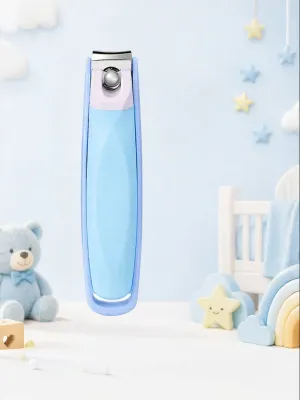
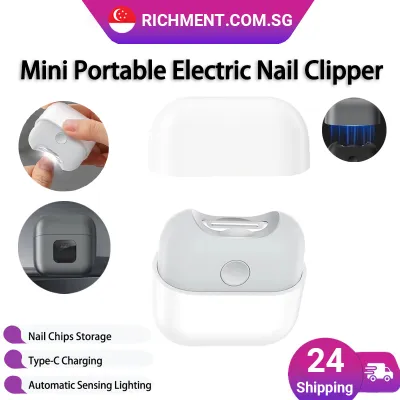
Prices are valid at publication and may change. Please refer to the product page for the latest price.
Blade Design and Scale The cutting edges of any infant nail tool must be scaled down to match the miniature size of a newborn’s fingers. For scissors and clippers, look for rounded tips rather than pointed ends to prevent accidental punctures if the baby wiggles. The blades should feature a slight curve that mimics the natural arc of a tiny fingernail. This ensures a clean, single-pass cut without leaving jagged corners that can catch on clothing or swaddles.
Safety and Visibility Features Poor visibility is a major contributor to grooming accidents. Many modern infant nail cutters incorporate built-in features to help parents see exactly where the blade meets the nail plate. Look for tools equipped with integrated magnifying glasses that enlarge the cutting area, or small LED lights that illuminate the finger. These features are particularly useful in Singaporean homes during evening feeds or nap times when overhead lighting is dimmed to encourage sleep.
Ergonomics and Grip Stability A slipping tool can easily cause a painful nick. The handle of the cutter should offer an ergonomic design that fits comfortably in an adult hand. Look for non-slip rubberized grips, wide finger loops, or textured surfaces that provide maximum control. The lever or handle mechanism should operate smoothly without requiring excessive force, allowing you to make precise, controlled movements.
Material Safety and Durability Because baby tools require frequent cleaning to prevent bacterial buildup, the materials must be highly durable and hygienic. Opt for rust-resistant, high-quality stainless steel for all metal cutting components. This is especially important in Singapore’s high humidity, where low-grade metals can corrode quickly. Any plastic housings or handles should be made from certified BPA-free materials to ensure they are safe if the baby accidentally touches or mouths them. Always verify any safety certifications or material claims directly on the manufacturer’s packaging before purchase.
Recommended Types of Baby Nail Care Tools
To find the best option for your household, it is helpful to understand the three primary categories of infant nail care tools. Each type offers a different balance of speed, precision, and safety.

Electric Baby Nail Files and Trimmers
Electric nail trimmers have surged in popularity among parents who are anxious about using sharp blades near their baby’s skin. These motorized devices offer a completely different approach to nail maintenance by filing rather than cutting.
How They Work These devices utilize small, battery-operated rotating pads covered in a gentle abrasive material. Instead of clipping the nail in one swift motion, the pad gently grinds down the nail edge. Most models come with color-coded filing pads designed for specific age ranges, with the softest, finest grits reserved for newborns. Always check the manufacturer’s manual to ensure you are using the correct pad for your baby’s specific age and development stage.
Pros of Electric Files The most significant benefit is safety. Because the cushioned pads stop rotating or slip harmlessly when they contact skin, there is virtually zero risk of cutting or pinching your baby’s fingers. They operate very quietly, allowing parents to file nails easily while the baby is asleep. Additionally, they naturally leave a smooth, rounded edge without the sharp corners that traditional clippers can sometimes leave behind.
Cons of Electric Files Filing a full set of nails typically takes longer than a quick clip with scissors or clippers. These devices also require ongoing maintenance, including regular battery replacements or recharging, as well as purchasing replacement filing pads as the abrasive surface wears down. Furthermore, as the baby grows and their nails thicken, a basic electric file may struggle to trim the nails efficiently, requiring an upgrade to coarser pads or a different tool type.
Buying Checklist for Electric Files
- Multiple Speed Settings: Look for at least two speed options to control the filing intensity.
- Reversible Rotation: A motor that rotates both clockwise and counter-clockwise makes it easier to trim both left and right hands from different angles.
- Age-Specific Pads: Verify that the kit includes ultra-fine filing pads specifically labeled for newborns (0–3 months).
- Whisper-Quiet Motor: Check product specifications for low-noise operation to ensure it won't wake a sleeping infant.
Baby Nail Scissors
Many pediatricians and experienced caregivers prefer baby nail scissors for newborns because they offer unparalleled precision and control.
Design Features Unlike household scissors, infant nail scissors feature very short, thin blades with distinctly rounded safety tips. The blades are slightly curved to help parents navigate the tiny, rounded shape of a newborn’s fingertips.
Pros of Baby Nail Scissors Scissors provide excellent visibility of the cutting line, allowing you to see exactly where the blade is positioned relative to the skin. This high level of visual feedback makes it easier to execute clean, precise cuts. They are also incredibly quiet, highly portable, and do not require batteries or replacement parts, making them a reliable, long-term tool.
Cons of Baby Nail Scissors Using scissors requires a steady hand and a confident grip. If your baby is highly active or prone to sudden, jerky movements, scissors carry a slightly higher risk of accidental nicks compared to electric files. Parents with larger fingers may also find some compact handle loops difficult to hold comfortably.
Buying Checklist for Baby Nail Scissors
- Protective Blade Cover: A snap-on cap keeps the blades clean and safe during storage.
- Ergonomic Finger Loops: Look for handles designed with comfortable, non-slip loops that accommodate adult fingers.
- Premium Stainless Steel: Ensure the blades are made from durable, rust-resistant stainless steel that maintains a sharp edge over time.
Baby Nail Clippers
Standard lever-style clippers are a familiar option for many parents, offering a quick and straightforward way to keep nails short.
Design Features Baby nail clippers are miniature versions of adult clippers, specifically scaled down to fit tiny infant fingernails. They feature a smaller jaw opening and a shorter lever to prevent over-clipping. Some models include integrated safety guards, magnifying attachments, or built-in catchers to collect nail clippings.
Pros of Baby Nail Clippers Clippers are highly efficient, allowing parents to trim nails quickly with a familiar, straightforward pinching motion. They are excellent for cutting straight across, which is particularly useful for preventing ingrown toenails. They are compact, inexpensive, and highly durable.
Cons of Baby Nail Clippers The design of a standard clipper can obscure the view of the nail bed, making it harder to see if you have accidentally caught a bit of the baby’s skin before pressing down. The straight or slightly curved jaws can also create sharp corners on the sides of the nail if not carefully rounded off, which may require additional filing.
Buying Checklist for Baby Nail Clippers
- Sized for Newborns: Ensure the cutting jaw width is specifically designed for infants rather than toddlers.
- Safety Guards or Magnifiers: Look for models with built-in features that enhance visibility or limit how much of the nail can enter the cutting jaw.
- Textured Lever: A textured or rubberized lever prevents your thumb from slipping during the cut.
Comparing Newborn Nail Trimmer Types
To help you decide which tool best fits your parenting style and comfort level, consider this quick-reference comparison of the three primary options.
| Tool Type | Safety Level for Newborns | Ease of Use | Speed | Best For |
|---|---|---|---|---|
| Electric Files | Excellent (Zero skin risk) | Moderate (Requires patience) | Slow | Anxious parents, sleeping babies |
| Baby Scissors | Good (High precision) | Moderate (Requires steady hand) | Medium | Precise daytime trimming, clear visibility |
| Baby Clippers | Fair (Risk of pinching skin) | Easy (Familiar mechanism) | Fast | Quick trims, thicker nails, toenails |
For anxious first-time parents, an electric baby nail file is often the most reassuring choice because it eliminates the fear of cutting the baby’s skin. On the other hand, parents who value speed and precision often prefer safety scissors, which allow for a quick, clean cut in a single motion.
Many Singaporean parents find that a hybrid approach works best. Keeping a combination of tools—such as an electric file for gentle touch-ups while the baby sleeps and a pair of safety scissors for quick daytime trims—provides the ultimate flexibility as your baby grows and their nail texture changes.
Safe Nail Trimming Techniques for Newborns
Trimming a newborn’s nails requires a calm environment, good lighting, and a structured approach. Following these practical steps will help minimize risks and make the experience stress-free for both you and your baby.
Optimal Timing and Environment Never attempt to trim a baby’s nails when they are hungry, overtired, or highly active. The best time to trim is immediately after a bath when the nails are softest and easiest to cut. Alternatively, many parents find success during a deep sleep or while the baby is calmly feeding. Ensure you are working in a well-lit room—position yourself near a bright window during the day or directly under a reliable light source in the evening.
Proper Hand Positioning and Caregiver Supervision Always perform nail trimming under direct caregiver supervision in a stable position. Hold your baby’s hand firmly but gently to prevent sudden movements. Secure the individual finger you are trimming between your thumb and forefinger. Gently press the sensitive finger pad away from the nail edge to expose the free edge of the nail clearly. This simple action creates a safe gap between the nail and the skin, significantly reducing the risk of accidental nicks.
First Aid for Minor Nicks Accidents can happen, even to the most careful parents. If you accidentally nick the skin and cause minor bleeding, do not panic. Calmly apply gentle pressure to the area using a clean, sterile cloth or gauze pad until the bleeding stops. Crucially, never apply adhesive bandages or plasters to an infant’s fingers. Newborns frequently put their hands in their mouths, making small bandages a severe choking hazard. If bleeding persists or you notice signs of infection, consult a qualified pediatrician or medical professional immediately.
Recognizing When to Stop Always pay close attention to your baby’s cues. If your baby becomes highly distressed, wiggles excessively, or if you feel your own anxiety rising, stop the process immediately. It is perfectly fine to trim only one or two nails at a time and return to the task later when both you and your baby are calm. Always prioritize safety and comfort over completing the task in one sitting. For cleaning and sanitizing the tool, always refer to the manufacturer’s care instructions to avoid damaging the components.
Frequently Asked Questions (FAQ)
How often should I trim my newborn's nails?
Newborn fingernails grow incredibly fast and typically require trimming one to two times per week to prevent them from becoming sharp and causing scratches. In contrast, newborn toenails grow much slower and generally only need to be trimmed once or twice a month. Regularly inspect your baby’s fingers and toes to feel for sharp corners or rough edges that may require a quick touch-up.
Is it safe to use adult nail clippers on a newborn?
No, it is highly unsafe to use adult nail clippers on a newborn. Adult clippers feature wide, sharp blades designed for thick, rigid nails, making them far too large and powerful for an infant’s tiny, soft fingers. Using adult tools significantly increases the risk of cutting the delicate skin of the fingertip or nail bed. Always use grooming tools that are specifically scaled, designed, and certified safe for infant anatomy.
Community discussion
Share your experience or ask a question. Comments are reviewed before publication.