
Choosing the right baby knee guard brand in Singapore requires balancing your child’s developmental milestones with the practical realities of tropical weather and home flooring. Active babies exploring hard marble, ceramic, or polished vinyl floors benefit from targeted knee protection, but the wrong material can quickly lead to painful chafing or heat rash. While bare-knee crawling on clean, safe indoor surfaces is highly recommended for natural sensory and motor development, knee guards serve as excellent supplementary tools for rougher surfaces, outdoor play, or extended exploration.
To find the ideal fit, parents must look beyond generic marketing claims and evaluate specific design features, material compositions, and sizing options. The best brand for your baby is one that matches their current crawling style, fits securely without restricting circulation, and uses highly breathable fabrics designed to withstand humid conditions. Always remember that protective gear is a supportive aid and never replaces active adult supervision during play.
Understanding Your Baby's Crawling Stage and Protection Needs
Every baby progresses through crawling milestones at their own pace, and each phase introduces different physical demands on their knees and joints. Recognizing your baby’s current movement pattern is the first step in determining what level of knee protection they require, if any.
Products mentioned in this guide


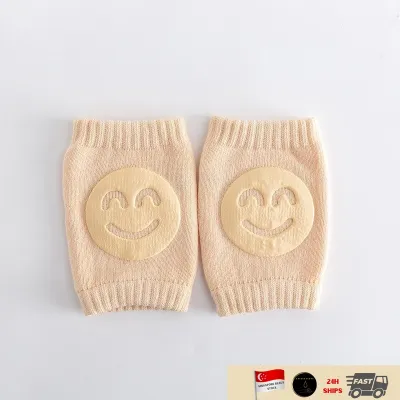
![[LocalStock] Baby Toddler Knee Protector Knee Pad Anti-Slip Crawling Pad Knee Guard Baby Care](https://img.lazcdn.com/g/p/d9bdfa9f4c5be0c40ac6f61d44788f66.jpg_400x400q80.jpg_.webp)
![[LocalStock] 2 pairs of Baby Toddler Knee Protector Knee Pad Anti-Slip Crawling Pad Knee Guard Baby Care](https://img.lazcdn.com/g/p/2d5908c65629fc95f8853dc61ceecdf8.jpg_400x400q80.jpg_.webp)
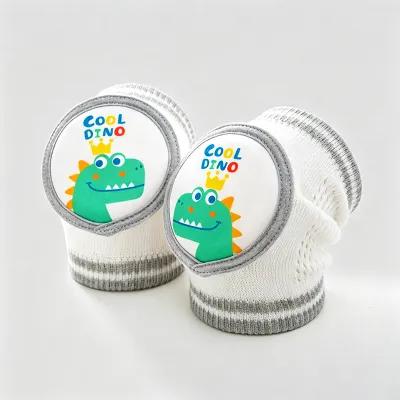
![[SG Ready Stock] SOC006A Baby Boy Girl Crawling Pad Baby Knee Elbow Guard Socks Embroidered details [Little Gems] Breathable Durable Cute unisex bear bunny](https://img.lazcdn.com/g/p/1daa9e1e79121f2ff0c690c3f335911c.jpg_400x400q80.jpg_.webp)
![[SG Ready Stock] SOC006 Baby Boy Girl Crawling Pad Baby Knee Elbow Guard Protectors Socks Safety [Little Gems]](https://img.lazcdn.com/g/p/31442db22fefaf6ef8d3fa9158827a44.jpg_400x400q80.jpg_.webp)
Prices are valid at publication and may change. Please refer to the product page for the latest price.
During the early scooting and belly crawling phase, which typically begins around five to seven months, babies keep their bodies close to the floor. They use their arms and legs to drag themselves forward, creating continuous low-impact friction along the tops of their knees and shins. At this stage, heavy padding is unnecessary and can actually hinder their efforts to slide smoothly. Instead, the primary goal is a lightweight, low-friction barrier to prevent mild skin irritation and floor burns.
As babies transition to active hands-and-knees crawling, usually between seven and eleven months, their entire body weight is elevated and supported by their hands and knees. This phase introduces repetitive, high-impact contact with the floor. In Singapore, where hard flooring materials like ceramic tiles, marble, and polished wood are common, this continuous pressure can cause temporary redness and discomfort. For this active stage, knee guards with reinforced shock absorption and non-slip traction are highly beneficial to help your baby maintain stability on slick surfaces.
When your baby begins pulling up on furniture, cruising, and taking tentative first steps, their protection needs change once again. This transitional phase is marked by frequent, sudden drops back onto their knees and shins. The impact shift moves from steady crawling friction to abrupt falls onto hard surfaces. Extended-length guards that cover both the knee and the shin provide the necessary cushioning during these clumsy but essential developmental steps.
While knee guards offer valuable protection, pediatric experts emphasize that bare-skin contact with clean, safe floors is structurally beneficial for motor development. The sensory receptors on a baby’s knees and feet provide critical feedback to the brain, helping them map their environment and coordinate balance. Treat knee guards as temporary aids for specific high-friction scenarios rather than a permanent daily outfit. Active caregiver supervision remains the primary safety measure; knee guards do not prevent structural injuries or major falls.
What to Look for When Choosing a Baby Knee Guard Brand
Selecting a high-quality baby knee guard brand involves evaluating key material and design specifications to ensure your baby’s safety, comfort, and freedom of movement. Because babies have highly sensitive skin and developing circulatory systems, generic designs can sometimes cause more discomfort than protection.

- Material Breathability: In Singapore's tropical, humid climate, heat retention is a major concern. Standard thick fabrics trap sweat against the baby's skin, which can rapidly lead to heat rash (miliaria rubra) or contact dermatitis. Look for brands that utilize open-weave mesh panels, combed organic cotton, or bamboo-derived fibers. These materials promote continuous air circulation and wick moisture away from the skin.
- Padding Thickness vs. Mobility: While thick padding offers superior shock absorption, overly bulky knee guards can restrict joint movement. If a baby cannot bend their knees naturally, they may alter their crawling gait, which can negatively impact muscle development or discourage movement altogether. Look for brands featuring segmented padding, such as honeycomb foam patterns or high-density, thin EVA foam inserts that flex easily with the knee joint.
- Anti-Slip Grips: Polished marble and ceramic tiles can be incredibly slippery for a crawling baby. High-quality knee guards feature non-toxic silicone or rubberized patterns on the knee cap area to provide essential traction. Always check product labels to verify that these grip materials are free from harmful chemicals, phthalates, and heavy metals, as babies frequently explore their gear with their mouths.
- Seamless Edges and Wide Elastic Bands: Narrow, tightly stitched elastic bands can roll up during movement, digging into your baby's delicate thighs and calves. This creates painful chafing, skin indentations, and can restrict localized blood flow. Opt for brands that feature wide, flat, double-stitched elastic cuffs or adjustable hook-and-loop straps that distribute pressure evenly across a larger surface area.
Best Knee Guard Types for Each Crawling Stage
Matching the design of the knee guard to your baby’s specific developmental milestone ensures they receive the right balance of protection and flexibility. Below is a detailed breakdown of the ideal product profiles and brand categories available in the Singapore market for each crawling stage.
Early Crawlers: Tummy Time and Scooting
For babies who are just beginning to scoot and drag their legs, heavy padding is a hindrance. The ideal product profile is an ultra-thin, highly flexible, single-layer cotton or bamboo sleeve. The primary objective is to provide a gentle, low-friction barrier that prevents carpet burns and mild skin irritation without adding bulk.
When shopping in Singapore, look for lightweight cotton pull-on sleeves, such as those from specialty Korean baby brands like Seviibebe, or generic organic cotton knee socks. These products typically fall into the budget-friendly price band (under S$15 per pair) and are widely available at local baby boutiques and online marketplaces.
- Pros: Extremely breathable; highly flexible; fits easily under or over light clothing; does not restrict natural leg extension or joint rotation.
- Cons: Offers minimal shock absorption; not suitable for rough outdoor surfaces or high-impact, hands-and-knees crawling.
- Best Use Case: Indoor play on carpets, play mats, or smooth vinyl floors where friction protection is the primary concern.
Active Crawlers: Hands-and-Knees Exploration
Active hands-and-knees crawlers require durable knee guards with reinforced padding and strong anti-slip properties to handle the continuous impact of hard floors. The ideal product profile features a flexible, segmented padding structure (such as honeycomb EVA foam) paired with a highly ventilated mesh backing to prevent overheating.
Premium brands like Crawlings (typically priced in the mid-to-high range of S$25 to S$40) utilize flexible neoprene and breathable cotton blends with targeted knee padding. Alternatively, ergonomic mesh-backed knee pads from local specialty brands provide a highly ventilated option tailored for humid environments.
- Pros: Excellent shock absorption; durable construction that withstands heavy friction; non-slip silicone grips help babies maintain traction on slick tile or marble floors.
- Cons: Can feel warm if worn for extended periods without air conditioning; slightly bulkier than basic cotton sleeves.
- Best Use Case: Daily indoor exploration on hard, uncarpeted floors, particularly in living areas with ceramic or marble tiling.
Transitioning to Standing: Cruising and First Steps
Babies who are pulling themselves up on furniture and taking their first steps experience frequent, sudden drops. The ideal product profile for this stage is an extended-length knee-and-shin guard or high-top padded socks. These provide a continuous protective barrier from the mid-thigh down to the ankle, cushioning both the knee joint and the shin bone during sudden falls.
Extended-length padded crawling socks or long knee-to-shin sleeves are often available from specialty baby brands or local online marketplaces within the budget-to-mid price bands of S$10 to S$25. Look for options with secure, non-rolling elastic borders to ensure the guards stay in place during transitional movements.
- Pros: Protects both knees and shins from bruises when pulling up on hard wooden furniture; stays securely in place during standing transitions.
- Cons: Higher surface area coverage means increased heat retention; must be sized carefully to avoid bunching behind the knee joint.
- Best Use Case: Babies who are actively pulling themselves up on coffee tables, TV consoles, or crib rails, and those taking their first tentative, unsupported steps.
Safe Fitting, Usage Limits, and Care in Singapore's Climate
Ensuring a proper fit and maintaining strict hygiene standards are critical to keeping your baby comfortable and safe while using knee guards. Incorrect usage or poor maintenance can lead to skin irritation, restricted circulation, or joint discomfort.
To ensure a proper fit, measure the circumference of your baby’s thigh (approximately 2 to 3 centimeters above the kneecap) and calf (2 to 3 centimeters below the kneecap). Compare these measurements against the manufacturer’s specific sizing chart. Do not rely solely on age-based recommendations, as babies of the same age can vary significantly in weight and leg structure.
After putting the knee guards on, slide two of your fingers under the elastic bands. If the fit is so snug that your fingers cannot slide in easily, the guards are too tight and should be removed or sized up. Regularly inspect the baby’s legs during use. Look for deep red indentations, skin warmth, or localized swelling. If any of these signs appear, or if your baby actively tries to pull the guards off, discontinue use immediately.
Singapore’s high humidity creates a breeding ground for bacteria and fungi when sweat becomes trapped in fabric fibers. Wash knee guards after every single use. Use a gentle, hypoallergenic, fragrance-free baby detergent to protect sensitive skin. Avoid fabric softeners, as they can leave a residue that degrades the breathability of mesh fabrics and reduces the effectiveness of silicone anti-slip grips. Air-dry the guards thoroughly in a well-ventilated area away from direct, harsh sunlight to maintain the elasticity of the bands.
Stop using knee guards once your baby walks confidently without frequent falls. Continued use of restrictive knee sleeves during independent walking can limit the natural range of motion of the knee joint, potentially affecting balance and gait development. If you notice persistent skin redness, rashes, joint stiffness, or if you have concerns about your baby’s motor development, consult a qualified pediatrician or pediatric physiotherapist.
Frequently Asked Questions (FAQ)
Do babies really need knee guards to crawl?
No, babies do not strictly require knee guards to learn how to crawl. Historically and developmentally, babies have crawled bare-kneed across various surfaces, and their skin naturally adapts by thickening slightly over time. Bare-skin contact with the floor provides essential sensory feedback that helps babies understand spatial awareness and coordinate their motor skills. Knee guards are optional, supplementary tools designed to provide comfort on exceptionally hard, rough, or cold surfaces, or to protect babies with highly sensitive skin or eczema from friction flare-ups.
Can baby knee guards cause circulation issues?
Yes, poorly fitted or overly tight baby knee guards can restrict localized blood circulation. Because babies have soft, malleable tissues and developing circulatory systems, tight elastic bands can compress superficial blood vessels in the thighs and calves. To prevent this, always ensure you can easily fit two fingers under the elastic cuffs. Check your baby’s legs every 15 to 20 minutes during use for deep red marks, skin indentations, or coldness in the feet. If you observe any of these warning signs, remove the guards immediately and switch to a larger size or a brand with wider, more flexible bands.
Community discussion
Share your experience or ask a question. Comments are reviewed before publication.