
When toddlers begin their transition from crawling to upright walking, their high center of gravity and developing motor skills often lead to frequent tumbles. In Singapore, where many residential apartments feature hard flooring materials like polished porcelain tiles, marble, or parquet wood, parents often look for ways to cushion these inevitable falls. A baby helmet, also known as an anti-fall head protector, serves as a soft, cushioned cap designed to absorb the impact of minor, low-level bumps during this active developmental milestone. Leading options in the market range from specialized safety brands like Thudguard, which offer structured, multi-layered impact protection, to ergonomic baby gear brands that prioritize soft, lightweight materials, and highly breathable 3D mesh protectors designed specifically to combat Singapore’s warm and humid tropical climate.
Understanding the specific design features, fitting techniques, and safety limitations of these head protectors is essential for choosing a model that keeps your child comfortable and safe. While these helmets provide a helpful physical buffer and offer parents peace of mind, they must always be treated as a secondary safety aid rather than a replacement for active supervision. By evaluating your home environment, your child’s developmental stage, and the material specifications of each brand, you can make an informed decision that supports your toddler’s physical exploration while protecting them from minor household bumps.
Why Use a Baby Helmet During the Walking Stage?
Between the ages of 9 and 18 months, toddlers undergo rapid motor skill development as they transition from crawling to standing, cruising, and eventually walking independently. During this phase, a child’s physical proportions present unique balance challenges; their heads are relatively large and heavy compared to the rest of their body, which shifts their center of gravity upward. When they lose balance, their protective reflexes are not yet fully matured, meaning they often cannot coordinate their arms quickly enough to break a fall, leading to direct backward or sideways tumbles.
Products mentioned in this guide
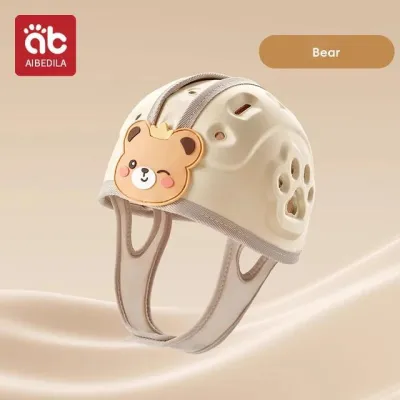
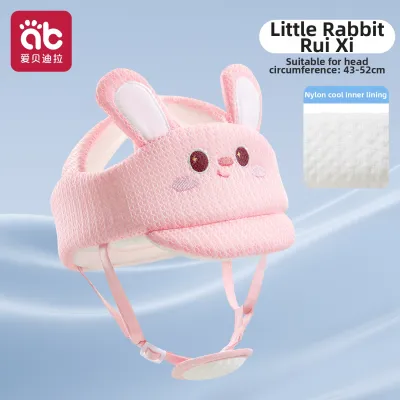
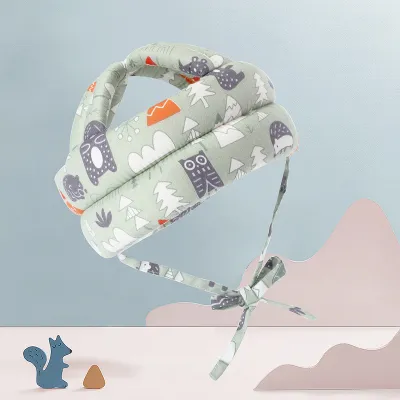

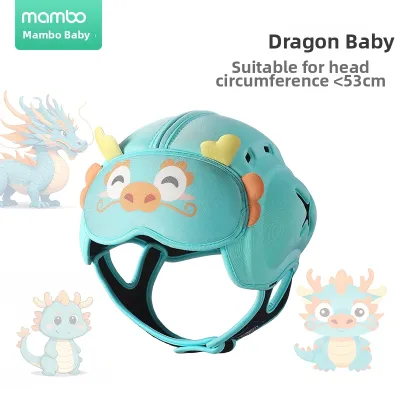
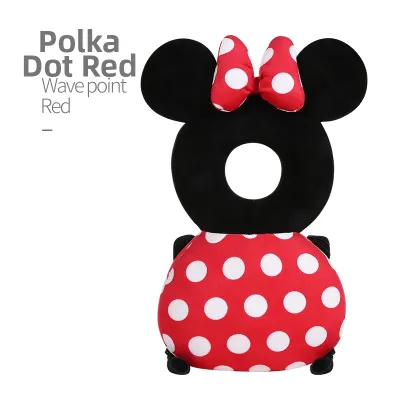
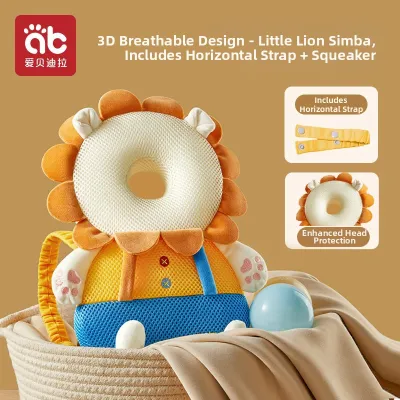
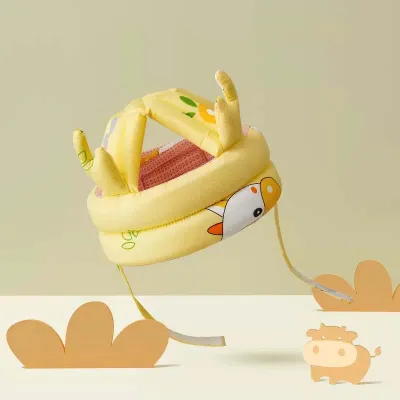
Prices are valid at publication and may change. Please refer to the product page for the latest price.
Baby helmets are specifically engineered to address these typical low-level household falls by cushioning the impact against hard surfaces and sharp corners. These soft-shell protectors act as a localized shock absorber, reducing the force of impact on the skull and preventing superficial injuries such as bruises, bumps, cuts, and scrapes. They are particularly useful during the initial weeks of walking practice when a toddler’s gait is highly unstable and they are prone to sudden, unpredictable drops.
It is critical for caregivers to understand the primary safety boundaries of these products. An anti-fall baby helmet is designed exclusively for low-velocity, low-height household impacts; it is not a medical device, nor is it a substitute for safety-certified sports helmets or vehicle car seat protection. They cannot prevent concussions or severe traumatic brain injuries resulting from high-impact falls, such as falling from a bed, changing table, or down a flight of stairs. Active adult supervision remains the absolute primary line of defense for toddler safety.
Despite these limitations, using a head protector offers notable psychological and developmental benefits for both parents and toddlers. For parents, it reduces the constant anxiety associated with early walking attempts, allowing them to give their child a bit more physical space to explore. For the toddler, cushioning the pain of minor slips prevents them from becoming discouraged or fearful after a fall, encouraging them to quickly stand back up, continue practicing their balance, and build motor confidence.
Key Safety and Comfort Features to Look For
Selecting the right baby helmet requires a careful evaluation of its design, materials, and structural features to ensure it provides adequate protection without causing discomfort or resisting use.

Coverage and Design A high-quality baby helmet must offer comprehensive 360-degree coverage of the most vulnerable areas of a toddler’s head. The occipital region at the back of the skull is the most common point of impact when a child falls backward from a standing position, requiring dense, targeted padding. The frontal region covering the forehead and the temporal regions on the sides of the head also require robust protection to shield the child during forward and sideways slips. The design should feature a raised protective band or bumper around these key areas while leaving the top of the head partially open or ventilated to facilitate heat dissipation.
Material and Breathability The inner core of the helmet must consist of high-density, shock-absorbing foam, with Ethylene-Vinyl Acetate (EVA) or Expanded Polyethylene (EPE) being the industry standards for lightweight impact resistance. These materials are highly effective at dispersing kinetic energy while remaining flexible enough to conform to the shape of the child’s head. The outer lining and any fabric touching the child’s skin must be soft, hypoallergenic, and highly breathable, such as combed cotton or advanced 3D spacer mesh. In Singapore’s hot and humid tropical climate, excellent breathability is paramount; a helmet that traps heat will rapidly cause excessive sweating, skin irritation, and heat rash (miliaria), leading the child to reject the headgear entirely.
Weight and Ergonomics Because a toddler’s neck muscles and cervical spine are still developing, any added weight on their head can cause physical strain, fatigue, or worsen their balance issues. A safe baby helmet must be exceptionally lightweight, ideally weighing under 100 grams, to ensure the child can move their head naturally without restriction. The ergonomic shape must not interfere with the child’s natural field of vision, block their hearing, or press uncomfortably against their ears, allowing them to remain fully aware of their surroundings during play.
Adjustability and Security Toddlers’ heads grow rapidly, meaning a rigid, single-size helmet will quickly become obsolete or unsafe. Look for models that offer highly adjustable closure systems, typically utilizing soft, non-abrasive hook-and-loop fasteners (Velcro) or expandable elastic panels that allow the helmet to grow with your child. The chin strap must be fully adjustable and equipped with a soft, padded sleeve to prevent chafing against the delicate skin of the neck and chin. The buckle or fastening mechanism must be secure enough to prevent the toddler from pulling the helmet off during play, yet simple enough for a caregiver to release quickly in an emergency.
Verification Checklist Before finalizing any purchase, caregivers should perform a thorough verification check of the product specifications. Always inspect the manufacturer’s packaging or official website to verify the recommended age range and head circumference limits to ensure a proper fit. Check for any general safety compliance marks or textile safety certifications, such as OEKO-TEX Standard 100, which confirm that the fabrics and dyes used in the helmet are free from harmful chemicals, heavy metals, or toxic flame retardants.
Trusted Baby Helmet Brands and Styles to Explore in Singapore
When shopping for a baby helmet in Singapore, parents will find a variety of brands and styles available through local baby boutiques, specialty retailers, and online marketplaces. Rather than viewing these as a single category, it is helpful to understand the three primary design philosophies available, allowing you to match the helmet’s specific strengths to your home environment and your child’s unique needs.
Specialized Anti-Fall Safety Brands
Specialized safety brands focus exclusively on high-performance impact protection and ergonomic safety gear for infants and toddlers. A well-known pioneer in this category is Thudguard, which designs structured, heavy-duty protective caps engineered specifically for high-energy shock absorption. These helmets feature a thick, molded protective foam core made from specialized rubber-foam blends, housed within a structured crown that maintains its protective shape even under direct, heavy pressure.
These structured helmets are ideal for highly active toddlers who are rapidly transitioning from standing to running, those who have a history of falling backward with significant force, or homes with hard, unforgiving flooring materials like polished marble, granite, or ceramic tiles. The robust padding provides the highest level of impact resistance available in soft headwear, giving caregivers maximum reassurance during high-risk play phases.
However, these heavy-duty designs come with specific limitations and verification requirements. Because the protective foam is thicker and more continuous, these helmets naturally retain more heat than unstructured styles. Parents in Singapore must verify the exact weight of the specific model to ensure it does not exceed the comfortable carrying capacity of their child’s neck muscles. Additionally, look closely at the design to ensure there are adequate ventilation holes or cutouts across the crown to assist with airflow.
Ergonomic and Multi-Stage Baby Gear Brands
Ergonomic baby gear brands design head protectors as part of a broader, aesthetically pleasing, and highly comfortable nursery ecosystem. These brands prioritize sensory comfort, soft materials, and appealing visual designs—often featuring cute animal ears, soft pastel colors, or matching accessories like padded knee guards and walking harnesses to encourage child acceptance.
The typical features of these helmets include ultra-soft, padded cotton outer shells filled with highly flexible, lightweight foam inserts. The construction is designed to feel more like a soft, comfortable sun hat than a piece of safety equipment, making it far less intimidating for young children.
These models are ideal for younger infants who are just starting to pull themselves up to a standing position against low furniture, or toddlers with sensory sensitivities who immediately reject rigid, heavy, or highly structured headgear. The soft, plush texture provides gentle cushioning for the minor, low-velocity bumps that occur during early standing practice.
The primary trade-off for this enhanced comfort is a lower level of impact protection. The padding in these lifestyle-focused helmets is typically thinner and more compressible, meaning it is designed strictly for minor bumps rather than harder falls onto solid tile floors. Caregivers must carefully verify the manufacturer’s recommended minimum age and head circumference limits, as an oversized soft helmet can easily slip down, obstructing the child’s vision or resting uncomfortably against their nose and mouth.
Lightweight Breathable Mesh Protectors
Given Singapore’s hot, humid climate, lightweight breathable mesh protectors are highly popular among local parents. These styles, often produced by specialized textile brands or generic baby accessory manufacturers, prioritize maximum ventilation and moisture management above all else.
These head protectors are characterized by their use of multi-layered “3D mesh” or “honeycomb cotton” fabrics. The protective foam inserts are heavily perforated, segmented, or arranged in individual padded strips rather than a single solid sheet, allowing air to circulate freely through the entire structure. Furthermore, the outer fabric is highly breathable, quick-drying, and fully machine-washable, making it easy to keep the helmet clean, fresh, and free from sweat odors.
This style is ideal for daily indoor use in homes without continuous air conditioning, outdoor strolls in the early morning or late afternoon, and toddlers who sweat heavily or are prone to heat-related skin conditions. The open-weave design ensures the child remains cool and comfortable, significantly reducing the likelihood of skin irritation or helmet rejection.
The limitation of these highly flexible, unstructured mesh designs is their tendency to shift or slide out of position during a dynamic, twisting fall. When purchasing a mesh protector, caregivers should look for models that feature internal anti-slip silicone grips or highly secure, adjustable dual-strap systems that keep the helmet firmly centered on the head. Additionally, read user reviews specifically regarding the durability of the mesh fabric and strap stitching after multiple machine wash cycles to ensure the product will last.
How to Measure and Fit the Helmet Correctly
An improperly fitted baby helmet cannot provide reliable protection and may introduce new safety hazards, such as blocking the child’s vision or causing physical distress. Following a precise fitting and adjustment routine is essential to ensure the helmet performs as intended.
Measuring Head Circumference To determine the correct helmet size, use a flexible, soft sewing measuring tape. Place the tape around the widest part of your child’s head: starting approximately one finger-width above the eyebrows, passing horizontally just above the ears, and around the most prominent part of the back of the skull (the occiput). Keep the tape snug but not tight against the skin, and record the measurement in centimeters. Always compare this physical measurement directly to the manufacturer’s official sizing chart rather than relying on age recommendations, as head sizes vary significantly among toddlers of the same age.
Checking the Fit When placing the helmet on your child’s head, ensure it sits level and parallel to the ground. The front edge should rest approximately one to two finger-widths above the eyebrows to protect the forehead without obstructing the child’s upward field of vision. Adjust the chin strap so that you can comfortably slide two fingers flat between the strap and your child’s chin; this ensures the strap is secure enough to keep the helmet in place during a fall, but loose enough to prevent choking, swallowing difficulties, or skin chafing. The helmet should not tilt backward, exposing the forehead, or slide forward over the eyes when the child tilts their head.
Observing the Toddler During the first few days of use, monitor your toddler closely during play sessions. Remove the helmet after 15 to 20 minutes to inspect their skin for any red pressure marks, indentations, or localized sweating, which indicate that the helmet is too tight, improperly adjusted, or poorly shaped for their head structure. Watch for signs of physical discomfort, such as the child scratching their head, crying, or repeatedly trying to pull the helmet off. If these behaviors persist, re-evaluate the fit, adjust the straps, or consider a lighter, more breathable style.
Adjustment Routine A toddler’s head grows rapidly during the first two years of life, meaning a fit that was perfect last week may become uncomfortably tight this week. Establish a strict monthly routine to re-measure your child’s head circumference and inspect the helmet’s adjustments. Loosen the hook-and-loop fasteners or adjust the chin strap buckle as needed to accommodate growth, ensuring the helmet continues to sit level and secure without compressing the skull.
Crucial Safety Limitations and When to Stop Using
While baby helmets are valuable tools for managing minor household bumps, they are not absolute safety guarantees. Caregivers must maintain a clear understanding of their physical limitations and know when to retire the product.
What It Cannot Do An anti-fall baby helmet is strictly a low-impact cushion designed for indoor play; it is not a certified safety helmet. It must never be used for outdoor sports such as riding a bicycle, balance bike, tricycle, or scooter, nor should it be worn while riding in a child bike seat or a vehicle. These activities involve high-velocity impacts, rotational forces, and falls from significant heights that require specialized, rigid-shell helmets certified to international safety standards (such as CPSC or EN 1078). Soft baby helmets offer zero protection under these conditions and cannot prevent concussions or severe traumatic brain injuries.
Environmental Hazards Using a head protector must never lead to a reduction in active adult supervision. A helmet will not protect a child from severe, life-threatening injuries associated with falling down stairs, falling off balconies, or slipping into water features like bathtubs, swimming pools, or garden ponds. Caregivers must continue to childproof the home by installing safety gates at the top and bottom of all stairs, securing balcony doors, and maintaining constant visual contact with the child during active play.
When to Stop Using There are clear developmental and physical indicators for when to discontinue using a baby helmet. Stop using the product immediately if your child’s head circumference exceeds the manufacturer’s stated maximum limit, as a tight helmet can cause headaches, restrict cranial blood flow, or interfere with natural skull development. You should also retire the helmet once your toddler has achieved stable, confident walking and running balance—typically between 18 and 24 months of age—as continuing to wear it may hinder their natural spatial awareness and self-protection reflexes. Finally, discard the helmet immediately if you observe any physical degradation, such as compressed, crumbling, or torn foam, frayed chin straps, or broken buckles.
Frequently Asked Questions (FAQ)
Can a baby helmet prevent concussions or serious brain injuries?
No, baby helmets cannot prevent concussions or serious traumatic brain injuries. These soft-shell protectors are designed solely to cushion minor, low-energy household impacts, preventing superficial injuries like bruises, cuts, and scrapes. Concussions occur when a sudden impact causes the brain to slide or rotate rapidly inside the skull, an internal movement that soft external padding cannot prevent. If your toddler experiences a fall from a height, down stairs, or exhibits symptoms such as vomiting, lethargy, persistent crying, or unusual behavior, seek immediate medical attention from a pediatrician or emergency department.
How many hours a day should a toddler wear a head protector?
There is no medical recommendation for a toddler to wear a head protector for extended periods. It should only be worn during active, supervised play and walking practice on hard surfaces, typically limited to short sessions of 30 to 60 minutes at a time. In Singapore’s hot and humid climate, keeping the helmet on for long periods can lead to overheating, heavy sweating, and skin irritation. Always remove the helmet during sleep, naps, meals, quiet seated activities, and when the child is in a safe, carpeted, or padded play area to allow the scalp to breathe and prevent sensory overstimulation.
Community discussion
Share your experience or ask a question. Comments are reviewed before publication.