
Finding the right baby hair shaver is essential for keeping your little one comfortable, especially during their first few years of rapid growth and development. Unlike adult hair clippers, which are designed for coarser hair and less sensitive skin, a specialized baby hair shaver prioritizes safety, quiet operation, and gentle contact. Choosing the ideal tool requires understanding how your child’s age, sensory tolerances, and hair texture shift over time. By selecting a device tailored to these developmental stages, you can transform what is often a stressful chore into a calm, routine grooming experience.
Choosing a Baby Hair Shaver: Key Features to Look for Based on Age and Hair Type
When evaluating a baby hair shaver, several technical specifications directly impact both safety and the child’s comfort. Understanding these features allows you to select a model that matches your child’s specific developmental stage and hair texture.
Blade Material
Baby clippers generally feature either ceramic blades, stainless steel blades, or a hybrid combination of both. Ceramic blades are highly recommended for newborns and infants with fine, delicate hair. Ceramic has low thermal conductivity, meaning the blades run significantly cooler than metal during extended use, reducing the risk of thermal discomfort on sensitive skin. Additionally, ceramic is naturally hypoallergenic and highly resistant to rust.
Products mentioned in this guide
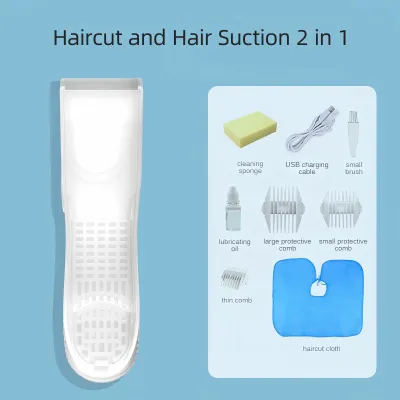
![[SG Seller] MISUTA 2 IN 1 Waterproof Automatic Electric Rechargeable Baby Children Quiet Ceramic Hair Trimmer / Ceramic Haircut Clipper With Hair Suction](https://img.lazcdn.com/g/p/7371345b8dc637192c653c68f03c987d.jpg_400x400q80.jpg_.webp)

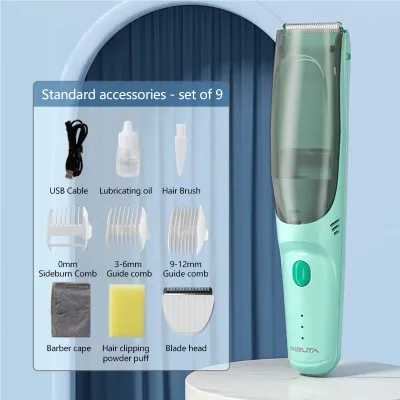
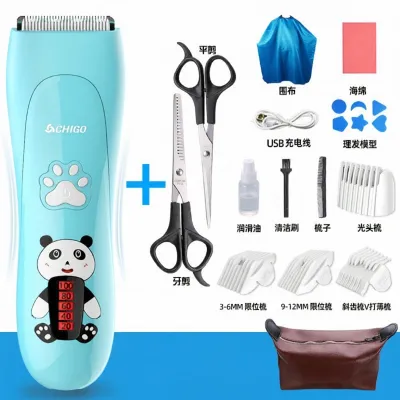
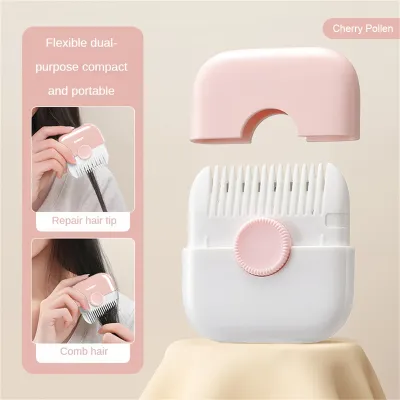
Prices are valid at publication and may change. Please refer to the product page for the latest price.
Conversely, as children grow into toddlers and develop thicker, coarser, or curly hair, stainless steel blades or hybrid ceramic-steel combinations become highly useful. Stainless steel provides the structural rigidity and sharpness required to cut through dense hair without pulling or snagging. If you choose a model with steel blades, ensure they feature a protective coating or skin-friendly rounded tips to prevent direct contact with the scalp.
Noise and Vibration
Infants have highly sensitive auditory systems, and loud, high-frequency noises can easily trigger the Moro (startle) reflex or cause intense anxiety. Standard adult clippers often operate at noise levels exceeding 70 decibels (dB), which can terrify a young child.
For a stress-free haircut, look for a baby hair shaver designed with an ultra-quiet motor that operates below 50 to 55 dB. This sound level is comparable to a quiet home conversation or a gentle hum. Low vibration is equally critical; heavy vibrations can transmit through the baby’s skull bones, causing physical discomfort and panic. A low-vibration motor ensures the device feels steady and gentle against the head.
Ergonomics and Grip
Because babies and toddlers rarely sit perfectly still, caregivers must maintain absolute control over the shaver at all times. A heavy, bulky device can quickly cause hand and wrist fatigue, increasing the risk of an accidental slip.
Look for lightweight, contoured designs that fit comfortably in the palm of your hand. A non-slip, rubberized grip or an ergonomically curved handle allows you to maneuver the shaver smoothly around the contours of a moving child’s head, keeping your hand steady even during sudden movements.
Power Source
Power delivery is a key safety and convenience factor. Cordless, rechargeable models powered by lithium-ion batteries are highly recommended for active babies. A cord poses a tangling hazard and severely restricts your range of motion, forcing you to work close to an electrical outlet.
Cordless models allow you to perform the trim in the most comfortable, well-lit location, whether that is on a high chair, a play mat, or in the bathroom. When choosing a cordless shaver, verify the battery run time and look for models that support USB charging for convenience.
Recommended Shaver Types for Newborns (0–6 Months)
During the first six months of life, a baby’s scalp is exceptionally delicate, and their hair is typically fine, sparse, and soft. Grooming during this stage requires a highly specialized, low-impact tool.

Recommended Profile
For newborns, the ideal shaver is an ultra-quiet, low-vibration device featuring a narrow cutting head (typically around 30 to 32 mm wide) and rounded ceramic blades. The cutting unit should be highly compact, allowing you to navigate the small surface area of an infant’s head with ease.
Why It Works
At this stage, the primary goal is to minimize sensory stimulation and protect the delicate areas of the head, particularly the fontanelles (the soft spots where the skull bones have not yet fused) and the sensitive skin behind the ears. A narrow, whisper-quiet shaver prevents the startle reflex, keeping the baby calm and still. The rounded ceramic blade tips act as a physical barrier, preventing the skin from entering the cutting teeth and reducing the risk of micro-cuts or skin scraping.
Limitations and What to Avoid
Avoid high-speed, high-torque motors, wide professional clippers, and any device with sharp, unshielded steel blades. High-speed motors generate unnecessary heat and noise, which will distress a newborn. Heavy units are also difficult to maneuver precisely around tiny ears and neck folds, increasing the likelihood of accidental pinches.
Buying Checklist
Before purchasing a shaver for a newborn, verify the following specifications from the manufacturer’s documentation:
- Decibel Rating: Ensure the noise level is explicitly rated below 50 dB.
- Blade Safety: Look for certified "R-shaped" rounded outer blades designed to protect skin from direct contact.
- Blade Width: Verify the cutting head is compact and designed specifically for infants.
- Weight: Choose a lightweight unit, ideally under 150 grams, to maximize your control.
Recommended Shaver Types for Babies and Toddlers (6 Months–3 Years)
As babies grow into toddlers, their hair density increases, their mobility rises, and they become more interactive. Their grooming needs shift from simple, delicate maintenance to managing thicker hair textures and active physical movement.
Recommended Profile
For older babies and toddlers, look for a waterproof (IPX-rated) shaver equipped with an adjustable-speed motor, wider blade coverage, and a variety of interchangeable guard combs. This profile provides the versatility needed to handle changing hair types while managing a highly active child.
Climate Context
In Singapore’s warm and humid tropical climate, babies and toddlers sweat frequently, particularly around the hairline, neck, and behind the ears. This constant moisture can lead to sweat buildup, itching, and heat rash (miliaria). Keeping the hair neatly trimmed helps keep the scalp cool and dry. A waterproof shaver is incredibly beneficial in this climate, as it allows you to perform trims during bath time. The warm water relaxes the toddler, and the cut hair can be rinsed away instantly, preventing itchy, loose hairs from sticking to damp skin.
Handling Coarse or Curly Hair
As toddler hair thickens or develops curls, a single-speed, low-torque motor may struggle, causing the blades to pull or stall, which can be painful and frightening for the child. An adjustable-speed shaver allows you to increase the motor speed when cutting through dense patches of hair, ensuring a smooth, continuous cut without snagging.
Buying Checklist
When shopping for an older baby or toddler, prioritize these features:
- Waterproof Rating: Look for an IPX7 waterproof rating, which indicates the device can be safely rinsed under running water or used in the bath.
- Variable Speed Settings: Verify the device has at least two speed modes to handle different hair thicknesses.
- Guard Combs: Ensure the kit includes multiple dual-sided guard combs (such as 3mm/6mm and 9mm/12mm) to control the hair length safely.
- Battery Indicator: Choose a model with an LED battery display so you can ensure the device has sufficient charge before starting, preventing mid-shave stalls.
Safe Grooming Practices and When to Stop
Performing a haircut on a young child requires careful preparation, proper physical technique, and strict adherence to safety guidelines to prevent injury and distress.
Preparation
Timing is critical for a successful haircut. Always schedule the session when your baby is well-fed, fully rested, and in a calm mood. Avoid times close to naps or feeding schedules when they are likely to be fussy.
Set up a comfortable space with minimal distractions, or conversely, use deliberate distractions to keep their head still. A favorite soft toy, a musical instrument, or brief access to a screen can keep a toddler occupied and stationary while you work.
Technique
Before you begin, read the manufacturer’s instruction manual thoroughly. When cutting, use your free hand to gently stretch the skin of the scalp flat; this minimizes skin folds and prevents the shaver from catching on the skin.
Hold the shaver flat against the scalp, ensuring the guard comb is flush with the skin. Move the device slowly and steadily against the direction of hair growth. When navigating around the ears, use your fingers to gently fold the ear down and away from the shaver path. Exercise extreme caution near the fontanelles, moving the shaver with zero downward pressure.
Maintenance
Proper maintenance ensures the shaver remains hygienic and functions safely. After each use, turn off the device and use the provided cleaning brush to remove all loose hair from the blade assembly.
If the shaver is waterproof, rinse the blades under running water according to the user manual. Allow the unit to air dry completely. Apply a drop of specialized clipper oil to the blades only if explicitly instructed by the manufacturer, and wipe away any excess oil before storing the device in a clean, dry place out of reach of children.
Stop Conditions
You must immediately pause or abort the grooming session if any of the following conditions occur:
- The baby becomes highly distressed, cries intensely, or thrashes unpredictably, making precise control impossible.
- The scalp skin shows signs of sudden redness, irritation, or scratch marks.
- The shaver begins to pull, tug, or snag the hair rather than cutting it cleanly.
- The device feels excessively warm to the touch.
- You feel fatigued, rushed, or lose your steady grip on the device.
Medical Boundary
Never use a hair shaver directly over active scalp conditions, including cradle cap (infantile seborrheic dermatitis), eczema flare-ups, open sores, raised moles, or unexplained rashes. Shaving over these areas can break the skin barrier, cause bleeding, and introduce bacteria, leading to localized infections. If your baby has an active scalp condition, consult a pediatrician or a qualified medical professional before attempting any hair grooming.
Frequently Asked Questions (FAQ)
Can I use a regular adult hair clipper on my baby?
Using a regular adult hair clipper on a baby is not recommended. Adult clippers are designed with high-torque, high-speed motors that generate significant noise and heavy vibrations, which can easily terrify an infant. Furthermore, adult clippers feature wider blade gaps and sharp metal teeth designed for coarse adult hair; these blades do not have the rounded, skin-shielding safety profiles required to protect thin, delicate infant skin from painful nicks and scrapes. Adult blades also heat up rapidly during use, posing a burn risk to sensitive baby skin.
How often should I trim my baby's hair?
There is no fixed schedule for trimming a baby’s hair, as growth rates vary widely based on genetics. However, in warm and humid environments like Singapore, keeping the hair trimmed every 4 to 6 weeks can help prevent sweat accumulation, discomfort, and heat rash.
It is important to note that shaving a baby’s head does not make the hair grow back thicker, faster, or coarser. This is a common myth; hair thickness and growth patterns are entirely determined by genetics and internal hair follicles. Trimming simply cuts the dead hair shaft at the surface and has no impact on the follicle beneath the skin.
Is it safe to shave a newborn's head completely bald?
Shaving a newborn’s head completely bald with a bare blade is not recommended by pediatricians and dermatologists. A newborn’s skin barrier is exceptionally thin and fragile, and shaving directly against the skin increases the risk of micro-abrasions, ingrown hairs, and bacterial infections.
Additionally, hair plays a vital role in regulating a baby’s body temperature and protecting their sensitive scalp from UV radiation. If you wish to shorten a newborn’s hair for cultural practices or comfort, always use a shaver equipped with a short safety guard comb (such as 3mm) to leave a protective layer of hair, rather than exposing the bare scalp.
Community discussion
Share your experience or ask a question. Comments are reviewed before publication.