
Finding the right baby formula dispenser is one of the most practical ways to simplify your daily feeding routine. Whether you are navigating exhausted midnight feeds in a dark room or packing a diaper bag for a weekend outing at East Coast Park, having pre-portioned formula ready to pour can prevent stressful spills and crying fits. The ideal dispenser needs to match your lifestyle, fit seamlessly into your kitchen space, and withstand the unique challenges of Singapore’s highly humid climate.
While some parents prefer simple, budget-friendly plastic containers for quick outings, others invest in advanced, automated machines that handle the entire heating and mixing process. Choosing the right option requires evaluating how you feed your baby, where you plan to use the dispenser, and how much time you want to spend cleaning and sterilizing the parts. Understanding the key features of these tools ensures you select a safe, reliable, and highly functional model for your home.
How to Choose the Right Baby Formula Dispenser
Selecting a formula dispenser involves more than just picking a visually appealing container. Because infant nutrition relies on precise measurements, the design of your dispenser directly impacts your baby’s health and your daily peace of mind. Evaluating several core performance dimensions will help you narrow down the options to the one that best fits your feeding setup.
Products mentioned in this guide
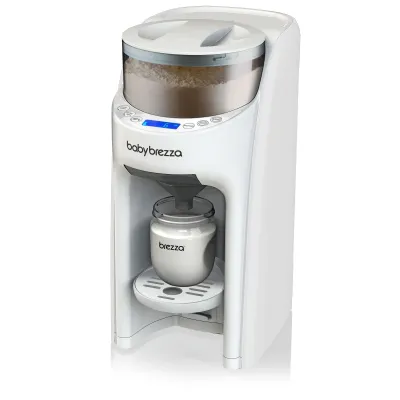
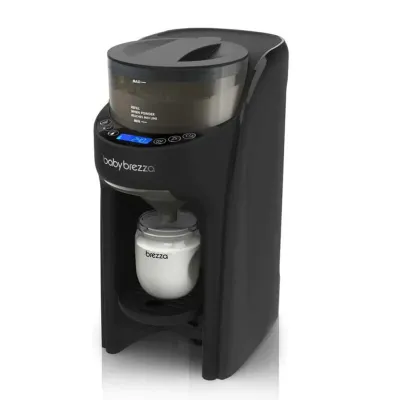
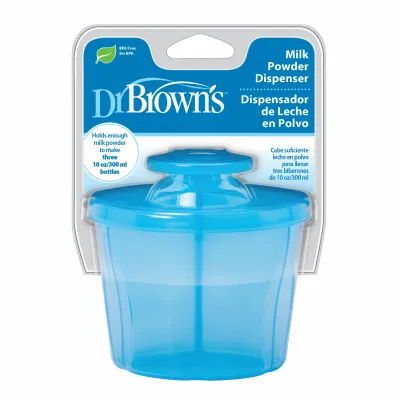
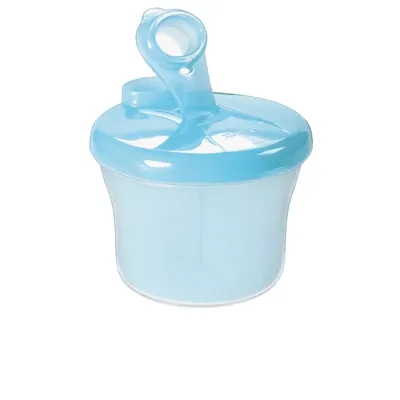
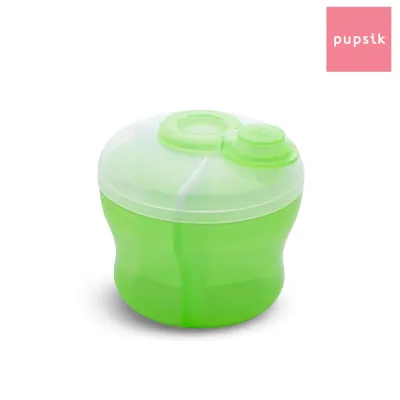
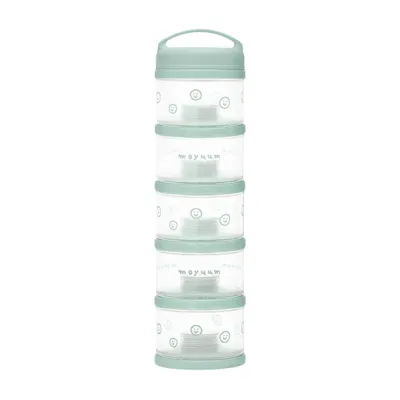
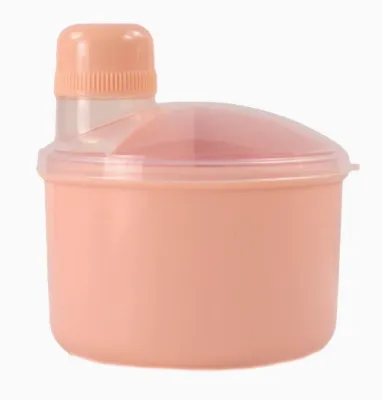
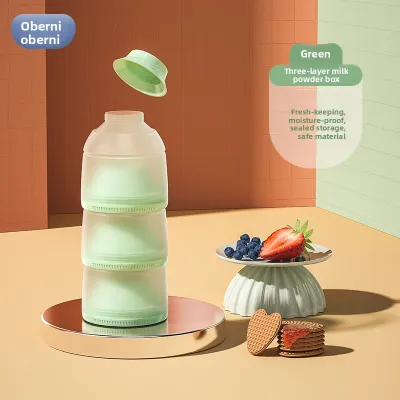
Prices are valid at publication and may change. Please refer to the product page for the latest price.
Capacity and Portion Control
Your baby’s nutritional needs change rapidly during their first year of life. A newborn may only require small, frequent feeds of one or two scoops of formula, whereas an older infant or twins will need much larger volumes per bottle. When evaluating a dispenser, check the volume limits of each individual compartment.
Single-serve dispensers are highly compact but may only hold enough powder for a small bottle, making them less useful as your baby grows. Multi-serve or adjustable containers allow you to store larger quantities of powder, accommodating up to four or five scoops per feed. If you plan to use the dispenser long-term, look for modular designs where you can add or remove compartments as your baby’s appetite increases.
Dispensing Accuracy
Precise portioning is critical for your baby’s digestive health and overall development. If formula powder is consistently under-measured, your baby may not receive adequate calories and nutrients; conversely, over-concentrated formula can strain an infant’s developing kidneys and lead to dehydration.
To ensure dispensing accuracy, you must verify how easily the powder releases from the container. Some dispensers feature narrow funnels that can trap fine powder in the corners, leading to incomplete feeds. Look for models with smooth, anti-static interior walls and wide-mouth pouring spouts that allow every grain of powder to slide out effortlessly into the baby bottle.
Ease of Use and Assembly
When your baby is crying for a feed at three o’clock in the morning, a complicated dispenser mechanism can quickly become a major source of frustration. You need a device that is intuitive to assemble, fill, and pour under low-light conditions.
Evaluate the physical mechanism used to access the powder. Rotatable lids with a single pouring spout must align perfectly with each compartment to prevent powder from cross-contaminating adjacent sections. If you often find yourself holding a baby in one arm while preparing a bottle with the other, prioritize dispensers designed for simple, one-handed operation, such as push-button releases or easy-flip caps.
Compatibility with Formula Brands
Not all formula powders are created equal. Different brands sold in Singapore—ranging from standard cow’s milk formulas to specialized soy, organic, or hypoallergenic options—have varying powder densities, grain sizes, and scoop volumes.
Before purchasing a dispenser, verify that its compartments can comfortably hold the specific scoop size of your preferred formula brand. Some premium formulas use exceptionally large scoops that may overflow small, shallow dispenser compartments. Additionally, if you are considering an automatic formula maker, always check the manufacturer’s compatibility list to ensure the machine can be calibrated to dispense your specific brand’s powder density accurately.
Top Formula Dispenser Categories for Different Feeding Routines
To help you identify the best setup for your household, it is helpful to categorize dispensers by their primary use case. Depending on whether you prioritize mobility, bulk preparation, or high-tech convenience, different designs will stand out as the most practical choice.

Portable Single-Serve Dispensers for Travel and Night Feeds
Portable single-serve dispensers are designed specifically for parents who need to prepare bottles quickly while away from home or during middle-of-the-night feeds.
- Design and Footprint: These models typically feature a stackable, tower-style design or a highly compact cylindrical shape. The modular compartments screw into one another vertically, allowing you to carry only the number of feeds you need for a specific outing. This streamlined shape slips easily into the side pockets of standard diaper bags or sits neatly on a bedside caddy.
- Use Case: These are ideal for pre-portioning exact single feeds before you head out or go to sleep. By measuring the powder in advance under bright kitchen lights, you eliminate the risk of miscounting scoops or spilling formula powder in the dark.
- Limitations: Because they are designed for portability, their overall capacity is limited. They require frequent washing and refilling, and they may become less practical as your baby grows and requires larger, multi-scoop volumes that exceed the physical limits of the compact compartments.
Multi-Compartment Dispensers for Home and Daycare
Multi-compartment dispensers offer a centralized, organized solution for managing a full day’s worth of feeds in a single container.
- Design and Footprint: These containers generally feature a carousel or tray-style design with a divided interior, typically offering three to six separate compartments. A rotating lid with a single spout allows you to select which compartment to pour from. They have a wider, flatter footprint than stackable towers, requiring a dedicated spot on your kitchen counter or shelf.
- Use Case: This style is highly beneficial for organizing a daily routine or preparing feeds for a daycare drop-off. You can measure out all the necessary formula for the day in the morning, allowing caregivers or daycare staff to prepare bottles quickly and accurately without needing to handle the main formula tin.
- Limitations: The wider physical footprint makes them less convenient to pack into compact travel bags. Furthermore, because all compartments share a single rotatable lid, you must ensure the container is entirely dry after washing; any residual moisture in one compartment can easily migrate to the others, causing the powder to clump and spoil.
Smart and Automatic Formula Makers
For parents seeking the ultimate level of convenience and speed, smart and automatic formula makers represent a premium, technology-driven investment.
- Design and Functionality: These countertop appliances function similarly to automated espresso machines. They feature a large water reservoir and a sealed powder hopper. At the push of a button—or via a smartphone application—the machine automatically measures, dispenses, mixes, and heats the formula to the precise temperature and consistency you select.
- Use Case: These machines are a lifesaver for sleep-deprived parents who want a perfectly mixed, warm bottle ready in under a minute. They eliminate human error in scoop counting and ensure the water temperature is consistently safe and comfortable for your baby.
- Limitations and Maintenance: These appliances come with a high price point, typically ranging from S$150 to over S$400. They also require meticulous, regular maintenance. You must descale the water system and clean the dispensing funnel daily to prevent dangerous bacterial growth. Additionally, you must verify that the machine supports the exact formula brand you use, as incorrect density settings can lead to improperly mixed bottles that pose health risks to your infant.
Safety, Materials, and Sterilization Standards
Because your baby’s immune system is still developing, any feeding accessory that comes into contact with formula powder must meet strict safety and hygiene standards. Before purchasing any dispenser, carefully inspect its material composition and care instructions.
Material Safety
Always verify that the dispenser is explicitly labeled as BPA-free (Bisphenol A) and BPS-free (Bisphenol S). These chemical compounds, historically used in plastics, can mimic hormones and pose developmental risks to infants. Look for food-grade certifications on the packaging to ensure the plastic will not leach harmful substances into the dry powder.
With growing research surrounding microplastics, many parents now prioritize high-grade materials that resist physical degradation. High-quality polypropylene (PP) is a durable, lightweight choice, while polyphenylsulfone (PPSU) offers superior heat resistance and durability. Medical-grade silicone is another excellent option for seals and valves, as it remains highly stable under extreme temperatures and does not shed microparticles.
Sterilization Compatibility
Not all plastic dispensers can tolerate the high heat of standard sterilization methods. Subjecting a low-tolerance plastic container to boiling water or steam can cause it to warp, crack, or release chemical fumes.
Before sanitizing your dispenser, consult the manufacturer’s instructions for the specific heat threshold of each component. While some heavy-duty plastics and silicones can safely withstand steam sterilizers or boiling water, others are strictly hand-wash only. If you use a UV sterilizer, be aware that prolonged exposure to UV light can cause certain plastics to become brittle or discolored over time; check if your dispenser is rated for UV sterilization to prevent premature wear.
Drying and Mold Prevention
Moisture is the single greatest enemy of dry infant formula. Even a single droplet of water trapped inside a dispenser compartment can cause the powder to clump, lose its nutritional integrity, and foster the growth of harmful bacteria or mold.
To prevent this, choose dispensers that can be disassembled completely into individual components, leaving no hidden crevices where water can pool. After washing and sterilizing, lay all parts out on a clean, dry rack in a well-ventilated area. Never reassemble or fill the dispenser while any component is still damp to the touch.
Wear and Tear
Over months of continuous use, washing, and sterilization, plastic materials will inevitably begin to degrade. Micro-scratches on the interior walls of a dispenser can harbor microscopic food particles and bacteria, making them difficult to clean effectively.
Inspect your dispenser regularly for signs of wear. If the plastic becomes cloudy, develops fine cracks, displays deep scratches, or retains a stubborn sour odor even after thorough washing, it is time to replace the container. Replacing degraded gear promptly is a simple and effective way to protect your baby’s health.
Managing Formula Storage in Singapore's Climate and Homes
Living in Singapore presents specific environmental challenges when it comes to storing and preparing dry baby formula. The year-round high humidity and warm temperatures require parents to take extra precautions to keep formula fresh and safe.
Humidity and Clumping
With Singapore’s ambient relative humidity frequently exceeding 80 percent, open formula powder can absorb moisture from the air almost instantly. When this happens inside a dispenser, the powder clumps together, sticks to the interior walls, and blocks the pouring spout, leading to inaccurate bottle preparation.
To combat this, look for dispensers equipped with airtight silicone seals or secure snap-lock lids that block external air. When filling your dispenser, do so quickly, and immediately seal the container. Store your filled dispensers in a cool, dry pantry or cupboard away from heat sources like ovens, microwaves, or the rising steam from boiling kettles. Avoid storing formula dispensers in the refrigerator, as the drastic temperature change when you bring the container out into the warm air will cause condensation to form inside the compartments instantly.
Space Optimization
Many families in Singapore live in HDB flats or apartments where kitchen counter and cabinet space is highly valuable. Managing a collection of baby bottles, sterilizers, drying racks, and formula tins can quickly clutter your kitchen.
To optimize your space, prioritize modular, stackable, or nesting dispenser designs. Vertical stackable towers are exceptionally space-efficient, utilizing vertical shelf space rather than taking up a large footprint on your countertop. Some modular systems also allow you to screw the dispenser compartments directly onto compatible baby bottles, reducing the number of separate items you need to store and wash.
Purchasing Channels
To guarantee you are getting a genuine, safe product, always purchase your baby formula dispensers from official brand stores, authorized physical retailers, or reputable local e-commerce platforms.
Buying from authorized sellers ensures that the materials used comply with local safety standards and that you have access to valid manufacturer warranties. This is particularly crucial for expensive smart formula makers, where local customer support is essential if you need replacement parts, calibration assistance, or repairs. Avoid buying unbranded or extremely cheap dispensers from unauthorized third-party sellers, as these products may not use food-grade, BPA-free materials.
Frequently Asked Questions (FAQ)
Can I store prepared liquid formula in a standard powder dispenser?
No, you should never store prepared liquid formula in a standard powder dispenser. These containers are designed exclusively for dry powder and do not feature the thermal insulation or airtight, leak-proof seals required to keep liquids safe. Storing liquid formula in these compartments at room temperature will result in rapid bacterial growth and spoilage, posing a severe health risk to your baby. Prepared liquid formula must always be stored in a sterilized baby bottle inside a refrigerator and consumed within the timeframe recommended by the formula manufacturer.
How often should I sterilize the formula dispenser?
You should wash your formula dispenser with warm, soapy water after every single use to remove any residual powder film. For sterilization, it is highly recommended to sterilize the dispenser at least once a day. Daily sterilization is especially critical if your baby is under three months old, was born prematurely, or has a weakened immune system. Always refer to the dispenser manufacturer’s guidelines to ensure your sterilization method—whether steam, boiling water, or UV light—does not exceed the heat and material tolerances of the plastic.
Community discussion
Share your experience or ask a question. Comments are reviewed before publication.